Safety in Norway: Low Crime Rates but High Natural Element Risks
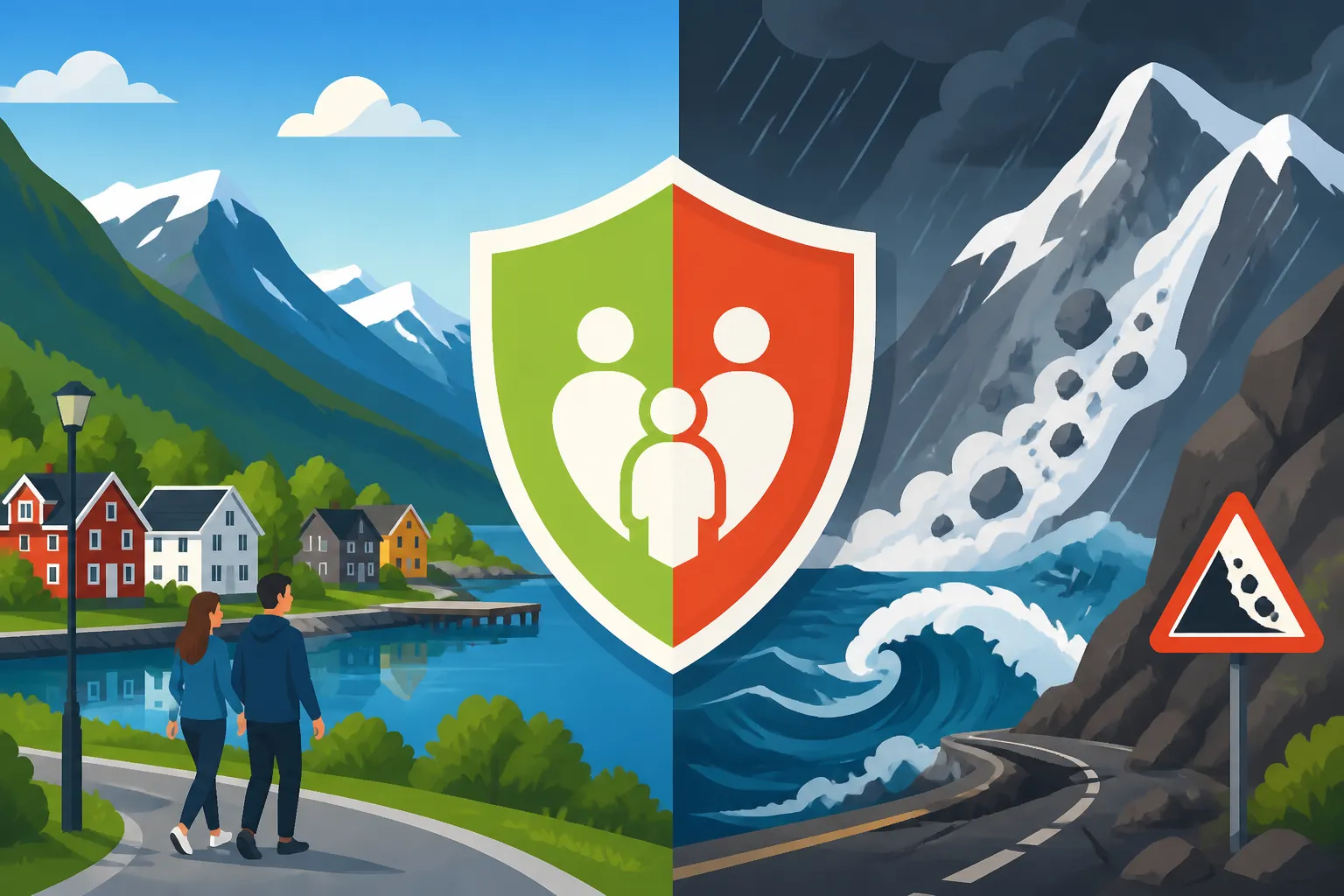
Many new arrivals move to Norway under the impression that they are entering a crime-free utopia where they can leave their front doors unlocked and their worries at the border. While street safety is indeed world-class, the true danger often lies in the unpredictable landscape and the brutal climate. This guide helps you navigate the hidden risks of the Norwegian environment while maintaining a realistic perspective on urban safety.
The Paradox of Safety in the Norwegian Urban Landscape
When you first arrive in a city like Oslo, Bergen, or Stavanger, the sense of calm is palpable. You will see parents leaving strollers with sleeping infants outside cafes and people walking alone through parks at 2:00 AM without a second thought. This is the famous Norwegian "social trust" in action. However, many newcomers have been seen fall into the trap of total complacency. Just because the violent crime rate is incredibly low does not mean you are immune to the frustrations of city life.
The Reality of Petty Crime and Bicycle Theft
If you talk to any long-term resident in Oslo, they won't tell you stories of muggings, but they will almost certainly have a story about a stolen bicycle. Bicycle theft is arguably the most common "crime" an expat will encounter. It is a highly organized industry here. You can buy the most expensive lock on the market, and if you leave your bike outside the National Theatre station overnight, there is a high probability it will be gone by morning. This is one of the few areas where the Norwegian police are often criticized; due to high caseloads and the "minor" nature of the offense, these cases are frequently closed without investigation.
Beyond bikes, "theft of opportunity" is the main thing to watch for. This usually happens in crowded tourist spots like Aker Brygge or during the chaotic celebrations of Norwegian Constitution Day (17. Mai): How Expats Should Celebrate. Pickpockets operate in the summer months, targeting distracted people taking photos of the Royal Palace. It is not that Norway is dangerous; it is that the contrast between the general safety and these specific incidents makes the latter feel like a personal betrayal of the Norwegian dream.
The Concept of Social Trust and Personal Responsibility
The Norwegian safety model relies heavily on the "Trust Barometer." People trust the government, the police, and their neighbors. This creates a very safe atmosphere, but it also means that the "safety nets" you might expect in other countries—like heavy security presence or warning signs everywhere—are absent. In Norway, there is an unwritten rule that you are responsible for your own safety. If you walk onto a frozen lake that hasn't been tested, the local sentiment isn't "Why didn't the city put up a fence?" but rather "Why didn't that person use their common sense?"
For expats, this can be a cultural shock. You are expected to monitor the news, check the weather apps, and understand the risks before you step out. If you do find yourself in a situation where you need medical attention due to a lapse in judgment or an accident, you’ll be entering a robust system. You should familiarize yourself with the Public vs Private Healthcare in Norway: A Complete Guide to understand how you will be treated and what costs might be involved if your "social trust" experiment goes awry.
Navigating the Urban Environment and Securing Your Home
Finding a place to live is the first step to feeling secure in a new country. Fortunately, Norway does not really have "no-go zones" in the way many major US or European cities do. Even neighborhoods that locals might label as "rough" are statistically safer than the most elite areas of London or Paris. However, your peace of mind depends on knowing exactly what you are getting into before you sign a lease.
Choosing Safe Neighborhoods and Secure Housing
When you are looking for a home, the physical security of the building is usually excellent. Most apartment blocks require a code or a key chip to even enter the stairwell. If you are moving from abroad and cannot attend viewings in person, using a platform like Spotahome can be a lifesaver. It allows you to see verified video tours of apartments, ensuring that the "secure entrance" promised in the ad actually exists and that the neighborhood matches your safety expectations. Spotahome is particularly useful for expats who want to avoid the common "deposit scams" that occasionally pop up on unverified local listing sites.
Once you have secured a place, usually in one of the Where to Live in Norway: Top Expat Neighborhoods in Oslo, Bergen, and Beyond, you should still take basic precautions. Most Norwegians invest in high-quality "Innboforsikring" (home contents insurance). This isn't because they expect to be robbed, but because it covers everything from bike theft outside the home to water damage from a burst pipe—a much more likely "threat" in the Norwegian climate.
Nightlife Safety and Social Etiquette
The most "dangerous" time in a Norwegian city is usually between 1:00 AM and 3:00 AM on a Saturday morning. Norway has a very specific drinking culture where people "vorspiel" (pre-party) at home and then head to the bars late. This can lead to highly intoxicated crowds in the city centers. While violent altercations are still rare, this is when accidents happen—trips, falls, or heated arguments.
If you are out late, the public transport system remains remarkably safe. The "Nattbuss" (night bus) network in Oslo is well-lit and monitored. However, if you feel uncomfortable, taxis and ride-sharing apps are widely available. Just remember that the cost of a 10-minute taxi ride in Norway might be more than your entire night's budget! If you ever feel like a situation is escalating, the police are generally very approachable and speak perfect English. In the rare event of an injury during a night out, you would likely be taken to the "Legevakt." You can read more about how these emergency clinics function in our guide on Emergency Room Waiting Times: Triage Rules at Norwegian Hospitals.
The Real Danger: Norway's High Natural Element Risks
While you are unlikely to be a victim of a crime, you are very likely to be a victim of the weather if you are not prepared. Norway’s nature is breathtaking, but it is also unforgiving. Every year, the local news is filled with stories of tourists and expats who had to be rescued from mountains because they underestimated how quickly the sun goes down or how fast a breeze can turn into a life-threatening blizzard.
Surviving the Mørketid and the Mental Health Shift
Safety isn't just about physical protection from external threats; it’s also about protecting your mental well-being. The "Mørketid," or the dark season, is a genuine risk for those moving from sunnier climates. In the depths of winter, parts of northern Norway see no sun at all, and even Oslo only gets a few hours of grey twilight. This leads to a significant increase in Seasonal Affective Disorder (SAD), which can impact your judgment, energy levels, and overall safety.
The darkness also brings physical risks. Sidewalks in Norway are often covered in "svart is" (black ice). It looks like a dry road, but it is a slick sheet of ice. Many expats end up with broken wrists or concussions in their first week of winter because they didn't wear "brodders" (spikes) on their shoes. To manage the mental side of this, it is vital to research Coping with Seasonal Affective Disorder (SAD) in the Norwegian Winter and ensure you are following the Vitamin D Guidelines for Expats Surviving the Dark Season to keep your cognitive functions sharp.
Weather Volatility and the Mountain Code
The Norwegian mountains are a playground, but they are not a theme park. There are no fences at the edge of Preikestolen (Pulpit Rock), and there are no rangers patrolling every trail to make sure you have enough water. The weather in the mountains can change in minutes. You can start a hike in t-shirt weather and be in a freezing fog bank before lunch.
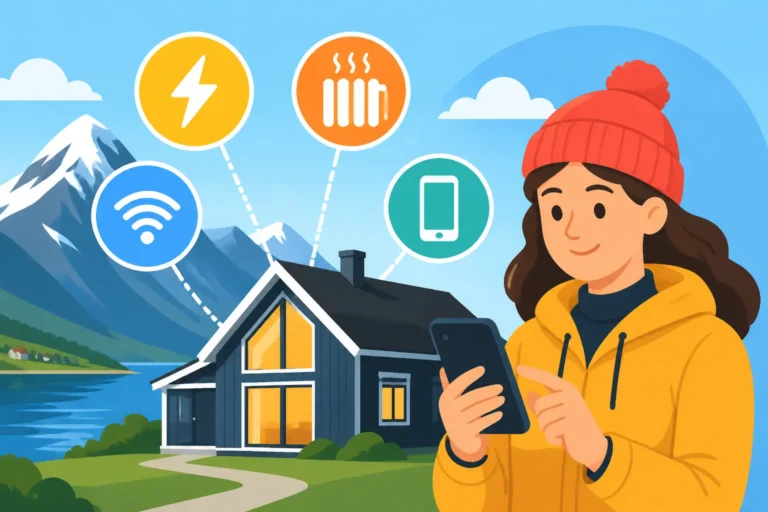
This is where digital preparedness becomes a safety essential. Before you head into the wilderness, you need a reliable data connection to check the "Varsel" (warnings) on Yr.no. For those who haven't yet set up a local contract, using an eSim from Airalo can ensure you have immediate data access the moment you land or head into a new region. Having that map and weather update accessible on your phone can be the difference between a great hike and a call to the rescue services. Airalo is especially handy because it avoids the "no data" panic when you cross between different local networks or arrive as a newcomer.
When you are out there, you are expected to follow the Fjellvettreglene (The Mountain Code). This includes rules like "Don't go on long hikes without training," "Respect the weather and the forecast," and "Be prepared for storms and cold, even on short hikes." If you ignore these, you put not only yourself but also the volunteer rescue teams at risk.
| Risk Category | Urban (Oslo/Bergen) | Rural/Nature (Fjords/Mountains) |
|---|---|---|
| Petty Crime | Moderate (Bikes, Pickpockets) | Very Low |
| Physical Injury | Low (Ice slips, Nightlife) | High (Falls, Hypothermia) |
| Environmental | Low (Air quality in winter) | Very High (Avalanches, Rapid weather changes) |
| Emergency Response | Minutes (Police/Ambulance) | Hours (Helicopter/Volunteer SAR) |
| Communication | Excellent 5G/Fiber | Variable (Requires Airalo or Local SIM) |
Staying Connected and Accessing Emergency Services
In a crisis, your ability to communicate is your most important tool. Norway is one of the most digitized countries in the world, and this extends to how safety and emergency services are managed. However, as an expat, navigating these systems during a high-stress moment requires some prior knowledge.
Understanding the Triple Emergency Numbers
Unlike many countries that have one single emergency number, Norway uses three. Memorize these immediately:
- 110: Fire and major accidents.
- 112: Police (for emergencies only).
- 113: Ambulance and life-threatening medical issues.
If you are unsure which one to call, dialing 112 will usually get you through to a dispatcher who can reroute you, but calling the specific number saves precious seconds. For non-emergencies, such as reporting a stolen bike or a noise complaint, you should use the national non-emergency number: 02800.
The police and medical staff are almost always fluent in English, but they will ask for your location first. If you are hiking, you should download the "Hjelp 113" app. When you call through this app, it automatically sends your GPS coordinates to the emergency center. This is vital because "near the big rock by the lake" doesn't help a rescue helicopter in a country with a million big rocks and 450,000 lakes. To ensure this app works, you need active data, which is why having an eSim from Airalo is a great backup if your primary provider has a dead zone in the valley.
Digital Reliability and Local Infrastructure
Beyond the emergency numbers, you should know how the local infrastructure supports your safety. Most municipalities use an SMS warning system. If there is a major water leak, a landslide risk, or a missing person in your area, you will receive a text message from the local "Kommune." This system is based on your registered address in the National Registry, but it also picks up phones currently connected to local towers.
If you are still setting up your life here, check out Mobile Operators in Norway: Telenor vs Telia and Budget Alternatives to ensure you have a plan that offers the best coverage for your specific area. Coverage in Norway is generally excellent, even in tunnels and on remote islands, but there are still "shadow zones" in the deep fjords. If you are in a serious medical bind and can't reach 113, you may need to know where the nearest Emergency Medical Care in Norway: 113, Legevakten, and Hospitals is located.
Road Safety and Winter Driving Realities
For many expats, the biggest safety hurdle isn't walking; it's driving. Norwegian roads are narrow, winding, and—for six months of the year—covered in snow, ice, or "slush" (melted snow). Driving here is a skill that requires patience and a healthy respect for the laws of physics.
The Piggdekk vs. Piggfrie Debate and Winter Tires
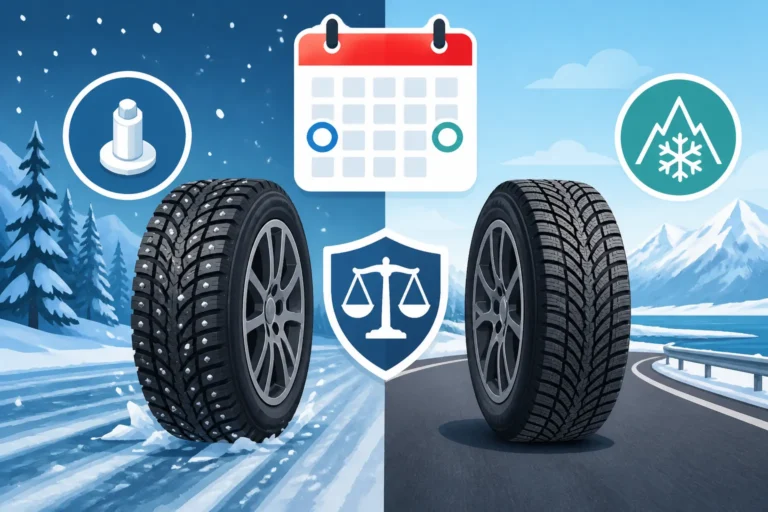
In Norway, winter tires are not a suggestion; they are a necessity. You have two choices: Piggdekk (studded tires) or Piggfrie (friction tires). Studded tires give you incredible grip on pure ice but are noisy and subject to extra taxes in cities like Oslo and Bergen because they wear down the asphalt and create dust. Friction tires are great for most conditions but require a much more cautious driving style on "glatt" (slippery) roads.
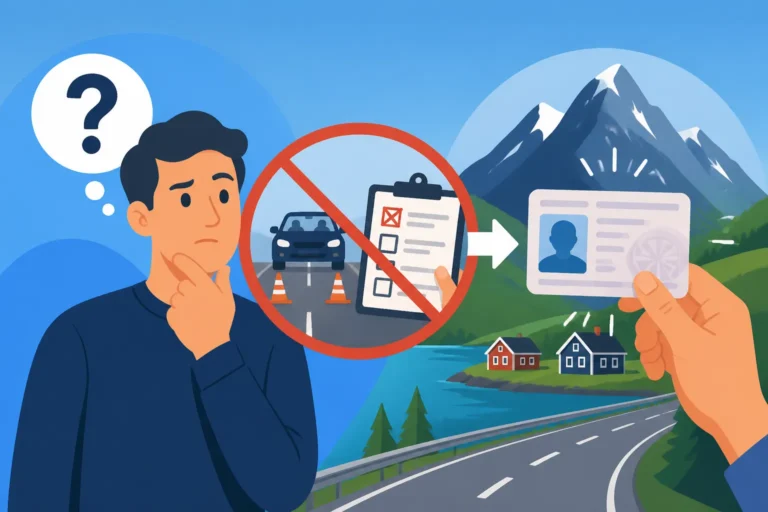
Safety on the road also means understanding the mandatory equipment. Every car must have a reflective vest within reach of the driver's seat and a warning triangle in the trunk. If you break down, you must put on that vest before you even step out of the car. The fines for failing to follow these rules are astronomical. If you are planning to get behind the wheel, make sure you understand the nuances of Driving in Norway: Licenses, Winter Driving, and Electric Vehicles (EVs).
Wildlife Encounters: The Moose Problem
One safety risk that many city-dwellers never consider is the local wildlife. The "Elg" (Moose) is the king of the Norwegian forest, and it has a habit of wandering onto highways at dawn and dusk. A collision with a moose is often fatal for both the animal and the passengers, as the moose's long legs mean its heavy body often comes through the windshield.
If you see an "Elgfare" (Moose danger) sign, believe it. Slow down and scan the sides of the road. If you are unfortunate enough to hit an animal, you are legally required to report it. Failure to report a collision with wildlife is considered animal cruelty and can lead to heavy fines or imprisonment. You should bookmark our guide on What to Do If You Hit a Moose or Deer While Driving to ensure you know the exact steps to take, including who to call and how to mark the location for the "Viltnemnda" (wildlife authorities).
Important Disclaimer
The information provided in this guide is for educational and informational purposes only. While every effort has been made to ensure the accuracy of the advice regarding safety, crime, and natural risks in Norway, conditions can change rapidly. Laws, emergency procedures, and environmental risks may vary by municipality and season. Always consult official sources such as the Norwegian Police (Politiet), the Norwegian Meteorological Institute (Yr.no), and the Norwegian Directorate of Health (Helsedirektoratet) for the most current and authoritative safety guidelines. The author and publisher are not responsible for any incidents, injuries, or legal issues arising from the use of this information.