Coping with Seasonal Affective Disorder (SAD) in the Norwegian Winter
The first time the sun dipped below the horizon in mid-November and didn't seem to return for weeks, I felt a heavy, unshakable lethargy that no amount of coffee could fix. I realized then that the "mørketid" isn't just a quirky Norwegian term; it is a physiological challenge that many of us aren't prepared for when we first move here. This guide provides the survival strategies and medical steps you need to manage Seasonal Affective Disorder and thrive in the Norwegian dark.
Understanding the biological impact of the Norwegian Mørketid
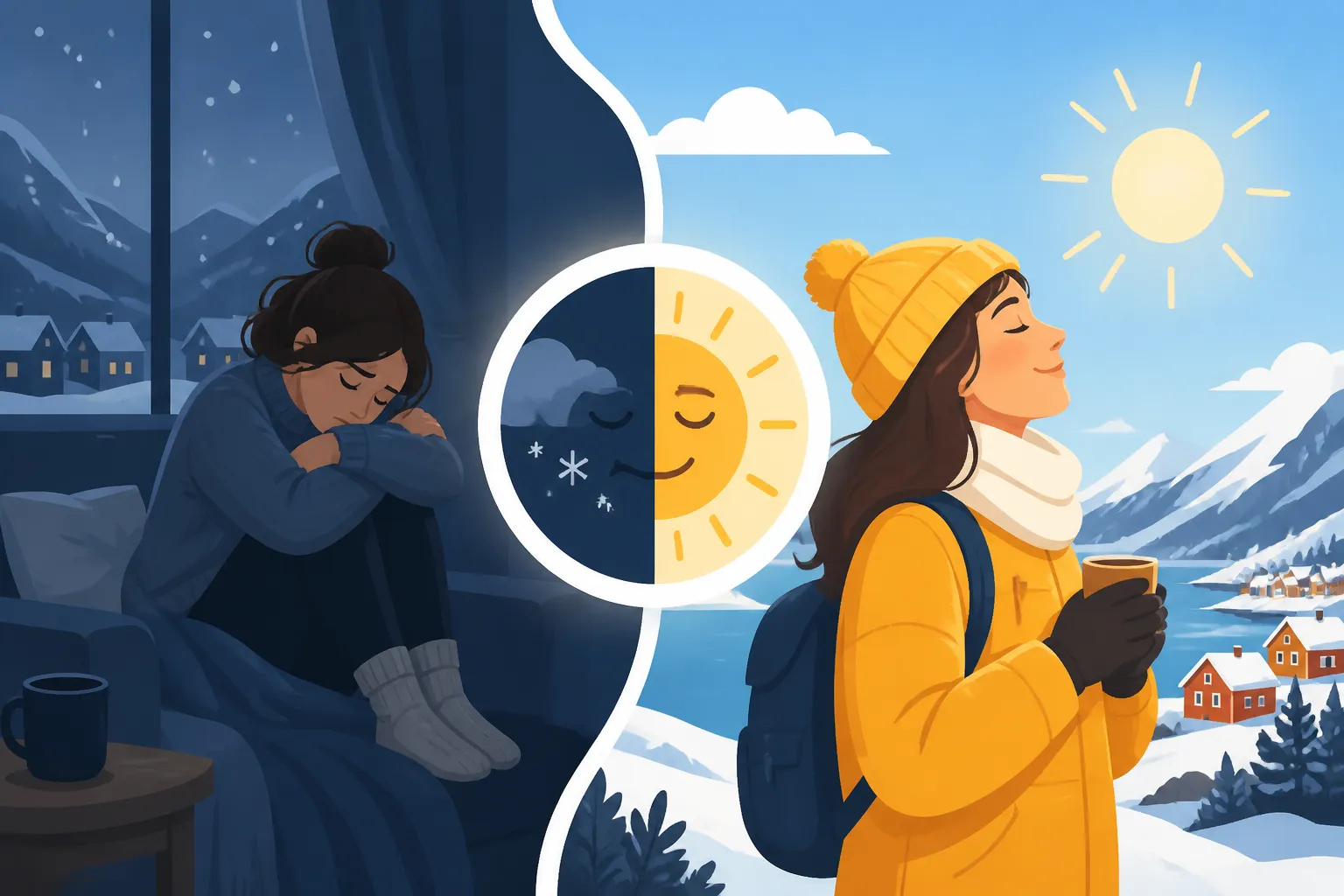
In Norway, especially once you move north of Oslo, the winter months bring a significant reduction in daylight. This isn't just about it being "dark out"; it is about the disruption of your circadian rhythm. When your body doesn't receive enough natural sunlight, your brain produces more melatonin—the sleep hormone—and less serotonin—the feel-good hormone. For many expats, this manifests as a persistent low mood, an intense craving for carbohydrates, and a desire to hibernate that interferes with work and social life.
The cultural transition often exacerbates these symptoms. While locals have grown up with the rhythm of the seasons, foreigners frequently find the lack of "light at the end of the tunnel" during January and February particularly grueling. It is important to validate that what you are feeling is a real biological response to a radical environmental shift. You aren't being "lazy" or "weak"; your body is struggling to find its equilibrium in a place where the sun might only appear for four hours a day, often hidden behind a thick layer of grey clouds.
Managing this requires a proactive approach. Many newcomers wait until they are in the depths of a depressive episode before seeking help, but in the Norwegian system, the key is preparation. Understanding Long-Term Care and Preventive Health in the Norwegian System can help you set up a framework before the darkness truly sets in. Whether it is through light therapy or specific dietary changes, addressing the biological deficit early is much more effective than trying to "power through" a Scandinavian winter.
Practical lifestyle adjustments and light therapy
One of the most effective tools in the expat arsenal against SAD is the light therapy lamp, often referred to as a "SAD lamp." These devices mimic natural sunlight and help reset your internal clock. To be effective, you generally need a lamp that provides 10,000 lux. Many veterans of the Norwegian winter swear by sitting in front of these for 20 to 30 minutes every morning while eating breakfast. It helps signal to your brain that the day has started, even if it is pitch black outside your window.
Beyond artificial light, the Norwegian concept of "friluftsliv" (open-air life) is actually a vital medical strategy. Even on cloudy days, the ambient light outdoors is significantly stronger than any indoor lighting. Making a point to go for a walk during the "blue hour"—that period of twilight around midday—can provide a much-needed serotonin boost. For those who are working remotely or traveling through the country, having flexible health coverage through providers like SafetyWing can offer peace of mind if you find that your physical health is being impacted by these environmental changes.
Dietary choices also play a massive role. In Norway, you will notice that supermarkets start stocking massive quantities of Tran (cod liver oil) as soon as the leaves fall. This isn't just tradition; it’s a necessity. Following specific Vitamin D Guidelines for Expats Surviving the Dark Season is perhaps the single most important thing you can do for your mood and immune system. Most expats require a much higher dose of Vitamin D than they would in their home countries, as the low angle of the sun in Norway makes it impossible for the skin to synthesize it naturally during winter.
Navigating the Norwegian healthcare system for mental support
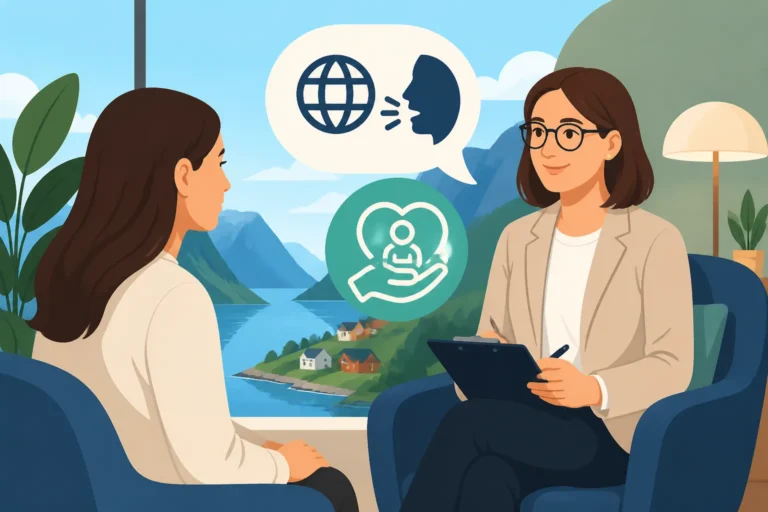
If lifestyle changes aren't enough and you find your mood dipping into a range that makes daily functioning difficult, it is time to engage with the public health system. Your first point of contact is always your GP, known here as a Fastlege. They are responsible for initial assessments and can order blood tests to rule out other issues like iron or B12 deficiencies, which often mimic the symptoms of SAD. Learning How to Book a Doctor’s Appointment Online Using BankID will make this process much faster, especially during the busy winter months.
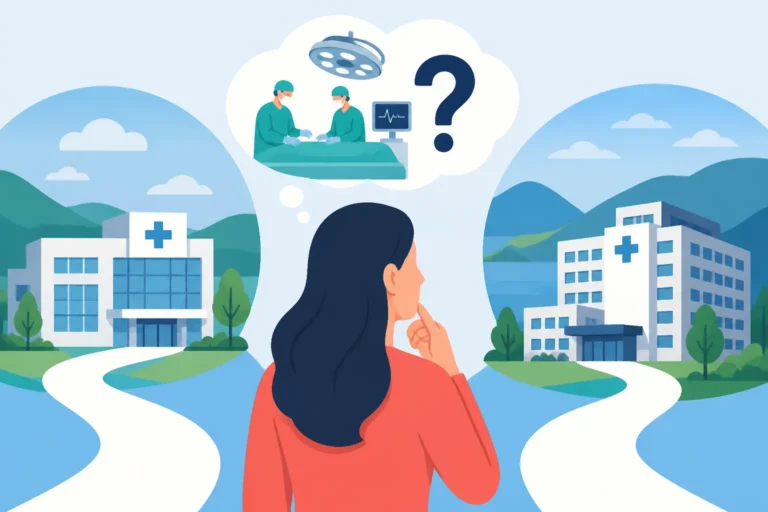
If your Fastlege determines that you need more specialized care, they can provide a referral. However, be aware that waiting times in the public system can be significant. Understanding Specialist Referrals in Norway: How the Waiting Times Work is crucial for managing your expectations. For those who need more immediate or consistent support, some expats choose to look into Private Health Insurance in Norway: Is It Worth the Extra Cost? to bypass the public queues. Providers like Cigna Global often offer more comprehensive mental health benefits that can include private therapy sessions, which might be easier to access in English.
For those who are not yet fully integrated into the national insurance scheme or are still waiting for their ID numbers, there are alternative routes. You should look into Healthcare Rights for D-Number Holders: Exclusions and Alternatives to see what your current status allows. If things become critical, you can always use the Legevakten (116 117): When and How to Use the Out-of-Hours Service for emergency psychiatric evaluation, though this is generally reserved for acute crises rather than ongoing SAD management.
| Strategy | Recommended Action | Expected Benefit |
|---|---|---|
| Light Therapy | 10,000 lux lamp for 30 mins every morning | Resets circadian rhythm and reduces morning grogginess |
| Vitamin D | Liquid Tran or high-dose supplements | Supports serotonin production and immune function |
| Physical Activity | 20-minute walk during the "Blue Hour" (11:00-13:00) | Maximizes exposure to natural ambient light |
| Social Connection | Scheduled coffee dates or "Dugnad" activities | Combats the isolation that worsens depressive symptoms |
| Professional Help | Consultation with a Fastlege for blood work | Rules out physical deficiencies and provides therapy referrals |
Building a Koselig environment and social toolkit
The Norwegian concept of "Koselig" is often translated as "cozy," but it is deeper than that. It is a defensive mechanism against the winter. It involves candles, warm blankets, soft lighting, and communal activities. When you are suffering from SAD, your instinct is to withdraw, but the Norwegian way is to lean into the community. Joining a local club or volunteering can be a lifesaver. You might want to learn about Norwegian Etiquette: Social Rules, Dugnad, and Making Local Friends to help break the ice in a culture that can sometimes feel as cold as the weather outside.
For many of us, the isolation of a foreign country combined with the darkness is what makes SAD so potent. Building a "winter ritual" that you actually look forward to—whether it is Sunday hikes or Tuesday evening board games—creates a structure that the darkness cannot penetrate. If your work-life balance is suffering, which is common when you lose your sense of time in the dark, you might find it helpful to read about Managing Work-Life Balance the Norwegian Way to ensure you are taking the time you need to recover.
If you find that your symptoms are leading to burnout, remember that the Norwegian labor law is very protective of employee health. You can speak to your GP about Getting Sick Notes (Sykemelding) from Your GP for Work if you truly need a period of rest. Additionally, for those who are struggling with more than just the "winter blues," knowing How to Get a Referral for Therapy (DPS) in Norway is essential for accessing long-term psychiatric support within the public sector.
When to seek help outside the public system
Sometimes, the wait for a public psychologist is simply too long when you are in the middle of a dark February. In these cases, many expats turn to private practitioners. While expensive, seeing a private therapist can provide immediate relief. If you have international coverage from a brand like Cigna Global, these costs might be partially or fully reimbursed. Another option for quick, non-emergency consultations is Using Private Video Consultations (Kry, Dr.Dropin) in Norway, which can be a good way to get a professional opinion without leaving your house on a freezing morning.
For digital nomads or those on shorter contracts who might not be eligible for the full range of Norwegian benefits, SafetyWing can provide a safety net for unexpected medical needs that arise during your stay. Regardless of your insurance situation, it is vital to have a plan. Don't wait for the first snowfall to think about your mental health. By combining the local wisdom of "Tran and trips to the woods" with the formal support of the Norwegian medical system, you can turn a season of endurance into a season of growth.
The transition to a Norwegian winter is a rite of passage for every expat. It challenges your biology and your mindset in equal measure. However, by being proactive with Healthcare Budgeting: The Frikort Exemption Card and User Fees and ensuring you have the right light and nutrients, you can maintain your well-being. The sun will eventually return, and when it does, the collective joy of the Norwegian spring is all the sweeter because of the darkness you successfully navigated.
Disclaimer
The information provided in this guide is for informational and educational purposes only and does not constitute professional medical advice, diagnosis, or treatment. Always seek the advice of your physician or other qualified health provider with any questions you may have regarding a medical condition. Never disregard professional medical advice or delay in seeking it because of something you have read in this article. The healthcare system in Norway is subject to change, and you should verify all administrative procedures with the official Helsenorge or UDI websites.