Family Health in Norway: Pregnancy, Childbirth, and Pediatric Care
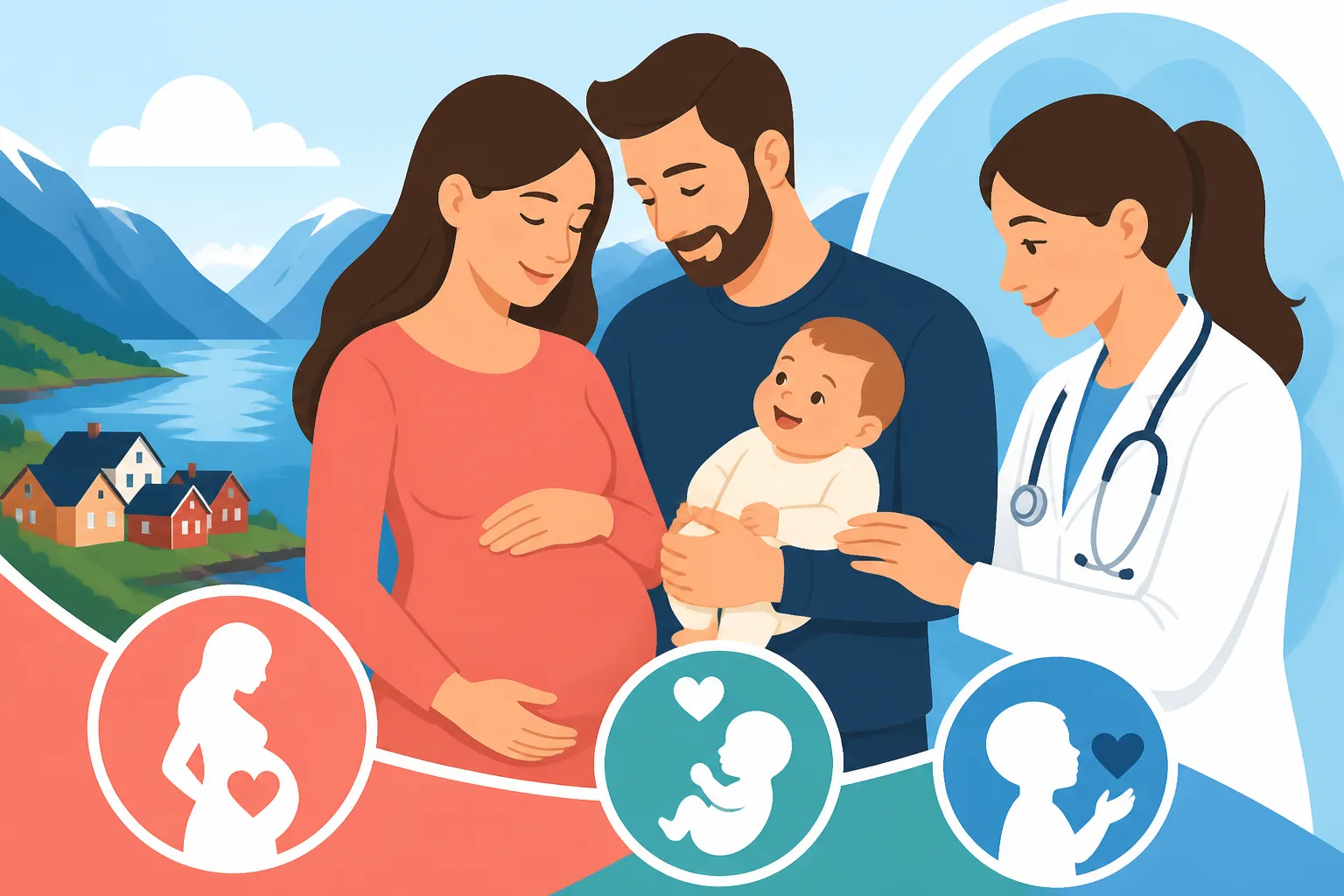
Navigating the maze of prenatal appointments and pediatric checkups in a foreign language is one of the most stressful experiences you can face as an expat. I remember the sheer panic of my first positive pregnancy test in Oslo, staring at a Dutch-designed bathroom tile and wondering how on earth I was supposed to register this with the Norwegian state. This guide provides a comprehensive roadmap for everything from your first midwife appointment to navigating childhood vaccinations, ensuring your family’s health is managed with confidence.
Understanding the Norwegian Maternity System
The Norwegian approach to maternity care is fundamentally different from the medicalized models found in the United States or parts of Southern Europe. Here, pregnancy is viewed as a natural life event rather than a medical condition. This means your journey will be led primarily by midwives (jordmor) rather than obstetricians, unless complications arise. For many of us coming from systems where every sneeze is met with an ultrasound, this "hands-off" approach can feel unnerving at first.
The Role of the Midwife versus the General Practitioner
In Norway, you have the right to choose between seeing your GP (Fastlege) or a midwife at your local health clinic (Helsestasjon). Most veterans will tell you to lean heavily on the midwife. While the GP is great for the clinical side—blood tests and sick notes—the midwives at the local clinic have the time to discuss the emotional and practical aspects of Family Health in Norway: Pregnancy, Childbirth, and Pediatric Care. They are the ones who will talk to you about your fears of giving birth in a country where you might not yet speak the language fluently.
When you first discover you are pregnant, your first step is usually to How to Register for a Fastlege (GP) on Helsenorge to ensure your records are up to date. You then book an "initial consultation" usually around week 8 to 12. My first midwife was a no-nonsense woman named Astrid who spent forty minutes explaining why I didn't need to worry about the lack of monthly ultrasounds. She was right, of course, but it took me a few months to embrace the Norwegian "calm."
Public System Inclusions and the Expat Reality
The public healthcare system in Norway is incredibly generous—maternity care is entirely free. From the moment you are pregnant until after the birth, you do not pay a single krone for consultations, scans, or the birth itself. This is part of the Folketrygden Basics: Who is Covered by the National Insurance Scheme system that we all contribute to via our taxes. However, the trade-off is a very standardized schedule of care. You get one routine ultrasound around week 18-20, and that’s it, unless there is a medical reason for more.
For many expats, this gap in "visual reassurance" is where frustration sets in. If you are used to seeing the baby every four weeks, the wait between week 12 and week 18 can feel like an eternity. This is why some choose to supplement their care with private clinics like Volvat or Aleris. While the public system is world-class for safety, the private sector offers that extra layer of "customer service" and frequent imaging that some of us need for peace of mind.
When to Consider Private Health Insurance
While the public system covers the essentials, some expat families prefer the flexibility of private insurance. Brands like Cigna Global are frequently used by international families who want the option of seeing specialists without a long wait or who desire a private room in a hospital that might not be guaranteed in the public system. Cigna Global can be particularly useful if you are a "D-number" holder and are still navigating your full rights within the National Insurance Scheme.
Similarly, if you are in Norway on a shorter-term basis or are waiting for your residency paperwork to clear, a plan from SafetyWing can provide a safety net. SafetyWing is often favored by digital nomads or those on shorter work assignments who need coverage that bridges the gap before they are fully integrated into the Norwegian healthcare system. Having this private backup means you can access private gynecologists for that early 6-week reassurance scan without worrying about the out-of-pocket costs, which can be substantial in Norway.
Pregnancy Care Step-by-Step
Once you are in the system, the Norwegian "Helsekort for gravide" (Maternity health card) becomes your most important document. It’s a physical piece of paper—yes, even in digital Norway—that tracks your blood pressure, weight, and baby’s heart rate. You must carry this with you everywhere, especially if you travel within Norway, as it contains all the vital data a doctor would need in an emergency.
The First Appointment and Registration
Your first official appointment, usually called the "første svangerskapskontroll," involves a lot of paperwork and blood tests. This is when the health card is issued. Your doctor will check your iron levels, vitamin D, and screen for various infections. Because of the long, dark winters, many expats are surprised to find they are severely vitamin D deficient, which is something the Norwegian system monitors closely.
If you are currently working, this is also the time to discuss your rights regarding Getting Sick Notes (Sykemelding) from Your GP for Work. Norway is very protective of pregnant workers. If your job involves heavy lifting or high stress that could harm the pregnancy, your GP can facilitate "tilrettelegging" (workplace adjustments) or put you on partial sick leave. Many employees move to a 50% schedule in their third trimester, and it is viewed as a responsible health choice rather than a lack of commitment.
Routine Scans and Screenings
The "Ordinary Ultrasound" (ordinær ultralyd) around week 18 is a major milestone. This scan is not just about finding out the sex of the baby; it is a thorough medical examination of the heart, brain, and organs. In Norway, this is typically done at the hospital where you are scheduled to give birth. It’s a very professional, clinical experience. You’ll receive more information on this via Maternity Care in Norway: Prenatal Appointments, Scans, and Midwives, which details exactly what the sonographers are looking for.
If you are over 35, the system automatically offers additional screening, such as the NIPT test and early ultrasound. For those under 35, these tests were previously only available privately, but rules have been shifting to make them more accessible. If you find the public wait too long or don't meet the age criteria but want the testing for peace of mind, this is another instance where having a policy with Cigna Global can help cover the costs of private screening at a specialized clinic.
Managing Health Concerns and Language Barriers
One of the biggest hurdles is the terminology. While most Norwegian medical professionals speak excellent English, the nuances of medical terms can be tricky. You have a legal right to a medical interpreter if you do not understand the information being given. Do not be "too polite" to ask for one; it is a standard part of Patient Rights: How to File a Complaint with the Health Authority and ensures you are giving informed consent for all procedures.
Gestational diabetes is also monitored via a "glucose tolerance test" (glukosebelastningstest) if you have certain risk factors. Be prepared: this involves drinking a very sugary liquid on an empty stomach and waiting at the clinic for two hours. It’s a rite of passage for many pregnant women in Norway. If you do test positive, the follow-up care is excellent, involving dietary counseling and close monitoring by The Fastlege Scheme: Navigating Norway’s GP System.
Giving Birth in Norway
The day you go into labor is when you truly see the efficiency—and the quirks—of the Norwegian system. Unlike some countries where you might head to the hospital at the first contraction, in Norway, the instruction is almost always: "Stay at home as long as possible." You will be in constant phone contact with the birth ward, and they will tell you exactly when to get in the car or taxi.
Choosing a Hospital and the Fødeplass
In Norway, you are technically assigned a "birth place" (fødeplass) based on where you live, but you have the right to "Fritt sykehusvalg" (Free hospital choice). In Oslo, the competition for places at Rikshospitalet or Ullevål can be fierce, and your GP or midwife will usually apply for your spot during your first trimester. You can find more details on this process in Norwegian Hospitals: Inpatient Care, Outpatient Care, and Patient Choice.
If you live in a more rural area, your options might be limited, but the quality of care remains consistently high. Some hospitals offer specialized "natural" birth wards, such as "Fødeloftet" in Stavanger or "ABC-klinikken" (though its status has been subject to change), which focus on water births and minimal intervention. If you have a high-risk pregnancy, you will be directed to the larger regional hospitals that have specialized neonatal intensive care units (NICU).
The Hospital Experience: Wards and Pain Relief
When you arrive at the hospital, you are assessed in a triage room. If you are in active labor, you are moved to a delivery room. The philosophy here is to support the mother’s wishes, but there is a strong cultural preference for movement and natural pain relief (like acupuncture or warm baths) before moving to an epidural. However, Giving Birth in a Norwegian Hospital: Pain Relief and Postpartum Stays notes that epidurals and laughing gas (entonox) are widely available if you ask for them.
After the birth, you will typically stay in a "barselhotell" (maternity hotel) or a maternity ward for 2 to 3 days. The maternity hotel is a fantastic halfway house where you have a private room with your partner and baby, but midwives are just a buzzer-press away. It’s important to note that while the mother’s stay is free, partners usually pay a small nightly fee for their stay and meals at the hotel.
Cultural Expectations and the Hospital Matpakke
Here is a veteran tip: Norwegian hospitals provide basic food—lots of open-faced sandwiches with brown cheese (brunost) and liver pâté. If you are an expat craving a hot, spicy meal or something more substantial after the marathon of labor, you should have your partner bring food or use a delivery app like Wolt. Also, the hospital provides the basics for the baby (diapers and onesies) while you are there, but you’ll need your own outfit for the "hentesett" (the outfit the baby wears to go home).
Many expats find the "do-it-yourself" nature of the maternity hotel a bit shocking. You are expected to change your own diapers and fetch your own water. The midwives are there for medical checks and breastfeeding support, but they won't "nursery" your baby so you can sleep. It’s a crash course in parenting that, while exhausting, really helps with the bonding process before you head home.
Postpartum Support and the Critical Weeks After
Once you leave the hospital, you aren't just left to fend for yourself. The "Helsestasjon" system takes over. Within the first few days of being home, a midwife or nurse from your local clinic will actually come to your house. This was a life-saver for me; having someone check the baby’s weight and my own physical recovery in the comfort of my living room made the transition so much easier.
Home Visits and Early Support
The initial home visit is focused on ensuring the baby is feeding well and that the mother is recovering. In Norway, there is a massive emphasis on breastfeeding (amming). While the support is excellent, it can sometimes feel a bit "pro-breastfeeding" to a fault. If you are struggling or choosing to formula feed, be firm about your needs. The nurse will also check for signs of jaundice and ensure you know how to contact the Legevakten (116 117): When and How to Use the Out-of-Hours Service if the baby develops a fever.
For more information on what to expect during these early days, refer to Postpartum Home Visits: What the Helsestasjon Nurse Checks. They will also discuss the importance of "D-dråper" (Vitamin D drops), which every baby in Norway is expected to take daily from one week old. This is non-negotiable in the eyes of Norwegian pediatricians due to the lack of sunlight.
Mental Health After Birth
Postpartum depression and anxiety are taken very seriously in the Norwegian healthcare system. At your checkups, the nurse will often use the Edinburgh Postnatal Depression Scale to see how you are doing. Being an expat increases your risk due to the lack of a local "village" or family support. If you are struggling, the Helsestasjon can refer you to psychologists or support groups for new mothers.
If you find that the public waiting lists for mental health support are too long, this is where having a private policy from SafetyWing or Cigna Global is invaluable. They can often provide quicker access to English-speaking therapists who understand the specific stresses of international relocation combined with new parenthood. For a deeper dive into these resources, check Mental Health in Norway: Accessing Therapy and Psychiatric Care.
Parental Leave and the Health Connection
Your health and the baby’s health are intrinsically linked to the generous parental leave system in Norway (Foreldrepenger). To qualify, you generally need to have worked for 6 of the last 10 months. The system allows for a "mødrekvote" (mother’s quota), a "fedrekvote" (father’s quota), and a shared period. This time is crucial for the physical and mental recovery of the family unit.
If you or the baby are ill during your leave, you can actually "pause" your parental leave and switch to sick leave, saving your precious "Foreldrepenger" days for when you are healthy enough to enjoy them. This requires a Getting Sick Notes (Sykemelding) from Your GP for Work and clear communication with NAV. It’s a level of flexibility that many of us from other countries find hard to believe, but it’s a standard right in the Norwegian system.
Pediatric Care and the Helsestasjon System
In Norway, you don't take your child to a pediatrician for routine checkups. Instead, you go to the "Helsestasjon" until the child is of school age. These clinics are staffed by specialized pediatric nurses (helsesykepleier) and doctors who visit on specific days. It is a highly organized, preventative system that tracks growth, motor skills, and social development.
The Function of the Health Clinic
The Helsestasjon follows a strict schedule: 6 weeks, 3 months, 4 months, 5 months, 6 months, and so on. At each visit, the baby is weighed and measured, and you have time to ask questions about sleep, solid foods, and behavior. The system is designed to catch developmental delays early. If the nurse sees anything of concern, they will refer you to a specialist at the hospital.
One thing expats often love—and sometimes hate—is the "Barselgruppe" (baby group) that the Helsestasjon organizes. They pair you with other parents in your neighborhood who had babies around the same time. It’s a great way to make friends, though it can be hit-or-miss if you don't yet speak Norwegian. You can find more about how these clinics operate in Helsestasjon: Norway’s Free Child Health Clinics and Vaccination Program.
Comparison of Pediatric Care Milestones in Norway
| Age | Provider | Key Focus | Vaccinations |
|---|---|---|---|
| 7-10 Days | Nurse | Home visit, weight check, feeding | None |
| 6 Weeks | Doctor & Nurse | Physical exam, hips, eyes, "smile" | Rotavirus (oral) |
| 3 Months | Nurse | Motor skills (tummy time), weight | 6-in-1, Pneumococcal |
| 5 Months | Nurse | Social contact, hearing, weight | 6-in-1, Pneumococcal |
| 6 Months | Doctor & Nurse | General health, growth curve | Rotavirus (2nd dose) |
| 10 Months | Nurse | Language, pincer grasp, diet | None |
| 12 Months | Doctor & Nurse | Walking, social skills, height | 6-in-1, Pneumococcal |
| 15 Months | Nurse | Cognitive development, diet | MMR (Meslinger/Kusma/Røde hunder) |
Childhood Vaccination Schedule
The Norwegian vaccination program is voluntary but has a very high uptake (over 90%). The schedule is designed to protect against major diseases while minimizing the number of injections. As an expat, if your child started their vaccinations in another country, bring their records to the Helsestasjon. The nurses will map them against the Norwegian schedule and tell you if any "catch-up" doses are needed.
The 15-month MMR vaccine is a big one, and the nurses are very good at explaining the risks and benefits. If you're curious about the specifics of what is covered, see Childhood Vaccine Schedule in Norway: What Parents Must Know. Most vaccinations are administered by the nurses at the Helsestasjon, and like all pediatric care in the public system, they are free of charge.
Costs, Budgeting, and Insurance
While the big-ticket items like birth and vaccinations are free, there are still costs to manage. Understanding how the Norwegian system handles "user fees" for children is vital for your monthly budget. Generally, children under the age of 16 are exempt from most healthcare costs, including GP visits and many medications.
The Free Nature of Public Care for Children
If your child needs to see a GP or an out-of-hours doctor at the Legevakt, you do not pay the "egenandel" (user fee) that adults have to pay. Even the medications they are prescribed are often covered under the "Blue Prescription" scheme if the illness is chronic. You can track your family's spending and exemptions through the Helsenorge portal, and once an adult hits the Healthcare Budgeting: The Frikort Exemption Card and User Fees limit, their care becomes free as well.
However, "free" doesn't always mean "fast." For non-emergency issues, such as a persistent skin rash or a minor allergy, the wait for a public specialist can be months. This is another area where Cigna Global or SafetyWing can be a lifesaver. These plans allow you to bypass the public waitlist and take your child to a private dermatologist or allergist immediately, with the costs reimbursed by your insurer.
Dental Care for Children
One of the best perks of living in Norway is the dental care for children. From birth until the end of the year they turn 18, all dental care is 100% free at public dental clinics (Tannklinikk). This includes everything from routine cleanings to fillings and even some orthodontic work if the need is medically justified.
It’s important to note that you don't go to your regular dentist for this; you must go to the public clinic assigned to your municipality. For more details on what is included and how to find your local clinic, refer to Dental Care for Children in Norway: Free Public Dental Services. If your child needs braces for purely cosmetic reasons, you may have to pay a portion of the costs, but even then, there are often subsidies available for young adults.
Supplementary Insurance for Peace of Mind
Despite the excellence of the public system, many expat families choose to keep a private policy. SafetyWing is a popular choice for those who travel frequently, as it provides coverage both in Norway and when you are visiting home or vacationing abroad. Public Norwegian insurance (Folketrygden) provides some coverage in the EU via the EHIC card, but it doesn't cover things like medical evacuation, which SafetyWing does.
Cigna Global offers more comprehensive, long-term "gold standard" coverage. This is particularly popular for families who want a single point of contact for all their medical needs and who prefer the luxury of private hospitals and the ability to choose their own specialists without needing a referral from a The Fastlege Scheme: Navigating Norway’s GP System. For many, the peace of mind that comes with knowing they can access care in English, on their own timeline, is worth the monthly premium.
Pediatric Emergencies and Specialized Care
No matter how careful you are, there will be a 2 AM fever or a playground tumble that requires immediate attention. Knowing where to go and who to call can mean the difference between a calm resolution and a traumatic night. In Norway, the emergency system is tiered based on the severity of the situation.
Dealing with High Fever and Rashes
If your child is unwell but it isn't life-threatening, your first call should be to your GP during office hours. After hours, you call the national "Legevakt" number: 116 117. They will do a "triage" over the phone and tell you if you need to come in. Be warned: the wait times at the Legevakt in cities like Oslo or Bergen can be several hours.
For more serious but non-life-threatening issues, you head to the pediatric emergency room (Barnelegevakten). It’s helpful to read Emergency Medical Care in Norway: 113, Legevakten, and Hospitals before you need it. I always kept a "emergency bag" packed with the child’s health card, a favorite toy, and some snacks, because once you are in the triage system, you might be there for a while.
Specialized Referrals for Kids
If your child has a chronic condition like asthma or a heart murmur, the GP will refer you to a specialist. The waiting times for children are generally shorter than for adults, but they can still be significant. You can check the expected wait times for different hospitals on the "Velg behandlingssted" website.
If the wait is too long, you can use your right to Specialist Referrals in Norway: How the Waiting Times Work to look for hospitals in other parts of the country with shorter queues. Or, if you have private insurance through Cigna Global, you can simply book an appointment with a private specialist and have the child seen within days. This is especially common for things like ear-tube (grommet) surgery, where the public wait can sometimes impact a child's speech development.
Calling 113: When to Use the Ambulance
In a life-threatening emergency—difficulty breathing, loss of consciousness, or severe injury—call 113 immediately. The operators speak English and are incredibly calm. The ambulance service in Norway is world-class and, importantly, it is free for everyone, including tourists and expats.
You can learn more about how the emergency dispatch works in Calling 113: Ambulance Services and Life-Threatening Emergencies. One thing that surprised me as an expat is that the ambulance doesn't always take you to the nearest hospital; they take you to the hospital that is best equipped to handle your child's specific medical emergency. Trust the system; it is one of the most reliable parts of living in Norway.
Medical Disclaimer
The information provided in this guide is for informational purposes only and does not constitute professional medical advice, diagnosis, or treatment. Always seek the advice of your physician, midwife, or other qualified health provider with any questions you may have regarding a medical condition or the health of your child. The Norwegian healthcare system is subject to frequent policy changes, and you should always verify the latest regulations on the official Helsenorge or UDI websites.