Getting ADHD Medication in Norway: Diagnostic Proof Required
Moving to Norway with ADHD can feel like hitting a bureaucratic brick wall when you realize your "routine" prescription isn't so routine here. I remember the panic of staring at my last blister pack of Vyvanse, realizing that a simple pharmacy transfer wasn't an option in the Land of the Midnight Sun. This guide solves the complex puzzle of transferring your ADHD care to the Norwegian system.
The Reality of Moving to Norway with ADHD
When you first arrive, you might assume that a valid prescription from your home country and a quick chat with a local doctor will keep your treatment on track. Unfortunately, Norway treats ADHD stimulants—known here as A-preparater or Schedule II controlled substances—with an incredible amount of caution. The Norwegian Directorate of Health has strict guidelines that often require a "re-validation" of your diagnosis by a Norwegian specialist before a local pharmacy can dispense your medication.
This is often the first major culture shock for expats. In many countries, a General Practitioner (GP) can manage ADHD titration and maintenance. In Norway, the power to initiate or even "take over" the management of stimulant medication is strictly reserved for specialists, usually psychiatrists or neurologists. If you are just starting your journey here, you should familiarize yourself with The Fastlege Scheme: Navigating Norway’s GP System to understand how your primary doctor fits into this hierarchy.
The frustration is real. You might have been on the same dosage for a decade, yet the system will treat you like a new patient until the paperwork is perfectly aligned with Norwegian standards. This isn't because they doubt your condition; it is a systemic safeguard against the over-prescription of stimulants. You are moving into a system that prioritizes long-term stability and rigorous documentation over immediate convenience.
The Gold Standard of Norwegian Diagnosis
To get a prescription in Norway, your previous diagnostic report must meet specific criteria. It isn't enough to have a note from a doctor saying you have ADHD. The Norwegian system looks for a comprehensive "utredning" or assessment. This typically includes childhood history, school reports, standardized testing (like the DIVA-5), and a clinical interview that rules out co-morbidities like anxiety or depression.
If your original diagnosis was made years ago with a simple 15-minute consultation, you may find that Norwegian specialists consider it "incomplete." They want to see the raw data and the specific diagnostic tools used. If you are currently covered by international plans like Cigna Global, you might have access to resources that can help you gather this documentation from your home country before you make the move, which is a massive advantage.
Why Your Home Country Diagnosis Might Not Be Enough
Norway operates under the principle of "specialist initiation." This means that even if you have a perfect dossier of evidence, a Norwegian specialist must personally sign off on the first Norwegian prescription. If your home country is outside the EU/EEA, the scrutiny is even higher. The medical board needs to ensure that the medication you are taking is actually approved for use in Norway. While Ritalin and Concerta (Methylphenidate) are common, certain versions of Adderall (Mixed Amphetamine Salts) are not standard and require a special application for "Godkjenningsfritak" (an exemption from the Norwegian Medicines Agency).
Step by Step How to Get Your Prescription Transferred or Renewed
The process is a marathon, not a sprint. The moment you get your Norwegian personal number or D-number, you need to start this process. Do not wait until you have two weeks of medication left; the waiting lists can be months long. If you are still in the early stages of your move, checking Healthcare Rights for D-Number Holders: Exclusions and Alternatives is essential to see what you can access immediately.
The Role of the Fastlege
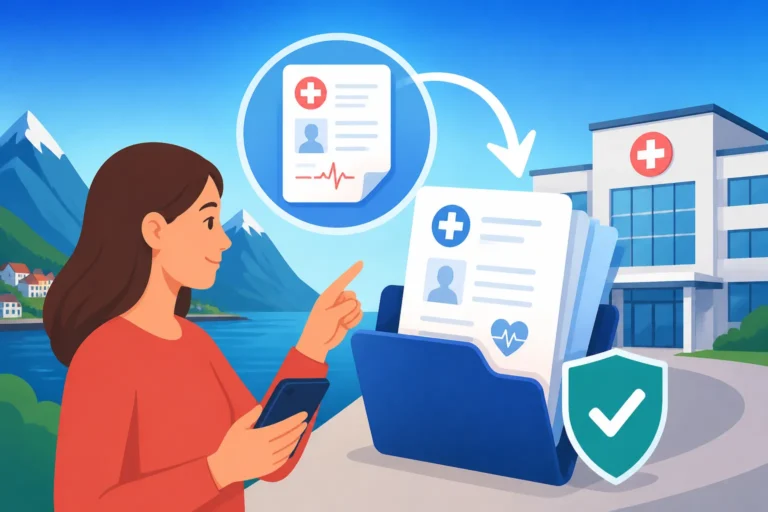
Your first port of call is always your Fastlege (GP). Even though they cannot write the prescription for ADHD stimulants themselves initially, they are the gatekeepers. You must present your GP with every scrap of medical history you have. I suggest bringing a physical folder with a translated summary of your diagnosis.
The GP's job is to write a "henvisning" or referral to a specialist. If your paperwork is solid, they will send this to the District Psychiatric Center (DPS). However, if your GP feels your documentation is lacking, they might ask you to undergo a new preliminary assessment at the clinic level. Be prepared for a blood test and sometimes an ECG, as Norwegian doctors are very thorough about checking your heart health before authorizing stimulants.
Navigating the Specialist Referral
Once the referral is sent, you enter the "venteliste" or waiting list. This is often the most stressful part of the process. You can track these timelines via Specialist Referrals in Norway: How the Waiting Times Work. If you are using the public system, the wait can range from three months to over a year depending on your municipality.
During this window, you might find yourself in a "medication gap." This is where a plan from SafetyWing or similar expat-focused providers can be a lifesaver, as they often provide the flexibility to seek private consultations. A private psychiatrist in Norway can see you much faster—sometimes within a week—but you will pay significantly more out of pocket. Crucially, a private specialist still follows the same Norwegian law; they must validate your diagnosis before they can write a prescription.
Moving from Specialist Back to GP
Once a specialist (either public or private) has established your treatment plan and confirmed you are on a stable dose, they can issue a "specialist declaration." This document gives your Fastlege the legal authority to take over the routine prescribing of your medication. This is the goal. Once this is in place, you can simply order your refills through the Helsenorge app. To understand how the electronic side of this works, read up on Pharmacies and Prescriptions in Norway: White vs Blue Slips.
Understanding Controlled Substances in Norway
ADHD medications like Ritalin, Aduvanz, and Elvanse are classified as "A-preparater." This classification changes everything about how they are handled, from how they are stored in the pharmacy to how you carry them across borders.
Rules for Bringing Medication Across the Border
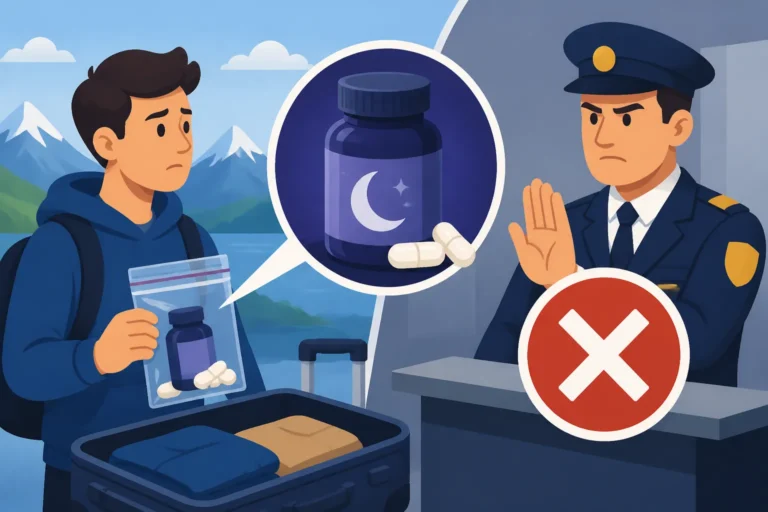
If you are moving to Norway, you are allowed to bring a certain supply of your current medication with you. If you are coming from a Schengen country, you can usually bring up to a 30-day supply, provided you have a "Schengen Certificate" from your local pharmacy or doctor. If you are coming from outside the Schengen area (like the US, UK, or Australia), the rules are stricter. You generally need a very detailed letter from your doctor and may only be allowed a small amount for personal use during transit. Always verify the latest regulations in Bringing Medication into Norway: Customs Rules and Schengen Certificates.
Blue vs White Prescriptions for ADHD
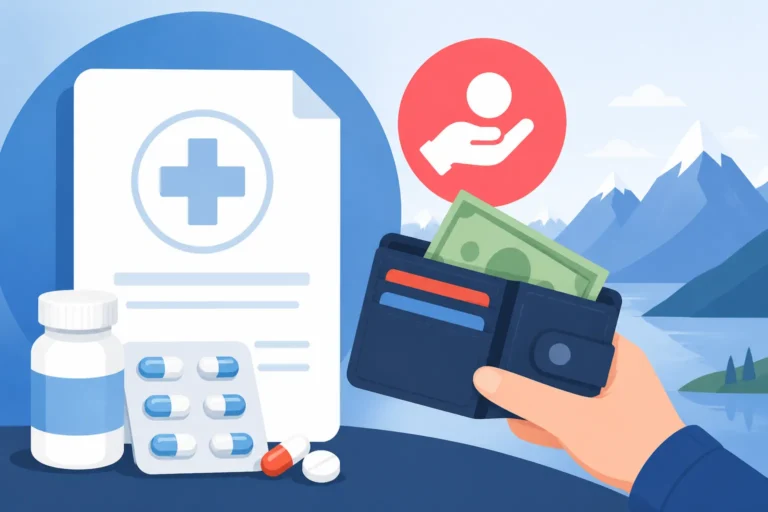
In Norway, most ADHD medications are covered under the "Blå resept" (Blue Prescription) scheme. This means the government (via Helfo) pays for the bulk of the cost, and you only pay a small "egenandel" or user fee. However, to get a Blue Prescription, the specialist must prove that your need is chronic (expected to last more than three months) and that the medication is necessary for your daily functioning.
If the medication is not yet "pre-approved" for your specific age group or condition by the Norwegian Medicines Agency, you might initially be given a "Hvit resept" (White Prescription), where you pay the full price. You can later apply for reimbursement. For a breakdown of how these costs add up, check Blue Prescriptions (Blå Resept): Subsidized Medication for Chronic Illness.
Practical Tips for the Waiting Period
What do you do if the system is moving too slowly and you are about to run out of medication? This is a common expat nightmare. First, talk to your Fastlege about a "temporary" solution. Sometimes, if the documentation is clear, a GP can consult with a specialist over the phone to get emergency authorization for a small supply, but this is rare and not guaranteed.
Private vs Public Speeding Up the Process
If you have the financial means or a high-quality international insurance plan like Cigna Global, going private is the most effective way to skip the DPS queues. A private psychiatrist in Oslo or Bergen can perform the necessary "re-validation" of your diagnosis and get you a Norwegian prescription quickly. Once you have that first prescription from a private specialist, your public Fastlege can usually take over the refills, moving you back into the public (subsidized) system for the long term. If you are considering this route, look into Can I See a Private Specialist Without a Fastlege Referral? to understand the logistics.
Dealing with Pharmacies and Brand Names
Be aware that brand names differ. What you call Vyvanse in the US is called Elvanse or Aduvanz in Norway. The active ingredient is the same (Lisdexamfetamine), but the packaging and manufacturer might vary. Norwegian pharmacists are generally very helpful and speak excellent English, but they are legally bound by what is written on the prescription. If your prescription says "Aduvanz," they cannot give you "Elvanse" without a specific "substitution" authorization from the doctor.
| Feature | Public System (DPS) | Private System |
|---|---|---|
| Wait Time | 3 to 12+ months | 1 to 4 weeks |
| Cost | Minimal (User fee capped by Frikort) | High (NOK 2,500 – 5,000 for assessment) |
| Coverage | Blue Prescription (Subsidized) | Initially White (Full price), then Blue |
| Referral Needed | Yes, from Fastlege | Often no, but recommended |
| Long-term Care | Managed by Fastlege | Eventually transferred to Fastlege |
Seeking Support During the Transition
The mental toll of navigating this while potentially unmedicated or under-medicated is significant. Norway has excellent resources for mental health, but you have to be your own advocate. If you find your mental health declining due to the stress of the move or the ADHD management process, do not hesitate to reach out for Mental Health in Norway: Accessing Therapy and Psychiatric Care.
If you find yourself in a crisis situation where your lack of medication is causing a severe health risk, you can contact Legevakten (116 117): When and How to Use the Out-of-Hours Service. While they are unlikely to give you a full month's supply of stimulants, they can provide emergency guidance and support.
Remember, the "Norwegian way" is built on trust and documentation. If you approach the system with patience and a mountain of organized paperwork, you will eventually get the care you need. It took me six months to fully transition my care, but once I was in the system, it became incredibly smooth and affordable. Hang in there; once the "Frikort" kicks in and your GP handles your monthly refills via Helsenorge, the struggle of these first few months will feel like a distant memory.
Disclaimer
This guide is for informational purposes only and does not constitute professional medical or legal advice. Norwegian healthcare regulations and "A-preparater" laws are subject to change. Always consult with a licensed Norwegian medical professional (Fastlege or specialist) and refer to the official UDI or Helsenorge websites for the most current information regarding medication and residence rights. Regardless of your insurance coverage with providers like SafetyWing or Cigna Global, you must adhere to Norwegian national laws regarding controlled substances.