Is Calling an Ambulance (113) Free in Norway?
Staring at a phone with a medical emergency unfolding in front of you is a terrifying moment, especially when you are in a country where you don't fully understand the billing system. I remember my first winter in Oslo, watching a neighbor collapse on the ice and hesitating for a split second, wondering if a 113 call would result in a massive bill I couldn't afford. This guide solves that uncertainty by explaining exactly how the Norwegian ambulance system works, who gets the bill, and why you should never hesitate to call in a crisis.
Understanding the Norwegian Emergency Response System
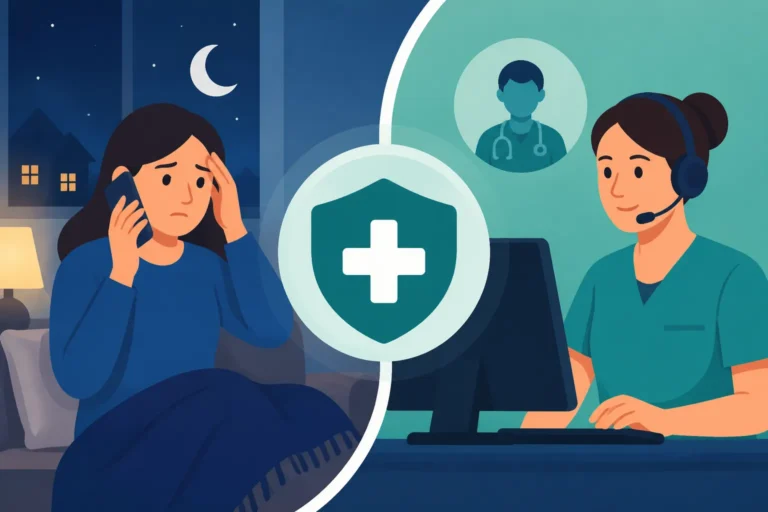
In Norway, the emergency medical system is designed around the principle of universal access based on medical need, not the ability to pay. When you dial 113, you are connected to the Medical Emergency Communication Center (AMK). These operators are highly trained nurses or paramedics who use a standardized triage system to determine the level of urgency. It is important to distinguish this from the 116 117 number, which is the national out-of-hours medical service. Knowing the difference can save you time and ensure the right resources are deployed.
If you are experiencing a life-threatening situation, such as chest pain, difficulty breathing, or severe trauma, Calling 113: Ambulance Services and Life-Threatening Emergencies is your only course of action. The AMK dispatcher will decide whether to send a "yellow" response (urgent but not life-threatening) or a "red" response (acute, blue lights and sirens). In some rural areas or for specific conditions like strokes or mountain accidents, they may even dispatch a helicopter.
A common point of confusion for expats is the "Legevakt." If your situation is semi-urgent but not an immediate threat to life or limb—think a high fever that won't break or a deep cut that needs stitches—you should call Legevakten (116 117): When and How to Use the Out-of-Hours Service. The staff there can also dispatch a mobile doctor or, if they realize your condition is worse than expected, coordinate with 113 to get an ambulance to you.
Is the Ambulance Truly Free for Expats and Residents
The short answer for anyone living and working in Norway is yes. If you are a member of the National Insurance Scheme, emergency ambulance transport is entirely free of charge. This includes road ambulances, boat ambulances in the fjords, and the air ambulance service. There is no "co-pay" or user fee for the transport itself. Many newcomers worry about this because of how systems work in the US or other private-heavy markets, but here, the state views emergency transport as an extension of the hospital.
To qualify for this "free" status, you generally need to be covered by Folketrygden Basics: Who is Covered by the National Insurance Scheme. Most expats become members automatically the moment they are legally employed or have lived in the country for more than 12 months with a valid residence permit. Even if you haven't received your physical health card yet, as long as you have a Fødselsnummer (national ID number), your membership is active in the system used by the hospitals and the AMK.
However, it is vital to understand that while the ride is free, subsequent treatments might not be. Once you arrive at the hospital, the rules for User Fees (Egenandel) for Doctor Visits Before Reaching Frikort Status apply. While inpatient hospital stays are free for members, outpatient consultations or emergency room visits at the Legevakt usually require a small user fee. This fee counts toward your annual limit for the Understanding the Frikort: The 2026 Healthcare Exemption Card Limit, after which all public health services become free for the remainder of the year.
| Category of Person | Cost of Emergency Ambulance (113) | Responsible for Payment |
|---|---|---|
| Norwegian Residents (Folketrygden) | 0 NOK | Fully covered by the State |
| EU/EEA Tourists (with EHIC) | 0 NOK | Reciprocal agreements |
| Non-EU Tourists (No Insurance) | Variable (Full Cost) | The Individual / Private Insurance |
| Skilled Workers (Pending Registration) | 0 NOK* | Usually covered retrospectively |
Medical Emergencies for Tourists and Short-Term Visitors
If you are in Norway on a tourist visa or a short-term D-number, the situation is slightly different. For those from the EU, EEA, or Switzerland, the European Health Insurance Card (EHIC) is your golden ticket. By presenting this, you are treated under the same conditions as a Norwegian resident, meaning the 113 ambulance service remains free at the point of delivery. You can read more about this in our guide on EHIC and GHIC in Norway: Using European Health Insurance.
For visitors from outside the EU—such as the US, Australia, or India—the Norwegian state technically has the right to bill you for the full cost of the ambulance transport. These costs are not insignificant; a standard road ambulance trip can cost several thousand kroner, and an air ambulance flight can easily reach six figures. This is why having robust travel insurance is non-negotiable.
Brands like SafetyWing are specifically tailored for nomads and long-term travelers who might find themselves between systems. Similarly, Cigna Global offers comprehensive international health insurance that covers emergency evacuations and ambulance services, ensuring you aren't left with a life-altering debt after a medical crisis. In practice, the paramedics will never ask for a credit card before putting you in the vehicle, but the billing department at the hospital will follow up with you or your insurance provider afterward. You can find more details on how this works in our article on Tourist Medical Care: What Happens if You Get Sick in Norway.
What to Expect When the Ambulance Arrives
The paramedics in Norway are highly skilled professionals, many of whom have advanced degrees in pre-hospital care. When they arrive, their primary goal is stabilization. One thing that often surprises expats is the calm, methodical pace they maintain. Don't mistake this for a lack of urgency; it is part of the "Scandinavian clinical" approach to reduce patient stress.
If you are worried about the language barrier, don't be. Almost all medical professionals in Norway speak excellent English. During a high-stress 113 call, the dispatchers are also trained to handle English-speaking callers. For more complex interactions at the hospital, you have a legal right to Medical Interpreters in Norway: How to Request One for Free, though this is rarely necessary for the initial ambulance transport.
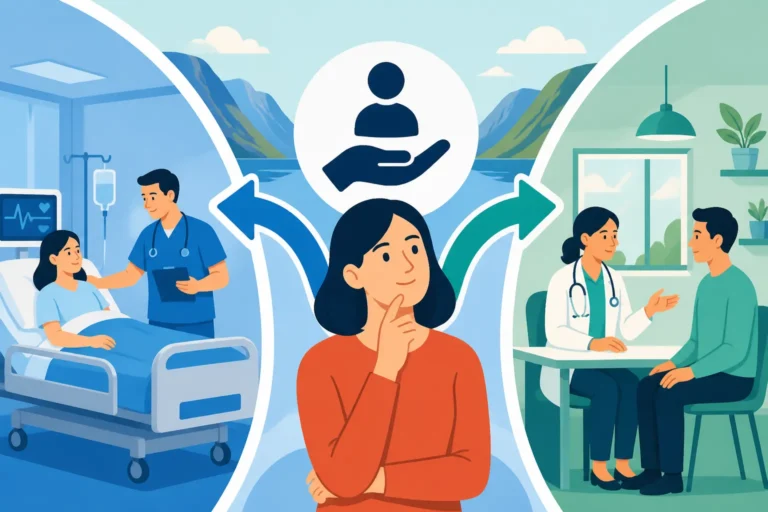
Once you are in the ambulance, they will transport you to the nearest appropriate facility. This might be a major regional hospital or a specialized Emergency Medical Care in Norway: 113, Legevakten, and Hospitals hub. You usually do not get to choose which hospital you are taken to in an emergency; the AMK dispatcher and the paramedics make that decision based on your medical needs and current capacity at the local facilities.
Non-Emergency "Patient Transport" (Syketransport)
It is important to distinguish between the emergency 113 ambulance and "Syketransport." Sometimes, a doctor will decide that you need to be moved between a clinic and a hospital, or from your home to a specialist appointment, but you don't require "blue light" intervention. In these cases, the transport is coordinated by Pasientreiser.
While emergency transport is free, Syketransport often involves a small user fee unless you have already reached your Healthcare Budgeting: The Frikort Exemption Card and User Fees limit. If you call 113 for something that is clearly not an emergency—like a sore throat or a routine check-up—the dispatcher will likely tell you to call your Fastlege (GP) or take a taxi to the Legevakt. Abusing the 113 system is not only frowned upon but can theoretically lead to being billed for the service if it’s determined that you intentionally misled the dispatcher.
Navigating Language and Communication During the Call
When you dial 113, the first thing the operator will ask is: "Hvor er det akutt?" (Where is the emergency?). Even if you speak no Norwegian, just saying "English" will usually prompt the operator to switch immediately. They will need your exact location—which can be tricky if you are hiking or in a new neighborhood. I highly recommend downloading the "Hjelp 113" app. Developed by Norsk Luftambulanse, this app automatically sends your GPS coordinates to the emergency center the moment you call through it.
The operator will stay on the line with you until the ambulance arrives. They may give you instructions on how to perform CPR or how to stop bleeding. During this time, they are also communicating with the ambulance crew, giving them updates so they can prepare the right equipment before they even step out of the vehicle. For a deeper look at what happens behind the scenes, see our section on English Language Support at Legevakten: What to Expect.
Summary of Ambulance Rights for Different Resident Types
Navigating the bureaucracy while you’re healthy is hard enough, so doing it during a crisis is nearly impossible. To keep it simple: if you live here and have a job or are a registered student, you are covered. If you are visiting, your insurance (or your EHIC card) is your shield.
The Norwegian philosophy is that no one should die or suffer permanent disability because they were afraid of a bill. This "I've-been-there" perspective is important: don't let your "home country" instincts about medical debt stop you from getting help. The system here is robust, empathetic, and designed to catch you when you fall—literally and figuratively. Whether you are in the heart of Oslo or the outskirts of Tromsø, the 113 service is your lifeline.
If you are still waiting for your residence permit to be processed, you might worry about your status. Generally, the Norwegian system is pragmatic. If you are a "Skilled Worker" and have a signed contract, Helfo (the health authority) often covers emergency costs retrospectively once your paperwork is finalized. However, to sleep better at night during those first few months, having a policy from SafetyWing or Cigna Global provides that extra layer of security that the "pending" status of the UDI doesn't offer.
Disclaimer
The information provided in this article is for informational purposes only and does not constitute legal or medical advice. Health regulations, user fees, and insurance requirements in Norway are subject to change. Always consult the official Helsenorge or UDI websites for the most current regulations regarding your specific residency status and healthcare rights. If you are experiencing a medical emergency right now, stop reading and dial 113 immediately.