Postpartum Home Visits: What the Helsestasjon Nurse Checks
Bringing a newborn home in a foreign country often feels like being cast adrift in a fjord without a map. I remember sitting in my Oslo apartment, staring at my five-day-old daughter and wondering if the slight yellowing of her skin was normal or a crisis, all while navigating a health system I barely understood. This guide demystifies the essential postpartum home visit, ensuring you know exactly what the nurse will check and how to prepare.
The Role of the Helsestasjon and the Initial Home Visit
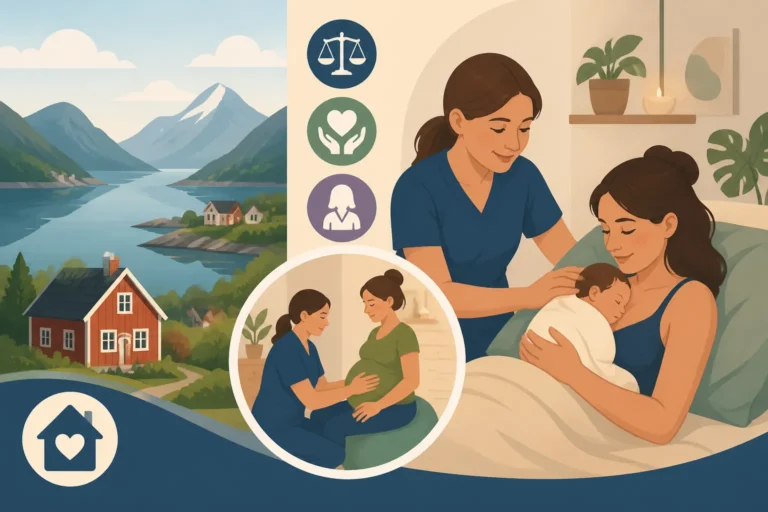
In Norway, the transition from the hospital to home is supported by a robust, state-funded system centered around the Helsestasjon: Norway’s Free Child Health Clinics and Vaccination Program. Unlike many other countries where you might be expected to drag a healing body and a sleeping infant to a clinic within days of birth, the Norwegian system prioritizes your comfort by bringing the care to your living room. The first home visit is a cornerstone of Family Health in Norway: Pregnancy, Childbirth, and Pediatric Care, designed to bridge the gap between the intensive monitoring of the maternity ward and the long-term care of the public health clinic.
Usually, within three to ten days of arriving home, a public health nurse (helsesykepleier) from your local district—whether you are in the heart of Grünerløkka in Oslo or the hills of Fana in Bergen—will contact you to schedule this visit. If you haven't heard from them, it is often because the hospital's notification system encountered a digital hiccup. In such cases, don't hesitate to call your local clinic. They view this visit as a proactive measure to ensure both baby and mother are thriving.
The philosophy behind these visits is "low-threshold" (lavterskel). This means the nurse isn't there to inspect your housework or judge your parenting style. Their goal is to provide a safety net. For expats who may not have a local "village" of grandmothers and aunts nearby, the nurse often becomes your first point of professional contact for every "is this normal?" question you have. While the public system is exceptional, some families choose to supplement this with Private Health Insurance in Norway: Is It Worth the Extra Cost? to ensure they have access to private specialists if the public waiting times for non-urgent issues feel too long.
Physical Health Checks for the Newborn
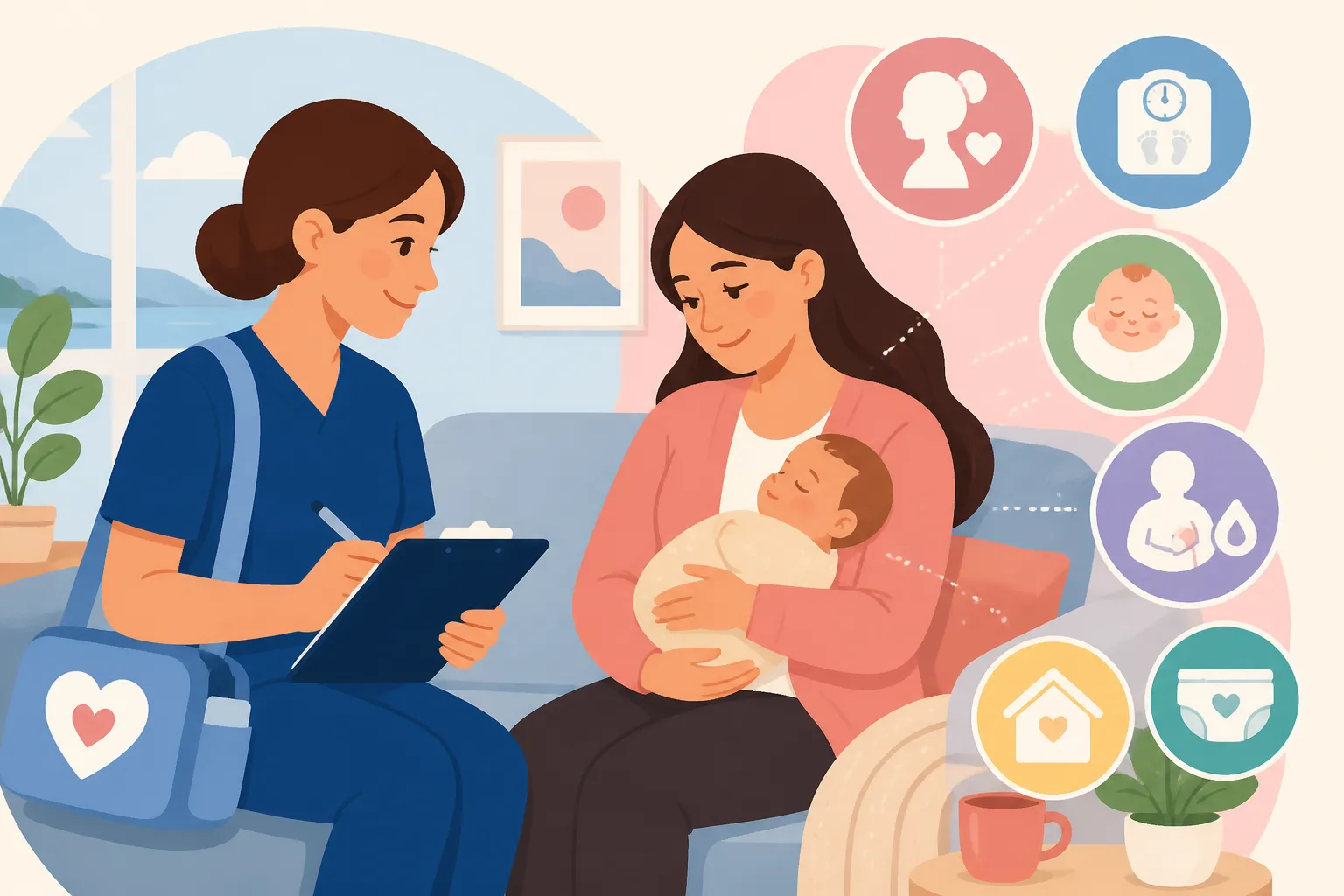
When the nurse arrives, one of the first things they will do is unpack a portable, hanging scale. It looks a bit like a sturdy fabric sling, and they will use it to weigh the baby. This is the primary metric for ensuring that feeding is going well. It is perfectly normal for babies to lose up to 10% of their birth weight in the first few days, but the nurse wants to see that the weight has stabilized or is beginning to climb back up. They will meticulously record this in the baby’s digital health record, which you can later view via the Helsenorge portal.
Beyond the weight, the nurse performs a head-to-toe physical assessment. They will check the umbilical cord stump for signs of infection, look at the baby's skin for rashes or persistent jaundice, and observe the baby’s alertness and reflexes. They are also looking at how the baby moves their limbs and responds to sound. If the nurse identifies anything that requires a medical opinion, they will facilitate a referral. This is part of the integrated The Fastlege Scheme: Navigating Norway’s GP System, where your child will eventually be registered under your GP’s list.
Feeding is another massive component of this physical check. Whether you are breastfeeding, formula feeding, or doing a mix of both, the nurse will offer practical advice. They often carry "breastfeeding pillows" or can show you how to use your own furniture to support the baby correctly. If you are struggling with a latch, they might suggest an [Ammekurs] (breastfeeding course) or a follow-up at the clinic. For those who move to Norway mid-pregnancy or shortly after birth, having global coverage from a provider like Cigna Global can be a relief if you want to seek out specialized lactation consultants who operate outside the public system.
Postpartum Recovery and Mental Health for the Mother
Perhaps the most underrated part of the home visit is the focus on the mother. In the haze of newborn care, it is easy to forget that you are also a patient in recovery. The nurse will ask about your physical healing, whether you had a natural birth or a C-section. They are trained to discuss Maternity Care in Norway: Prenatal Appointments, Scans, and Midwives outcomes and ensure that you aren't experiencing excessive pain, fever, or signs of postpartum complications.
Mental health is treated with significant importance in the Norwegian system. It is standard practice for the nurse to discuss the "baby blues" and screen for postpartum depression using the Edinburgh Postnatal Depression Scale (EPDS). They will ask how you are sleeping, how your mood has been, and if you feel supported. This is a safe space to be honest. If you are struggling with the isolation that often comes with being an expat, they can point you toward local Mental Health in Norway: Accessing Therapy and Psychiatric Care resources or community "stroller groups" (barselgrupper) organized by the clinic.
For many expats, the lack of a familiar support system can exacerbate the "dark season" blues if you give birth in the winter. The nurse will often emphasize the importance of Vitamin D Guidelines for Expats Surviving the Dark Season for both you and the baby. They will likely provide you with a small bottle of D-vitamin-dråper (Vitamin D drops) or Barnetran (cod liver oil) and explain the Norwegian tradition of starting these supplements at one week of age. If you are covered by an international plan like SafetyWing, you might find that their wellness benefits cover additional nutritional counseling or mental health support that complements the public offerings.
Navigating the Logistics of the Norwegian System
During the visit, the nurse will help you navigate the administrative side of having a child in Norway. If your baby was born in a Norwegian hospital, the birth is automatically reported to the Tax Office (Skatteetaten), which triggers the assignment of a personal number (fødselsnummer). However, for expats on certain visas, this process can sometimes be delayed. The nurse can explain how to handle Healthcare Rights for D-Number Holders: Exclusions and Alternatives if the permanent number hasn't arrived yet.
The nurse will also go through a safety checklist for your home. This includes discussing safe sleep practices to prevent SIDS—Norwegian guidelines strongly favor the baby sleeping on their back in their own crib but in the same room as the parents. They might also ask about your car seat and ensure it meets current European safety standards. If you are planning to travel soon after the birth, they can advise on Bringing Medication into Norway: Customs Rules and Schengen Certificates if you need to carry specialized infant formulas or medications abroad.
Finally, the nurse will explain the schedule of upcoming appointments. The home visit is just the beginning. You will have regular check-ups at the clinic at 6 weeks, 3 months, 4 months, and so on. They will also introduce you to the Helsestasjon: Norway’s Free Child Health Clinics and Vaccination Program schedule, explaining which vaccines are administered when. It is a good time to ask about Public vs Private Healthcare in Norway: A Complete Guide if you are considering private pediatricians for non-routine concerns.
| Checkpoint | What the Nurse Looks For | Action/Advice Typically Given |
|---|---|---|
| Weight | Stability or gain compared to birth weight | Feeding adjustments or more frequent weigh-ins |
| Skin/Jaundice | Yellowing of eyes/skin, rashes, or dryness | Advice on sunlight or referral for blood tests |
| Umbilical Cord | Redness, discharge, or foul smell | Cleaning instructions and infection monitoring |
| Maternal Mood | Signs of depression, anxiety, or extreme fatigue | EPDS screening and referral to local support |
| Home Safety | Crib placement, room temperature, smoke alarms | "Back to sleep" guidance and fire safety tips |
| Feeding | Latch quality, frequency, and hydration signs | Latch correction or formula preparation tips |
What to Prepare Before the Nurse Arrives
You do not need to have a spotless house. I cannot stress this enough. The nurse has seen every version of "new parent chaos" imaginable. What you should have ready are the documents you received from the hospital upon discharge. These papers contain the details of the birth, any medications administered, and the baby’s initial health scores (Apgar). Having these on the coffee table will save you from digging through bags while holding a crying infant.
It is also helpful to write down a list of questions in the days leading up to the visit. In the moment, sleep deprivation often causes "baby brain," and you might forget to ask about that weird clicking sound the baby makes or how to handle Over-the-Counter (OTC) Drugs in Norway: What You Can Buy in Supermarkets like paracetamol for yourself. The nurse is there for a significant amount of time—usually 45 to 60 minutes—so there is plenty of room for a deep dive into your concerns.
If you are an expat who is not yet fully integrated into the Folketrygden Basics: Who is Covered by the National Insurance Scheme, make sure you have your insurance details handy. While the Helsestasjon services are free for all residents, having your Cigna Global or SafetyWing information ready can be useful if the nurse suggests a follow-up that might be faster through private channels. Most nurses speak excellent English, but if you feel more comfortable in another language, you can ask the clinic in advance about Medical Interpreters in Norway: How to Request One for Free.
Future Milestones and Continuous Care
The postpartum home visit is the first of many steps in the Long-Term Care and Preventive Health in the Norwegian System. After this initial meeting, your subsequent appointments will take place at the clinic. These visits will involve not just the nurse, but also a physician at specific milestones, such as the 6-week and 6-month marks. They will track the baby's growth on "percentile charts" and ensure that the Childhood Vaccine Schedule in Norway: What Parents Must Know is followed strictly to keep the community safe.
As your child grows, the Helsestasjon remains a resource for everything from starting solid foods to behavioral challenges. They also coordinate with other services. For example, if your child later needs dental monitoring, the nurse will explain how Dental Care for Children in Norway: Free Public Dental Services works. The system is designed to be a continuous loop of care that lasts until the child finishes primary school.
For expat parents, the Helsestasjon also serves as a vital social gateway. Many clinics organize "barselgrupper" (parent groups) based on the baby’s birth month and your neighborhood. This was a lifesaver for me; it’s where I met other parents who were also navigating the joys of Maternity and Paternity Leave (Foreldrepenger) Explained for Expats. These groups often meet for walks around Sognsvann or coffee in the city, providing the social fabric that is so crucial during the first year of parenthood.
Disclaimer
The information provided in this guide is for educational and informational purposes only and does not constitute professional medical advice. Healthcare regulations and procedures in Norway, including the specific protocols for the Helsestasjon and the national insurance scheme, are subject to change. Always consult with your assigned public health nurse, GP (fastlege), or a qualified healthcare provider regarding the health of yourself or your child. For up-to-date administrative requirements, please refer to the official websites of Helsenorge and the Norwegian Directorate of Health.