Childhood Vaccine Schedule in Norway: What Parents Must Know
Moving your family to a new country involves a mountain of paperwork, but few things feel as high-stakes as ensuring your children’s medical records align with local requirements. When I first arrived in Oslo, I spent hours squinting at my son’s tattered immunization card from back home, terrified he’d be denied school entry. This guide simplifies the Norwegian childhood vaccine schedule, helping you navigate the system with confidence and ease.
Understanding the Norwegian Childhood Vaccination Program
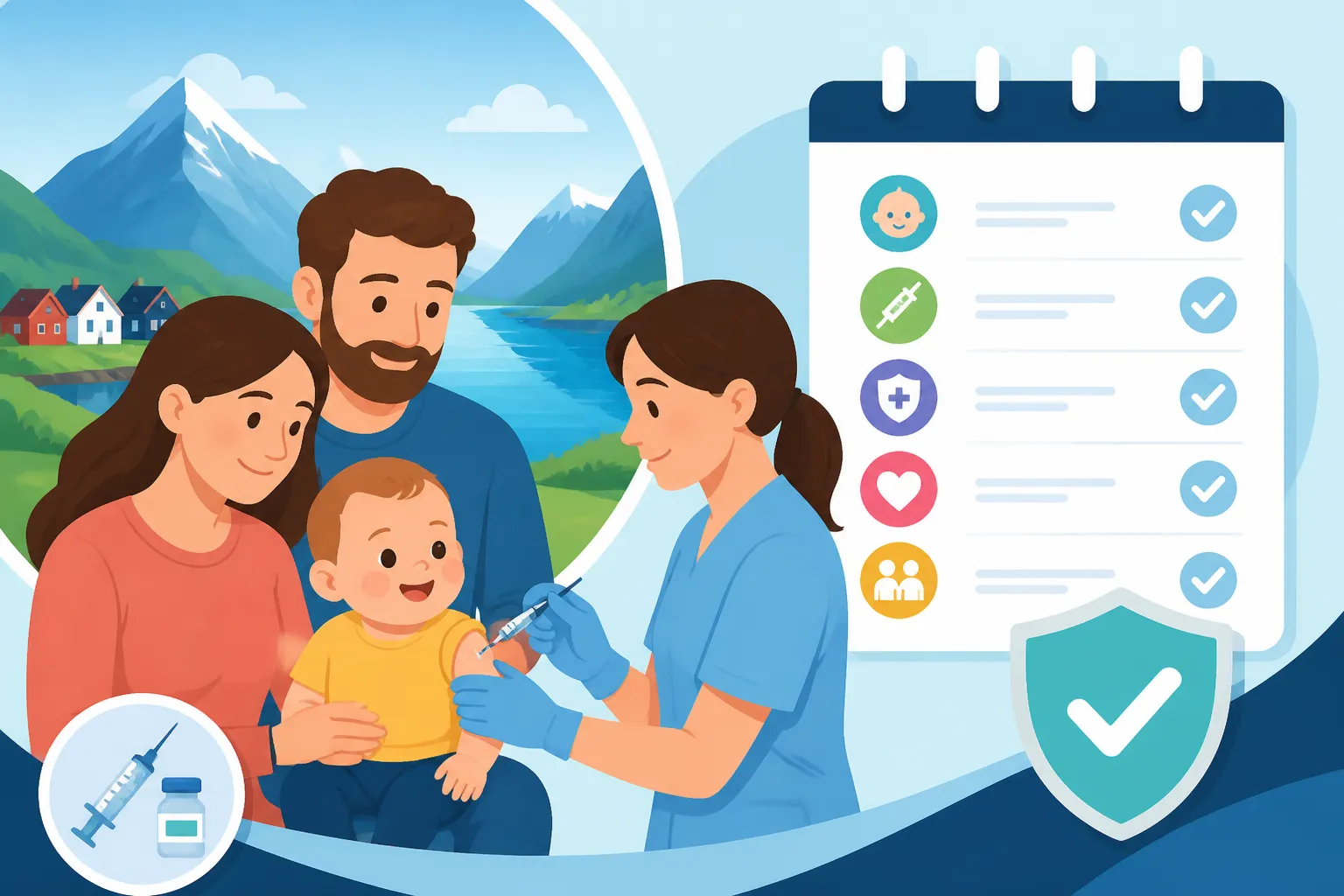
In Norway, the childhood vaccination program, known locally as Barnevaksinasjonsprogrammet, is designed to protect children against a range of infectious diseases. The first thing you need to know as an expat is that these vaccines are entirely voluntary and free of charge for all children residing in the country. Unlike some countries where certain shots are mandatory for school enrollment, Norway relies on high levels of public trust and a very high uptake rate to maintain herd immunity.
The program is managed through the municipal health service, specifically at the Helsestasjon: Norway’s Free Child Health Clinics and Vaccination Program. These clinics are the heartbeat of pediatric care in Norway. From the moment your child is born here, or shortly after you register your move with the National Registry (Folkeregisteret), you will be assigned to a local Helsestasjon based on your postcode.
The "Helsesykepleier" (public health nurse) will become your primary point of contact. They don't just administer shots; they monitor growth, development, and offer parental support. If you are still waiting for your permanent residence status and are covered by a temporary solution like SafetyWing during your initial move, you can still contact the local Helsestasjon to discuss your child's needs, though having a D-number or Fødselsnummer makes the digital record-keeping much smoother.
The Norwegian philosophy on vaccination is one of transparency. Nurses are generally very happy to sit down and discuss any concerns you have about ingredients, side effects, or the timing of doses. This is part of the broader Family Health in Norway: Pregnancy, Childbirth, and Pediatric Care framework that emphasizes preventive health from day one.
The 2026 Childhood Vaccine Schedule Breakdown
Norway follows a structured timeline that begins in infancy and continues through lower secondary school. It is worth noting that the Norwegian schedule might differ slightly from the CDC in the US or the NHS in the UK, particularly regarding the timing of boosters and the inclusion of certain "optional" vaccines in other countries that are standard here.
Infancy and the First Year
The first year is the most active period for vaccinations. At 6 weeks of age, infants receive the Rotavirus vaccine. This is an oral vaccine (drops) given to protect against severe diarrhea and vomiting. It’s important to note that the first dose of Rotavirus must be given before the child is 12 weeks old; if you move to Norway after this window, your child may not be eligible for this specific vaccine within the public program.
At 3, 5, and 12 months, children receive the "6-in-1" vaccine. This single injection protects against:
- Diphtheria
- Tetanus
- Whooping cough (Pertussis)
- Poliomyelitis
- Haemophilus influenzae type b (Hib)
- Hepatitis B
In addition to the 6-in-1, the Pneumococcal conjugate vaccine is administered at these same intervals. For many expats, the inclusion of Hepatitis B in the standard 6-in-1 is a welcome recent addition to the Norwegian program, as it was previously only offered to "at-risk" groups.
Toddler Years and Starting School
When your child hits the 15-month mark, they will receive the MMR vaccine (Meslinger, Kusma, Røde hunder). This protects against measles, mumps, and rubella. In Norway, the second dose of MMR isn't given until the child is in 6th grade (around age 11 or 12). This gap often surprises parents from countries where the booster is given before age 5. If you prefer to follow your home country's schedule, you may need to consult Public vs Private Healthcare in Norway: A Complete Guide to see if a private clinic can accommodate an earlier booster.
The School-Age Years
Once your child enters the Norwegian school system, the responsibility for vaccinations shifts from the Helsestasjon to the School Health Service (Skolehelsetjenesten).
- 2nd Grade (7 years): Booster for Diphtheria, Tetanus, Whooping Cough, and Polio.
- 6th Grade (12 years): Second dose of the MMR vaccine.
- 7th Grade (13 years): The HPV vaccine (Human Papillomavirus). In Norway, this is offered to both boys and girls to prevent several types of cancer. It is typically given in two doses.
- 10th Grade (15 years): A final booster for Diphtheria, Tetanus, Whooping Cough, and Polio. This is intended to provide protection well into young adulthood.
Comparison Table: Norway vs. International Standards
To help you visualize how your child's previous records might fit into the Norwegian system, the following table compares the 2026 Norwegian schedule with common milestones found in many Western expat home countries.
| Age | Norway Program (Standard) | Common Global Variations |
|---|---|---|
| 6 Weeks | Rotavirus (Oral) | Often starts at 2 months elsewhere |
| 3 Months | 6-in-1 + Pneumococcal | Often 2, 4, 6 months in US/UK |
| 5 Months | 6-in-1 + Pneumococcal | N/A |
| 12 Months | 6-in-1 + Pneumococcal | N/A |
| 15 Months | MMR (1st Dose) | Often 12 months in US/UK |
| Age 4-6 | No vaccines scheduled | DTaP/Polio/MMR boosters common elsewhere |
| Grade 2 (Age 7) | DTP-IPV Booster | N/A |
| Grade 6 (Age 12) | MMR (2nd Dose) | Usually given much earlier (Age 4-5) |
| Grade 7 (Age 13) | HPV (2 doses) | Sometimes starts age 9-11 |
| Grade 10 (Age 15) | DTP-IPV Booster | Often given at age 11-12 elsewhere |
Practicalities for Expat Parents
Navigating a foreign medical system while your child is screaming in a waiting room is a rite of passage for many of us. The good news is that the Norwegian system is highly organized, and most health professionals speak excellent English.
Transferring Foreign Records
When you first visit the Helsestasjon, bring your child’s original vaccination records. If they are not in English or a Scandinavian language, it is highly recommended to have a certified translation. The nurse will manually enter these records into the Norwegian national database (SYSVAK). This ensures that when you log into the Navigating the Helsenorge App in English: A Step-by-Step Translation portal, you will see a complete digital history for your child.
If your child’s previous schedule was different—for example, if they received four doses of a certain vaccine instead of Norway’s three—the nurse will consult with a municipal doctor to "bridge" the schedules. They are generally very flexible and focus on ensuring the child has sufficient antibody protection rather than strictly following the Norwegian timeline if the child is already well-protected. If you have complex medical needs or require specific specialist oversight not covered by the public system, Cigna Global can be a valuable resource for maintaining continuity of care with international specialists.
Language and Communication
If you are not yet comfortable with medical Norwegian, don't worry. You have a legal right to clear communication regarding your child's health. You can request Medical Interpreters in Norway: How to Request One for Free if you feel the language barrier might lead to misunderstandings about consent or side effects. However, for most routine vaccine appointments, the nurses are very used to explaining things in English to the expat community.
For those moving with a Healthcare Rights for D-Number Holders: Exclusions and Alternatives status, you still have the right to these childhood vaccines. The health of children is prioritized regardless of the parents' specific residency permit category, though the "invitation" to the clinic might not happen automatically until your address is properly registered.
Beyond the Standard Program: Optional Vaccines
While the Barnevaksinasjonsprogrammet covers the essentials, there are several vaccines that parents in Norway often choose to pay for privately. These are not part of the free public offering but are highly relevant given the Norwegian lifestyle.
Ticks and the Great Outdoors
If your family plans on embracing the "Friluftsliv" (outdoor life) lifestyle, especially along the southern and western coasts, you should consider the TBE vaccine. Tick-borne encephalitis is a serious viral infection transmitted by ticks. While not in the standard childhood schedule, it is strongly recommended for children who spend a lot of time in the woods or tall grass in endemic areas. You can read more about the risks in our guide on TBE and Tick-Borne Encephalitis: Do You Need the Vaccine?.
Travel and Seasonal Health
The standard program does not include the annual flu shot for healthy children (it is reserved for risk groups) or travel-specific vaccines like Yellow Fever, Rabies, or Japanese Encephalitis. If you are planning a family trip back home or a holiday outside Europe, you will need to visit a dedicated vaccination clinic (Vaksinasjonskontor).
For these extra-curricular health needs, expenses can add up. Families with comprehensive international plans through Cigna Global often find that their private coverage helps offset the costs of these non-standard immunizations. Always check the latest requirements at least two months before traveling by visiting Travel Vaccines in Norway: Where to Go Before Asia/Africa Trips.
Finally, keep in mind that while Norway is a very safe country, the "cashless" nature of the society means you will likely need BankID to book appointments at private clinics or even to view certain results on Helsenorge. If you are a digital nomad or a new arrival using SafetyWing for your initial health coverage, make sure you keep all receipts for any private vaccinations to ensure you can be reimbursed if your policy allows for preventive care.
Important Disclaimer
The information provided in this guide is for educational and informational purposes only and does not constitute professional medical advice, diagnosis, or treatment. Vaccination schedules and public health policies in Norway are subject to change by the Norwegian Institute of Public Health (Folkehelseinstituttet). Always consult with your local Helsestasjon, a qualified pediatrician, or the official Helsenorge portal to confirm the most current requirements and recommendations for your child's specific health needs. Neither the author nor this publication assumes any liability for actions taken based on the information provided herein.