Getting Sick Notes (Sykemelding) from Your GP for Work
Waking up with a fever in a freezing Norwegian January is hard enough, but realizing you have no idea how to legally justify your absence from work is a special kind of expat stress. I remember my first bout of winter flu in Oslo; I spent more time Googling "Norwegian sick note rules" while shivering under my duvet than I did actually resting. This guide solves that confusion by walking you through the exact steps to secure a sykemelding (sick note) from your GP, ensuring your rights are protected and your salary continues to hit your bank account.
Understanding the Sykemelding: More Than Just a Doctor's Note
In many countries, a doctor's note is a simple slip of paper that tells your boss you were too sick to come in. In Norway, the sykemelding is a sophisticated digital legal document that triggers a cascade of social security rights. It is the bridge between your employment contract and the Norwegian National Insurance Scheme (Folketrygden). Without it, long-term absences are considered unexcused, which can jeopardize both your pay and your residency status if you are on a work permit.
The system is built on high levels of trust, but it is also strictly regulated. The Norwegian philosophy is that if you are sick, you should focus on recovery without the fear of financial ruin. However, to access this safety net, you must follow the protocol. The first thing you need to understand is the distinction between self-reporting and a formal medical certificate. Before you even call a doctor, you should determine if you actually need a sykemelding yet, or if you can use an Egenmelding vs Sykemelding: Self-Reporting Sickness to Your Employer.
For many expats, the digital nature of this process is the biggest hurdle. Everything happens through the Helsenorge portal. Gone are the days of hand-delivering a crumpled piece of paper to your HR manager. Today, your doctor signs the note digitally, and you "send" it to your employer via a few clicks in an app. If you are still waiting for your permanent ID number and only have a D-number, this process can be slightly more manual, but the legal requirements remain the same.
The First Line of Defense: Using Your Egenmelding
Before we dive into the GP visit, we have to talk about the egenmelding. This is your right to stay home for short-term illness without seeing a doctor. Most Norwegian work contracts allow for at least three consecutive days of self-reported sick leave. Many newcomers make the mistake of dragging themselves to a clinic for a simple head cold because they were afraid their boss wouldn't believe them. Trust me, your GP does not want to see you for a 24-hour stomach bug; they want you to stay home and use your egenmelding.
However, there is a limit. Usually, you can use this up to four times within a 12-month period. If your illness stretches into a fourth day, you are legally required to provide a sykemelding from a medical professional. If you fail to get a doctor's note by the fourth day, your employer has the right to withhold pay for the entire period. This is where many expats get caught out—they wait until day five or six to call the doctor, only to find out the doctor cannot backdate the note. In Norway, a sykemelding generally only counts from the day you first made contact with the medical service.
Booking Your Appointment with a Fastlege
To get a formal sick note, you must see a doctor. In the Norwegian system, this is almost always your Fastlege (GP). This is the doctor you are officially registered with in the National Registry. If you haven't set this up yet, you are going to find the process much more difficult and expensive. I highly recommend reading up on The Fastlege Scheme: Navigating Norway’s GP System to understand why having a designated doctor is the "Golden Ticket" to Norwegian healthcare.
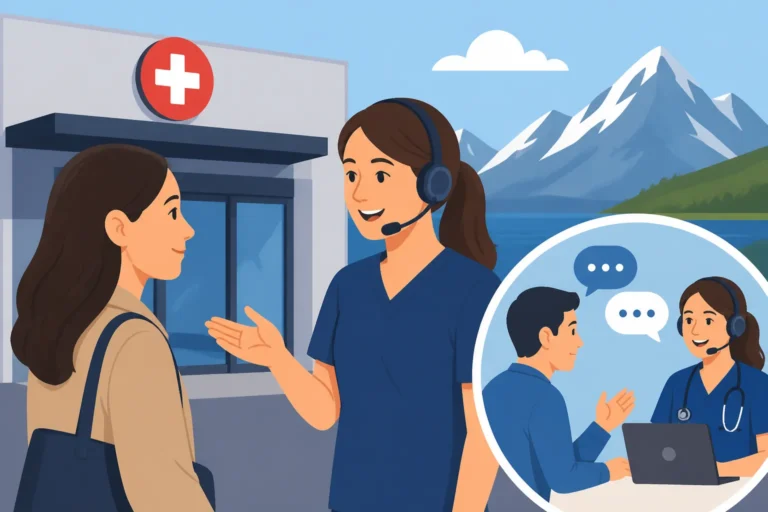
When you call your GP’s office, you must explicitly state that you need a sykemelding. Most clinics reserve "acute" slots for people who are ill that day. If you can't get through on the phone—which is common in busy cities like Bergen or Oslo—many clinics allow you to book "e-consultations" or send a message via Helsenorge. If you are a digital nomad or an expat whose coverage hasn't kicked in yet, having a plan like SafetyWing can be a lifesaver for covering the costs of private clinics when the public system is backlogged.
What Happens During the Consultation?
During the appointment, the doctor isn't just looking to see if you have a fever. They are assessing your "work capability." This is a crucial distinction. You might be physically ill but still able to do some work from home. The doctor will ask about your specific job duties. If you sit at a desk all day, a broken leg might not warrant a 100% sick note, but if you work in construction, it certainly does.
The doctor can issue a "graded" sick note (gradert sykemelding). For example, they might decide you are 50% sick. This means you work half your normal hours and receive half your salary from your employer, while the other half is covered by sick pay from NAV. This is very common in Norway as a way to keep people connected to the workplace while they recover from things like burnout or minor injuries.
Backdating Rules: The Expat Trap
I cannot stress this enough: doctors in Norway are very hesitant to backdate a sykemelding. If you got sick on Monday but didn't call the doctor until Thursday, the doctor will usually only issue the note starting from Thursday. You will then have a three-day gap in your "coverage" that your employer is not legally obligated to pay for. Always call or send a message to your GP on the very first day you realize you are too sick to work, even if they can't see you until the next day. This establishes a "start date" for your illness in their system.
Navigating the Helsenorge Portal
Once the doctor clicks "send" on their computer, your sick note exists in the cloud. To make it official, you must log in to the Helsenorge portal or app. This part can be intimidating if your Norwegian isn't fluent yet. For a detailed breakdown of the interface, check out Navigating the Helsenorge App in English: A Step-by-Step Translation.
When you log in, you will see your sykemelding waiting for you. It is divided into several parts:
- The Medical Part: This stays between you and the doctor. Your employer does not see your diagnosis.
- The Information Part: This tells the employer how long you will be out and if there are tasks you can do.
- The Application for Sick Pay: This is the most important part for your wallet. Once your sick period is over (or every 14 days for long-term illness), you must go back into the portal and "apply" for the money. You will answer questions like "Did you work at all during this period?" or "Did you travel abroad?"
If you are an international worker with a policy from Cigna Global, you may also need to download a PDF version of this digital note to submit for any private supplemental claims, as the Norwegian system is almost entirely paperless.
Who Pays for Your Sick Leave?
Norway has one of the most generous sick leave policies in the world, but the money doesn't all come from the same place. This is where Healthcare in Norway for Expats: How the System Works (2027) provides essential context for your financial planning.
| Period of Sickness | Who Pays? | Percentage of Salary |
|---|---|---|
| Days 1–16 | Your Employer | 100% (usually up to 6G) |
| Day 17–1 Year | NAV (National Insurance) | 100% (up to 6G) |
| After 1 Year | Transition to AAP | Approx. 66% |
The "6G" mentioned above refers to the National Insurance Basic Amount. As of 2026, if you earn significantly more than the average Norwegian salary, your employer is not legally required to cover the amount exceeding 6G, though many professional contracts include a clause stating the company will top up the difference. It is worth checking your contract today to see if you are covered for your full salary or just the NAV minimum.
To be eligible for these payments, you must have been employed for at least four weeks immediately before becoming ill. This is a common pitfall for new expats who get sick in their first month in the country. If you haven't hit that four-week mark, you may not be entitled to sick pay from either the employer or NAV, making it vital to have private backup like SafetyWing or Cigna Global during your initial transition period.
Special Scenarios: What if Your GP is Unavailable?
We've all been there—you wake up with a 40-degree fever, call your GP, and hear a recording saying they are on vacation or have no open slots for three days. What do you do?
Using the Legevakt (ER/Urgent Care)
In urgent cases, you can use the out-of-hours medical service. This is the place to go if your GP is closed or if you are so ill that you cannot wait. However, be prepared to wait. They can issue a sykemelding, but they will often only give you a short one (a few days) and tell you to follow up with your GP for an extension. Learn more about when to use this service at Legevakten (116 117): When and How to Use the Out-of-Hours Service.
Private Digital Clinics
In recent years, private digital providers have become incredibly popular among the expat community. Using services like Dr.Dropin or Kry allows you to get a video consultation within minutes. These doctors can issue a sykemelding just like a public GP. The downside? You have to pay out of pocket, usually between 350 and 600 NOK. For many, the convenience of not leaving their bed is well worth the price. For more on this, see Using Private Video Consultations (Kry, Dr.Dropin) in Norway.
Rights and Obligations While on Sick Leave
Being on sick leave in Norway is not a "free vacation." Both you and your employer have obligations. Your employer is required to create an "Oppfølgingsplan" (follow-up plan) within four weeks. This involves a conversation (often a phone call) to discuss how they can adapt your workplace to help you return.
You also have an "activity obligation." The Norwegian system strongly believes that being entirely away from work is often worse for your long-term health. If you are physically able to do some work, the system expects you to try. If you refuse to participate in these follow-up meetings or ignore calls from NAV without a valid medical reason, they can actually stop your sick pay.
Traveling While Sick
This is the number one way expats get into trouble with NAV. If you are on a sykemelding and decide to fly home to see your family or take a trip to Spain to "recover in the sun," you must apply for permission from NAV first. If you leave the country while receiving sick pay without prior approval, NAV can demand you pay back every krone you received while abroad. The only exception is if your work contract and the doctor’s note specifically allow for it, but even then, the digital application on Helsenorge will ask if you traveled. Always be honest.
Final Advice for the Sick Expat
The Norwegian system is incredibly supportive, but it is also a machine with many moving parts. To ensure you don't lose out on your income, remember the "Three Golden Rules":
- Notify your employer immediately (via SMS or email) the moment you know you can't work.
- Contact a doctor on day one if you think your illness will last more than three days.
- Check your Helsenorge portal regularly to sign and send the digital forms.
If you are just starting your journey here and aren't yet fully integrated into Folketrygden Basics: Who is Covered by the National Insurance Scheme, having a private international health plan like Cigna Global or SafetyWing is more than just a luxury—it’s your financial safety net while you navigate the administrative hurdles of your new home.
If you are struggling to find a doctor who can help you right now, you might want to look into How to Find a Fastlege with Available Spots in Oslo or your respective city. Stay warm, drink your solbærtoddy, and don't let the paperwork add to your fever.
Disclaimer
The information provided in this article is for general informational purposes only and does not constitute legal or medical advice. Norwegian laws and NAV regulations are subject to change. While we strive to keep this information up to date for 2026, always consult with your employer, your GP, or the official NAV and Helsenorge websites for the most current regulations regarding your specific situation.