Long-Term Care and Preventive Health in the Norwegian System
Moving to Norway often involves a whirlwind of paperwork for visas and housing, but many of us forget to look twenty years down the line. I remember the cold realization I had during my first year in Oslo when a neighbor was hospitalized long-term; I had no idea how the system would handle a chronic decline. This guide meticulously breaks down how Norway manages long-term care and preventive health so you aren't left guessing.
The Philosophy of Long-Term Care in Norway
The Norwegian healthcare philosophy is rooted in the "Soria Moria" principle of universal equity, specifically the idea that every resident should be able to live a dignified life regardless of their physical or cognitive limitations. Unlike many other countries where long-term care is a private family burden or a high-cost insurance commodity, in Norway, it is a municipal responsibility. The primary goal of the state is to keep you in your own home for as long as possible. This isn't just about saving money for the government; it’s a deeply ingrained cultural belief that independence leads to better health outcomes and higher life satisfaction.
When you first enter the system, you’ll realize that Healthcare in Norway for Expats: How the System Works (2027) is designed around decentralized control. Each of Norway’s 357 municipalities (kommuner) is legally obligated to provide necessary health and care services. This means that while the overarching laws are national, the way your long-term care is delivered might look slightly different if you are in a tiny village in Lofoten compared to a bustling neighborhood in Bergen. This decentralization can be a source of frustration for expats because it leads to "postnummer-lotteriet" (the postcode lottery), where some municipalities are wealthier and more efficient than others.
The transition from active, independent living to requiring assistance is rarely abrupt. The system is designed to "step up" care through various levels of intervention. It begins with preventive measures, moves to practical home assistance, then to professional home nursing, and only as a final resort to institutional care like a nursing home. Understanding this ladder is essential because the Norwegian system will often push back if you or your family members demand a nursing home spot before the municipality believes you have exhausted home-based options. It’s a process of negotiation and clinical assessment that can feel bureaucratic, but it ensures that resources are allocated based on medical necessity rather than the ability to pay.
The Role of the Municipality (Kommune)
The municipality is the "gatekeeper" for all long-term services. You do not simply "buy" a spot in a nursing home or hire a state nurse on your own whim. You must apply to the municipal health and care office (Tildelingskontoret or Helse- og omsorgskontoret). I’ve seen many expats get frustrated here because they expect their The Fastlege Scheme: Navigating Norway’s GP System to simply "order" these services. While your GP provides the medical documentation, the actual decision on what you receive—be it a cleaning service once every two weeks or a nurse three times a day—rests with a municipal caseworker.
This caseworker will perform a holistic assessment, often visiting your home to see how you navigate your kitchen or bathroom. They look at your social network, your physical environment, and your cognitive state. For foreigners, this can feel invasive, but it’s the standard procedure to determine your "individuelle behov" (individual needs). It’s important to be incredibly honest during these assessments; the Norwegian tendency toward "klage ikke" (not complaining) can actually work against you here. If you minimize your struggles, you will receive fewer services.
Once the municipality grants a service, they are legally bound to provide it. However, "how" they provide it can vary. Some municipalities use private contractors, while others use municipal employees. Regardless of the provider, the quality is regulated by national standards. If you feel the municipality is not meeting your needs, you have the right to appeal to the State Administrator (Statsforvalteren), a process that ensures the local government isn't just cutting corners to save on their budget.
Integrated Health Records and Helsenorge
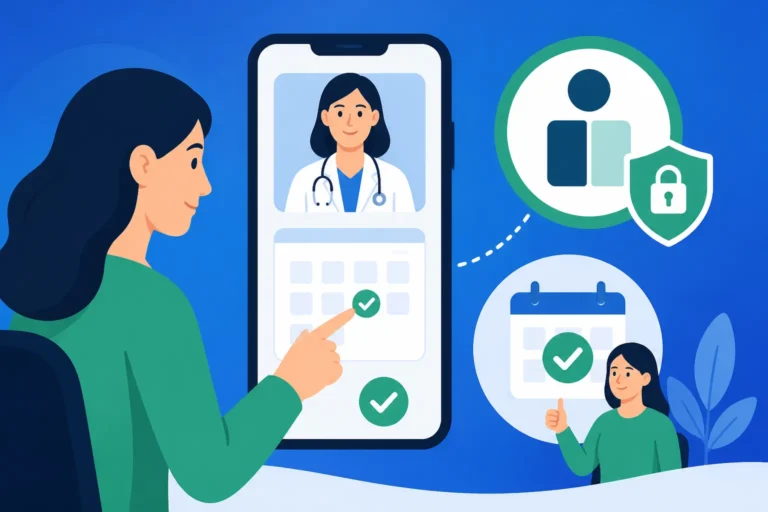
Everything in Norway's long-term care strategy is underpinned by digital integration. The Helsenorge portal is your primary window into your care plan. When you are receiving long-term care, your GP, your home nurses, and your specialists all contribute to a "Kjernejournal" (core medical record). This is a lifesaver for expats who might struggle to explain a complex medical history in Norwegian during a crisis. It ensures that if a home nurse arrives and finds you in distress, they can immediately see your medications and previous diagnoses.
The digitalization also extends to the "Individual Plan" (IP). If you have a long-term need for coordinated services, you are legally entitled to an IP. This is a dynamic document where you and your various care providers set goals and define who is responsible for what. I’ve found that expats who actively engage with their IP and the Helsenorge app tend to have much smoother experiences because they aren't relying on one person to remember their entire care history. It puts the "power" back into the patient's hands, even when they are dependent on the system.
However, the digital divide can be a hurdle. If you don't have BankID or struggle with the language, navigating these portals is a nightmare. This is why it’s critical to establish these digital tools early in your residency. Without them, you are effectively invisible to the automated systems that trigger reminders for screenings or updates to your care plan. The system assumes a high level of digital literacy, and as an expat, catching up on this is as important as learning the language itself.
Preventive Health: The Bedrock of the Norwegian Lifestyle
Norway doesn't just wait for you to get sick; it invests heavily in keeping you healthy so you don't enter the long-term care system prematurely. This is the "preventive" side of the coin. The culture of "Friluftsliv" (open-air life) is actually a public health strategy. The government encourages physical activity through subsidized sports clubs and well-maintained hiking trails, but the medical side is equally robust. Preventive health in Norway is organized into systematic screenings, vaccinations, and lifestyle interventions that are often free or heavily subsidized.
For expats, the preventive system can feel a bit "hands-off" at first. You won't get a phone call from your doctor every month asking how you feel. Instead, the system relies on automated registries. For example, the Cancer Registry of Norway automatically sends out invitations for cervical cancer screenings, mammograms, and bowel cancer screenings once you reach certain age brackets. If you have registered your move correctly with the Folkeregisteret, these letters will just start appearing in your digital mailbox or physical post.
Lifestyle-related diseases like Type 2 diabetes and cardiovascular issues are handled through "Frisklivssentralen" (Healthy Life Centers). These are municipal hubs where you can get help with smoking cessation, diet changes, and physical activity. They are low-threshold services, meaning you don't always need a doctor's referral to walk in. For an expat who might be feeling isolated or struggling with the "dark season" weight gain, these centers are an incredible resource that many don't know exist. They provide a community aspect to health that is often missing when you're just visiting a GP for a 15-minute appointment.
National Screening Programs and Vaccinations
The national screening programs are the crown jewels of the preventive system. These programs are evidence-based and aimed at early detection. For women, the "Livmorhalsprogrammet" (Cervical Cancer Program) and "Mammografiprogrammet" are highly efficient. The cost is usually just the standard User Fees (Egenandel) for Doctor Visits Before Reaching Frikort Status, and once you reach the annual cap, it becomes free. Newcomers will find that the system is incredibly persistent—if you miss an appointment, they will send reminders. They take "public health" quite literally.
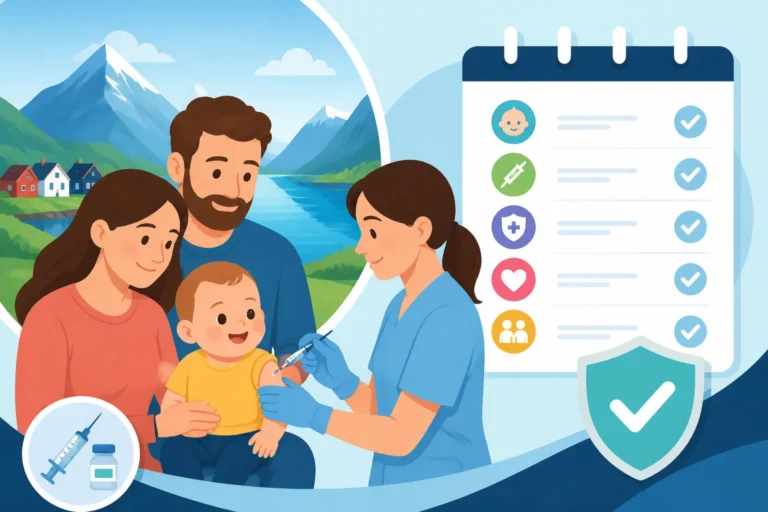
Vaccination is another pillar. While the childhood immunization program is the most famous, adult vaccinations for flu and pneumonia are heavily promoted for at-risk groups and those over 65. During the "mørketid" (dark season), there is also a massive preventive focus on Vitamin D. You’ll see "Tran" (cod liver oil) in every supermarket, and GPs will often check your Vitamin D levels as a matter of course during winter blood tests. This might seem minor, but in the Norwegian context, preventing the bone density loss and depression associated with Vitamin D deficiency is a major long-term care strategy.
For those traveling frequently or who want a more "on-demand" preventive experience, some expats choose to supplement the public system. Brands like SafetyWing can be useful for those who spend significant time outside of Norway and need coverage that bridges the gap between the Norwegian public system and international travel needs. However, for anything occurring within Norwegian borders, the public screening programs remain the gold standard for long-term health tracking.
The "Frisklivssentral" and Lifestyle Coaching
If you find yourself struggling with the transition to the Norwegian diet or the sedentary nature of the long winters, the Frisklivssentral is your best friend. They offer "prescriptions" for physical activity, which aren't drugs but rather structured, group-based exercise programs. This is where the Norwegian "dugnad" spirit meets healthcare. You’ll be exercising with others in your community, which helps combat the social isolation that often leads to mental health decline in older expats.
These centers also provide "Bra Mat" (Good Food) courses. Learning how to cook healthy meals with Norwegian ingredients—like root vegetables and fish—is a specific skill that can prevent long-term metabolic issues. For many of us coming from countries with different supermarket cultures, understanding what is actually "healthy" in a Norwegian Rema 1000 can be a challenge. The Frisklivssentral bridges that cultural gap, providing practical, local advice that a generic health website cannot.
The mental health aspect of prevention is also managed here. They often run "Depresjonsmestring" (Managing Depression) courses. Since the Norwegian winter can be a significant trigger for Seasonal Affective Disorder (SAD), these preventive courses are vital. Instead of just prescribing antidepressants, the system tries to give you tools to manage your mental state through light therapy, social interaction, and cognitive techniques. It’s a holistic approach that recognizes that long-term physical health is impossible without mental stability.
The Importance of Occupational Health (Bedriftshelsetjeneste)
If you are working in Norway, your employer is often required to provide access to an "Occupational Health Service" (Bedriftshelsetjeneste). This is a preventive layer that many expats overlook. These services are not just for when you get injured at work; they are there to prevent "slitasje" (wear and tear). They can assess your ergonomic setup, provide flu shots, and offer counseling for work-related stress.
I’ve found that using these services is a great way to catch minor issues before they become chronic. If your back starts hurting because of a poor office chair, the occupational health nurse can intervene before you need long-term physiotherapy. It’s a proactive part of the Norwegian work culture that reflects the high value placed on "arbeidsevne" (the ability to work). By keeping employees healthy, the state reduces the future burden on the long-term disability and care systems.
Home Nursing and Hjemmesykepleie: Staying Independent
The primary goal of the Norwegian system is "bo hjemme lengst mulig" (live at home as long as possible). To achieve this, the government provides Home Nursing Services (Hjemmesykepleie): Eligibility and Costs that can range from a once-a-week visit to check your medication to several visits a day for intensive care. This is the most common form of long-term care in Norway. It is a professional service, meaning the people coming to your home are licensed nurses or health care assistants (helsefagarbeidere), not just "sitters."
For many expats, the idea of strangers having a key to your house and coming in while you’re in bed can be a culture shock. In Norway, this is normalized. The service is highly regulated, and the staff are trained to be respectful but efficient. One thing to be aware of is that you likely won't have the same nurse every time. The teams work on shifts, so you might see four or five different faces over a week. This "team-based" care is designed to ensure that the service never fails due to a single person’s illness or vacation, but it can feel impersonal to those used to a private-duty nurse.
Hjemmesykepleie is essentially free for the user, as it is considered a necessary medical service. However, "practical assistance" (hjemmehjelp), such as cleaning, laundry, or help with grocery shopping, is often subject to a means-tested fee. The municipality looks at your household income and charges a monthly rate. If you are on a low income or a minimum pension, these fees are very low or waived entirely. It’s a fair system, but you must be prepared to provide your "skattemelding" (tax return) to the municipality to determine your rate.
How to Apply and the Assessment Process
The application for home nursing starts with your municipality’s health portal or a paper form. You—or a family member with power of attorney—submit a request detailing why you need help. This triggers a "hjemmebesøk" (home visit) from the assessment team. During this visit, they will ask you to perform simple tasks: Can you get out of a chair? Can you manage your own "dosett" (pill box)? Can you wash yourself?
As an expat, it is vital to have your medical records translated or available on Helsenorge before this visit. If your chronic condition was diagnosed in your home country, the Norwegian municipality needs to see the clinical evidence. This is where Managing Chronic Illness in Norway: Diabetes, Asthma, and Heart Disease documentation becomes crucial. If you don't have a clear medical history in the Norwegian system, the assessment team might be hesitant to grant high-level services until you’ve seen a local specialist.
Once approved, you will receive a "vedtak" (a formal decision letter). This letter is a legal document that specifies exactly how many hours or visits you are entitled to. It is wise to read this carefully. If it says you get help with "personlig hygiene" but you also need help with "sårstell" (wound care), make sure both are listed. If your condition worsens, you don't just ask the nurse who shows up; you must apply for a "revision" of your vedtak. The system is rigid, but it is reliable once the paperwork is in order.
Technology and "Velferdsteknologi"
Norway is a world leader in "Welfare Technology." When you are granted long-term home care, the municipality will often suggest installing tech to help you stay safe. This includes things like "trygghetsalarm" (safety alarms) worn around the neck, digital medicine dispensers that beep when it’s time for a pill, and even GPS trackers for those with early-stage dementia.
Some municipalities are even experimenting with "skjermbesøk" (screen visits), where a nurse checks in via a secure video link to ensure you’ve taken your meds or to see how you’re feeling. For an expat who might be comfortable with technology, this can be a great way to maintain a sense of privacy while still being monitored. However, for those who moved to Norway to escape the "digital world," it can feel a bit "Big Brother." It’s important to know that you can often give input on which technologies you are comfortable with, though the municipality will prioritize what keeps you safest at the lowest cost.
One specific tool is the digital lock (e-lock). The municipality will often replace your front door lock with a digital version so that the nurses can enter using an app on their phones. You don't have to give out physical keys, and the system logs exactly who entered your home and at what time. This provides a level of security and accountability that is actually quite reassuring once you get past the initial strangeness of it.
Practical Assistance vs. Medical Care
It is crucial to distinguish between "Hjemmesykepleie" (medical) and "Hjemmehjelp" (practical). Hjemmesykepleie involves things like administering injections, managing catheters, or dressing wounds. This is always free. Hjemmehjelp is for "praktisk bistand" like vacuuming your floors or changing your bedsheets.
The criteria for getting help with cleaning are quite strict. If you have a spouse or a child living with you who is physically capable of cleaning, the municipality will generally deny the application for practical assistance, regardless of your health. They expect the "husstand" (household) to support each other. This is a common point of friction for expats from cultures where hiring a cleaner is a standard middle-class service. In Norway, the state only cleans for you if there is literally no one else in the home who can do it.
If you are denied practical help but still feel you need it, you are expected to hire private help. This is where Public vs Private Healthcare in Norway: A Complete Guide knowledge comes in handy. There are many private companies that provide "hjemmetjenester" where you pay an hourly rate. These private services are often more flexible—they will walk your dog or go with you to the café, things the municipal nurses are strictly forbidden from doing due to time constraints.
Nursing Homes (Sykehjem) and Assisted Living
When home is no longer safe, the Norwegian system moves toward institutional care. This is a topic that causes a lot of anxiety for expats, especially those with elderly parents or those looking at their own future. There are two main types: "Omsorgsbolig" (Assisted Living/Care Housing) and "Sykehjem" (Nursing Home). Understanding the difference is vital for your Caring for Elderly Parents in Norway: Sykehjem (Nursing Homes) Access strategy.
An Omsorgsbolig is an apartment designed for people with care needs. You have your own kitchen and front door, but the building is staffed with nurses 24/7. It’s like a hybrid between home nursing and a nursing home. You usually pay rent just like a normal apartment, and then you receive home nursing services within the building. For many, this is the ideal solution because it maintains independence while providing a massive safety net.
A Sykehjem is a full clinical environment. You have a room (usually private nowadays, though older homes still have some shared rooms) and 24-hour medical supervision. This is for people with advanced dementia or severe physical disabilities who can no longer be safely cared for in an Omsorgsbolig. The "waiting list" for a permanent nursing home spot is a frequent headline in Norwegian newspapers. Because the goal is to keep people at home, the "threshold" for getting a spot is very high. You usually need to be "utskrivingsklar" (ready for discharge) from a hospital with nowhere to go, or have a crisis at home that the home nursing team can no longer manage.
The Financial Cost: The 85% Rule
One of the biggest shocks for expats is how nursing homes are funded. Unlike the rest of the healthcare system, which is mostly free after you reach your Healthcare Budgeting: The Frikort Exemption Card and User Fees limit, long-term nursing home care is means-tested based on your income.
The municipality can take up to 75% of your income (pension, interest, etc.) after a small initial deduction, and 85% of any income exceeding the "basic amount" (Grunnbeløpet or G) of the National Insurance Scheme. They do not typically take your "formue" (wealth/savings) or force you to sell your house immediately, but they take almost your entire monthly cash flow. In return, the municipality covers everything: housing, food, medical care, medications, and even basic toiletries.
This means that if you have a high pension, you pay a lot. If you have no pension, the state covers everything for free. It’s a radically redistributive system. For expats who were planning to pass their pension income to children or maintain a high lifestyle while in a home, this is a massive hurdle. It’s important to consult with a financial advisor about how your specific international pensions will be treated under these rules, as foreign income must be declared.
Quality of Life and "Leve Hele Livet"
The Norwegian government has a policy called "Leve Hele Livet" (A Matter of Life). This is a reform aimed at ensuring that nursing homes are not just "waiting rooms for death" but places of activity and community. This includes initiatives like "Sykkelcup for eldre" (cycling competitions for the elderly using virtual reality) and ensuring that the food is cooked locally and smells like "home."
As an expat, you might worry about the language barrier in a nursing home. While most staff speak English, the "social life" of the home—the bingo, the sing-alongs, the shared meals—will be in Norwegian. This is why maintaining even a basic level of the language is one of the best "preventive health" moves you can make. Being able to communicate your basic needs and participate in the community makes a massive difference in the quality of care you receive.
It’s also worth noting that many nursing homes now have "cultural" wings or specialized units. In larger cities like Oslo, there are units specialized for people with different backgrounds, although these are still rare. If you are advocating for a family member, you can express a preference for a specific home, but the municipality ultimately has the right to place you where there is an available bed. You have the right to "brukervalg" (user choice) in some municipalities, but this is often limited by the extreme demand for spots.
Short-term Stays and "Korttidsopphold"
Before a permanent spot is granted, many people experience a "Korttidsopphold" (short-term stay). This is often for rehabilitation after a surgery or a fall. It usually lasts 2–6 weeks. The goal is to "get you back on your feet" so you can return home.
The cost for a short-term stay is a fixed daily rate, which is quite affordable (around 190–200 NOK per day in 2026). This is a great way for the system to "test" whether you can actually manage at home or if you need a permanent institutional spot. For expats, this can be a stressful time because the municipality will often push for you to go home even if you don't feel 100% ready. You have to prove that your home environment is unsafe to secure an extension.
During these stays, you will have access to physiotherapists and occupational therapists. This is "active" care. If you are in this situation, my advice is to work as hard as possible with the therapists. The Norwegian system rewards "innsats" (effort). If they see you are trying to regain independence, they are often more willing to provide extra home-based support once you are discharged.
Managing Chronic Conditions and Specialized Long-Term Care
If you live in Norway long-term, you will likely encounter the system's way of managing chronic illnesses like diabetes, COPD, or heart disease. The Norwegian approach is built on a partnership between you and your Fastlege. You aren't just a passive recipient of care; you are expected to manage your own health using the tools the state provides. This is where Blue Prescriptions (Blå Resept): Subsidized Medication for Chronic Illness become essential.
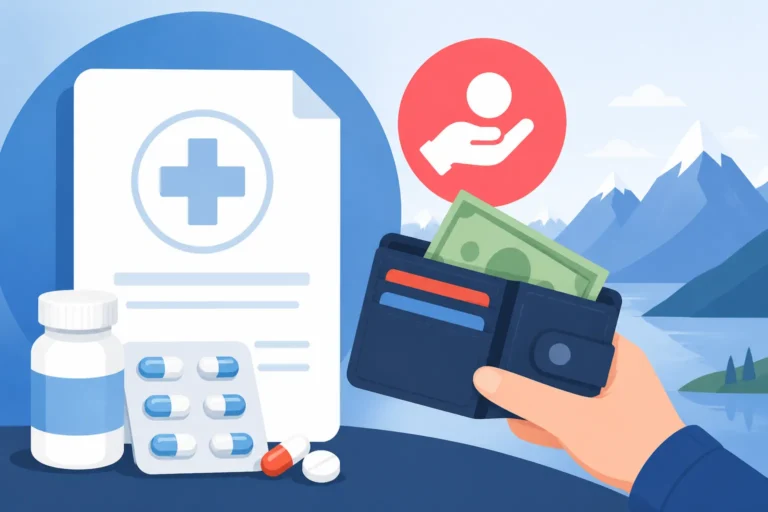
For chronic conditions that require medication for more than three months a year, your doctor will apply for a "blue prescription." This means you only pay a small fraction of the cost, and that payment counts toward your annual "frikort" limit. Once you hit the limit (which is around 3,100 NOK in 2026), your chronic medications are free for the rest of the year. For an expat coming from a country with high drug costs, this is one of the biggest benefits of the Norwegian system.
However, getting a chronic diagnosis recognized can be a process. If you were diagnosed abroad, the Norwegian system often requires a "re-validation" by a local specialist. You can't just show up with a bottle of pills from the US or UK and expect a blue prescription. You need a referral from your GP to a specialist, and Specialist Referrals in Norway: How the Waiting Times Work can be long. Planning this transition is crucial for anyone moving to Norway with a pre-existing condition.
The "Ansvarsgruppe" and Coordinated Care
For complex chronic conditions involving multiple specialists, the municipality will often form an "Ansvarsgruppe" (Responsibility Group). This is a team that meets periodically to discuss your care. It might include your GP, a home nurse, a physical therapist, and perhaps a representative from the NAV (Social Security) office if your health affects your ability to work.
As an expat, you have the right to be present at these meetings. I highly recommend attending. It’s your chance to ensure that all these different parts of the Norwegian bureaucracy are actually talking to each other. It can be intimidating to sit in a room with five Norwegian professionals, but it’s the best way to prevent your care from falling through the cracks. If you need a translator, you are legally entitled to one for free—never hesitate to ask for "tolk."
This coordinated care is particularly important for conditions like Mental Health in Norway: Accessing Therapy and Psychiatric Care. Long-term mental health issues are treated with the same municipal-priority approach as physical ones. There are "ambulant teams" that can visit you at home if you are in a crisis, and long-term psychiatric "boliger" (housing) for those who cannot live entirely alone. The system tries to avoid long-term hospitalization, preferring community-based support.
Physiotherapy and Rehabilitation
Long-term care often involves ongoing physical therapy. In Norway, you no longer need a referral from a doctor to see a physiotherapist, but if you want the state (Helfo) to cover the costs, the physiotherapist must have an "avtale" (contract) with the municipality.
The waiting lists for these "contract" therapists can be months long. If you have a "viktig" (urgent/important) chronic condition, you might get priority, but many expats end up paying for private physiotherapy out-of-pocket to avoid the wait. Once you are in the system, however, the care is excellent. They focus on "rehabilitering"—getting you back to a functional level where you can navigate the snowy streets and steep stairs that are common in Norwegian cities.
There are also specialized rehabilitation centers (opptreningssentre) located across the country, often in beautiful natural settings. If you’ve had a major event like a stroke or a heart attack, you might be sent to one of these for 3–4 weeks of intensive therapy. The focus is on "mastering" your new reality. These stays are mostly covered by the state, and they are highly regarded as some of the best care Norway offers.
| Service Type | Provider | Cost Basis | Access Method |
|---|---|---|---|
| Home Nursing | Municipality | Free (Medical) | Municipal Assessment |
| Practical Help | Municipality | Means-tested (Income) | Municipal Assessment |
| Nursing Home | Municipality | 75-85% of Income | Medical Necessity/Crisis |
| Blue Prescription | Pharmacy | Subsidized (Frikort counts) | GP/Specialist Diagnosis |
| Assisted Living | Municipality/Private | Rent + Service Fees | Application/Assessment |
| Physical Therapy | Private/Contracted | User Fee until Frikort | Direct Access |
The Role of Private Health Insurance in Long-Term Planning
You might be wondering: if the state covers all of this, why would anyone want private insurance? In Norway, private insurance is not about "better" medical care (the public surgeons and nurses are the same ones used in private clinics), but about speed and choice.
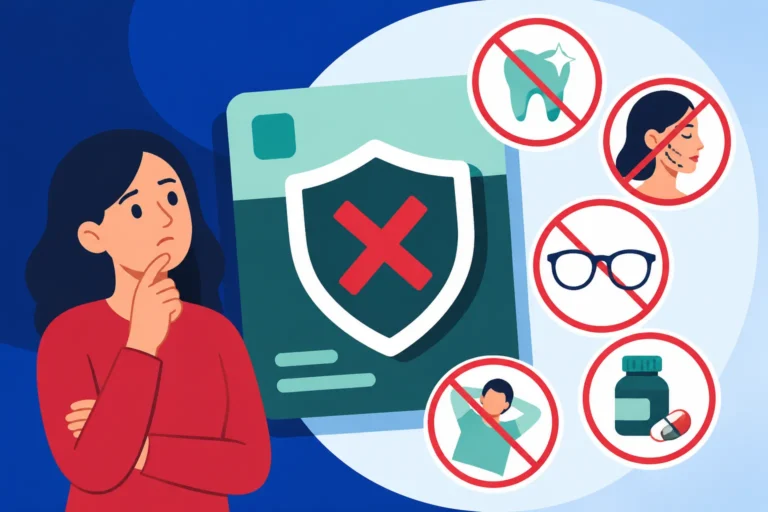
For long-term care and preventive health, private insurance like Cigna Global or SafetyWing can play a strategic role for expats. For example, the public system's preventive screenings are fixed based on age. If you want a full-body scan or more frequent check-ups than the Norwegian government deems "necessary," private insurance allows you to bypass the GP gatekeeper and go straight to a private clinic like Volvat or Aleris.
Furthermore, while the state will keep you at home with Hjemmesykepleie, they won't pay for a "live-in" companion or specific lifestyle-focused care. If you want a higher level of service or a private room in a specific facility without waiting for a municipal "crisis," having a global policy can provide the liquidity and access needed to opt-out of the public queue.
Why Expats Choose Supplemental Coverage
For many of us, the "85% income" rule for nursing homes is a scary prospect. While private insurance doesn't usually pay for a nursing home forever, it can cover specialized treatments or private consultations that the public system might label as "elective." If you want a second opinion from a specialist in London or New York for your chronic condition, the Norwegian public system won't pay for it—but Cigna Global might.
SafetyWing is particularly popular among the "digital nomad" expat crowd in Norway. If you are here on a temporary visa or haven't yet fully integrated into the Folkeregistry (and thus don't have full rights to all municipal services), having that private safety net is essential. It ensures that a sudden chronic onset doesn't leave you in a "D-number" limbo where you are only entitled to emergency care.
Using private insurance for Understanding the Frikort: The 2026 Healthcare Exemption Card Limit transitions is also common. If you are waiting for a public specialist referral for a chronic issue, you can use your private insurance to see a private specialist within 48 hours. They can then perform the diagnostic tests and send the results to your Fastlege, who can use those results to trigger the "Blue Prescription" in the public system. It’s a way of "greasing the wheels" of the bureaucracy.
Private Nursing and Boutique Care
In the major cities, a small industry of private long-term care is emerging. These companies offer things the municipality considers "extra": taking you to the theater, helping with garden work, or providing a consistent nurse who speaks your native language.
If you have the financial means, private insurance or personal savings can be used to "top up" the municipal care. For example, the municipality might provide the morning and evening medical visits, but you pay a private company to stay with you during the afternoon for social interaction. This "hybrid" model is becoming more common among the expat community who want to maintain a standard of living that the "one-size-fits-all" municipal system can't always provide.
It is important to remember that even with private insurance, you are still part of the Norwegian public health system. If you have a heart attack, you are going to the same public emergency room (Legevakt) as everyone else. The private layer is for the long, slow, manageable parts of health—the chronic monitoring, the elective surgeries, and the preventive screenings.
Navigating the Administrative Side of Long-Term Care
The success of your long-term health journey in Norway depends on your "papirmølle" (paper mill) skills. You must be proactive. The system is designed to catch you if you fall, but it doesn't necessarily help you "walk" unless you ask. This starts with ensuring your address is correctly registered and that you have a Folketrygden Basics: Who is Covered by the National Insurance Scheme status.
When dealing with NAV (the Labor and Welfare Administration), be prepared for long processing times. If your chronic illness prevents you from working, you will be moving from "Sykepenger" (sick pay) to "AAP" (Work Assessment Allowance) and potentially to "Uføretrygd" (disability pension). This administrative path is separate from the medical path, but the two are inextricably linked. NAV will need constant updates from your GP, and any "gap" in your medical documentation can lead to a stop in your payments.
For expats, the "language of bureaucracy" is the biggest hurdle. Words like "brukermedvirkning" (user participation) and "samhandling" (interaction between departments) are not just buzzwords; they are the legal principles that govern your care. If you don't use this language in your applications, the caseworkers might not realize you know your rights. Don't be afraid to use a "pårørende" (next of kin) or a professional advocate to help with these filings.
Power of Attorney and Future Planning
In Norway, a "Fremtidsfullmakt" (future power of attorney) is a vital document. It allows you to specify who should make decisions for you regarding your health and finances if you become cognitively unable to do so (e.g., due to advanced dementia).
Without this document, the state will appoint a "verge" (guardian), who is often a professional stranger. For an expat whose family might be in another country, this is a disaster. You want someone who understands your culture, your language, and your specific wishes. You should have this document drafted by a Norwegian lawyer and registered while you are still "samtykkekompetent" (competent to consent).
You should also discuss your "end of life" wishes with your GP. While Norway does not have assisted dying, it has a strong tradition of "palliative care" and "living wills" regarding life-prolonging treatment. These discussions are recorded in your Helsenorge profile, ensuring that your wishes are respected regardless of which hospital or nursing home you end up in.
Appealing a Decision (Klageadgang)
If the municipality denies your application for home nursing or a nursing home spot, you have the right to "klage." The deadline is usually 3 or 4 weeks from the date you received the decision.
Your appeal should be sent back to the municipality first. They will review it to see if they made a mistake. If they uphold their denial, the case is sent to the State Administrator (Statsforvalteren). This is an independent body that checks if the municipality has followed the law. As an expat, this is your primary protection against local budget cuts. If your doctor says you need care for safety reasons, the State Administrator will often side with you against a municipality that says they "don't have the space."
The appeal process is slow, often taking several months. During this time, you might have to rely on private care or family help. This is why it’s critical to start the application process before you are in a total crisis. The Norwegian system moves at a glacial pace, but it is a "rettsstat" (a state based on law)—if you have the law on your side and the patience to follow the process, you will eventually get the care you are entitled to.
Medical Disclaimer
The information provided in this guide is for informational and educational purposes only. It is not intended to be a substitute for professional medical advice, diagnosis, or treatment. Always seek the advice of your physician, the Norwegian health authorities (Helsenorge/Helfo), or other qualified health providers with any questions you may have regarding a medical condition or the specifics of the Norwegian healthcare laws. Healthcare regulations in Norway are subject to frequent change, and while we strive for accuracy, you should always verify current rates and rules with official government sources.