Navigating Health Insurance for Unemployed Expats in Norway
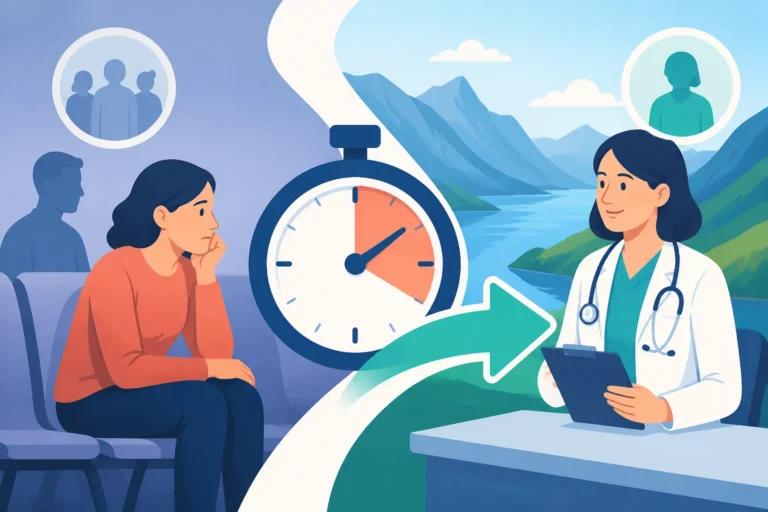
Landing in Norway with a job offer is the dream, but finding yourself between roles—or arriving as a job seeker—can feel like walking a tightrope without a net. I remember the pit in my stomach when my first contract ended and I wasn't sure if my Helsenorge login would suddenly stop working. This guide explains how to protect your health while navigating unemployment in the Nordics.
Understanding Folketrygden and Your Membership Status
The most common misconception I hear from fellow expats is that your right to see a doctor is strictly tied to your current monthly payslip. In many countries, health insurance is an "employer-benefit" model where losing your job means losing your coverage the same day. Norway operates differently, but that doesn't mean there aren't traps for the unwary. Your access to the public health system is based on membership in the National Insurance Scheme, known as Folketrygden.
In most cases, if you are legally resident in Norway and intend to stay for at least 12 months, you are a member of Folketrygden from your first day of arrival. This membership is what grants you the right to public healthcare services. When you become unemployed, you do not automatically lose this membership as long as your residence permit remains valid and you continue to live in the country. However, the administrative side can get "sticky." If you are between jobs, your contributions to the scheme shift from being deducted from a salary to being part of your tax assessment or covered via your unemployment benefits.
If you are receiving Getting Unemployment Benefits (Dagpenger) as a Foreign Resident, you are still contributing to the National Insurance Scheme through the deductions made on those benefits. This ensures your continuity of care remains seamless. The real anxiety begins for those who do not qualify for Dagpenger—perhaps because they haven't worked long enough in Norway—or for those who arrived as job seekers from outside the EU/EEA. For a deeper dive into the foundations of this system, you should check out Folketrygden Basics: Who is Covered by the National Insurance Scheme.
The Gap Between Job Seeking and Full Residency
For many of us, the hardest part is the "transition phase." If you are in Norway on a job-seeker visa or if you are an EU citizen looking for work, your status in the National Insurance Scheme can feel frustratingly ambiguous. Usually, to be considered a full member with a assigned GP, you need to be registered in the National Registry (Folkeregisteret) and have a permanent eleven-digit birth number (fødselsnummer).
If you are currently only holding a D-number, your rights are much more limited. Many newcomers struggle with this; they have a legal right to "necessary" healthcare, but they don't have a The Fastlege Scheme: Navigating Norway’s GP System because the system assumes their stay is temporary. In this scenario, you are often relegated to using the emergency room (Legevakten) for things that really should be handled by a family doctor. This is not only more expensive but also significantly more stressful when you are already worried about your finances.
During these gaps, many expats find that the public system’s definition of "necessary" is much narrower than they’d like. If you have a chronic condition or need regular prescriptions, relying solely on the D-number status while unemployed can be a recipe for a headache. This is where looking at Healthcare Rights for D-Number Holders: Exclusions and Alternatives becomes essential. You need to know exactly what the state will pay for and what will come out of your own pocket.
Comparing Your Healthcare Options During Unemployment
When you don’t have a steady paycheck, the way you access care depends heavily on your specific immigration status and how long you’ve been in the country. To make it easier to visualize, I’ve broken down the three primary pathways expats take when they find themselves without an employer-sponsored safety net.
| Status | Primary Care Access | Cost Structure | Best For |
|---|---|---|---|
| Full Resident (Fødselsnummer) | Assigned Fastlege (GP) | User fees until Frikort limit | Long-term expats between jobs |
| Job Seeker (D-Number) | Legevakten / Private Clinics | Full cost out-of-pocket | New arrivals or short-term seekers |
| Private Insurance Holder | Private Specialists / Global Network | Monthly premium / Low deductible | Those wanting to bypass public wait times |
If you fall into the middle category—the job seeker with a D-number—you are in a high-risk zone. Because you aren't yet a "full" member of the social security system, a single hospital visit can result in a bill that wipes out your savings. In these instances, it is often worth looking into something like SafetyWing. They specialize in flexible, month-to-month coverage that acts as a bridge while you wait for your residency paperwork to clear or for your first Norwegian contract to start. It’s a way to avoid the "Legevakten sticker shock" that often catches many newcomers off guard.
On the other hand, if you are a skilled worker who has been laid off and you have a complex medical history, the public waiting lists for specialists can feel like an eternity. If you have the means, maintaining a policy with a provider like Cigna Global can be a lifesaver. It allows you to access private hospitals in Oslo or Bergen without waiting for a referral from a public GP, which is often a bottleneck in the Norwegian system.
Maintaining Your Health and the Frikort System
One of the few "silver linings" of the Norwegian system is that it is designed to protect those with low incomes, including the unemployed. If you are a member of the National Insurance Scheme, you are subject to the same user fee (egenandel) caps as everyone else. Every time you visit your GP or buy a "blue slip" prescription, that amount is tracked by the state.
Once you hit the annual limit—which usually sits around 3,000 NOK—you are issued a "Frikort." For the rest of the calendar year, your doctor visits and many essential medications are free. For someone who is unemployed, reaching this limit early can actually be a financial relief, as it makes healthcare costs predictable. You can learn more about how this works in Understanding the Frikort: The 2026 Healthcare Exemption Card Limit.
However, remember that "white prescriptions" (medications not considered vital for chronic illness) and dental care are not covered by this cap. If you are struggling with dental pain while unemployed, the costs can be devastating because the public system generally only covers dental for children and specific vulnerable groups. It is worth investigating User Fees (Egenandel) for Doctor Visits Before Reaching Frikort Status to see exactly which of your expenses will count toward that free-care threshold.
Navigating Private Health Insurance: Is It Necessary?
This question often comes up: "If the public system is so good, why would an unemployed person pay for private insurance?" The answer usually comes down to two things: speed and certainty. While the public system is excellent for emergencies, it can be slow for "quality of life" issues—think physical therapy for a sports injury or a consultation for persistent skin issues.
When you are unemployed, your "job" is finding a new job. That requires being at 100% health. If you are stuck on a four-month waiting list to see a specialist, that is four months where you might not be performing your best in interviews. This is where a private policy becomes a strategic tool. Companies like Cigna Global offer plans that cover these private consultations, effectively allowing you to jump the queue.
For those who are in a true "limbo" state—perhaps you've stayed past your initial contract and are waiting for a visa renewal—SafetyWing offers a more budget-friendly, nomadic approach. It provides a safety net for major accidents or sudden illnesses without requiring the long-term commitment of a premium private plan. Especially if you are considering Do I Need Private Health Insurance if I Live in Norway?, you have to weigh the monthly premium against the potential cost of paying 2,000 NOK for a single private GP visit at a clinic like Dr.Dropin.
Steps to Take if You Lose Your Job Tomorrow
If you find yourself facing unemployment, don't wait for a medical emergency to figure out your status. The bureaucracy in Norway moves slowly, but it is very logical once you know the steps. Your first priority should be ensuring your registration with NAV is correct, as this is the primary link between your employment status and your social security rights.
First, verify your status on Helsenorge. This portal is your central hub for everything medical. You can see who your GP is, check your Frikort status, and view your prescriptions. If your GP suddenly disappears from your profile, it’s a sign that there is an issue with your residency registration in the National Registry. To prevent this, make sure your address is always updated; you can follow the steps in First 30 Days Health Checklist: GP, Frikort, and Pharmacies to ensure your administrative ducks are in a row.
Second, if you are a D-number holder, seriously consider a bridge insurance. The risk of being "uncovered" is too high. Even a simple infection that requires a late-night visit to the Legevakten (116 117): When and How to Use the Out-of-Hours Service can be a significant financial blow when there is no salary coming in. Being proactive about your insurance status is just as important as updating your CV.
Managing Prescriptions and Chronic Illness Without a Salary
For expats with chronic conditions like asthma, diabetes, or hypertension, unemployment adds a layer of "prescription panic." In Norway, the "Blue Prescription" system is your best friend. These are subsidized medications for long-term illnesses. If you are already on a blue prescription, your unemployment doesn't change your right to the subsidy, provided you remain a member of Folketrygden.
If you are new to Norway and haven't yet been brought into the public system, you will likely be on "White Prescriptions," meaning you pay the full market price. For some medications, the price difference is staggering. If you are in this position, I highly recommend discussing your situation with your doctor. They can sometimes help navigate the Helfo reimbursement system, though this is notoriously difficult for those without a permanent ID number.
If you find yourself needing to see a specialist but the public wait times are too long, you might wonder Can I See a Private Specialist Without a Fastlege Referral?. The answer is yes, but it will be expensive. This is why many expats choose to keep a basic private policy even when they are trying to cut costs elsewhere; the ability to maintain your health is the foundation of your ability to remain in Norway long-term.
Disclaimer
The information provided in this guide is for informational purposes only and does not constitute legal, financial, or professional medical advice. Healthcare regulations and immigration laws in Norway are subject to frequent changes. Always verify your current status with the Norwegian Directorate of Health (Helsedirektoratet), NAV, or UDI to ensure you are compliant with the latest requirements. Be aware that individual circumstances, such as specific visa types or treaty agreements between Norway and your home country, may affect your healthcare rights and obligations.