Flu Shots in Norway: Risk Groups and Pharmacy Vaccinations
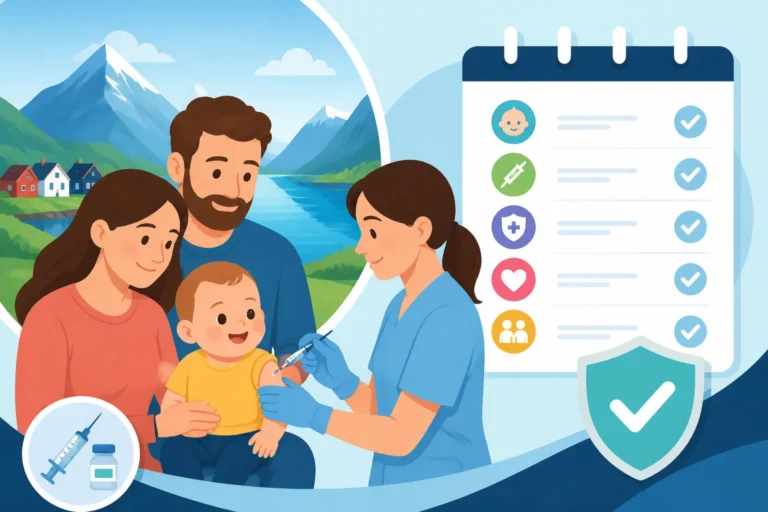
Every autumn in Norway, the temperature drops, the "mørketid" sets in, and like clockwork, the office starts echoing with that unmistakable heavy cough. I remember my first winter in Oslo when a simple flu knocked me sideways for two weeks because I didn't realize how easy it was to get a jab at the local Apotek. This guide solves the confusion around who qualifies for subsidized shots, where to go without a referral, and how to stay healthy during the Norwegian winter.
Understanding the Norwegian Influenza Season
The influenza season in Norway typically runs from October through May, peaking anywhere between late December and early March. Because we spend so much time indoors in well-insulated, heated buildings during these months, the virus spreads with incredible efficiency. Unlike some warmer climates where you might just get a "bad cold," the strains that circulate in the Nordics can be particularly grueling, often leading to secondary infections like pneumonia if your immune system is already struggling with the lack of sunlight.
Preparing for this season is a core part of the First 30 Days Health Checklist: GP, Frikort, and Pharmacies that every new arrival should review. While the Norwegian government does an excellent job of monitoring strains, the responsibility to get vaccinated lies largely with the individual. You won't usually get a letter in the mail telling you it is time for your shot unless you are in a very high-risk category with a very proactive GP. For the rest of us, it requires a bit of "egeninnsats" or self-effort.
It is also worth noting that the flu shot changes every year. The Norwegian Institute of Public Health (FHI) works with global organizations to predict which strains will hit the northern hemisphere. Even if you had a shot back home six months ago, the seasonal variations in Norway might require a fresh dose to ensure you are protected against the specific strains circulating in Scandinavia.
Who Qualifies for the Subsidized Flu Shot
Norway operates on a tiered system when it comes to healthcare costs. The government prioritizes "risk groups"—people who are more likely to experience severe complications or death from the flu. If you fall into one of these categories, the cost of the vaccine is significantly lower, and you can usually get it through your The Fastlege Scheme: Navigating Norway’s GP System for a small user fee.
Official Risk Groups for 2026
The FHI defines risk groups quite broadly to ensure the most vulnerable are covered. This includes everyone aged 65 and older, regardless of their current health status. It also covers pregnant women in their second and third trimesters, and those in the first trimester if they have other underlying chronic conditions. If you are pregnant, your midwife or GP will likely bring this up during a routine checkup, as Family Health in Norway: Pregnancy, Childbirth, and Pediatric Care emphasizes preventative maternal health.
Other groups include children and adults with chronic lung disease, heart disease, neurological disorders, or suppressed immune systems. Diabetes (both Type 1 and Type 2) is also a major qualifier. If you are unsure if your condition qualifies, it is best to check your status on the Helsenorge portal or ask your doctor during a regular appointment. People in these groups usually pay a subsidized price of around 100 to 200 NOK for the vaccine itself, plus the standard consultation fee until they reach their Healthcare Budgeting: The Frikort Exemption Card and User Fees limit.
Healthcare Workers and Vulnerable Contacts
If you work in the healthcare sector with patient contact, your employer is actually required by law to offer you the flu vaccine free of charge. This is part of the broader Norwegian Work Culture: Flat Hierarchies and Communication Styles where the health of the collective is prioritized. Similarly, if you live with someone who is severely immunocompromised, you may be encouraged to get vaccinated to create a "cocoon" of safety around them, though you may still have to pay the full price if you don't have a specific medical reason yourself.
Getting Your Vaccination at a Pharmacy
For the majority of expats who are healthy and working, the pharmacy (Apotek) is the most convenient route. You do not need a prescription from a doctor to get a flu shot at a pharmacy in Norway. Major chains like Apotek 1, Vitusapotek, and Boots have trained pharmacists who can prescribe and administer the vaccine on the spot. This is a massive time-saver compared to waiting for a GP appointment.
The Walk-in Experience
Most pharmacies in major cities like Oslo, Bergen, and Stavanger offer walk-in services, though booking online is becoming the norm. You simply show up, present your ID (a passport or your Norwegian national ID card), and fill out a short digital questionnaire. They will ask if you have any allergies—specifically to eggs, as many flu vaccines are egg-based—and if you have felt ill or had a fever in the last 48 hours.
Once the pharmacist administers the shot, you are required to sit in the pharmacy for 20 minutes. This is a strict safety rule in Norway to ensure that if you have a rare allergic reaction, medical professionals are right there to help. I usually use this time to browse the Over-the-Counter (OTC) Drugs in Norway: What You Can Buy in Supermarkets section or pick up some high-dose Vitamin D, which is essential for Coping with Seasonal Affective Disorder (SAD) in the Norwegian Winter.
Costs and Booking Portals
When you go through a pharmacy, you are paying for both the vaccine and the administration service. In 2026, the total cost usually hovers between 400 and 600 NOK. While this is higher than the subsidized GP rate, the convenience of being able to go after work or on a Saturday is worth it for many. Most pharmacies use a booking system called "Helseboka," which you can access via their websites. You log in using BankID, choose your time slot, and the record of your vaccination is automatically uploaded to your national health profile on Helsenorge.
| Feature | Public GP (Risk Groups) | Pharmacy (Everyone) | Private Clinic |
|---|---|---|---|
| Availability | Requires Appointment | Walk-in or Online Booking | Appointment Only |
| Average Cost | 100 – 250 NOK | 400 – 600 NOK | 700 – 1,000 NOK |
| Referral Needed | No (but must be in risk group) | No | No |
| Wait Time | Days to Weeks | Minutes | Days |
| Recorded in Helsenorge | Yes | Yes | Yes |
The Role of Private Health Insurance
While the public system is robust, many expats choose to supplement it with private options. If you are here on a shorter-term assignment or as a digital nomad, you might be using SafetyWing, which is excellent for unexpected illnesses but generally focuses on emergency care rather than preventative routine vaccinations. However, for those with comprehensive international plans like Cigna Global, preventative wellness benefits often cover the full cost of seasonal flu shots at private clinics or pharmacies.
When to Choose Private Clinics
If you prefer a more "concierge" experience or need to bundle your flu shot with other tests, private clinics like Volvat or Aleris are options. They are more expensive, but they offer English-speaking staff and almost zero wait times. This is often the preferred route for high-level executives or those whose companies provide a Private Health Insurance in Norway: Is It Worth the Extra Cost? package as part of their benefits.
Even if you aren't covered by a private plan, paying out of pocket at a pharmacy is a small price to pay to avoid the "man-flu" that seems to hit extra hard during the dark, cold Norwegian months. If you are managing other conditions, such as Managing Chronic Illness in Norway: Diabetes, Asthma, and Heart Disease, staying on top of your vaccinations is even more critical to avoid hospitalizations.
Insurance for Nomads and New Arrivals
If you haven't yet received your fødselsnummer (national ID number), navigating the public system can be tricky. In these cases, having a policy from SafetyWing can provide peace of mind for other health issues while you wait for your paperwork to clear. Once you are settled, Cigna Global offers the kind of long-term stability that covers a wider range of preventative care. Remember that even without a national ID, you can usually still get a flu shot at a pharmacy by showing your passport, though you will pay the full private rate.
Practical Tips for the Vaccination Day
To make your experience as smooth as possible, there are a few local quirks to keep in mind. First, wear a short-sleeved shirt under your heavy Norwegian wool sweater. Pharmacies don't always have private changing rooms; often, they have a small screened-off area, so being able to easily expose your upper arm is helpful.
Secondly, don't plan a heavy workout at the gym (or a long cross-country ski trip) immediately after your shot. It is common to have a sore arm or a mild "heavy" feeling for 24 hours. Given how much Norwegians value their Friluftsliv: Embracing the Norwegian Outdoors and "Right to Roam", it can be tempting to head to the forest the moment you feel a burst of energy, but your body needs a moment to process the vaccine.
Finally, keep an eye on your Helsenorge app. Within a day or two of your pharmacy visit, the vaccination should appear under your "Vaksiner" tab. This is a permanent digital record that travels with you throughout Norway. If you ever need to prove your vaccination status for work or travel, it is right there on your phone. If it doesn't appear, you can contact the pharmacy where you got the jab, and they can manually sync the data using your D-number or personal number.
Beyond the Flu Shot: Staying Healthy in Norway
The flu shot is just one piece of the puzzle. To truly survive a Norwegian winter without falling ill, you need a multi-faceted approach. This includes aggressive hand-washing—especially when using public transport like the T-bane in Oslo—and maintaining your levels of Vitamin D. You should read our guide on Vitamin D Guidelines for Expats Surviving the Dark Season to understand why the dosage you took in California or Spain won't cut it here.
Nutrition also plays a huge role. While the Matpakke: The Unwritten Rules of the Norwegian Packed Lunch might seem a bit repetitive, incorporating fatty fish like salmon or mackerel (makrell i tomat) provides essential omega-3s that support your immune system. If you do end up getting sick despite the vaccine, remember to follow the local rules for Egenmelding vs Sykemelding: Self-Reporting Sickness to Your Employer so you can rest without worrying about your job security.
Navigating the medical landscape in a new country is always a bit of a hurdle, but the flu shot is one of the easiest "wins" you can have. Whether you go through your Fastlege or pop into a Vitusapotek during your lunch break, taking that 20-minute pause in October can save you two weeks of misery in January. Stay warm, stay hydrated, and don't let the "vinternatt" catch you unprotected.
Disclaimer
The information provided in this guide is for educational and informational purposes only and does not constitute professional medical advice. Always seek the advice of your physician or another qualified health provider in Norway with any questions you may have regarding a medical condition or vaccination. Healthcare regulations and prices in Norway are subject to change, and you should verify current requirements with the Norwegian Institute of Public Health (FHI) or your local pharmacy.