Can I Get Antibiotics Over the Counter in Norway?
You wake up in Oslo or Bergen with a throbbing sinus infection and head to the nearest pharmacy, expecting to grab a quick pack of amoxicillin. I remember my first winter here, hacking away with a chest infection, only to find out that my local pharmacy wouldn't even look at me without a digital slip from a doctor. This guide explains why you cannot buy antibiotics over the counter in Norway and exactly how to navigate the system to get the treatment you need.
The Strict Reality of Antibiotic Access in Norway
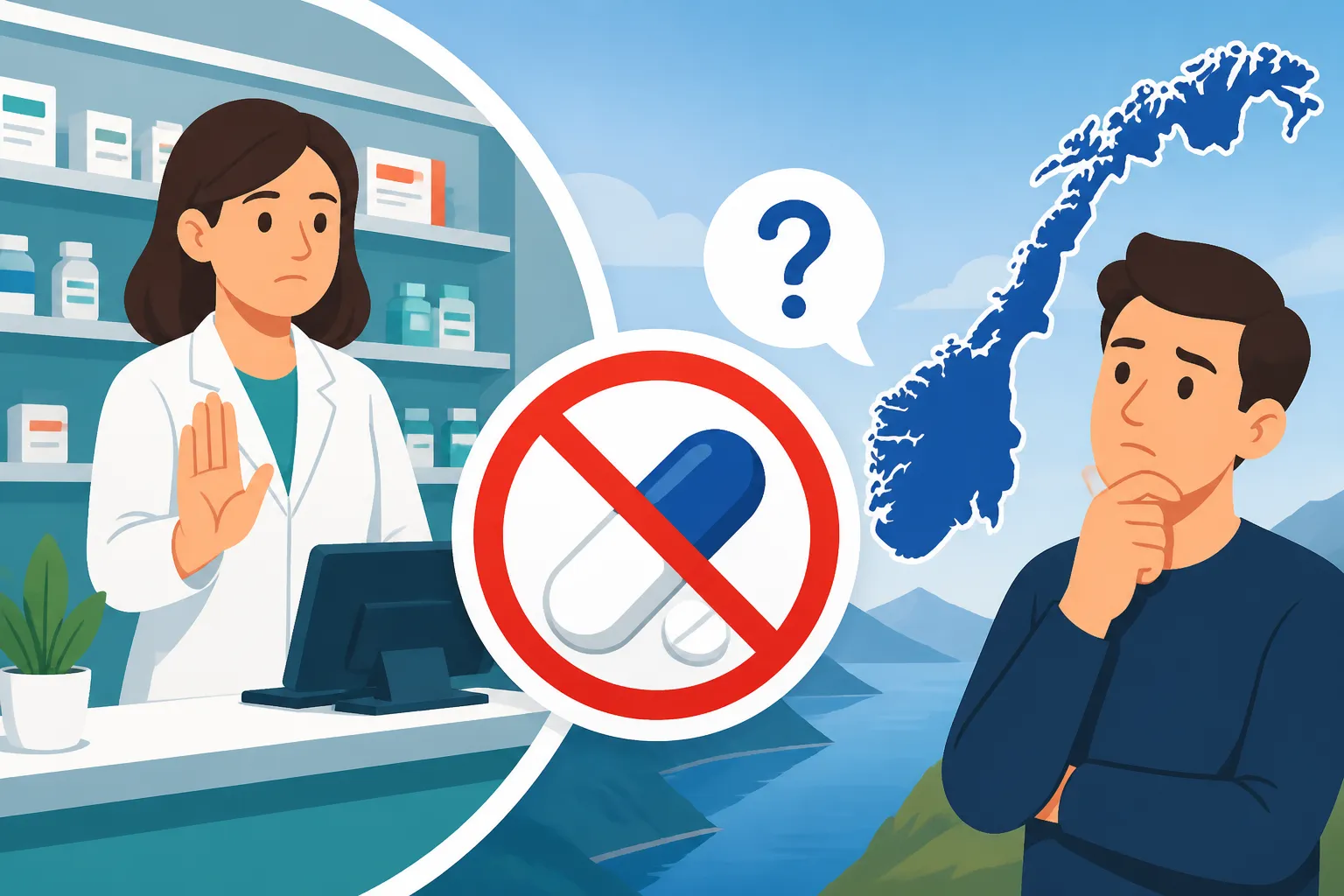
If you are coming from a country where you can simply walk into a chemist and buy a blister pack of Zithromax, the Norwegian system will feel like a fortress. In Norway, antibiotics are strictly regulated and classified as prescription-only medications. You cannot buy them over the counter under any circumstances. This is not a matter of a pharmacist being difficult; it is a matter of national law and a deeply ingrained medical philosophy.
Norway has some of the lowest rates of antibiotic resistance in the world. The health authorities here, guided by the Norwegian Medicines Agency, are incredibly protective of this status. They view antibiotics as a precious resource that must be guarded to ensure they remain effective for future generations. Consequently, doctors are trained to be conservative. If you have a sore throat, don't be surprised if the doctor tells you to go home, drink tea, and wait three days before they even consider a prescription.
This "watchful waiting" approach can be incredibly frustrating when you feel like death warmed over. However, it is the standard of care. You must prove a bacterial infection exists—often through a blood test like a CRP (C-reactive protein) performed right there in the clinic—before a script is issued. For expats, this means your first point of contact must always be a licensed medical professional, not a pharmacist. If you are a frequent traveler or a digital nomad, having a plan like SafetyWing can help cover the costs of these necessary medical consultations while you are navigating the local hurdles.
How to Get an Antibiotic Prescription as an Expat
To get your hands on antibiotics, you need a prescription, which in Norway is almost always digital (known as an e-resept). The process depends entirely on your residency status and whether you have a Norwegian national identity number. For those who are officially registered in the Folkeregisteret, your primary gateway is The Fastlege Scheme: Navigating Norway’s GP System. Your Fastlege (GP) is the only person who can provide a standard prescription after a consultation.
If you have your digital life in order, the easiest way to manage this is via the Helsenorge portal. Most residents will use their electronic ID to log in and manage appointments. If you are still waiting for your paperwork, you should learn How to Book a Doctor’s Appointment Online Using BankID to streamline the process. For those who are brand new to the country and haven't received their credentials yet, the process is more manual. You will need to call a clinic directly, and you may find it helpful to read about What to Do if You Need a Doctor but Don't Have BankID to avoid being turned away by automated phone systems.
For minor issues like a suspected UTI or a skin infection, you might not need to visit a physical clinic. Private digital health providers have become a godsend for the expat community. Services like Dr.Dropin or Kry allow you to speak with a doctor via video. If they determine you need antibiotics, they can send an electronic prescription to the national database instantly. You can find more details on this in our guide on Using Private Video Consultations (Kry, Dr.Dropin) in Norway. This is often the fastest route for busy professionals who cannot wait three days for a GP opening.
Navigating the Pharmacy and Costs
Once a doctor has issued your e-resept, you can walk into any pharmacy (Apotek) in Norway. You don't need a paper slip; you simply hand over your ID (or passport if you don't have a national ID yet), and they pull up your prescription on their screen. It is a seamless system, but you need to understand the different types of prescriptions. Most antibiotics for acute infections are "white prescriptions," meaning you pay the full price yourself.
If you are dealing with a chronic condition that requires long-term antibiotic use, you might be eligible for a "blue prescription," which is heavily subsidized by the state. Understanding the difference is crucial for your personal budgeting. You should check out our detailed breakdown of Pharmacies and Prescriptions in Norway: White vs Blue Slips to understand how these costs are calculated. While antibiotics themselves are generally not bank-breakingly expensive, the consultation fee to get the prescription can be. This is where comprehensive coverage from providers like Cigna Global becomes invaluable for expats, as they can help offset the private clinic fees that often come with seeking "fast" care.
| Service Type | Typical Wait Time | Cost Level | Best For |
|---|---|---|---|
| Fastlege (GP) | 1–5 days | Low (User Fee) | Non-urgent infections for residents |
| Legevakten | 2–6 hours | Medium | After-hours or urgent needs |
| Private Clinic | Same day | High | Speed and English-speaking staff |
| Online Doctor | 15–30 mins | Medium | UTIs, skin issues, simple scripts |
Emergency and After-Hours Access
Bacterial infections don't always happen during business hours. If you develop a high fever or severe pain on a Saturday night, you cannot wait for your GP. In these cases, you must use the Legevakten (the municipal emergency clinic). This is not the same as the ER at a hospital; it is a primary care center for urgent issues that cannot wait. You can learn more about this service by reading Legevakten (116 117): When and How to Use the Out-of-Hours Service.
Be prepared to wait. The Legevakten operates on a triage system, and a "simple" need for antibiotics for a sinus infection will be put at the bottom of the pile behind broken bones and breathing difficulties. If your situation is truly life-threatening, you should be Calling 113: Ambulance Services and Life-Threatening Emergencies or heading straight to the hospital. However, for most infections, the Legevakten is your only weekend option.
For tourists or those just visiting, the rules remain the same. Even if you have a prescription from your home country, a Norwegian pharmacist is unlikely to honor it unless it is from another Nordic or EU/EEA country. Most tourists will need to see a local doctor to get a Norwegian equivalent. For more on this, see Tourist Medical Care: What Happens if You Get Sick in Norway?. Having travel insurance like SafetyWing is highly recommended here, as they are accustomed to handling claims for these types of urgent "walk-in" visits.
What You Can Get Without a Prescription
Since you can't get antibiotics, what can you actually buy to manage your symptoms while you wait for a doctor? Norwegian pharmacies have a decent selection of over-the-counter (OTC) medications, but even these are more restricted than in many other countries. You won't find large bottles of 500-count ibuprofen here. Instead, you'll find small packs of 20.
For basic pain and fever management, you can look into Paracetamol and Ibuprofen: Supermarket vs Pharmacy Rules in Norway. Many basic items are available in supermarkets like Kiwi or Rema 1000, but they are often kept behind the counter at the register. If you need something stronger, like high-dose cough syrup or anything containing codeine, you are back to needing a prescription.
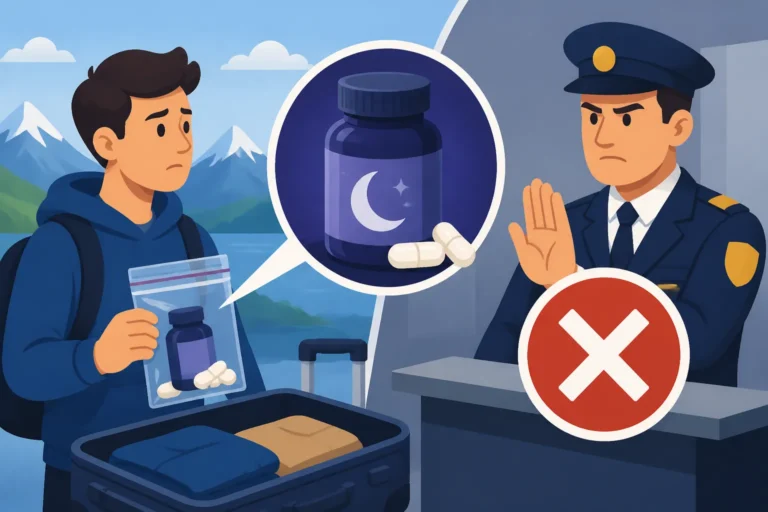
It is also worth noting that many "natural" or "herbal" remedies that are common elsewhere are treated with skepticism or strictly regulated here. If you are used to self-treating with specific supplements, you should review Over-the-Counter (OTC) Drugs in Norway: What You Can Buy in Supermarkets to see what is actually available. If you have a preferred brand of supplements or non-antibiotic treatments from home, be careful when importing them; you should consult the rules on Bringing Medication into Norway: Customs Rules and Schengen Certificates to avoid having your packages seized at the border.
The Role of Private Health Insurance
While Norway’s public system is excellent, the gatekeeping around antibiotics and specialist care can lead to long waits. This is why many expats choose to supplement their coverage. If you are here for the long haul, Cigna Global offers plans that allow you to bypass the public waiting lists and head straight to private specialists who may be more accustomed to international expectations regarding treatment speed.
Having private insurance doesn't mean you can "buy" antibiotics without a prescription—no insurance can override Norwegian law—but it does mean you can get that prescription much faster. Instead of waiting three days for a Fastlege appointment, you can often see a private doctor within two hours. For an expat trying to balance a new job and a move, those saved days are worth the investment. SafetyWing is another excellent choice, particularly for those in the "in-between" phase of their residency, providing a safety net while the Norwegian Social Security (Folketrygden) registration is still in progress.
In the end, getting antibiotics in Norway is about patience and following the digital trail. It might feel like an unnecessary hurdle when you're feeling miserable, but it's part of a system that prioritizes long-term public health. Respect the process, use the digital tools available to you, and don't be afraid to use private options if the public wait is too long.
Healthcare Disclaimer
The information provided in this article is for informational and educational purposes only and does not constitute professional medical advice, diagnosis, or treatment. Always seek the advice of a qualified healthcare provider in Norway with any questions you may have regarding a medical condition. Never disregard professional medical advice or delay in seeking it because of something you have read on this website. If you think you may have a medical emergency, call 113 or visit the nearest emergency room immediately.