Managing Chronic Illness in Norway: Diabetes, Asthma, and Heart Disease
Moving to a new country with a chronic condition feels like carrying a fragile glass ornament through a crowded airport. I remember vividly the anxiety of landing at Gardermoen with a half-empty box of inhalers, wondering if the Norwegian system would recognize my previous diagnosis or leave me gasping in the cold. This guide solves that uncertainty by detailing exactly how to manage diabetes, asthma, and heart disease within the Norwegian medical framework.
The Foundation of Chronic Care: Your Fastlege and Helsenorge
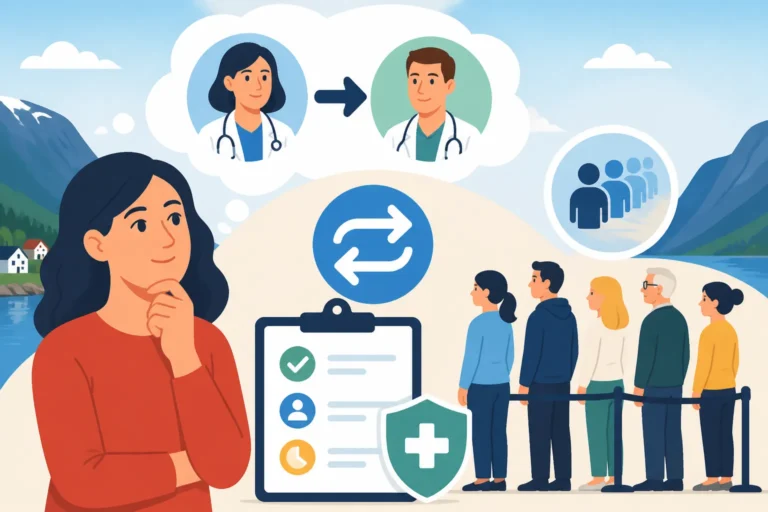
In Norway, your healthcare universe revolves around a single sun: the Fastlege. This is your General Practitioner (GP), and for anyone with a chronic condition, this relationship is the most critical administrative hurdle to clear. Unlike some systems where you might jump straight to a cardiologist or an endocrinologist, Norway requires you to work through this primary gatekeeper for almost everything.
The Role of the Fastlege as Your Chronic Care Coordinator
When you first arrive, your priority must be How to Register for a Fastlege (GP) on Helsenorge. Without a registered GP, you are essentially adrift in the system, relying on the Legevakten (116 117): When and How to Use the Out-of-Hours Service, which is designed for acute issues, not long-term management. Your Fastlege is the person who will take your foreign medical records, translate them into the Norwegian electronic system, and issue the vital "Blue Prescriptions" that keep your costs manageable.
I’ve sat in those small consultation rooms many times, and my best advice is to come prepared with a translated summary from your previous doctor. Norwegian GPs are highly competent, but they are also busy. If you can present a clear history of your HbA1c levels, your current asthma triggers, or your last echocardiogram results, the transition will be significantly smoother. They will be the ones to coordinate your Specialist Referrals in Norway: How the Waiting Times Work, ensuring that you see the right person at the hospital if your condition destabilizes.
Navigating the Helsenorge Digital Portal
Norway is arguably the most digitized healthcare society on earth. Everything happens through the Helsenorge portal. Once you have your BankID Explained: Norway's Digital Identity System and Expat Challenges sorted, you can log in to see your prescriptions, book appointments, and even message your doctor directly. For those of us managing daily symptoms, this is a godsend. No more waiting on hold for forty minutes just to ask for a refill.
However, the digital divide can be real for newcomers. If you don't have BankID yet, you might feel locked out of your own health data. In those early months, you may need to look into What to Do if You Need a Doctor but Don't Have BankID to ensure your treatment doesn't stall. For expats who are still in the "waiting for a D-number" phase, a plan from SafetyWing can provide a much-needed bridge, offering coverage for unexpected flare-ups while you navigate the bureaucratic trek toward full inclusion in the National Insurance Scheme.
Accessing Medication: The Blue Prescription System
The cost of medication is perhaps the biggest "sticker shock" or "relief" for expats, depending on where they moved from. In Norway, the system is designed to ensure that no one goes bankrupt because they need insulin or blood thinners. This is managed through a tiered prescription system that every chronic patient needs to understand deeply.
Blue Prescriptions (Blå Resept) for Long-Term Needs
If you have a chronic illness that requires medication for more than three months a year, you are likely eligible for Blue Prescriptions (Blå Resept): Subsidized Medication for Chronic Illness. Under this scheme, the government covers a significant portion of the cost. You only pay a small "user fee" (egenandel) until you hit a certain annual cap. Once you hit that cap, the medication is essentially free for the rest of the calendar year.
For someone with Type 1 Diabetes, this includes not just the insulin, but also test strips, lancets, and increasingly, Continuous Glucose Monitors (CGMs). However, there is a catch: the medication must be on the "reimbursement list." If your specific brand of asthma inhaler isn't listed, your doctor might have to apply for an individual exemption, or you might be switched to a Norwegian equivalent. This "switching" can be frustrating if you’ve used the same brand for a decade, but the pharmacological standards in Norway are exceptionally high.
White Prescriptions and Out-of-Pocket Costs
Not every medication qualifies for the blue slip. White Prescriptions (Hvit Resept): Paying Out-of-Pocket for Medicine are used for medications that the state doesn't consider essential for long-term survival or for conditions that are not currently on the reimbursement list. Many allergy medications or newer, "boutique" drugs might start on a white prescription.
If you find yourself paying high amounts for white prescriptions, keep your receipts. In some rare cases, if your annual spend exceeds a certain threshold, you can apply to Helfo for a partial refund. This is where having a comprehensive private policy, such as one from Cigna Global, can be a lifesaver. While the public system is robust, private insurance can sometimes cover the "white" costs or provide access to newer medications that haven't yet been cleared for the public reimbursement list.
Disease-Specific Management: Diabetes, Asthma, and Heart Disease
Managing a chronic condition in the Arctic circle presents unique challenges. The environment, the diet, and the specific Norwegian protocols for these "Big Three" illnesses might differ from what you are used to back home.
Managing Diabetes: High-Tech Support
Norway is a world leader in diabetes technology. If you are moving here with Type 1, you will likely find the Managing Chronic Illness in Norway: Diabetes, Asthma, and Heart Disease protocols very advanced. Most patients are managed by a combination of their Fastlege and a hospital-based endocrinology clinic. The focus is heavily on self-management and the use of technology like insulin pumps and CGMs.
One thing to be aware of is the "start-up" period. You won't get a pump on day one. You'll need to be referred to a hospital specialist, which can take several months. During this wait, ensure you have enough supplies from home. Once you are in the system, the Healthcare Budgeting: The Frikort Exemption Card and User Fees system kicks in, making the ongoing cost of diabetes technology remarkably low compared to the US or even parts of the UK.
Asthma and the Nordic Climate: Breathing through the Cold
The biggest shock for asthma sufferers is the "Mørketid" (Dark Season) and the extreme dry cold of the Norwegian winter. Cold air is a massive trigger for bronchial spasms. I learned the hard way that a simple walk to the grocery store at -10°C can trigger an attack if you aren't prepared. Norwegians often use "heat exchangers"—masks that warm the air before it hits your lungs—when exercising outdoors.
Furthermore, Allergy Medicine in Norway: Dealing with Birch Pollen Season is a major topic every spring. The birch pollen counts in Oslo and the surrounding forests are among the highest in the world. If your asthma is allergic, you need to start your preventative medication weeks before the first bud appears. Your Fastlege can help you set up a "pollen plan" that coordinates your inhaler use with the national pollen forecasts.
Heart Disease: Prevention and Acute Care
If you have a history of heart disease, you will find the Norwegian system leans heavily toward preventative lifestyle changes—diet, exercise, and smoking cessation—alongside medication. Routine check-ups for blood pressure and cholesterol are handled by the Fastlege. However, if you require surgery or advanced diagnostics like a cardiac MRI, you will be part of the Norwegian Hospitals: Inpatient Care, Outpatient Care, and Patient Choice network.
The system is excellent for acute cardiac events. If you experience chest pain, Calling 113: Ambulance Services and Life-Threatening Emergencies will get you world-class care immediately without a bill at the end. For chronic management, however, the waiting lists for elective procedures can be long. This is another area where Cigna Global can offer value, as private insurance allows you to bypass public waiting lists for non-emergency cardiac consultations or diagnostic imaging in private clinics.
| Condition | Primary Care Provider | Common Subsidies | Major Environmental Factor |
|---|---|---|---|
| Diabetes | Fastlege + Hospital Clinic | Blue Prescription (Insulin, CGM) | High-carb traditional diet (potatoes/bread) |
| Asthma | Fastlege | Blue Prescription (Inhalers) | Dry winter cold & Birch pollen |
| Heart Disease | Fastlege + Cardiologist | Blue Prescription (Statins, ACE) | Steep terrain/Active lifestyle expectations |
Financial Protections: The Frikort and NAV
One of the most empathetic parts of the Norwegian system is the realization that being sick is expensive. They have built-in safeguards to ensure that your medical bills don't pile up indefinitely.
The Frikort: Your Annual Spending Limit
The "Frikort" is an automatic exemption card. In 2026, once you have paid a certain amount (the limit is usually around 3,000 to 3,500 NOK) in User Fees (Egenandel) for Doctor Visits Before Reaching Frikort Status, the government takes over. For the rest of the year, your GP visits, specialist consultations, and blue prescription medications are free.
The beauty of the system is that it’s usually automatic. You don't have to carry a physical card; the system tracks your spending at the pharmacy and the doctor’s office. You can track this yourself by How to Check Your Frikort Status on the Helsenorge App. For someone managing multiple conditions, hitting the Frikort limit usually happens by March or April, providing significant financial peace of mind for the remainder of the year.
Employment Rights and Chronic Illness
Norway offers some of the strongest protections in the world for workers with chronic illnesses. If your condition flares up and you cannot work, you are entitled to Sick Leave (Sykepenger) in Norway: Who Pays and For How Long?. For the first 16 days, your employer pays; after that, NAV (the Labor and Welfare Administration) takes over.
If your illness is long-term and prevents you from working full-time, you may be eligible for "Arbeidsavklaringspenger" (AAP), which is a benefit designed to support you while you find a sustainable work-life balance or undergo treatment. Understanding Egenmelding vs Sykemelding: Self-Reporting Sickness to Your Employer is vital here. For chronic sufferers, you can even apply for an "extended egenmelding" in some cases, allowing you more flexibility without needing a doctor's note for every single flare-up.
Choosing Between Public and Private Pathways
While the public system is the backbone of Norwegian society, it is not without its frustrations. The "wait-and-see" approach and the long queues for specialists can be draining when you are dealing with a chronic condition that saps your energy.
The Benefits of Private Specialist Access
Many expats choose to use private clinics like Dr.Dropin or Volvat for faster access to specialists. You can often see a dermatologist or a cardiologist within 48 hours if you are willing to pay the full market rate (often between 1,500 and 3,000 NOK). Interestingly, Can I See a Private Specialist Without a Fastlege Referral? is a common question, and the answer is yes—but you will pay the full price without government subsidy.
If you find the public waiting times for your specific condition are too long, having a supplementary policy from Cigna Global can be a strategic move. It allows you to use these private clinics for consultations and diagnostics, while still relying on the public system for your subsidized "Blue Prescription" medications and emergency care. This "hybrid" approach is very common among the expat community in Oslo and Stavanger.
Long-Term Stability and Integration
Ultimately, managing a chronic illness in Norway requires a shift in mindset. You have to move from being a "patient" in a consumer-driven system to being a "participant" in a social-democratic one. It takes more time to get into the system, but once you are in, the level of support is unparalleled.
Whether you are navigating Healthcare in Bergen: Clinics, Hospitals, and Local Expat Resources or trying to find a specialist in the far north, the key is persistence. Don't be afraid to advocate for yourself if your condition is unique or if the "standard" Norwegian treatment isn't working. The system is built on trust, but it also respects the informed patient who knows their own body.
First 30 Days Chronic Health Checklist
- Register your address: You cannot get a Fastlege without being in the National Registry (Folkeregisteret).
- Apply for your BankID: This is the key to Helsenorge and your medical history.
- Find a GP: Use the Helsenorge portal to find a doctor with an open list.
- Book an "Introduction" appointment: Don't wait for a crisis. Meet your Fastlege early to transfer your prescriptions.
- Get your Blue Prescriptions: Ensure your life-saving meds are moved to the subsidized system immediately.
- Bridge the gap: Use SafetyWing for any gaps in coverage during your first month of relocation.
- Check your Frikort status: Monitor your spending to see when you will hit the cap for the year.
Managing chronic illness here isn't just about the medicine; it's about mastering the "Norwegian way" of health—active, digital, and heavily subsidized. It might feel like a mountain to climb at first, but the view from the top—a life where your health doesn't dictate your financial survival—is well worth the ascent.
Disclaimer
The information provided in this guide is for educational and informational purposes only and does not constitute professional medical or legal advice. Healthcare regulations, subsidy limits (Frikort), and immigration laws in Norway are subject to change. Always consult with a qualified healthcare professional or the official Norwegian Health Authorities (Helsenorge/Helfo) regarding your specific medical condition and rights.