Finding an English-Speaking Therapist in Private Practice
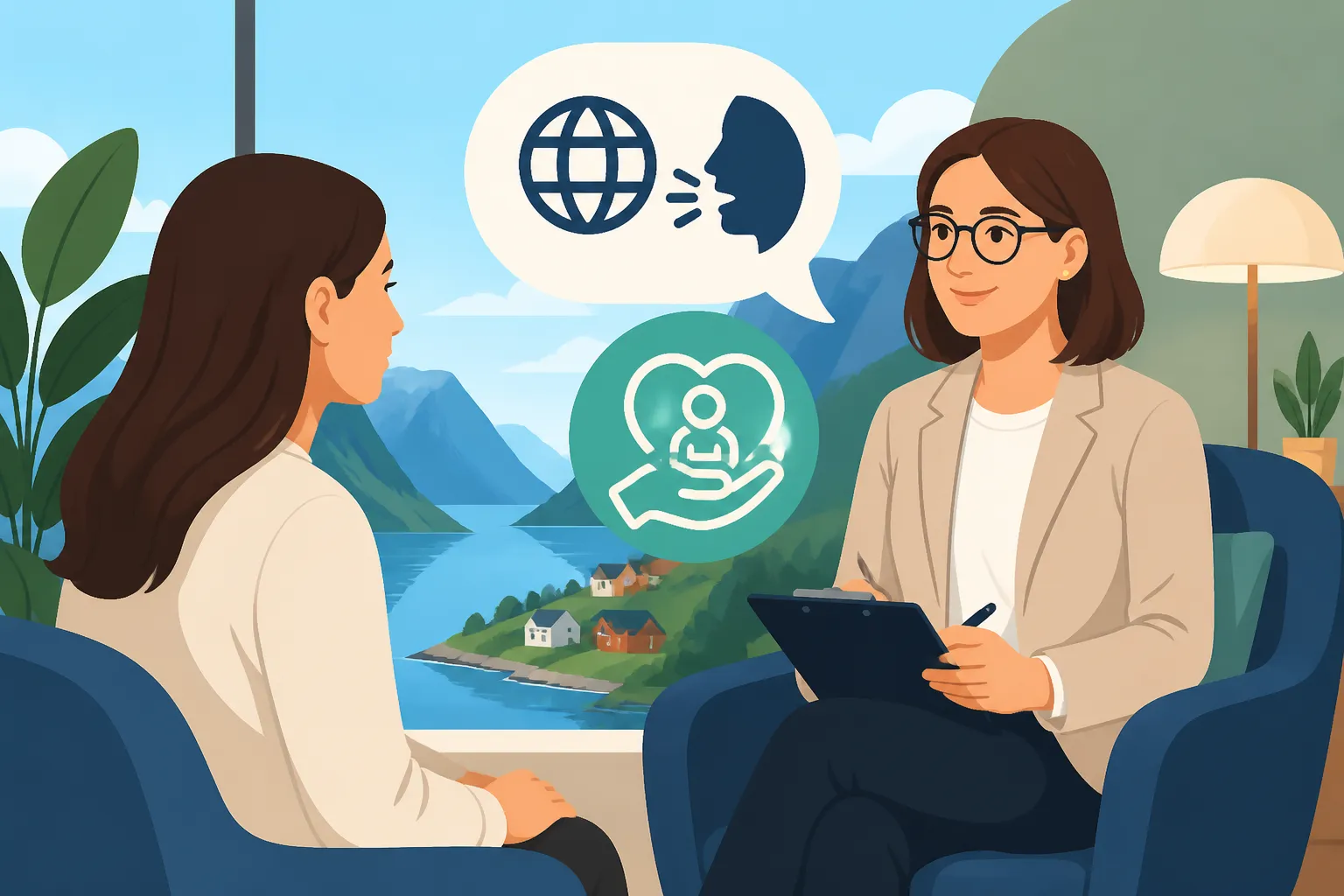
One of the most isolating experiences a foreigner can face in Norway is the realization that while you can buy groceries and navigate the bus system, you cannot find the words to describe your internal struggles in a language that isn't your own. I remember sitting in my dimly lit apartment in Oslo during my first winter, feeling the crushing weight of the "mørketid" and realizing that my limited Norwegian was nowhere near enough to explain my anxiety to a doctor. This guide provides the exact steps and local knowledge you need to find a private, English-speaking therapist without getting lost in the bureaucratic waiting lists of the public system.
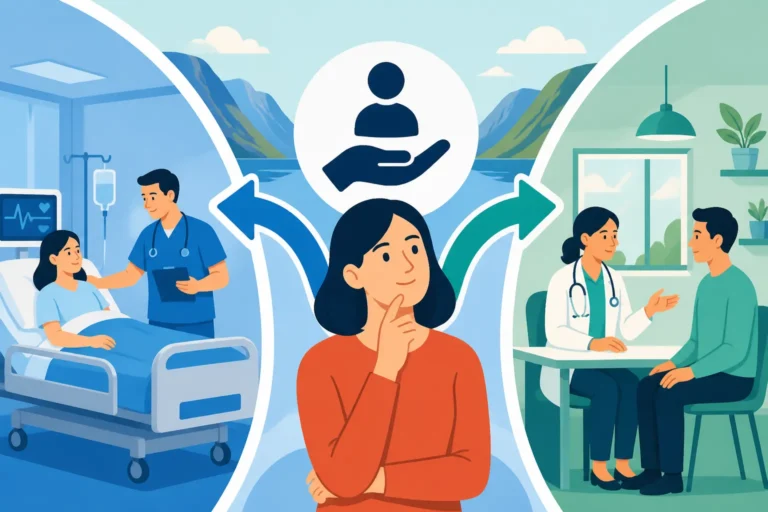
Navigating the Gap Between Public and Private Mental Healthcare
In Norway, the mental health system is divided into two distinct worlds: the public system (Spesialisthelsetjenesten) and the private sector. For most expats, the first instinct is to go through their GP to get a referral. While this is the most affordable route, it is often the most frustrating for those needing immediate or specialized English-language support. The public system is designed to prioritize those with severe, life-threatening conditions. If you are struggling with "moderate" issues like relocation stress, mild depression, or relationship problems, you might find yourself waiting months only to receive a rejection letter from the District Psychiatric Center (DPS).
Understanding How to Get a Referral for Therapy (DPS) in Norway is essential if you have the patience to wait, but many of us find that our needs are more urgent. This is especially true during the long winters when Coping with Seasonal Affective Disorder (SAD) in the Norwegian Winter becomes a daily battle. Private practice allows you to bypass the "gatekeeper" system entirely. You do not need a referral from a Fastlege to see a private psychologist; you simply find one with availability and book an appointment.
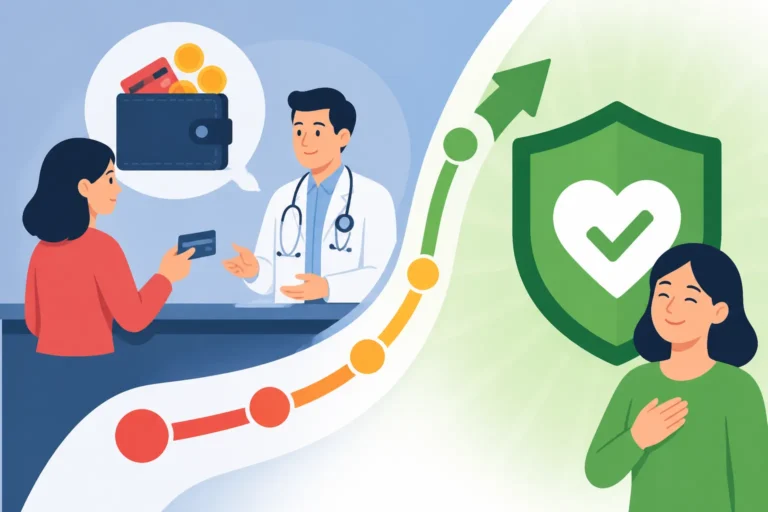
The trade-off, of course, is the cost. While the public system caps your spending through the exemption card, private therapy is an out-of-pocket expense that can be significant. However, for those who have international coverage like Cigna Global, these costs may be partially or fully reimbursed, making the private route the most logical choice for maintaining your mental well-being while living abroad.
Where to Find English-Speaking Private Therapists
Finding a therapist in a foreign country feels like a daunting task, but Norway has several digital directories that make the process manageable. The most comprehensive resource is the Norwegian Psychological Association (Psykologforeningen). Their website has a search function where you can filter for "privatpraktiserende" (private practitioners) and specifically look for language skills. While the interface is primarily in Norwegian, using a browser translator or Navigating the Helsenorge App in English: A Step-by-Step Translation can help you understand the technical terms used in clinical profiles.
When searching, you should look for specific keywords such as "English-speaking," "International experience," or "Expat focus." Many therapists in major hubs like Oslo, Bergen, and Stavanger have lived or studied abroad and have a high level of clinical English. You can also find Finding English-Speaking Doctors and Specialists in Oslo through local expat groups, but always verify their credentials. In Norway, the title "Psykolog" is protected, meaning the individual must have a specific degree and authorization from the Norwegian Directorate of Health.
| Service Type | Estimated Cost (NOK) | Waiting Time | Referral Required? |
|---|---|---|---|
| Public DPS | 375 per session (up to Frikort) | 12 – 26 weeks | Yes |
| Private Psychologist | 1,200 – 1,800 per session | 1 – 2 weeks | No |
| Online Therapy (International) | 800 – 1,300 per session | 2 – 5 days | No |
| Student Counseling (SiO/Sammen) | Free / Low cost | 2 – 6 weeks | No |
Practicalities of Booking and Payment
Once you have identified a few potential therapists, the next hurdle is the administrative side of things. Most private clinics in Norway use digital booking systems that require BankID for identity verification. If you are a new arrival and haven't secured your national identity number yet, this can be a massive roadblock. In such cases, it is best to call the clinic directly or send a secure email to explain your situation. Many private practitioners are willing to bypass the digital portal for foreigners who are still waiting for their paperwork to clear.
Payment is typically handled at the end of each session via a card terminal or through an invoice (faktura) sent to your registered address. It is important to note that private therapy does not count toward your Healthcare Budgeting: The Frikort Exemption Card and User Fees. You are paying for the speed and the specialized language support. If you are using a digital nomad insurance like SafetyWing, check your policy details before booking. Some "remote health" plans cover outpatient mental health services, but they may require you to pay upfront and submit the receipt for reimbursement.
For those concerned about the long-term financial commitment, it can help to ask about a "sliding scale" with private therapists. Some practitioners offer a reduced rate for students or those currently between jobs. Don't be afraid to ask about this during your initial consultation; Norwegians are generally pragmatic about financial discussions, and many therapists reserve a few spots in their schedule for lower-income clients.
Cultural Nuances and Alternative Support
It is worth noting that the "Norwegian style" of therapy might feel a bit different if you are used to the healthcare culture in the US or the UK. Norwegian practitioners often lean toward evidence-based, short-term interventions like Cognitive Behavioral Therapy (CBT). They tend to be direct and goal-oriented. If you are looking for long-term, intensive psychoanalysis, you may need to search specifically for "psykodynamisk" practitioners, which are less common in the general private market.
If you find that private therapy is financially out of reach but you cannot wait for the public system, there are other avenues. Every municipality (kommune) in Norway offers "Rask psykisk helsehjelp" (Prompt Mental Health Care). This is a free, low-threshold service for anxiety and mild depression. While it is usually conducted in Norwegian, many of the clinicians are happy to speak English if you ask. Additionally, for immediate help, you should keep the number for Legevakten (116 117): When and How to Use the Out-of-Hours Service saved in your phone. They have psychiatric nurses on call who can assist during a crisis.
For those who are still navigating the Mental Health in Norway: Accessing Therapy and Psychiatric Care landscape, remember that your The Fastlege Scheme: Navigating Norway’s GP System is still your primary medical contact. Even if you choose to see a private therapist, keeping your GP informed is vital for your overall health record, especially if you eventually need a "sykemelding" (sick note) for work-related stress.
Essential Check-list for Your First Session
Before you walk into that first appointment, take a deep breath. It took a lot of courage to get this far. To make the most of your private sessions, I recommend preparing the following:
- Insurance Documents: If you are covered by Cigna Global or a similar provider, bring your membership card and ask the therapist if they can provide a detailed medical report if needed for claims.
- Medical History: Briefly note down any previous diagnoses or medications you have taken. This is particularly important if you are trying to coordinate care between Norway and your home country.
- Specific Goals: Because private therapy is expensive, having a clear idea of what you want to achieve—whether it is managing winter blues or dealing with workplace culture shock—will help you and your therapist stay focused.
- Emergency Contacts: Ensure the therapist has a local contact for you, especially if you live alone.
If you ever feel that your safety is at risk and you cannot reach your therapist, do not hesitate to use the Crisis Hotlines in Norway: Mental Health Support in English. Living in a new country is a marathon, not a sprint, and there is no shame in reaching out for a professional to help you find your footing on this beautiful, icy terrain.
While the price of private care can be high, the value of being understood in your native tongue is immeasurable. Whether you choose a private practitioner in a swanky Oslo office or opt for a plan through Private Health Insurance in Norway: Is It Worth the Extra Cost?, taking that first step is the most important part of your expat journey.
Disclaimer regarding Medical Advice
This guide is provided for informational purposes only and does not constitute professional medical advice, diagnosis, or treatment. Always seek the advice of your physician or another qualified health provider with any questions you may have regarding a medical condition. Never disregard professional medical advice or delay in seeking it because of something you have read in this article. If you are experiencing a mental health emergency in Norway, please call 113 or visit your local emergency room (Legevakt) immediately.