How to Get a Referral for Therapy (DPS) in Norway
Navigating the mental health landscape in a new country is often more daunting than the move itself, especially when you hit the administrative wall of the public system. I remember sitting in my living room in Oslo during my first "Mørketid," feeling the heavy weight of the dark season and realizing that my usual coping mechanisms weren't enough. This guide solves the mystery of the Norwegian mental health referral process, showing you exactly how to move from a feeling of isolation to getting a seat in a District Psychiatric Center (DPS).
The Gatekeeper System: Starting with Your Fastlege
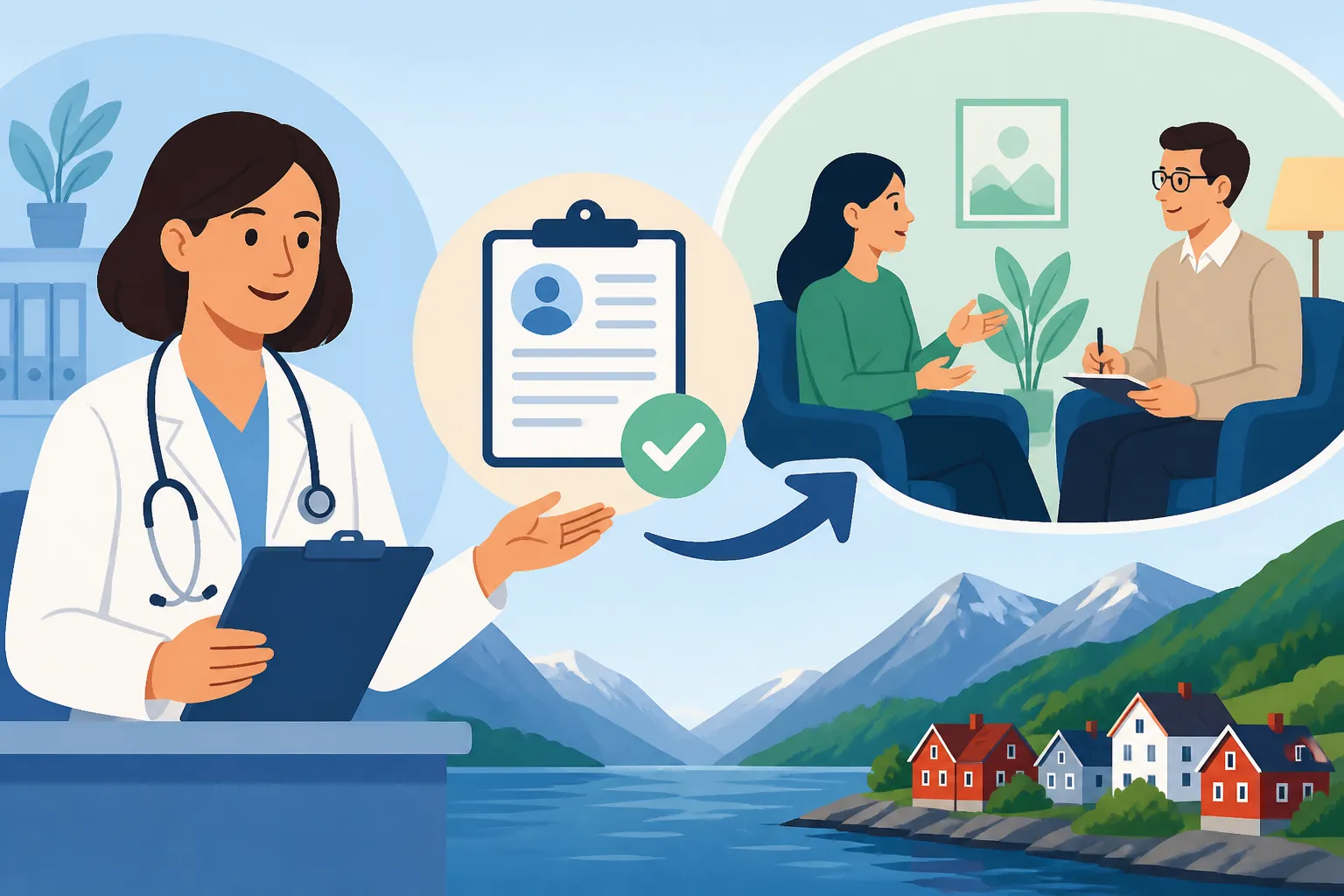
In Norway, you cannot simply call up a psychiatrist or a specialized psychologist and book an appointment within the public system. The entire healthcare model is built on a "gatekeeper" philosophy. Your primary point of entry for any medical concern, including mental health, is your General Practitioner, known locally as a Fastlege.
When you first arrive, understanding The Fastlege Scheme: Navigating Norway’s GP System is vital because this doctor is the only person who can write the "ticket" you need to access subsidized therapy. Many expats try to bypass this by calling clinics directly, only to be told they need a formal referral. If you haven't secured your digital access yet, you might find BankID Explained: Norway’s Digital Identity System and Expat Challenges helpful, as most bookings and communication with your GP happen through the Helsenorge portal.
During your appointment, you need to be incredibly honest. Norwegians can be quite stoic, and sometimes that rubs off on the medical professionals. If you are struggling with anxiety, depression, or the specific pressures of relocating, do not downplay your symptoms. Your GP needs to document the severity of your situation to justify a referral to the DPS. They will assess whether your needs can be met at the municipal level (often through low-threshold "Rask psykisk helsehjelp" programs) or if you require the specialized care provided by the District Psychiatric Center.
If you are a digital nomad or still waiting for your permanent residence to be finalized, you might find that the public wait times are too long for your current state of mind. In these cases, having a plan through SafetyWing can provide a much-needed safety net, allowing you to seek private alternatives while you wait for the public system to churn through its backlog.
Understanding the DPS and the Referral Triage
Once your GP hits "send" on that referral, it goes to the DPS (Distriktspsykiatrisk senter) associated with your place of residence. This is where the specialized secondary health service operates. Every referral is "triaged," meaning a team of specialists reads your doctor’s notes and decides if you have a legal right to care ("rett til helsehjelp").
This is often the most frustrating part of the process for foreigners. You might wait two to four weeks just to receive a letter in the mail (or a notification on Helsenorge) telling you whether your referral was accepted or rejected. If accepted, the letter will state a "deadline" by which you must start treatment. This is where Specialist Referrals in Norway: How the Waiting Times Work becomes a crucial read, as these deadlines can vary wildly depending on whether your case is deemed "urgent" or "chronic."
The DPS is not a single clinic but a hub that offers various types of treatment, including:
- Outpatient Clinics (Poliklinikk): Where you meet a psychologist or psychiatrist for regular sessions.
- Acute Teams (Akutteam): For immediate crises that don't necessarily require hospitalization but need urgent intervention.
- Day Units: For more intensive group therapy or specialized programs.
If the DPS rejects your referral, it’s usually because they believe your condition isn't "severe" enough for specialist care. This is a common pain point for expats suffering from moderate burnout or adjustment disorders. In such scenarios, exploring private options is often the most pragmatic path forward. For those who want to avoid this public triage altogether, a comprehensive international plan from Cigna Global can be a lifesaver, as it often covers private psychiatric consultations that bypass the DPS system entirely.
Costs, User Fees, and the Frikort Limit
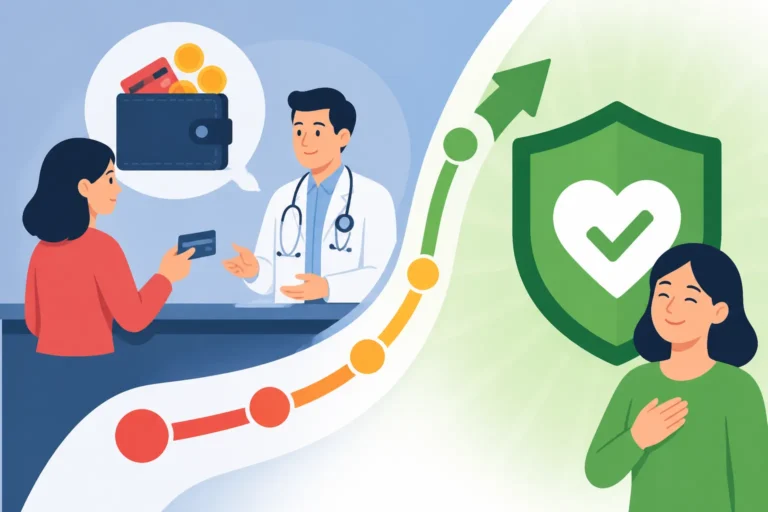
One of the greatest benefits of the Norwegian system is that once you are "in," the costs are highly regulated. However, it isn't free from the start. You will pay a "user fee" (egenandel) for every consultation at the DPS until you hit the annual cap.
For 2026, the government has set specific limits on how much you pay out of pocket. It’s important to keep an eye on the Frikort Limit so you know when your treatment becomes free for the remainder of the year. Once you hit that threshold, you automatically receive an exemption card, and the DPS will no longer charge you for sessions.
Before you hit that limit, you should be prepared for a “user fee” every time you walk through the door. If you are struggling financially, this is something to discuss with your GP, as there are certain municipal supports available. For many expats, the predictability of these costs is a relief compared to the high prices of private therapy. However, if you are looking for more bespoke care or specialized English-speaking therapists who don't have long waiting lists, the public system can feel restrictive. This is why many veteran expats maintain a policy with Cigna Global, ensuring they have the option to choose their own specialist without worrying about the public sector's rigid fee structures.
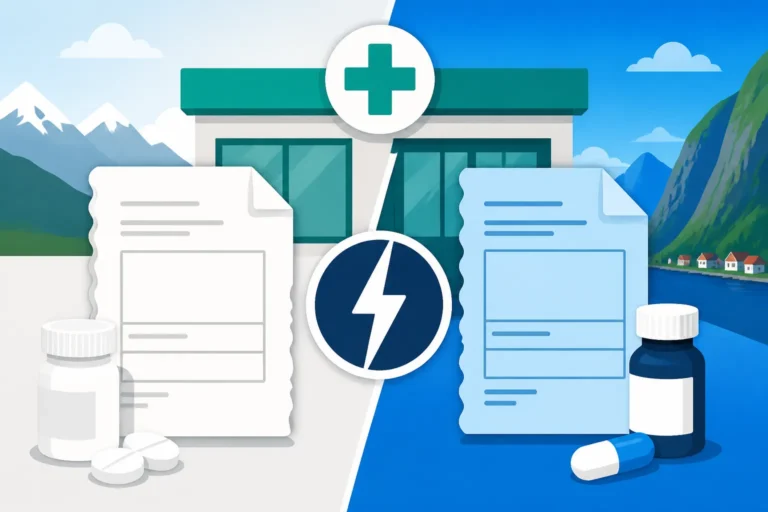
Comparative Analysis: Public DPS vs. Private Therapy
| Feature | Public DPS (Referral Required) | Private Practice (Self-Referral) |
|---|---|---|
| Cost | Subsidized (capped by Frikort) | Full price (1,200 – 2,500 NOK/hour) |
| Wait Times | 2 to 6 months (average) | 1 to 2 weeks |
| Choice of Therapist | Assigned based on availability | You choose based on profile/language |
| Referral Needed | Yes, from a Fastlege | No |
| Language | Norwegian (Interpreters available) | Frequently English-speaking options |
| Insurance Coverage | Folketrygden (National Insurance) | Private (e.g., Cigna Global, SafetyWing) |
Navigating Rejection and Alternative Pathways
It is a harsh reality that many referrals for therapy are rejected. If this happens to you, do not take it as a sign that your struggles aren't valid. It simply means the DPS has determined that your case does not meet the legal threshold for "specialist" intervention at this time.
Your first step should be to go back to your GP. They can appeal the decision or, more commonly, direct you to municipal mental health services. Every "Kommune" in Norway is required to have mental health support that does not require a formal DPS referral. These are often staffed by psychiatric nurses or social workers and can be an excellent resource for managing moderate burnout or general life transitions.
If the public route feels like a dead end, you should look into Accessing Psychologists with Public Funding vs Private Practice. Many private psychologists in Norway operate outside the Helfo reimbursement scheme, meaning you pay the full market rate, but you get seen immediately. For those on a budget, some organizations offer sliding scale fees. If you are in an immediate crisis and cannot wait for any of these processes, please bookmark Crisis Hotlines in Norway: Mental Health Support in English and the national 116 117 number.
For expats who are here on temporary assignments or those who haven't yet integrated into the national insurance scheme, services like SafetyWing can be invaluable. They understand the nomadic lifestyle and the mental toll it takes, often providing coverage that helps bridge the gap between arriving and finally getting that coveted Fødselsnummer.
The system is designed to be equitable, but it is also under significant pressure. By understanding how to work with your GP and knowing when to pivot to private options, you can ensure that the "Grey Winter" doesn't claim your mental well-being.
What to Expect in Your First DPS Meeting
If your referral is accepted and you finally get that first appointment, the initial session is usually an intake assessment. This isn't therapy yet; it’s an evaluation. They will ask you about your history, your family, your work life in Norway, and your specific symptoms.
It is perfectly acceptable to ask for a therapist who is fluent in English. While most Norwegian psychologists speak excellent English, discussing deep emotional trauma or complex feelings is much easier in your native tongue. You have the right to an interpreter if you feel your Norwegian isn't up to the task of medical terminology.
During this phase, you might also want to read up on How to Request Your Full Medical Record from a Norwegian Hospital. The Norwegian system is very protective of patient data, but they are also very transparent. You can see your notes on Helsenorge, which can be both helpful and a bit jarring if you aren't used to seeing a clinical description of your own mental state.
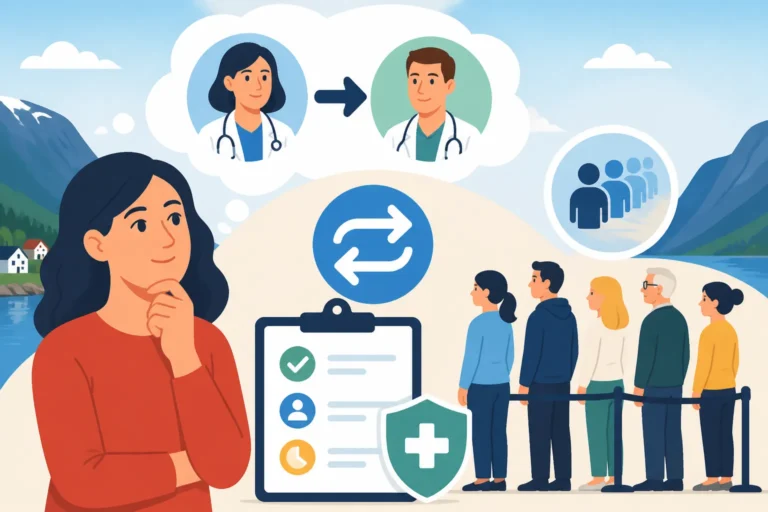
Remember, you are a partner in your treatment. If you feel that the assigned therapist isn't a good match, you have the right to request a change, though this can sometimes lead to further waiting. Transitioning into the public system is a marathon, not a sprint. Stay persistent, keep your GP informed, and don't be afraid to utilize Public vs Private Healthcare in Norway: A Complete Guide to weigh your options as your situation evolves.
Healthcare Services Disclaimer
This article is for informational purposes only and does not constitute professional medical advice, diagnosis, or treatment. Always seek the advice of your physician or other qualified health provider with any questions you may have regarding a medical condition. Never disregard professional medical advice or delay in seeking it because of something you have read in this guide. The Norwegian healthcare system and the 2026 frikort limits are subject to change by the authorities.