Healthcare in Norway for Expats: How the System Works (2027)
Most expats arrive in Norway expecting a seamless, free healthcare utopia, only to find themselves staring at a six-month waiting list for a GP or wondering why a simple dental cleaning costs more than a flight to Spain. I remember sitting in a freezing waiting room in Oslo, clutching my D-number and feeling completely lost in the bureaucracy. This guide deconstructs the Norwegian healthcare system to ensure you get the care you need without the administrative headache.
Understanding the Foundation of Folketrygden
The bedrock of the Norwegian medical experience is the National Insurance Scheme, known locally as Folketrygden. If you are living and working in Norway, you are likely a member, but the rules for entry can be confusing depending on your contract and residency status. It is not a "free" system in the way many imagine; rather, it is a heavily subsidized, tax-funded model where the state covers the majority of costs once you have paid a small personal share.
Membership Eligibility and the Role of the Tax Office
Membership in the National Insurance Scheme is usually automatic if you are legally resident in Norway and plan to stay for at least 12 months. For those on shorter contracts or holding a D-number, the situation is more nuanced. You are generally covered from your first day of work if you are employed by a Norwegian company, as your employer deducts the mandatory "trygdeavgift" (social security contribution) directly from your paycheck. This is typically 7.7% for employees.
However, if you are a digital nomad or a student, you might find yourself in a gray area. This is where options like Private Health Insurance in Norway: Is It Worth the Extra Cost? become relevant. Many expats choose to supplement their initial stay with providers like SafetyWing to cover gaps before their official residency is finalized. Navigating the Folketrygden Basics: Who is Covered by the National Insurance Scheme is the first step every newcomer should take to ensure they aren't left with a massive bill after an unexpected hospital visit.
The D-Number vs. Fødselsnummer Divide
One of the biggest hurdles for new arrivals is the distinction between a temporary D-number and a permanent Fødselsnummer (national identity number). If you have a D-number, you are entitled to healthcare, but you cannot choose a permanent primary doctor. You are essentially a guest in the system, relegated to using the emergency clinics (Legevakten) for non-urgent matters, which can lead to long wait times.
Once you receive your permanent number, a world of digital convenience opens up via the Helsenorge portal. Until that happens, you must keep all your receipts and documentation manually. Many newcomers lose out on hundreds of kroner in refunds because they didn't realize that Healthcare Rights for D-Number Holders: Exclusions and Alternatives are strictly limited compared to full residents.
Global Coverage and the EHIC
If you are an EU/EEA citizen moving to Norway, your European Health Insurance Card (EHIC) provides a safety net during your first few months. It allows you to access the public system on the same terms as a Norwegian citizen. However, it is not a replacement for long-term registration. Once you are officially a resident, you must transition into the local system. For non-EU expats, the transition is steeper, and having a global plan from a provider like Cigna Global can offer peace of mind during the months it takes for the Norwegian Directorate of Health (Helsedirektoratet) to process your paperwork.
The Fastlege Scheme: Navigating Norway’s GP System
The "Fastlege" or regular GP is the gatekeeper of the entire Norwegian medical system. You cannot see a specialist, get a blood test, or receive a long-term prescription without going through your GP first. It is a system built on trust and continuity, but for an expat, the initial registration process can feel like a game of musical chairs where all the chairs are already taken.
How to Choose and Register for a GP
Once you have your national identity number and a BankID for digital login, you must log into the Helsenorge portal to find a doctor. The reality is that many major cities, particularly Oslo and Bergen, have a shortage of available GPs. You will likely see many names with "0" available spots. You can join a waiting list, but in the meantime, you may have to select a doctor in a less convenient neighborhood just to get into the system.
When I first moved to Stavanger, I had to wait four months to get onto the list of a doctor who spoke fluent English and was located within a 20-minute bus ride. It is vital to understand How to Register for a Fastlege (GP) on Helsenorge as soon as your ID number arrives. If you are unhappy with your choice, you are allowed to change your doctor twice per calendar year, provided the new doctor has an open slot.
The Gatekeeper Function and Specialist Referrals
In Norway, you cannot simply "buy" a visit to a cardiologist or a dermatologist within the public system. Your GP must evaluate you and send a referral (henvisning). The GP decides the urgency of your case, which dictates how long you will wait for a specialist appointment. Waiting times can range from two weeks for urgent issues to six months for elective consultations.
This is a common point of frustration for those coming from systems like the US or UAE, where direct access to specialists is the norm. If you find the wait times intolerable, you can opt for private clinics like Aleris or Volvat, but you will pay the full cost out of pocket unless you have private coverage. For those who prioritize speed, Specialist Referrals in Norway: How the Waiting Times Work explains the prioritization codes used by doctors to categorize patients.
Digital Health and the Helsenorge App
Norway is incredibly digitized. The Helsenorge app will become your most-used tool. You can book appointments, renew prescriptions, and view your lab results directly on your phone. Most GPs also offer "e-konsultasjon" (video or text-based consultations), which are perfect for minor issues or follow-up questions.
Using the app requires BankID, which can take weeks to obtain after your arrival. If you are in that "limbo" period, What to Do if You Need a Doctor but Don't Have BankID is a crucial resource. You will have to call clinics directly, and you may find that some are less than helpful if you aren't already on their patient list.
User Fees and the Frikort System
A common misconception is that Norwegian healthcare is completely free. In reality, you pay a "user fee" (egenandel) for almost every interaction with the public system until you reach an annual spending cap.
Understanding the Annual Out-of-Pocket Limit
Every year, the Norwegian parliament sets a maximum limit for user fees. For 2026, this limit is approximately 3,165 NOK (subject to minor annual adjustments). Once you have spent this amount on eligible services—including GP visits, psychologists, some prescriptions, and medical transport—you are issued a "Frikort" (exemption card).
| Service Type | Typical User Fee (2026 Estimate) | Counts Toward Frikort? |
|---|---|---|
| GP Consultation (Daytime) | 160 – 210 NOK | Yes |
| GP Consultation (Evening/Legevakt) | 300 – 350 NOK | Yes |
| Specialist Referral Visit | 375 – 400 NOK | Yes |
| X-rays and Imaging | 270 – 300 NOK | Yes |
| Blue Prescription (Chronic) | 50% of cost (max 520 NOK) | Yes |
| White Prescription (Acute/Lifestyle) | 100% of cost | No |
| Dental Care (Adults) | Full Market Price | No |
How the Frikort is Issued
The beauty of the Norwegian system is that the Frikort is issued automatically. You don’t need to collect receipts or fill out reimbursement forms for standard services. The system tracks your spending digitally through your ID number. Once you hit the threshold, you will receive a notification in the Helsenorge app, and for the remainder of the calendar year, your eligible medical services will be free.
I remember the relief of hitting my limit in October one year after a series of specialist visits; suddenly, my expensive asthma medication was free at the pharmacy counter. For more details on the logistics, see Understanding the Frikort: The 2026 Healthcare Exemption Card Limit.
Services Not Covered by the Cap
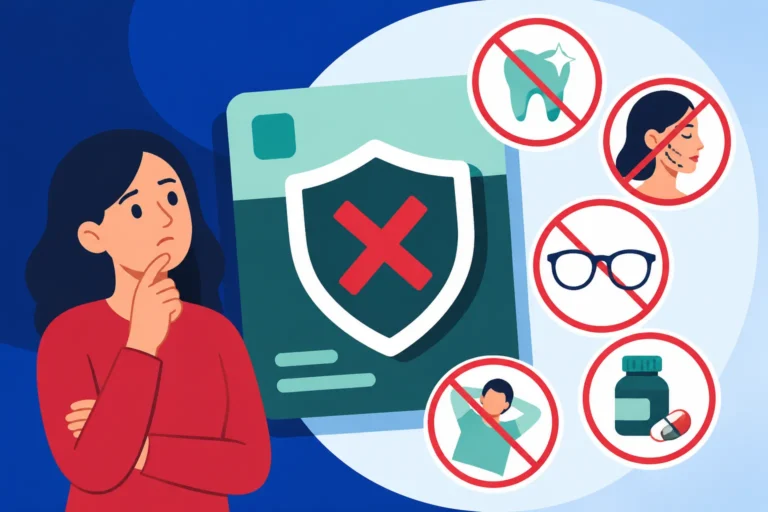
It is vital to know that not everything counts toward the Frikort. Dental care for adults is a major exclusion, as are "white" prescriptions (hvit resept) for temporary illnesses like a round of antibiotics for a sinus infection. If you find yourself needing frequent non-covered services, you might consider a comprehensive plan from Cigna Global to bridge the financial gap. Many expats are caught off guard by the high cost of physiotherapy or alternative treatments, which often require a specific type of referral to be subsidized.
Emergency Medical Care: 113, Legevakten, and Hospitals
When a crisis hits, the Norwegian system bifurcates into two distinct paths: life-threatening emergencies and urgent but non-critical care. Knowing which number to call can save your life—or at least save you six hours in a waiting room.
Calling 113 for Life-Threatening Emergencies
If there is an immediate threat to life—a heart attack, a serious car accident, or unconsciousness—you must call 113. This connects you to the emergency dispatch (AMK). The operators are highly trained and almost always speak excellent English.
One thing that surprises many expats is that ambulance transport is free in Norway for emergencies. You won't receive a bill for the ride to the hospital if the dispatch center deems it necessary. For a deeper dive into the logistics of emergency transport, check Calling 113: Ambulance Services and Life-Threatening Emergencies.
Legevakten: The Out-of-Hours Service
For issues that cannot wait until your GP opens on Monday morning—like a deep gash requiring stitches or a child with a dangerously high fever—you go to the Legevakt. Every municipality has one. You call 116 117 from anywhere in Norway to be connected to the nearest available clinic.
Be prepared: the Legevakt operates on a triage system. If you arrive with a sprained ankle but someone else arrives with chest pains, you will wait. In cities like Oslo, wait times on a Saturday night can exceed five or six hours. You can find more specific advice on Legevakten (116 117): When and How to Use the Out-of-Hours Service to better prepare for these visits.
Hospital Admissions and Patient Rights
If you are admitted to a public hospital, the care is entirely free. This includes surgery, hospital stays, meals, and medication while you are an inpatient. Norway also has a "Free Hospital Choice" (Fritt sykehusvalg) policy. If the waiting list for a specific surgery is too long at your local hospital, you can choose to have the procedure done at another public hospital elsewhere in the country.
The government even provides a website where you can compare waiting times across all Norwegian hospitals. This is a powerful tool for expats who may be willing to travel to Tromsø or Trondheim to get a procedure done months earlier than they could in Oslo. Understanding Norwegian Hospitals: Inpatient Care, Outpatient Care, and Patient Choice can significantly reduce your time spent in pain or discomfort.
Pharmacies and Prescriptions in Norway
The pharmacy (Apotek) culture in Norway is quite different from the UK or US. You won't find a pharmacy on every corner, and their opening hours are strictly regulated. Furthermore, the way prescriptions are categorized determines how much you pay.
Blue vs. White Prescriptions
Prescriptions in Norway are color-coded in the digital system. A "Blue Prescription" (blå resept) is for chronic illnesses that require long-term medication (usually more than three months a year). The government covers most of the cost, and your contribution counts toward your Frikort.
A "White Prescription" (hvit resept) is for short-term use, such as antibiotics or painkillers after a minor procedure. You pay the full price for these, and they do not count toward your Frikort limit. I learned this the hard way when I had to pay 800 NOK for a specialized skin cream that wasn't considered "chronic" enough for a blue slip. For a full breakdown, read Pharmacies and Prescriptions in Norway: White vs Blue Slips.
Over-the-Counter Rules
Norway has very strict rules regarding over-the-counter (OTC) medications. You can buy basic Paracetamol and Ibuprofen in supermarkets like Kiwi or Rema 1000, but they are kept behind the counter or in a locked cabinet, and you are limited in the quantity you can buy.
Stronger medications that are OTC in other countries—like certain allergy meds or high-dose Vitamin D—often require a prescription here. If you are moving to Norway with a complex medication regimen, it is vital to check Bringing Medication into Norway: Customs Rules and Schengen Certificates to avoid having your supplies confiscated at the border.
Finding a Pharmacy and Online Deliveries
The three main chains are Apotek 1, Vitusapotek, and Boots. Online pharmacies like Farmasiet have become incredibly popular, offering home delivery for both OTC and prescription meds if you have BankID. However, if you need medication urgently on a Sunday, you will need to find a "Vaktapotek" (on-duty pharmacy), which usually charges a small convenience fee.
Specialized Care: Mental Health, Dental, and Family
While the general system is robust, specialized care is where many expats encounter the most significant friction. These areas often have different funding models and longer waiting lists.
Mental Health Services and the DPS
Mental health is integrated into the public system, but demand is high. To see a psychologist through the public scheme, you need a referral from your GP to a District Psychiatric Center (DPS). Because wait times can be extensive, many expats choose to see private psychologists.
If you are struggling with the "dark season" or the isolation of moving to a new country, it is important to know your options. Publicly funded therapy has a low co-pay that counts toward your Frikort, whereas private therapy can cost 1,200 – 2,000 NOK per session. You can explore Mental Health in Norway: Accessing Therapy and Psychiatric Care to understand the pathways to support.
The Great Dental Care Exception
Dental care is the "Achilles' heel" of the Norwegian welfare state. For adults over the age of 24, dental care is almost entirely private and out-of-pocket. There are very few exceptions (such as for rare medical conditions or severe periodontitis).
It is wise for new expats to get their dental work done in their home country before moving, or to budget at least 2,000 NOK a year for a routine check-up and cleaning. However, children receive 100% free dental care through the public dental service (Tannhelsetjenesten). There are also significant discounts for young adults. Check Dental Subsidies for Young Adults (19-28): How the 25% Rate Works if you fall into that age bracket.
Family Health: Maternity and Pediatric Care
Norway is world-renowned for its maternity care. Once you are pregnant, all prenatal check-ups, ultrasounds, and the birth itself are free. You will be followed by a mix of your GP and a midwife at a local health clinic (Helsestasjon).
The approach here is very natural and midwife-led. If you are used to a highly medicalized birth experience with elective C-sections, you may find the Norwegian approach challenging. However, the postpartum support through the Helsestasjon: Norway’s Free Child Health Clinics and Vaccination Program is exceptional. Nurses will even visit you at home in the first week after birth to ensure everything is going well. For a detailed roadmap, see Family Health in Norway: Pregnancy, Childbirth, and Pediatric Care.
Private Healthcare and Insurance: Is It Necessary?
Given the wait times in the public system, a growing number of Norwegians and expats are turning to private insurance. Companies like Aleris, Volvat, and Dr. Dropin offer "on-demand" healthcare that bypasses the GP referral system.
Why Choose Private Care?
The primary reason to go private is speed. If you have a sports injury and want an MRI this week instead of in two months, a private clinic is the answer. Many Norwegian employers now include private health insurance as a perk of the job. If yours does, you can often get a specialist appointment within 48 hours.
For those without employer-provided insurance, personal plans from Cigna Global can be a lifesaver, especially if you have pre-existing conditions that require frequent specialist monitoring. Another popular choice for digital nomads or those in the middle of a visa transition is SafetyWing, which offers flexible, month-to-month coverage.
Comparing the Public and Private Experience
It is important to note that even if you go private for a consultation, you are still part of the broader Norwegian system. A private doctor can still write you a "Blue Prescription" or refer you back into the public hospital system for a major surgery.
| Feature | Public Healthcare | Private Healthcare |
|---|---|---|
| Cost | Subsidized (Frikort system) | Full price (1,000+ NOK per visit) |
| Wait Times | Can be long (weeks/months) | Very short (days) |
| Referral Needed? | Yes (from GP) | No (usually direct access) |
| Emergency Care | Best in class | Limited (mainly elective/urgent) |
| Availability | Nationwide | Mostly in major cities |
For a deeper analysis of whether you should pay for extra coverage, read Do I Need Private Health Insurance if I Live in Norway?.
Practical Tips for Your First 30 Days
The first month in Norway is a whirlwind of paperwork. To ensure your health isn't compromised during this transition, follow these specific steps.
Secure Your ID Number and BankID
Everything in Norwegian healthcare flows from your identity number. Without it, you are a ghost in the system. As soon as you have your police appointment, stay on top of the Folkeregisteret to ensure your number is issued. Once you have it, go straight to a bank to get your BankID. This is the digital key to Helsenorge.
Stock Up on Basics
Because of the strict rules on OTC medications, I recommend bringing a small supply of your preferred cold and flu medicine, painkillers, and any specific supplements you use. Remember that Vitamin D is essential during the Norwegian winter, and you will likely need a higher dose than you used back home. Check Vitamin D Guidelines for Expats Surviving the Dark Season for advice on dosages.
Register Your Mailbox
In Norway, if your name isn't on your physical mailbox, the mailman will not deliver your letters. This includes your initial health insurance info or appointment notifications if you haven't set up digital post (Digipost). Ensure your name is clearly marked to avoid missing critical medical correspondence. For a full checklist, see First 30 Days Health Checklist: GP, Frikort, and Pharmacies.
Healthcare Disclaimer
The information provided in this guide is for general informational purposes only and does not constitute professional medical or legal advice. While we strive to keep the information up to date, Norwegian healthcare regulations and user fees (egenandel) can change annually. Always consult the official Helsenorge.no website or a qualified medical professional for specific advice regarding your health and insurance status. We are not responsible for any actions taken based on the content of this article.