Alternative Medicine in Norway: Regulation and Popularity
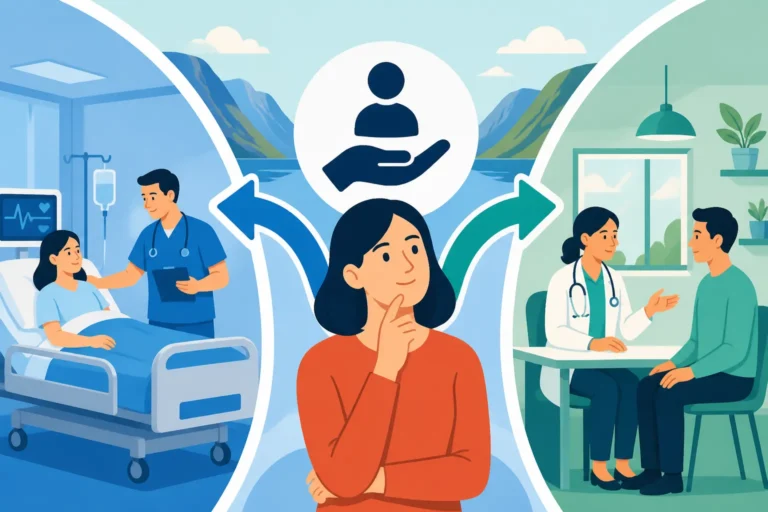
Many expats arriving in Norway are surprised to find a healthcare system that is fiercely protective of evidence-based medicine, often leaving "alternative" therapies in a legal and financial grey area. I remember my first winter here, desperately seeking an osteopath for a recurring back issue, only to realize my standard public coverage wouldn't pay a single krone for it. This guide solves the confusion by explaining exactly how alternative medicine is regulated, what it costs, and how to find a legitimate practitioner without falling into a financial trap.
The Legal Landscape of Alternative Medicine in Norway
Norway takes a pragmatic but strict approach to anything that falls outside the remit of the official National Insurance Scheme. The primary piece of legislation governing this field is the Act on Alternative Treatment of Illness. This law was designed to give patients freedom of choice while ensuring that practitioners do not make dangerous claims. Unlike some countries where alternative medicine is either fully integrated or completely unregulated, Norway sits somewhere in the middle, focusing heavily on consumer protection rather than clinical validation.
Understanding the Act on Alternative Treatment of Illness
The Act essentially dictates who can treat whom and for what. Under Norwegian law, only authorized healthcare professionals (like doctors or nurses) are permitted to treat serious infectious diseases or life-threatening illnesses. If you are seeing an alternative practitioner for something like a common cold or general wellness, they are within their rights to treat you. However, if they claim to "cure" cancer or treat tuberculosis, they are breaking the law.
I learned early on that practitioners are very careful with their wording here. You will often see them describe their services as "supporting the body's natural processes" rather than "curing a disease." This is a direct result of the strict enforcement by the Norwegian Board of Health Supervision. It is also important to note that while anyone can technically call themselves an "alternative practitioner," they are prohibited from using protected titles like "Doctor" or "Psychologist" unless they have the specific Norwegian authorization. You can read more about how the broader system works in our guide on Healthcare in Norway for Expats: How the System Works (2027).
The Register of Alternative Practitioners
To bring some order to the chaos, the Norwegian government established the Register of Alternative Practitioners in Brønnøysund. This is a voluntary registry, but it is a massive green flag for any expat looking for a provider. Practitioners who belong to an approved professional organization can register here.
Registration does not mean the government "endorses" the specific treatment as medically effective. Instead, it confirms that the practitioner has committed to certain ethical guidelines and has the necessary insurance and accounting practices in place. For a long time, being on this register also meant the practitioner was exempt from Value Added Tax (MVA), making their services cheaper for you. However, recent changes in tax law have made this more complex, and many therapies now include 25% MVA regardless of registration status.
VAT and the Cost of Natural Care
In 2021, the Norwegian government introduced a significant change by imposing a 25% VAT on most alternative treatments. This was a shock to many of us who relied on regular acupuncture or massage sessions. The goal was to align alternative medicine with other commercial services.
Currently, only treatments that are considered an integral part of a healthcare professional’s authorized practice remain VAT-exempt. For example, if your authorized physiotherapist uses dry needling as part of your treatment, it might be exempt. But if you visit a dedicated acupuncture clinic, expect to pay the "luxury tax." This makes Healthcare Budgeting: The Frikort Exemption Card and User Fees even more critical, as these private costs do not count towards your annual out-of-pocket limit.
Most Common Alternative Therapies Among Expats and Locals
Despite the lack of public funding, Norwegians are surprisingly open to certain types of complementary medicine, particularly those that focus on physical activity and musculoskeletal health. The culture of "Friluftsliv" (outdoor life) means people are highly motivated to stay mobile, leading to high demand for therapies that bridge the gap between traditional medicine and wellness.
Acupuncture and the Shift in Public Acceptance
Acupuncture is perhaps the most widely accepted "alternative" therapy in Norway. Many hospitals now offer it for pain relief during childbirth or for treating post-operative nausea. Because of this, it is often viewed with less skepticism than homeopathy.
When searching for a practitioner, you will find that many are members of the Acupuncture Association (Akupunkturforeningen), which requires a high level of training. Even though it is popular, remember that a standard referral from your GP usually won't cover a private acupuncturist. If you are struggling to find a reputable clinic, checking Finding English-Speaking Doctors and Specialists in Oslo can often lead you to clinics that house both GPs and alternative specialists.
Osteopathy and Naprapathy: The Muscle and Bone Specialists
Osteopaths and naprapaths occupy a unique "grey zone" in Norway. For years, they campaigned for official authorization, and recently, osteopaths and naprapaths finally gained the right to be called "authorized healthcare personnel." This was a huge win for expats who prefer these modalities over traditional physiotherapy.
However, authorization doesn't automatically mean "free." Even though they are now authorized, they are not yet fully integrated into The Fastlege Scheme: Navigating Norway’s GP System in terms of reimbursement. You will still likely pay the full private rate, which can range from 800 NOK to 1,200 NOK per session. The benefit is that you are seeing a professional who is now subject to the same strict regulations and patient rights laws as a medical doctor.
Homeopathy and Herbal Remedies
Homeopathy is much more polarizing in Norway. While there are dedicated homeopathic pharmacies, the mainstream medical community remains largely skeptical. You can find homeopathic remedies in specialized "Helsekost" (health food) stores like Sunkost or Life, but you won't find them in a standard Apotek 1 or Vitusapotek unless they have a specific section for "natural" medicine.
If you are someone who relies on specific herbal supplements from your home country, be very careful. Norway has strict rules on what can be sold over the counter. Many supplements that are common in the US or UK are classified as "medicines" here and can be confiscated at the border. Always check the rules on Bringing Medication into Norway: Customs Rules and Schengen Certificates before ordering anything online.
The Financial Impact: Paying Out-of-Pocket
The biggest hurdle for any expat using alternative medicine in Norway is the cost. Because these services are generally private, they are not subsidized by Helfo. This means that even if you have reached your "Frikort" limit for the year, you will still be paying full price for your chiropractor or herbalist.
Why the Frikort Won't Help You Here
The Frikort system is wonderful for public health, but it is strictly limited to services that fall under the National Insurance Scheme. This includes your GP, public psychologists, and some specialist referrals. For more information on what is excluded, see What Medical Services Are Not Covered by the Norwegian Frikort?.
Since alternative practitioners usually operate as private businesses, they set their own rates. In cities like Stavanger or Bergen, these rates can be quite high due to the overhead of renting clinic space. Many newcomers get frustrated when they realize their expensive "health tax" doesn't actually provide them with the holistic care they were used to back home.
Private Health Insurance Options
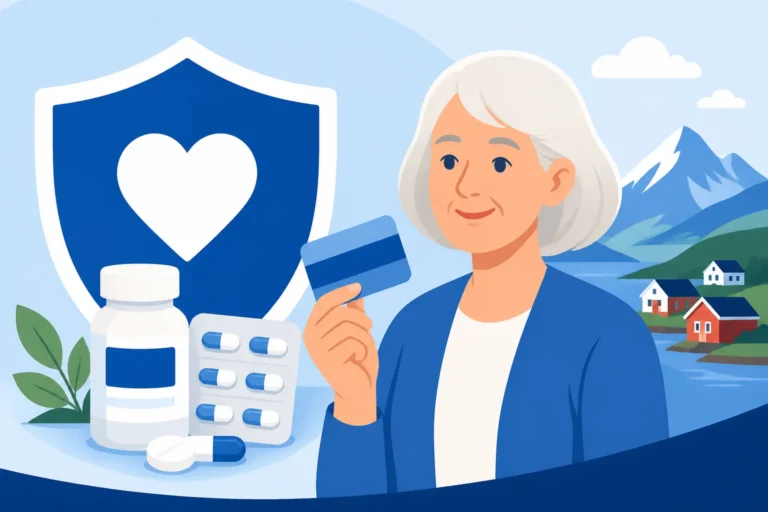
This financial gap is exactly why many expats choose to maintain private health insurance while living in Norway. While the public system is great for emergencies, it can be slow and restrictive for chronic pain or preventative care. Brands like Cigna Global are popular among the expat community because their plans can be customized to include "vision and modular" or "outpatient" care that covers things like osteopathy and acupuncture.
If you are a digital nomad or just arrived and are still waiting for your ID number, SafetyWing offers a flexible solution. While SafetyWing primarily focuses on emergency medical situations, it provides a much-needed safety net during those first few months when you aren't yet fully integrated into the Norwegian system. Having Cigna Global can provide a more permanent solution, offering coverage for specialized treatments that the Norwegian state simply won't fund. Many expats find that Cigna Global offers the peace of mind needed when navigating a system that can sometimes feel overly clinical.
| Therapy Type | Typical Cost (NOK) | Public Subsidy? | Authorization Status |
|---|---|---|---|
| Acupuncture | 600 – 900 | No | Not Authorized |
| Osteopathy | 800 – 1,100 | Rare | Authorized |
| Chiropractic | 500 – 800 | Partial | Authorized |
| Homeopathy | 700 – 1,200 | No | Not Authorized |
| Naprapathy | 800 – 1,000 | No | Authorized |
Practical Steps for Seeking Treatment
Navigating the world of alternative medicine in Norway requires a bit of "system-savviness." You can't always trust a shiny website or a social media ad. Because the market is so private, you have to do your own due diligence.
Talking to Your Fastlege
Even if your GP (Fastlege) cannot give you a subsidized referral to an alternative practitioner, it is always worth discussing your plans with them. Norwegian doctors are generally professional and will listen, even if they don't agree with the efficacy of a certain treatment.
The main reason to talk to your GP is safety. If you are taking herbal supplements, they need to know so they can check for interactions with any "Blue Prescription" medications you might be taking. You can learn more about how prescriptions work in Pharmacies and Prescriptions in Norway: White vs Blue Slips. A good GP will help you monitor your condition even if you are seeking outside help.
Verifying Practitioner Credentials
Before booking an appointment, always check if the practitioner is part of a professional association. For example, a chiropractor should be a member of the Norsk Kiropraktorforening. This gives you a layer of protection and a place to file a complaint if things go wrong.
If the practitioner is not authorized, check the Brønnøysund Register of Alternative Practitioners. If they aren't even on that voluntary list, proceed with extreme caution. There have been cases where "wellness clinics" targeted expats with overpriced treatments that had no basis in safety or science. If you ever feel you've been mistreated, it's vital to know your Patient Rights: How to File a Complaint with the Health Authority.
Language Barriers in Alternative Clinics
While most medical professionals in the public sector speak excellent English, the private alternative sector can be a bit hit-or-miss. In major hubs, you'll find plenty of resources, such as Healthcare in Bergen: Clinics, Hospitals, and Local Expat Resources, where English is the norm. However, if you are in a smaller town, you might find that the local homeopath or massage therapist only operates in Norwegian.
When booking, specifically ask if the practitioner is comfortable discussing medical history in English. It is a vulnerable position to be in when you are trying to explain a complex chronic pain issue in a language you haven't mastered yet. Most private clinics are happy to accommodate, as they rely on satisfied, paying customers—many of whom are international workers.
Is Private Health Insurance Worth It?
This is the golden question for many. If you only see a doctor once a year for a flu shot, the public system is plenty. But if you have a "finicky" back or prefer a more holistic approach to health, the answer changes. You might want to read our deep dive on Private Health Insurance in Norway: Is It Worth the Extra Cost? to see how it aligns with your lifestyle.
For many, having a plan from Cigna Global allows them to bypass the long waiting lists for specialists and go straight to private clinics that often integrate alternative therapies. Similarly, SafetyWing provides that essential "bridge" coverage for those who travel frequently or are still navigating the bureaucracy of getting a Fødselsnummer. In a country where a single private MRI and a few follow-up osteopath sessions can cost more than a month's rent, having that extra layer of insurance is often a very smart financial move.
Alternative Medicine for Specific Groups
Different rules and cultural expectations apply depending on who you are and why you are seeking care. The Norwegian system is particularly protective of children and pregnant women, which influences how alternative medicine is practiced in these groups.
Pregnancy and Childbirth
As mentioned earlier, acupuncture is quite common in Norwegian maternity wards. However, other forms of alternative medicine are viewed with more caution. Most midwives (Jordmor) will advise against herbal supplements during pregnancy unless they are well-researched. If you are interested in a more natural birth experience, you should check Maternity Care in Norway: Prenatal Appointments, Scans, and Midwives to see what the public system already offers before spending money on private doulas or alternative practitioners.
Pediatric Care
Norway is extremely strict about alternative medicine for children. It is generally discouraged to take a child to an alternative practitioner for a serious ailment without first consulting a pediatrician. The Helsestasjon: Norway’s Free Child Health Clinics and Vaccination Program provides such comprehensive free care that most parents find they don't need to look elsewhere. If you do choose an alternative route for your child, ensure the practitioner has specific experience with pediatric patients and is aware of the legal limits of their practice.
Summary Table of Alternatives and Public Coverage
| Modality | Referral Required? | Can they issue a Sick Note? | Helfo Refund? |
|---|---|---|---|
| Chiropractor | No | Yes (up to 12 weeks) | Small fixed amount |
| Physiotherapist | No (since 2018) | No | Only if they have a "driftstilskudd" |
| Osteopath | No | No | No |
| Acupuncturist | No | No | No |
| Naprapath | No | No | No |
Important Disclaimer
The information provided in this guide is for informational purposes only and does not constitute medical or legal advice. The Norwegian healthcare system and its regulations regarding alternative medicine are subject to change. Always consult with a licensed medical professional (Fastlege) before beginning any new treatment or supplement regimen. Neither the author nor this publication is responsible for any consequences arising from the use of alternative therapies or the information contained herein. Refer to official UDI and Helfo websites for the most current legal requirements and coverage details.