Mental Health for International Students: University Counseling Centers
Coming from a sunny climate to a Norwegian winter while juggling a master’s degree can lead to a specific kind of isolation that many international students aren't prepared for. I remember sitting in my tiny student dorm in Sogn, watching the sun set at 3:00 PM and feeling a heavy, unidentifiable weight on my chest for weeks. This guide breaks down exactly how to navigate university counseling centers and the wider healthcare system to protect your mental well-being while studying in Norway.
Understanding the Role of Studentsamskipnaden
In Norway, your primary point of contact for mental health support isn't actually the university itself, but the student welfare organization, known as the Samskipnad. Every major city has one—SiO in Oslo, Sammen in Bergen, SiT in Trondheim, and SiS in Stavanger. These organizations are separate from the academic administration, meaning your conversations with counselors are strictly confidential and do not appear on your academic record.
The services offered by these centers are tailored specifically to the student experience. They understand the pressure of the Norwegian grading system, the stress of the Tuition Fees in Norway: Rules for Non-EU/EEA Students in 2026, and the unique loneliness that comes with being far from home. Most counseling centers offer a mix of short-term individual therapy, group sessions, and workshops on topics like exam anxiety or "mastering the dark season."
Unlike the national healthcare system, university counseling centers often provide many of these services for free or at a significantly lower cost than a private psychologist. However, they are designed for "short-term" issues. If you are dealing with deep-seated trauma or chronic conditions that require long-term psychiatric intervention, they will likely help you transition into the public healthcare system via a referral. For those who are still waiting for their national insurance to kick in, having supplemental coverage from SafetyWing can be a lifesaver during this transition period.
The Practical Steps to Booking Your First Appointment
Getting an appointment is usually the hardest part, not because the people aren't helpful, but because the demand is incredibly high. Most studentsamskipnad centers use a digital portal for booking. This is where your digital identity becomes essential. You will find that How to Book a Doctor’s Appointment Online Using BankID is the standard way to access these portals, though most centers have a workaround if you are still waiting for your permanent ID number.
When you first reach out, you will usually go through a "triage" or intake session. This is a short conversation—often over the phone or a brief 20-minute meeting—where a professional assesses your needs. Be honest during this stage. If you are struggling with Burnout and Work Stress: Sick Leave Protections in Norway or if your mental health is impacting your ability to attend lectures, say so. They use this information to prioritize students who are in acute distress.
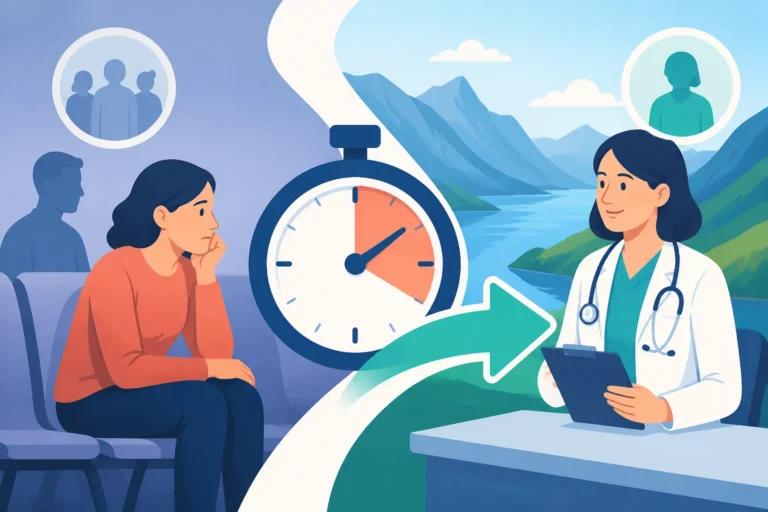
If you find that the waiting lists at the university center are too long—which can happen during the peak of the Coping with Seasonal Affective Disorder (SAD) in the Norwegian Winter—you might consider seeking private help. This is where Cigna Global can be beneficial, as private insurance often allows you to bypass the public waiting times and see an English-speaking psychologist within days rather than months.
| Service Feature | University Counseling (Samskipnaden) | Public Healthcare (Fastlege/DPS) |
|---|---|---|
| Primary Focus | Student-related stress, mild anxiety, SAD | Clinical diagnoses, chronic conditions |
| Cost | Usually free or very low fee | Standard user fees (up to Frikort limit) |
| Access Method | Direct booking via student portal | Referral from a Fastlege (GP) |
| Language | Excellent English support | English support available but varies |
| Waiting Times | 2–6 weeks on average | 3–6 months for non-emergency |
Integrating with the National Healthcare System
While the university centers are fantastic for student life, they are not a replacement for The Fastlege Scheme: Navigating Norway’s GP System. Every international student staying in Norway for more than six months is generally entitled to a GP. This doctor is your gatekeeper to specialized mental health care, known as the DPS (Distriktspsykiatrisk senter).
If your counselor at the university center believes you need more intensive support, they will often advise you to see your GP. Your GP can then issue a formal Specialist Referrals in Norway: How the Waiting Times Work to the public psychiatric system. It is important to know that while the counseling at the university might be free, once you enter the public system, you will pay a small user fee (egenandel) for each visit until you reach the annual limit. You can learn more about this in our guide on Understanding the Frikort: The 2026 Healthcare Exemption Card limit.
For many students, the transition from "student support" to "medical patient" can feel intimidating. Remember that Mental Health in Norway: Accessing Therapy and Psychiatric Care is a right for all residents, including students. If you ever feel that your needs are being overlooked because of the language barrier or cultural differences, do not hesitate to ask for a Medical Interpreters in Norway: How to Request One for Free, although most mental health professionals in Norway speak near-perfect English.
Dealing with Culture Shock and the Dark Season
A significant portion of the mental health struggles faced by international students in Norway isn't related to clinical depression but rather "environmental and cultural shock." The combination of a very "flat" social hierarchy and the "Janteloven" culture can make it difficult to form deep friendships quickly. This can lead to a sense of "social exhaustion" where you feel you are putting in all the effort with little return.
The darkness of a Norwegian winter is another massive factor. If you are arriving from a country with high sunlight hours, the lack of Vitamin D can cause significant mood drops. I highly recommend checking out Vitamin D Guidelines for Expats Surviving the Dark Season to understand how to supplement your diet. Many university centers actually offer "light therapy" rooms where you can sit in front of high-intensity lamps to help reset your circadian rhythm.
Socializing the "Norwegian way" is also a form of mental health maintenance. Joining a student organization or participating in a What is "Dugnad"? Surviving Mandatory Community Volunteering event might seem like a chore, but these are the primary ways Norwegians bond. If you find the social scene at your university too focused on Alcohol Laws in Norway: Opening Hours for Beer and Vinmonopolet, look for "Friluftsliv" (outdoor life) groups. Hiking or cross-country skiing can be incredibly meditative and is a core part of how locals stay sane during the long winters.
Emergency and Out-of-Hours Support
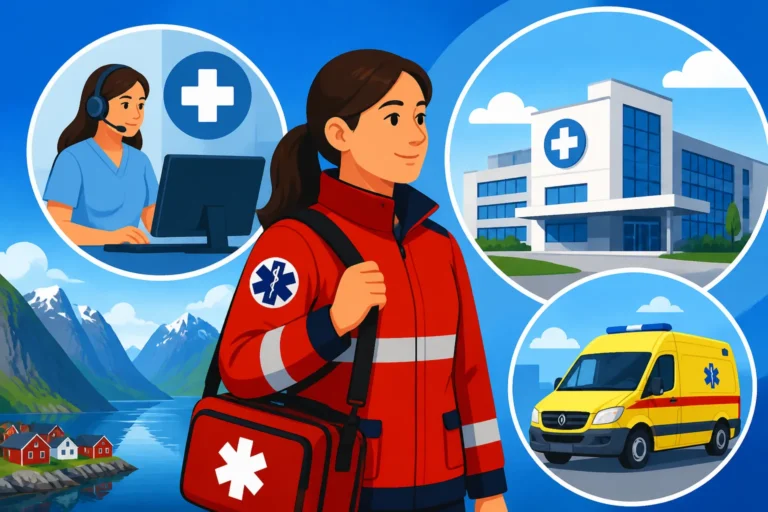
If you find yourself in a crisis situation and the university counseling center is closed, you must know how to access the emergency services. For immediate, life-threatening situations, the number is always 113. However, for urgent mental health crises that aren't necessarily life-threatening but cannot wait until Monday morning, you should contact the Legevakten (116 117): When and How to Use the Out-of-Hours Service.
Most major cities also have a "Psychiatric Emergency Room" (Psykiatrisk legevakt). In Oslo, this is located at Storgata and is open 24/7. You don't need a referral to show up there if you are in a mental health emergency. Knowing that this safety net exists can often reduce the anxiety of "what if" scenarios.
Furthermore, many international students find comfort in Crisis Hotlines in Norway: Mental Health Support in English. Organizations like Kirkens SOS or Mental Helse offer 24-hour chat and phone services. While they are often staffed by volunteers, they are trained to handle difficult conversations and can help ground you until you can see a professional at your university center or GP.
Navigating Private Alternatives and Student Insurance
Sometimes, the bureaucracy of the Norwegian system is just too much to handle when you are already feeling low. If you find that the How Long is the Waiting List to See a Specialist in Norway is too daunting, private clinics like Dr.Dropin or Volvat offer psychology services without a referral. These are expensive, but for many, the cost is worth the speed of access.
If you are a student from outside the EU/EEA, you may be required to have private insurance to get your visa. Check if your policy covers mental health. Policies from SafetyWing are popular among international students because they are flexible, whereas more comprehensive plans like those from Cigna Global are designed for long-term residents who want private-room hospital stays and extensive outpatient mental health coverage.
Regardless of which path you choose, the most important thing is to take that first step. Whether it’s booking a session at SiO to talk about Managing Work-Life Balance the Norwegian Way or seeing your GP for a Blue Prescriptions (Blå Resept): Subsidized Medication for Chronic Illness, help is available. Norway’s system can feel cold and automated at first, especially when you are dealing with Navigating the Helsenorge App in English: A Step-by-Step Translation, but once you are "in the system," the quality of care is world-class.
Disclaimer
This article is for informational purposes only and does not constitute professional medical advice, diagnosis, or treatment. Always seek the advice of a qualified health provider or your university’s counseling service with any questions regarding a medical or mental health condition. If you are in immediate danger, please call 113 in Norway or visit your nearest emergency room.