Medical Interpreters in Norway: How to Request One for Free
Trying to explain a persistent, stabbing pain in your side is difficult enough in your native tongue, but doing it in a language where you barely know the words for "gallbladder" or "inflammation" is a recipe for pure anxiety. I remember sitting in a cold exam room in Oslo, desperately trying to translate my symptoms on my phone while the doctor waited, feeling like a burden rather than a patient. This guide solves that specific panic by detailing exactly how to access free medical interpreters in Norway so you never have to guess your way through a diagnosis again.
Your Legal Right to Communication in the Norwegian Healthcare System
One of the first things I learned after moving here is that the Norwegian state takes "informed consent" very seriously. You cannot give informed consent if you do not understand what the doctor is saying. In Norway, the right to a medical interpreter is not a luxury or a "nice-to-have" service; it is a statutory right enshrined in the Patient and User Rights Act. If you cannot communicate effectively with health personnel, the healthcare provider is legally responsible for booking an interpreter. This applies whether you are covered under Folketrygden Basics: Who is Covered by the National Insurance Scheme or if you are still navigating Healthcare Rights for D-Number Holders: Exclusions and Alternatives.
The logic behind this is simple: miscommunication leads to medical errors. If you tell a doctor you have an allergy but use the wrong word, the consequences could be life-threatening. Even if you are a digital nomad using a policy like SafetyWing while you wait for your residency to clear, you are entitled to clear communication when visiting public facilities like the emergency room. The cost of the interpreter is entirely covered by the healthcare system, not by the patient. You should never receive a bill for the time an interpreter spends in your consultation.
There is also a significant emphasis on the "Interpreter's Oath." In Norway, professional medical interpreters are bound by strict confidentiality (taushetsplikt). They are there to be a neutral conduit for information. They are not allowed to add their own opinions, give you advice, or share anything discussed in the room with your employer, your family, or the UDI. This level of professional distance is why the system discourages the use of family members—especially children—as interpreters.
Why You Should Never Use Family or Friends
In my early days, I often dragged my Norwegian-speaking friend to appointments. I thought I was being helpful and saving the state money. I was wrong. Using a friend or family member creates a massive conflict of interest. Your spouse might "filter" bad news to protect your feelings, or a friend might not know the specific medical terminology for a complex heart condition. In some cases, having a family member present can even prevent you from speaking openly about sensitive issues like domestic concerns or mental health.
The Norwegian Directorate of Health is very firm: children should never be used as interpreters. It places an unfair emotional burden on the child and risks significant medical errors. If a doctor sees you have brought a child to translate, they are likely to stop the session and call for a professional telephone interpreter immediately. Even if you have high-end international coverage through Cigna Global, the professional standard in Norwegian public hospitals remains the same: use a certified, neutral professional.
The Scope of Coverage for Interpreters
This right isn't just for your primary doctor. It extends across the entire spectrum of the public health system. If you are dealing with Mental Health in Norway: Accessing Therapy and Psychiatric Care, having an interpreter who understands the nuance of emotion is vital. It also covers dental emergencies (though usually only for the medical portion of the visit), specialist consultations, and hospital stays. If you are sent for a scan through Specialist Referrals in Norway: How the Waiting Times Work, you can request that an interpreter be available to explain the procedure and the results.
It is worth noting that while the service is free, it must be planned. The healthcare system is efficient, but it isn't magic. You can't usually walk into a clinic and expect an in-person interpreter to be standing in the lobby. However, the system has adapted to include digital solutions that make "on-the-fly" translation much more accessible than it was a decade ago.
How the Process Works: Step-by-Step to Requesting an Interpreter
Getting an interpreter is surprisingly straightforward, but it requires you to be proactive during the booking phase. You cannot wait until you are standing in front of the doctor to mention that you don't understand Norwegian. The "heavy lifting" of the request happens when you first make your appointment.
Requesting via Your GP or Specialist
When you are part of The Fastlege Scheme: Navigating Norway’s GP System, your GP's office is your main point of contact. When you call to book an appointment (or use the Helsenorge portal), you must explicitly state that you need an interpreter. You should specify the language you are most comfortable with. Don't just say "English" if your native language is Spanish or Arabic and you feel more precise in those languages. The goal is 100% clarity.
If you are using the Helsenorge app, there is often a comments field when booking. Write: "Jeg har behov for tolk på [Language]." Most secretaries will see this and book a qualified professional through one of the state-approved agencies. If you are seeing a specialist, the referral from your GP should ideally mention the need for an interpreter. If you aren't sure if it was mentioned, call the specialist's office as soon as you receive your appointment letter to confirm.
Emergency Situations and Legevakten
In an emergency, the rules shift slightly toward speed. If you are calling 113 or heading to Emergency Medical Care in Norway: 113, Legevakten, and Hospitals, you won't have time to book an in-person interpreter. However, the emergency services have access to 24/7 telephone interpreting services. When you arrive at the Legevakt, tell the triage nurse immediately: "Tolk, [Language]." They can usually have a professional on a speakerphone or a tablet within minutes.
I’ve found that even if you speak decent "supermarket Norwegian," the stress of an emergency can make your brain freeze. Don't be "too proud" to ask for help. Even if you have travel insurance through SafetyWing, the local hospital will still utilize these public interpreting resources to ensure they treat you correctly. There is no shame in ensuring your medical history is communicated accurately.
Using Helsenorge to Flag Language Needs
The Helsenorge portal is the brain of your medical life in Norway. While the interface is increasingly friendly, Navigating the Helsenorge App in English: A Step-by-Step Translation is a great resource if you're struggling with the settings. Within your profile, you can sometimes update your communication preferences. While there isn't always a permanent "toggle" for an interpreter, ensuring your preferred language is noted in your contact information helps.
When you receive digital letters for appointments, they often contain a phone number to call if the time doesn't suit you. Use that number to verify the interpreter request. It’s better to spend five minutes on the phone on Monday than to arrive on Friday and realize the doctor can’t explain your blood tests to you. If you are paying your User Fees (Egenandel) for Doctor Visits Before Reaching Frikort Status, you want to make sure that the appointment is actually productive.
| Feature | In-Person Interpreter | Telephone/Video Interpreter |
|---|---|---|
| Best For | Complex surgeries, mental health, long consultations | Short check-ups, emergencies, follow-ups |
| Availability | Requires 2-7 days advance notice | Usually available within minutes |
| Cost to Patient | 0 NOK (Free) | 0 NOK (Free) |
| Privacy | High (Neutral professional) | High (Neutral professional) |
| Booking Method | Contact GP/Clinic in advance | Requested on-site or in advance |
Types of Interpretation Available in Norway
Norway utilizes three primary methods for medical interpretation: in-person, telephone, and video. Which one you get usually depends on the nature of the medical issue, the language required, and your location. If you are in a major city like Oslo or Bergen, in-person interpreters are more common. In rural Trøndelag or the North, video is often the standard.
In-Person Interpretation
This is the "gold standard" for communication. Having an interpreter in the room allows them to pick up on non-verbal cues, body language, and the physical context of the exam. This is almost always prioritized for Family Health in Norway: Pregnancy, Childbirth, and Pediatric Care or when discussing a serious diagnosis. If you are hospitalized, the ward can often arrange for an interpreter to visit during the morning rounds when the doctors discuss your progress.
One tip I always give: when an in-person interpreter is present, look at the doctor when you speak, not the interpreter. The interpreter is a "voice," not a participant in the conversation. This keeps the doctor-patient relationship focused where it should be. If you have a private policy like Cigna Global, you might find that some private clinics have their own preferred bilingual staff, but in the public system, these are certified freelancers or agency employees.
Video and Telephone Services
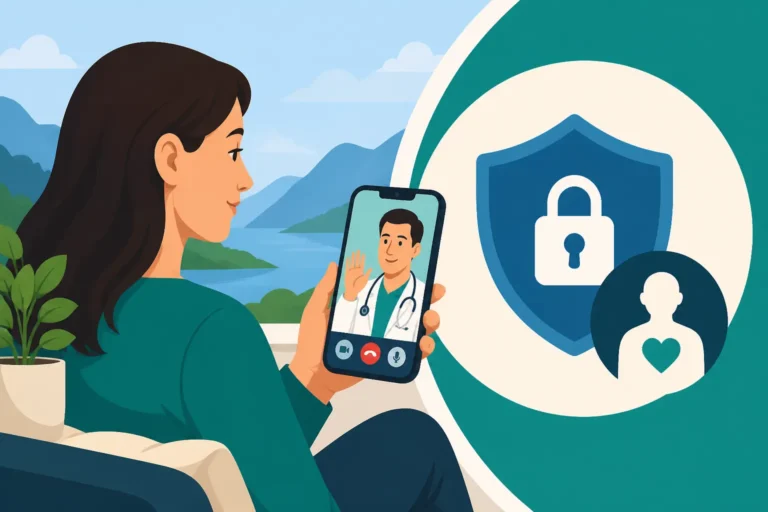
The majority of daily interpreting in Norway now happens via video or phone. It is incredibly efficient. Most GP offices have a dedicated tablet or a "dual-phone" system for this. The quality is generally excellent, and it allows the health system to access interpreters for rare dialects that might not have a local representative in your town.
Telephone interpretation is particularly useful for English Language Support at Legevakten: What to Expect. Since many Norwegians speak English well, they might initially try to handle the consultation in English. However, if the medical terminology becomes too dense, they will dial in a professional. Don't be afraid to ask for this even if the doctor thinks their English is "good enough." Medical English is a different beast than conversational English.
What to Expect During the Consultation
A professional interpreter will start the session by introducing themselves and explaining their role. They will state that they are bound by confidentiality. During the session, they will translate everything said in the room. They will not "clean up" your language or summarize the doctor's points. If the doctor speaks for three minutes, the interpreter will speak for approximately three minutes.
If you feel the interpreter is not accurately conveying your meaning, or if you find it hard to understand their dialect of your native language, you have the right to speak up. You can ask for a different interpreter for your next appointment. The goal is your health, and the system is designed to accommodate these adjustments. This is all part of your broader Public vs Private Healthcare in Norway: A Complete Guide rights; the state wants you to be an active, informed participant in your care.
Practical Tips for a Successful Interpreted Appointment
Working with an interpreter is a skill in itself. To get the most out of your free session, you should keep your sentences relatively short. This allows the interpreter to process the information without losing details. Avoid using slang or idioms that might not translate well. Instead of saying "I've been feeling under the weather," say "I have been feeling tired and nauseous for three days."
Always bring any medication you are currently taking, or a list of them. Showing the box to the doctor is a universal language that minimizes the chance of the interpreter mispronouncing a drug name. This is especially important if you are managing Healthcare Budgeting: The Frikort Exemption Card and User Fees, as you want to ensure your prescriptions are correctly logged in the system to count toward your annual limit.
Finally, keep a record of your needs. If you have a chronic condition, ensure your "pasientjournal" (medical record) has a permanent note that you require an interpreter for all future visits. This reduces the friction of booking every single time. Whether you're here on a short-term contract with SafetyWing or building a long-term life with a family, clear communication is the foundation of your well-being in the Nordics.
Disclaimer
This guide is provided for informational purposes only and does not constitute legal or medical advice. While every effort has been made to ensure the accuracy of this information based on Norwegian regulations as of 2026, healthcare policies and interpreting availability may change. Always consult with your healthcare provider or the Norwegian Directorate of Health (Helsedirektoratet) for the most current information regarding your specific rights and the services available in your municipality.