Using the European Health Insurance Card at Norwegian Ski Resorts
You finally make it to the top of a pristine, snow-covered peak in Trysil, the air is crisp, and your skis are waxed to perfection. Then, a split-second catch of an edge turns your dream vacation into a painful trip down the mountain in a rescue sled. Many expats and tourists assume their European Health Insurance Card (EHIC) covers every penny of the subsequent medical bill, only to face a stressful financial hangover. This guide clarifies exactly how to navigate the Norwegian healthcare system from the slopes, ensuring you don't pay more than necessary.
Understanding How EHIC Functions in the Norwegian Mountains
The EHIC is a powerful tool, but it is not a "get out of jail free" card for all medical expenses. In Norway, the card entitles you to necessary, state-provided healthcare under the same conditions and at the same cost as Norwegian residents. This means if a local has to pay a portion of the bill, you do too. I remember the shock on a friend's face when they realized that even with the card, they had to pay a "user fee" for their x-ray after a nasty fall in Hemsedal.
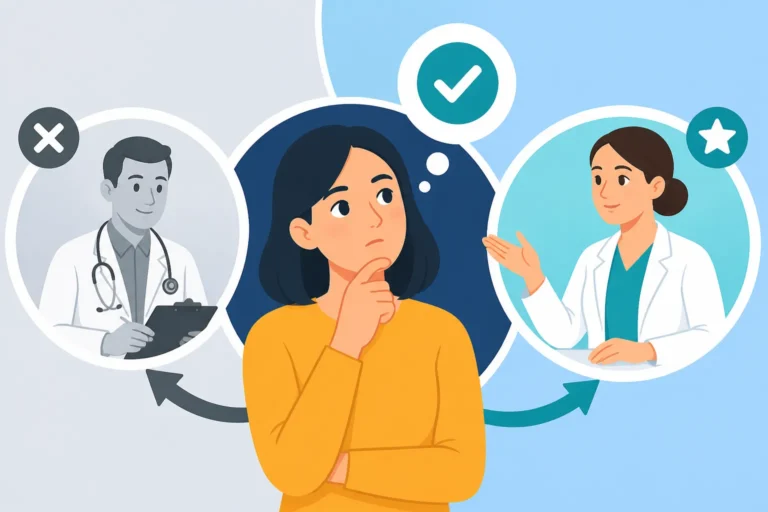
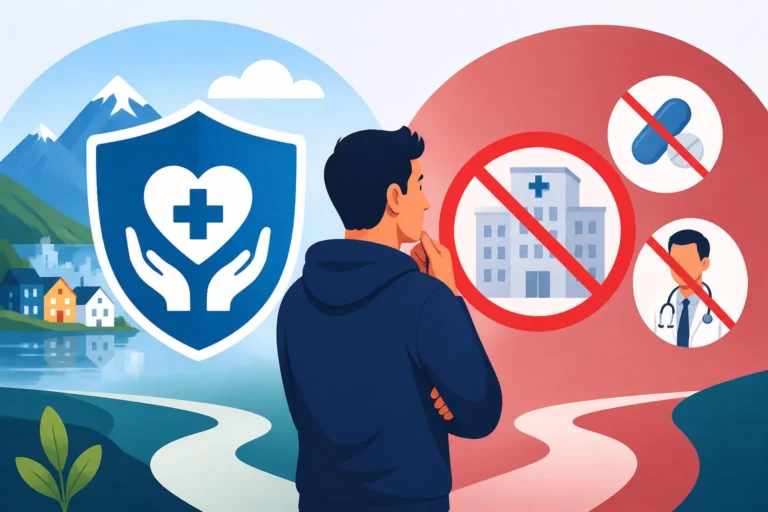
It is vital to distinguish between public and private care. Most major ski resorts in Norway, such as Hafjell or Geilo, have medical clinics nearby. However, some of these clinics are private enterprises. If you walk into a private clinic, your EHIC is essentially a piece of plastic with no value. You must seek out public providers or those affiliated with the National Insurance Scheme to utilize your benefits. Understanding the EHIC and GHIC in Norway: Using European Health Insurance is the first step in avoiding a massive out-of-pocket surprise.
The Role of the National Insurance Scheme
Norway’s healthcare system is heavily subsidized by the state, but it is not entirely free for adults. When you use your EHIC, you are tapping into the same system that locals use daily. This system covers everything from GP visits to hospital stays, provided they are deemed medically necessary. If you are a resident, you might already know about the Folketrygden Basics: Who is Covered by the National Insurance Scheme, but as a visitor or a new expat, you are essentially a guest in this system.
The card covers treatment that becomes necessary during your stay and cannot wait until you return home. This includes things like broken bones, acute illnesses, or even the worsening of a chronic condition due to the cold mountain air. However, it does not cover "medical tourism" or planned treatments. If you are heading to the mountains for a week of skiing, the EHIC is there for the "what ifs," not for a check-up you've been putting off.
Public vs Private Clinics at Ski Resorts
This is where many travelers get tripped up. Larger resorts often have on-site "Ski Medics" or private clinics designed for speed and convenience. While they are excellent at patching you up, they often do not accept the EHIC. They will expect payment upfront, often via credit card, and you will have to try to claim it back from your home country later—a process that is notoriously difficult and rarely results in a full refund.
To use your EHIC, you generally need to visit the local Legevakten (116 117): When and How to Use the Out-of-Hours Service. These are public emergency clinics found in every municipality. While they might be a short drive away from the base of the lift, using them ensures that you only pay the standard Norwegian user fee. If your injury is life-threatening, you should always prioritize the nearest help, but for a twisted knee or a minor concussion, knowing where the public clinic is located can save you thousands of kroner.
Medical Costs and the User Fee System
In Norway, healthcare follows a co-payment model called "Egenandel." Even with a valid EHIC, you will be expected to pay this fee for consultations, lab tests, and imaging like X-rays. These fees are fixed by the government and are relatively affordable compared to private rates, but they are mandatory. Visitors are sometimes frustrated to learn that even with their card, a fee such as the 300 NOK charged for the doctor's time is non-negotiable.
These fees do not count toward the "Frikort" or exemption card system for short-term visitors, as that is usually reserved for residents who have spent a significant amount on healthcare within a calendar year. You can read more about User Fees (Egenandel) for Doctor Visits Before Reaching Frikort Status to understand how these costs accumulate. Typically, you will pay the fee at a self-service kiosk at the clinic before or after your appointment.
Emergency Transport and Search and Rescue
One of the biggest reliefs for skiers in Norway is that search and rescue operations are generally managed by the state and volunteer organizations like the Red Cross, and these are typically free of charge if you get lost or injured on the mountain. However, once you are off the mountain and in an ambulance, the rules change.
While the ambulance ride to the hospital is usually covered for EHIC holders, there are nuances depending on your specific situation and citizenship. Many people ask, Is Calling an Ambulance (113) Free in Norway?, and the answer is generally yes for emergency situations, but you should always be prepared for the paperwork involved. If a helicopter is dispatched (Luftambulanse), this is also part of the public emergency service, but it is strictly for life-critical situations.
Typical Costs for EHIC Holders vs Private Patients
| Service Type | EHIC Holder (Public) | Private Patient / No EHIC |
|---|---|---|
| GP/Legevakt Consultation | ~300 – 400 NOK | 1,500 – 3,000 NOK |
| X-Ray / Imaging | ~250 – 300 NOK | 2,000+ NOK |
| Hospital Stay (Inpatient) | 0 NOK | 10,000+ NOK per day |
| Specialist Referral | ~350 NOK | 2,500+ NOK |
| Prescription Meds | Varies (Full price for white slips) | Full Market Price |
As you can see, the difference is staggering. If you end up at a private clinic in a place like Hemsedal without a plan, you could easily blow your entire holiday budget on a single afternoon of medical care. This is why brands like SafetyWing are so popular among the digital nomad crowd in Norway; they provide a layer of protection that bridges the gap between what the EHIC covers and what a private clinic charges.
Why the EHIC Is Often Not Enough
While the EHIC is great for a basic doctor's visit, it has a massive, gaping hole: it does not cover repatriation. If you break your leg so badly that you cannot fly home on a standard commercial flight and need a dedicated medical transport, the EHIC will not pay for it. Families have been forced to crowdfund tens of thousands of Euros because they relied solely on their EHIC and didn't have travel insurance to get a family member back to the UK or Germany.
Furthermore, the EHIC doesn't cover non-medical costs associated with an injury. If you are stuck in a hotel in Lillehammer for two weeks because you can't travel, the EHIC won't pay for your extra accommodation or your missed flight home. This is where Private Health Insurance in Norway: Is It Worth the Extra Cost? becomes a relevant question even for those who think they are covered by European agreements.
The Gap in Private Coverage
Many ski resort clinics operate on a "pay-and-claim" basis. Even if they are willing to treat you, they might not have the administrative setup to bill a foreign health authority directly via the EHIC. You pay 5,000 NOK on your credit card, and then you have to spend months fighting with your local health office back home to get 400 NOK back.
For those living in Norway long-term or those visiting for an extended winter season, having a more robust policy like those offered by Cigna Global can be a lifesaver. Cigna Global is particularly adept at handling international claims and can often provide direct billing with private clinics that the EHIC simply cannot touch. Similarly, SafetyWing offers a "Safety Net" style of insurance that is perfect for those who are skiing in Norway as part of a larger European tour.
Medication and Post-Injury Care
If the doctor at the Legevakt prescribes you painkillers or antibiotics, you will need to head to a pharmacy (Apotek). The EHIC does not typically make prescriptions free. You will likely receive a "white prescription," meaning you pay the full price of the medicine at the counter. To understand the different types of prescriptions you might encounter, check out our guide on Pharmacies and Prescriptions in Norway: White vs Blue Slips.
In the mountains, pharmacies can be few and far between. Most large resorts have one, but their hours can be limited, especially on Sundays. If you are injured on a Saturday afternoon, you might find yourself waiting until Monday to get anything stronger than over-the-counter ibuprofen unless the Emergency Medical Care in Norway: 113, Legevakten, and Hospitals facility can provide you with a starter dose.
Practical Steps to Take if You Are Injured
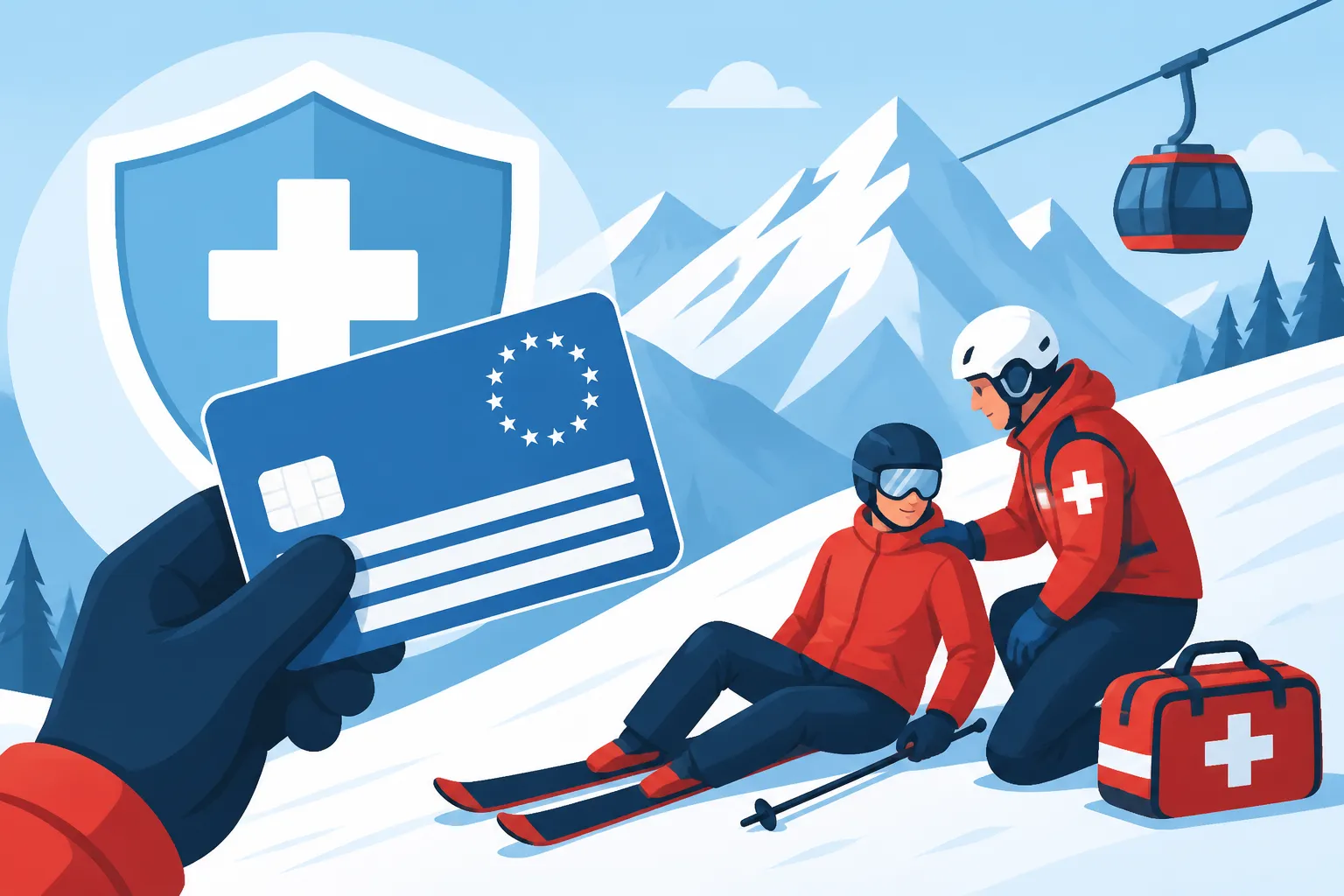
If the worst happens and you find yourself staring at the sky from a snowbank, stay calm. The Norwegian rescue services are world-class. Your first priority is safety. If you can move, get to the bottom of the hill and look for the "SkiPatrol" or "Røde Kors" (Red Cross) station. They will provide initial first aid for free.
Once you are stabilized, ask specifically for the nearest Public Legevakt. If they try to steer you to a private clinic, ask if that clinic accepts the EHIC. If they say no, and your injury isn't a life-threatening emergency, it is worth the taxi ride to the local municipal clinic to ensure your card is used. Always keep a digital copy of your EHIC on your phone, but carry the physical card in your ski jacket—sometimes the cold kills phone batteries exactly when you need them most.
Documentation and Receipts
Even if you use your EHIC and only pay the user fee, keep every single piece of paper you are given. If you later need to claim from a secondary insurance like SafetyWing or Cigna Global, you will need the medical report and the receipt for the "Egenandel." Norwegian clinics are generally very good at providing these in English if you ask, which makes the claims process much smoother.
If you are an expat living in Norway but still using an EHIC from your home country because your residency hasn't been fully processed, be careful. The rules around Public vs Private Healthcare in Norway: A Complete Guide can change once you are registered in the National Registry. Always ensure your status is up to date to avoid being accused of insurance fraud or having a claim denied because you are technically no longer a "visitor."
Navigating the Language Barrier
While almost every doctor and nurse in Norway speaks excellent English, the administrative forms might still be in Norwegian. Don't be afraid to ask for a translation or clarification. Most clinics at major resorts like Hemsedal or Trysil deal with thousands of foreigners every season, so they are used to the EHIC process. If you feel like things are getting lost in translation, remember that you have the right to clear information about what you are being charged for and why.
Legal and Administrative Disclaimer
The information provided in this guide is for educational and informational purposes only and does not constitute legal or professional medical advice. While every effort has been made to ensure the accuracy of the details regarding EHIC usage and Norwegian healthcare, regulations and fees are subject to change by the Norwegian Directorate of Health (Helsedirektoratet) and the UDI. Always consult with your insurance provider and the official Helsenorge website for the most current rules. The author and publisher are not responsible for any financial losses or medical complications resulting from the use of this information. Always carry secondary travel insurance when skiing in Norway.