Crisis Hotlines in Norway: Mental Health Support in English
When the crushing weight of a Norwegian winter hits or a personal crisis strikes, the feeling of isolation in a foreign country can be overwhelming. I remember sitting in my apartment in Trondheim, staring at the rain for the tenth day straight, feeling completely disconnected and unable to express my distress in a language that wasn't my own. This guide provides the immediate contact information and navigation steps for English-speaking mental health support in Norway, ensuring you never have to face a crisis alone.
Immediate Crisis Support in Norway: Who to Call When Seconds Matter
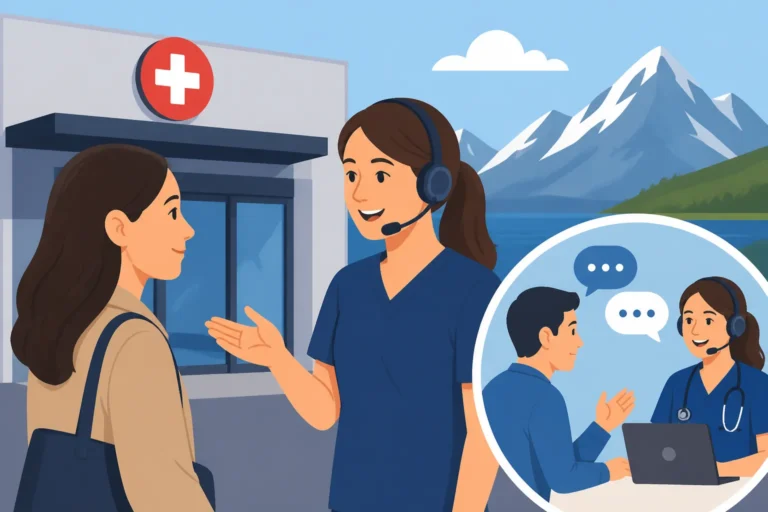
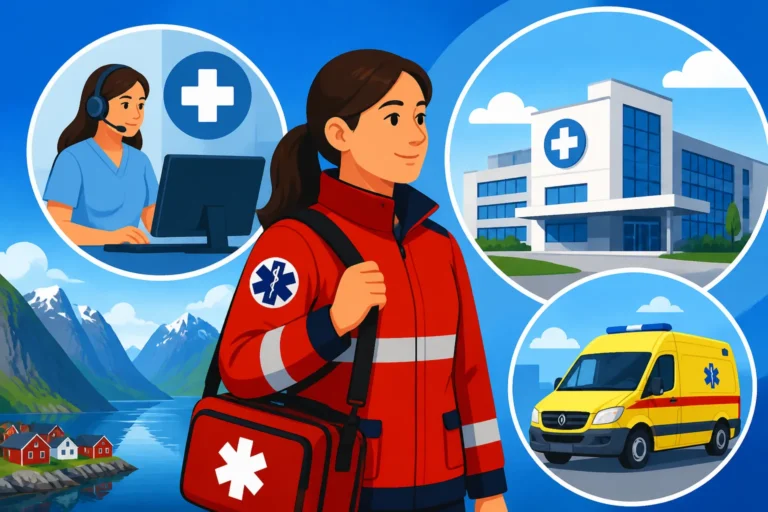
In a moment of acute crisis, your first instinct might be to panic because you aren't sure if the person on the other end of the line will understand your English. Rest assured, the vast majority of emergency operators in Norway are highly proficient in English. If you or someone you know is in immediate danger of self-harm or is experiencing a life-threatening psychiatric emergency, the first number you must dial is 113. This connects you directly to the ambulance and medical emergency dispatch.
When you call, stay calm and state clearly that you need assistance for a mental health emergency. The operators are trained to handle high-stress situations and will talk you through the immediate steps while help is dispatched. If you are in a situation where you can safely get to a hospital, you can also go directly to the nearest emergency room. For more details on how these services are structured, you can read about Calling 113: Ambulance Services and Life-Threatening Emergencies.
If the situation is urgent but not immediately life-threatening, your primary point of contact is the local Legevakt. This is the out-of-hours medical service that handles cases that cannot wait for a regular GP appointment. By dialing 116 117, you will be connected to the nearest Legevakt center. Many of these centers in larger cities like Oslo, Bergen, and Stavanger have dedicated psychiatric emergency teams (Psykiatrisk legevakt). They can provide immediate assessment, short-term crisis counseling, and, if necessary, facilitate admission to a psychiatric ward. You can learn more about this service in our guide on Legevakten (116 117): When and How to Use the Out-of-Hours Service.
Mental Helse: Hjelpetelefonen 116 123
The most prominent resource for mental health support in Norway is Hjelpetelefonen, operated by the organization Mental Helse. This is a free, 24-hour service available to anyone who needs someone to talk to. While the service is primarily in Norwegian, almost all their volunteers and staff speak excellent English and are more than willing to provide support to expats. You can reach them by dialing 116 123 from any Norwegian phone.
The beauty of Hjelpetelefonen is its anonymity and accessibility. Whether you are dealing with loneliness, anxiety about your residence permit, or more severe depressive thoughts, they offer a non-judgmental ear. For those who find it difficult to speak over the phone, they also offer a secure web-based messaging service called Sidetmedord.no. Here, you can write about your feelings and receive a response within 24 to 48 hours. This is an excellent bridge for those who are struggling but aren't quite ready for a voice conversation.
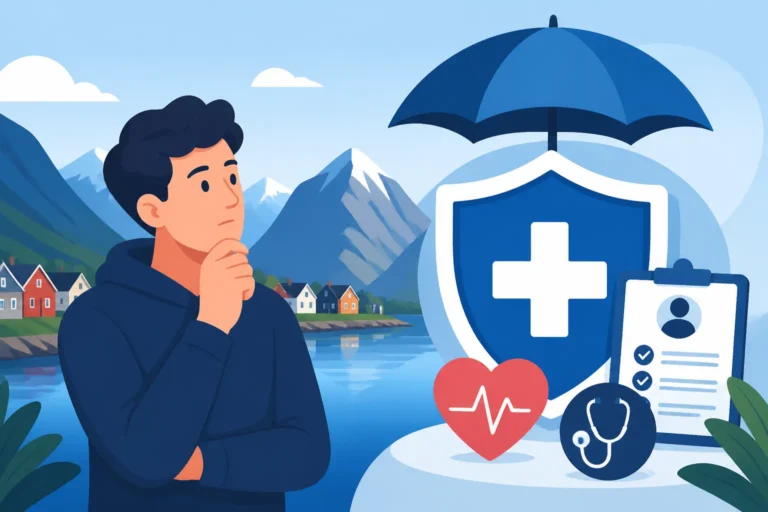
If you are a traveler or a digital nomad not yet covered by the national system, having a plan like SafetyWing can be a lifesaver, as they often provide resources for navigating emergency care abroad. However, Hjelpetelefonen remains a free public resource for everyone physically present in Norway, regardless of their insurance status. This service is a vital part of the broader framework of Mental Health in Norway: Accessing Therapy and Psychiatric Care.
Kirkens SOS: A National Crisis Helpline
Kirkens SOS is the largest crisis communication service in Norway. Despite the name ("The Church's SOS"), it is a secular, inclusive service open to people of all faiths and none. They operate a 24-hour hotline at 22 40 00 40 and also provide chat and email services. Their primary mission is "to see, hear, and support people in crisis." Because they deal with a high volume of calls related to suicide prevention and deep emotional distress, their volunteers are exceptionally well-trained.
For an expat, Kirkens SOS can be a lifeline during those periods where the cultural barrier feels insurmountable. They understand the specific pressures of living in Norway, from the social expectations of "dugnad" to the pressure of the workplace. If you find yourself in a dark place, especially during the long nights of the Coping with Seasonal Affective Disorder (SAD) in the Norwegian Winter, calling them can provide the immediate emotional stabilization you need to get through the night.
It is worth noting that for long-term residents, comprehensive insurance plans like Cigna Global can sometimes offer access to specialized international helplines as part of their mental health benefits. However, for local, immediate, and culturally-attuned support, Kirkens SOS is the gold standard in Norway. They are deeply integrated into the local safety net and can often advise on how to approach your local health authorities for further help.
Navigating the Public System for Follow-up Care
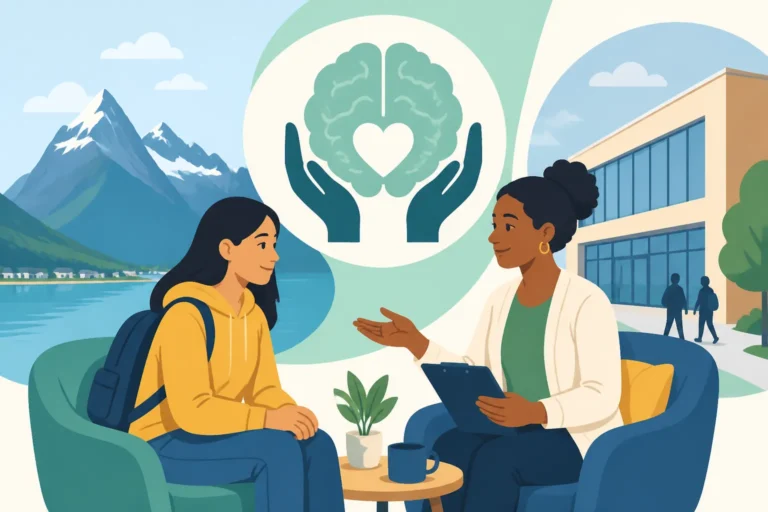
Once an immediate crisis has passed, the next challenge is finding sustainable, long-term support. In Norway, the healthcare system is built on the "gatekeeper" model. This means your first step for any non-emergency mental health issue is always your GP, known as a Fastlege. You must book an appointment to discuss your mental health, and they will decide whether to provide treatment themselves or refer you to the District Psychiatric Center (DPS).
The DPS is the backbone of the public mental health system, providing outpatient treatment, group therapy, and specialized psychiatric care. However, waiting times can be significant. It is not uncommon for a non-acute referral to take several months. During this waiting period, you can continue to use the hotlines mentioned above. Understanding The Fastlege Scheme: Navigating Norway’s GP System is essential for anyone planning to stay in the country long-term, as your GP is the one who holds the key to subsidized public therapy.
If your Fastlege determines you need specialized help, they will send a referral to the DPS in your local "opptaksområde" (catchment area). You will then receive a letter (usually via Helsenorge) stating whether you have been granted a "rett til helsehjelp" (right to healthcare) and a date for your first appointment. For a detailed breakdown of this process, check out How to Get a Referral for Therapy (DPS) in Norway.
Private Alternatives and English-Speaking Therapists
Many expats find that the public system's waiting lists are simply too long when they are in distress. In these cases, seeking a private psychologist is a common alternative. Private therapists do not require a referral from a Fastlege, and you can often get an appointment within a week. The downside is the cost, which typically ranges from 1,200 NOK to 2,500 NOK per session.
When searching for private help, you should specifically look for therapists who list "English" as a language of practice. In major cities, many therapists have trained abroad (often in the UK, USA, or Australia) and are very comfortable conducting therapy in English. This can be a huge relief, as nuance is everything in mental health treatment. You can find more information on this path in our guide on Finding an English-Speaking Therapist in Private Practice.
If you have private health insurance, either through your employer or a personal policy from providers like Cigna Global or SafetyWing, your costs may be partially or fully covered. Always check your policy's "Outpatient Mental Health" section before booking. Some policies require you to use their specific network of providers, while others allow you to choose any licensed psychologist and claim the funds back later. This is a key part of the Public vs Private Healthcare in Norway: A Complete Guide.
Support for Specific Crises: Violence and Substance Abuse
Norway has specialized services for crises involving domestic violence or substance abuse. VO-linjen (Volds- og overgrepslinjen) is a free, 24-hour helpline for anyone experiencing domestic violence or sexual assault. You can call them at 116 006. They offer support, advice, and can help you get in touch with local crisis shelters (Krisesenter).
For those struggling with substance abuse—which can often worsen during the isolation of an expat move—there are specific resources like RUSinfo. While primarily an information service, they can provide guidance on where to seek help for addiction within the Norwegian system. If you are a parent and your mental health or crisis is affecting your children, the local Barnehage or school can also provide resources, and in severe cases, the Barnevernet (Child Welfare Service) may become involved to support the family unit.
| Service Name | Phone Number | Best For | Language |
|---|---|---|---|
| Emergency Services | 113 | Life-threatening emergencies | English/Norwegian |
| Medical Helpline | 116 117 | Urgent but non-life-threatening medical/psych issues | English/Norwegian |
| Hjelpetelefonen | 116 123 | General mental health support, 24/7 | English/Norwegian |
| Kirkens SOS | 22 40 00 40 | Crisis support and suicide prevention | English/Norwegian |
| VO-linjen | 116 006 | Domestic violence and abuse support | English/Norwegian |
| Student Helplines | Varies | Mental health for university students | English/Norwegian |
Practical Tips for Managing Mental Health as an Expat
Living in Norway requires a certain level of "mental winterproofing." The lack of sunlight in the winter can wreak havoc on your serotonin levels, leading to what many call the "winter blues." I've found that being proactive is the only way to survive. This includes taking high doses of Vitamin D and using light therapy lamps. For a deep dive into surviving the dark, see Vitamin D Guidelines for Expats Surviving the Dark Season.
Social isolation is another major trigger for mental health crises. The Norwegian concept of "koselig" (coziness) often happens behind closed doors in private homes, making it hard for newcomers to break into social circles. Joining a club or participating in a "dugnad" (community volunteer day) can be surprisingly effective for your mental well-being. Building a local network is a defensive strategy against future crises.
Finally, keep all your medical documents and BankID ready. Many support services and health records are accessed via Helsenorge. If you are in the middle of a crisis, the last thing you want to deal with is a login error. If you are a newcomer still waiting for your permanent ID, ensure you understand Healthcare Rights for D-Number Holders: Exclusions and Alternatives, as your access to certain public services might be limited initially. Having a backup plan through SafetyWing or Cigna Global during this transition period can provide the security you need to feel safe.
Important Disclaimer Regarding Medical Advice
The information provided in this guide is for educational and informational purposes only and is not a substitute for professional medical advice, diagnosis, or treatment. Always seek the advice of your physician or other qualified health provider with any questions you may have regarding a medical or mental health condition. Never disregard professional medical advice or delay in seeking it because of something you have read in this guide. If you are in an immediate crisis, please call 113 or 116 117 immediately.