Can I See a Doctor in Norway if I Only Have a D-Number?
Landing in Norway with a D-number often feels like being handed a key that only opens half the doors in the city. I remember sitting in my first apartment in Oslo, nursing a fever and staring at the Helsenorge website, only to realize my temporary identification number didn't grant me a spot on a GP's list. This guide breaks down exactly how to navigate the Norwegian medical landscape when you are in that frustrating "D-number limbo."
The Reality of Healthcare Access with a D-number
When you first arrive in Norway for work or study, you are often issued a D-number (dummy number) as a temporary identification. While this number allows you to open a bank account or receive a paycheck, it does not automatically plug you into the municipal healthcare system in the same way a permanent Fødselsnummer does. The most significant hurdle is that holders of a D-number are generally not entitled to a "Fastlege," which is a dedicated primary care doctor.
In the Norwegian system, the Fastlege is the gatekeeper to everything else—specialists, long-term prescriptions, and routine checkups. Without one, you might feel like an outsider looking in. However, you are never truly denied care; the path just looks different. I spent my first six months in Stavanger without a permanent number, and I had to learn the hard way that you can't just walk into any clinic and expect a standard appointment. You have to understand the distinction between "necessary healthcare" and "elective care."
Under Norwegian law, everyone residing in the country, regardless of their ID status, has a right to emergency and "necessary" healthcare. If you are a member of the National Insurance Scheme (Folketrygden), which most workers with a D-number are from day one, you are covered, but the mechanism for accessing that coverage is less streamlined. You will likely find yourself navigating Healthcare Rights for D-Number Holders: Exclusions and Alternatives more often than you'd like during your first few months.
Navigating the Legevakt and Out of Hours Services
Since you cannot register for The Fastlege Scheme: Navigating Norway’s GP System, your primary point of contact for non-life-threatening but urgent issues is the Legevakt. This is the municipal emergency clinic, and it serves as the safety net for everyone without a GP or for those whose GP is unavailable.
Using the Legevakt is a rite of passage for many expats. You don't just show up; you should ideally call the national number 116 117 first. This connects you to a nurse who will triage your symptoms over the phone. When I had a severe ear infection during my D-number phase, the operator was able to tell me exactly which clinic in Bergen had the shortest wait time. It’s important to remember that the Legevakt is not for routine matters like a general physical or a long-term mental health referral. It is for things that cannot wait until the next business day.
One thing to be prepared for is the wait. Because the Legevakt handles everything from minor stitches to early-stage labor, you might be sitting in that waiting room for several hours. This is where having a clear understanding of Legevakten (116 117): When and How to Use the Out-of-Hours Service becomes essential. You should also bring your passport and any documentation of your D-number, as the administrative staff will need this to bill you correctly and check your insurance status.
Private Clinics The Faster Alternative for D-number Holders
If you have the means or a good insurance policy, private healthcare is often the most "sane" way to see a doctor quickly when you only have a D-number. Private providers like Dr.Dropin, Volvat, or Aleris do not require you to be part of the public GP scheme. You can often book an appointment on your phone and see a doctor within a few hours.
For many of us who moved here, these private clinics were a lifesaver. They operate much more like the healthcare systems in the US or the UK, where you pay a flat fee for a consultation. This is also where international insurance comes into play. If you are using a provider like SafetyWing, which is popular among digital nomads and those in transition, you might find that the cost of a private consultation is easily reimbursed or covered. Similarly, Cigna Global offers the kind of comprehensive coverage that allows you to bypass the public waiting times entirely, which is a massive relief when you're still waiting for the National Registry to process your permanent number.
Private doctors can also issue prescriptions and refer you to private specialists. However, keep in mind that a referral from a private doctor to a public specialist can still result in long wait times. If you are dealing with a non-urgent issue and want to see a specialist immediately, you might need to ask Can I See a Private Specialist Without a Fastlege Referral? to understand the cost implications.
Understanding Costs and the Egenandel System
Even with a D-number, healthcare in Norway is not "free," but it is subsidized if you are a member of the National Insurance Scheme. You will be required to pay an "egenandel," or a user fee, for every consultation. This fee is standard across the country for public services, but it can feel a bit high if you're visiting the Legevakt frequently.
The fees you pay contribute toward a cap known as the "Frikort." Once you spend over a certain amount in a calendar year (usually around 3,000 to 3,500 NOK), you receive an exemption card, and all further necessary healthcare for that year is free. The catch for D-number holders is that the system doesn't always track your payments as smoothly as it does for those with a Fødselsnummer. You must keep all your receipts. I personally kept a dedicated folder for medical receipts during my first year because the digital sync between the Legevakt and the Helsenorge portal can be spotty for temporary residents.
| Service Type | D-Number Access | Typical Cost (User Fee) | Wait Time |
|---|---|---|---|
| Fastlege (GP) | No | N/A | N/A |
| Legevakt (Urgent) | Yes | 200 – 450 NOK | 2 – 6 hours |
| Private Clinic | Yes | 600 – 1,200 NOK | Same day |
| Emergency (113) | Yes | 0 NOK | Immediate |
| Specialist | Referral Only | 350 – 600 NOK | 2 – 16 weeks |
It is also vital to understand User Fees (Egenandel) for Doctor Visits Before Reaching Frikort Status so you can budget accordingly. If you are working and paying taxes, you are contributing to this system, so don't be afraid to claim your rights. However, if you are a tourist or a short-term visitor without a work contract, your costs will be significantly higher unless you have travel insurance like SafetyWing.
Prescription Medication and Pharmacies
Getting a prescription with a D-number is straightforward once you actually see a doctor. Whether you see a doctor at the Legevakt or a private clinic, they can issue an electronic prescription (e-resept) linked to your D-number. You simply go to any "Apotek" (pharmacy), show your ID, and they will pull up your scripts.
There are two main types of prescriptions in Norway: blue and white. Blue prescriptions are for chronic conditions and are heavily subsidized by the state. White prescriptions are for short-term issues (like antibiotics for a one-off infection) and are usually paid for out of pocket. As a D-number holder, you are entitled to both, provided the doctor deems it necessary. I remember being surprised that I could get my asthma medication on a blue slip even before my permanent residency was finalized.
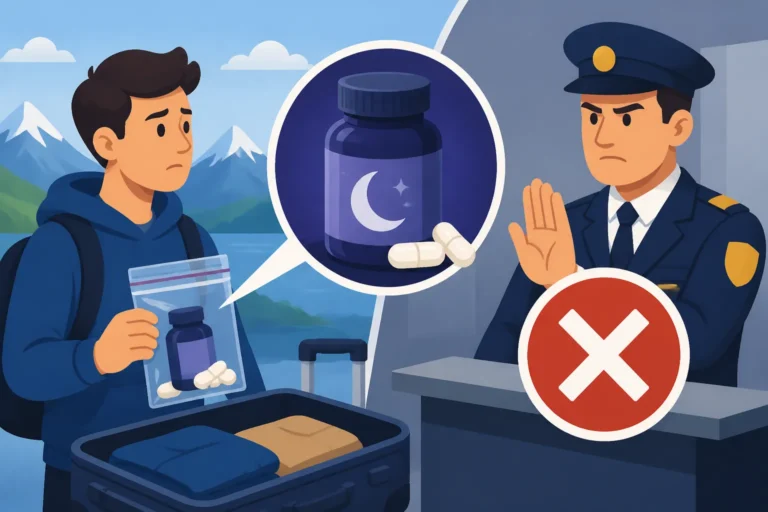
For more details on how this works, you should check out Pharmacies and Prescriptions in Norway: White vs Blue Slips. Also, be aware that many over-the-counter medications that are common in other countries are strictly regulated here. If you are used to buying certain brands of painkillers or cold medicine back home, you might find the selection in Norway a bit limited.
What to Do in a True Emergency
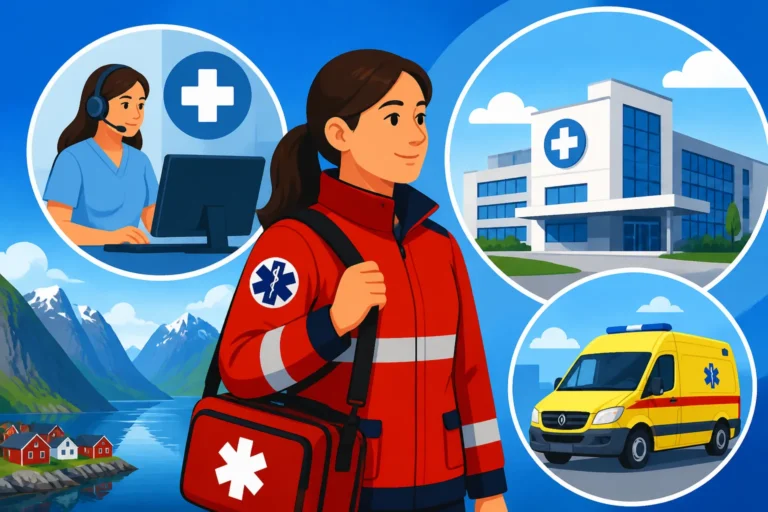
In a life-threatening situation, your ID status is completely irrelevant. The Norwegian emergency services will treat you first and ask questions later. If you are experiencing chest pains, severe difficulty breathing, or a major injury, call 113 immediately.
The ambulance service and emergency hospital admissions are free of charge for anyone in Norway, regardless of whether you have a D-number, a Fødselsnummer, or no number at all. The goal of the system is to preserve life. You will not be asked for a credit card before being loaded into an ambulance. It was a huge relief for me to learn that Emergency Medical Care in Norway: 113, Legevakten, and Hospitals are accessible to everyone.
Once the immediate crisis is over, the hospital's billing department will look at your insurance status. If you are a worker from an EU/EEA country, your European Health Insurance Card (EHIC) will cover the costs. If you are from outside the EU and don't have a work contract yet, this is where a comprehensive policy from Cigna Global or a nomadic policy from SafetyWing is vital to avoid a massive bill after you've been discharged.
Booking Appointments and the BankID Barrier
One of the biggest practical frustrations is the digital nature of Norway. Most GP appointments and health records are managed through the Helsenorge portal, which requires a BankID to log in. Since getting a BankID usually requires a permanent Fødselsnummer, D-number holders are often locked out of the very tools designed to make life easier.
This means you will have to do things "the old-fashioned way." You will need to call clinics on the phone, wait on hold, and physically visit the Legevakt to book or check in. It feels like a step back in time, especially in a country that is otherwise so technologically advanced. If you find yourself struggling with this, read our guide on What to Do if You Need a Doctor but Don't Have BankID.
When you call a clinic, be prepared to explain that you have a D-number and do not have access to Helsenorge. Most medical secretaries speak excellent English and are used to dealing with foreigners in this situation. They can manually enter your details into their system. Always keep a digital copy of your D-number confirmation from the Tax Office (Skatteetaten) on your phone, as you'll likely need to show it more than once.
Transitioning to the Fødselsnummer
The D-number is intended to be a temporary bridge. As soon as you receive your permanent 11-digit Fødselsnummer, your healthcare options expand significantly. You will finally be able to log into Helsenorge, choose a Fastlege, and start the process of accumulating your costs toward the Healthcare Budgeting: The Frikort Exemption Card and User Fees automatically.
Once your status changes, you should immediately go to the Helsenorge website and find a doctor with available space. In major cities like Oslo or Bergen, the best doctors often have long waiting lists. I waited four months for my preferred GP, but having that stable point of contact made a world of difference for my peace of mind. Until that day comes, stay proactive, keep your receipts, and don't hesitate to use private options if the public wait times at the Legevakt become unmanageable.
Healthcare with a D-number requires a bit more legwork and a lot more patience, but the quality of care remains high. You are part of a system that values health as a human right—you just have to learn the specific "temporary" rules of the game.
Short Disclaimer
The information provided in this guide is for informational purposes only and does not constitute professional medical or legal advice. Healthcare regulations in Norway, including user fees and ID requirements, are subject to change by the Norwegian Directorate of Health and UDI. Always consult with a qualified medical professional or the official Helsenorge portal for specific advice regarding your health and legal rights.