Tourist Medical Care: What Happens if You Get Sick in Norway?
Waking up with a pounding migraine or a sudden fever while you are supposed to be hiking the Preikestolen is a nightmare scenario that strips the joy out of any vacation. I remember my first winter here, slipping on a patch of "svullis"—that treacherous hidden ice—and wondering if my ankle was broken while staring at a closed pharmacy door. This guide solves the confusion of navigating the Norwegian healthcare system as a visitor, ensuring you know exactly where to go and how much you will pay when things go wrong.
Emergency Situations: Who to Call and Where to Go
Norway’s healthcare system is world-class, but it is also highly structured. If you are a tourist, you cannot simply walk into a random GP’s office and expect an immediate appointment. The system is built around the "Fastlege" or regular GP scheme, which is reserved for residents. For you, the visitor, there are two primary pathways for urgent medical needs: the Emergency Room (Legevakt) and the emergency number for life-threatening situations.
If you find yourself in a life-threatening situation, such as chest pains, severe difficulty breathing, or a major accident, the number to dial is 113. This connects you directly to the medical emergency dispatch. You should not hesitate to call if the situation is critical. However, for most common tourist ailments—think a high fever, a deep cut that might need stitches, or a suspected sprain—the correct point of contact is the Legevakten (116 117): When and How to Use the Out-of-Hours Service.
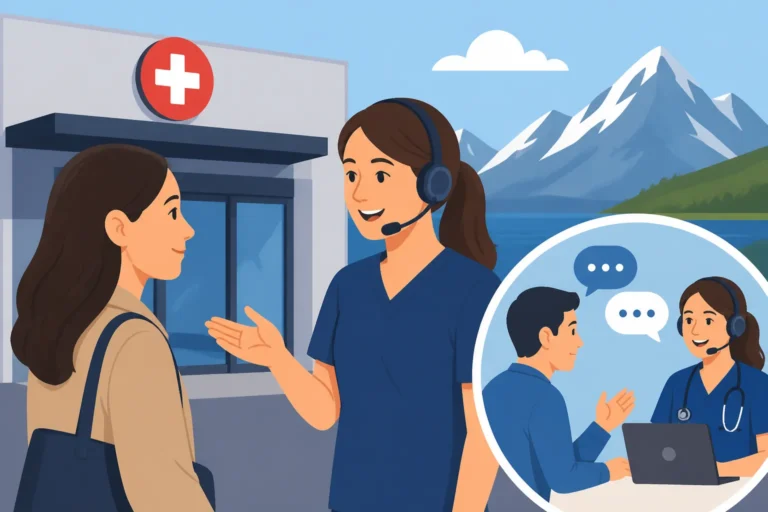
The Legevakt is the municipal emergency clinic. Every municipality in Norway has one, though in rural areas, it might be a shared service between several small towns. In major cities like Oslo, the Legevakt is a massive operation. When you call 116 117, you are put through to a trained nurse who will triage your condition over the phone. They might give you self-care advice or tell you to come in for an assessment. It is important to know that English Language Support at Legevakten: What to Expect is generally excellent; almost all medical staff in Norway speak fluent English, so you won't need to struggle with a translation app while in pain.
Triage and Waiting Times at the Legevakt
Once you arrive at a Legevakt, you will be triaged again. This is where many tourists get frustrated. The Norwegian system prioritizes based on medical urgency, not the order of arrival. If you have a moderate fever but the person behind you has a suspected broken wrist, they will see the doctor first. During peak tourist seasons or on Saturday nights in Oslo, waiting times can stretch to several hours.
If your issue is minor but you want faster service, you might consider private clinics. Brands like Volvat or Dr.Dropin have popped up across major cities. These are not part of the public system, meaning you will pay a higher upfront fee, but the waiting times are significantly shorter. For many visitors, paying the premium to save four hours of their vacation is a trade-off worth making.
Emergency Dental Care for Visitors
A lost filling or a sudden abscess can ruin a trip faster than a rainy day in Bergen. Public dental care in Norway is generally only free for children. Adults, including tourists, are expected to pay the full cost of dental treatment. If you have a dental emergency on a weekend or evening, you will need to find a Emergency Dentists in Norway: Weekend Pain Relief Options. These are often located within or near the main Legevakt buildings in cities. Be prepared for high costs; a simple emergency extraction or temporary filling can easily run into several thousand kroner.
The Cost of Care: Paying for Medical Services as a Visitor
Norway is not a "free healthcare for all" country in the way many imagine. Even residents pay user fees for most consultations. As a tourist, your costs will depend heavily on your country of origin and your insurance coverage.
EU/EEA Citizens and the EHIC
If you are visiting from an EU or EEA country, your primary tool is the European Health Insurance Card (EHIC). This card entitles you to necessary, state-provided healthcare under the same conditions and at the same cost as Norwegian residents. This means you will only pay the standard "egenandel" (user fee), which is typically between 200 and 400 NOK for a consultation.
It is vital to have this card with you. If you don't, you may be asked to pay the full "uninsured" price and then claim a refund later from your home country, which is a bureaucratic headache you want to avoid. If you are heading to the mountains, remember that Using the European Health Insurance Card at Norwegian Ski Resorts is a standard practice for European visitors who take a tumble on the slopes.
Non-EU Visitors and Travel Insurance
For those visiting from the United States, Australia, or other non-EU countries, the costs are significantly higher. Without a reciprocal agreement, you are responsible for the full cost of your treatment. A simple visit to the ER for a consultation and some basic blood tests can easily exceed 2,000 NOK. If you require hospitalization, the costs can skyrocket into the tens of thousands per day.
This is where having a robust travel insurance policy becomes non-negotiable. Many travelers use specialized providers like SafetyWing, which is designed for nomads and long-term travelers who might not have a fixed itinerary. SafetyWing can be particularly helpful because it covers unexpected illnesses and accidents that happen while you are on the road. For those planning a more permanent move or a long-term stay, a policy from Cigna Global might be more appropriate, as they offer more comprehensive international medical coverage that mimics a private health plan.
Understanding User Fees (Egenandel)
Even if you have an EHIC or great insurance, you should understand User Fees (Egenandel) for Doctor Visits Before Reaching Frikort Status. In the Norwegian system, everyone pays a small amount out of pocket until they reach a yearly cap. As a tourist, you will almost certainly never reach that cap, so you should budget for these small, non-refundable fees. Most clinics and hospitals are cashless; you will pay at a self-service terminal using a credit or debit card before you leave.
Accessing Medication: Pharmacies and Prescriptions
If you get sick and the doctor gives you a piece of paper (or more likely, an electronic message), you need to find an "Apotek" (pharmacy). Norwegian pharmacies are generally open during standard business hours, though every major city has at least one "Vaktapotek" (on-call pharmacy) that is open 24/7 or has extended hours.
Bringing Medication into Norway
Many tourists find themselves in trouble at the border because they didn't check the rules for Bringing Medication into Norway: Customs Rules and Schengen Certificates. Norway has strict regulations, especially for medications containing narcotics or stimulants (like some ADHD medications or strong painkillers). Always keep your medication in its original packaging and carry a copy of your prescription. If you run out of your maintenance medication while here, do not expect a pharmacy to simply "refill" a foreign bottle. You will need to see a Norwegian doctor to get a local prescription.
Getting a New Prescription in Norway
When a doctor at the Legevakt or a private clinic prescribes something, it is usually sent as an "e-resept" (electronic prescription). You can go to any pharmacy in the country, show your passport, and they will find your prescription in the national system.
There are two types of prescriptions in Norway, though as a tourist, you will mostly deal with one. You can learn more about Pharmacies and Prescriptions in Norway: White vs Blue Slips, but the short version is that "White" prescriptions are the standard for short-term illnesses, and you pay the full price of the medication. "Blue" prescriptions are for chronic conditions and are subsidized, but these are generally only available to residents or those with specific social security rights.
Over-the-Counter Options
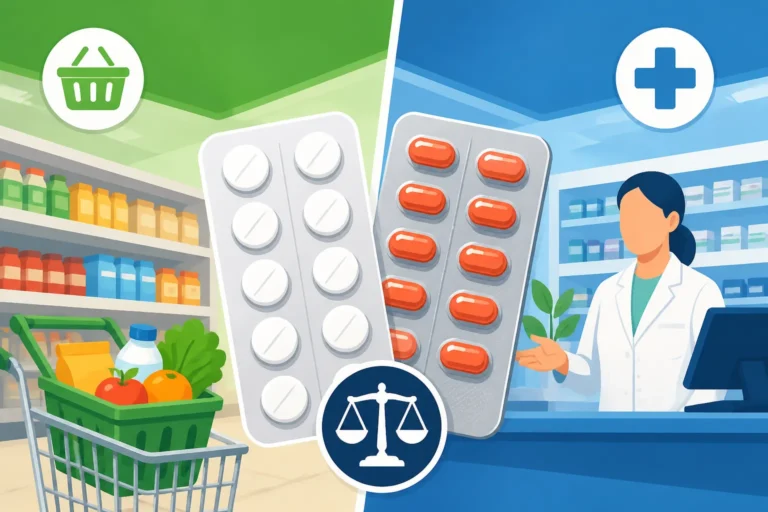
If you just have a common cold or a minor headache, you don't necessarily need a pharmacy. You can find Over-the-Counter (OTC) Drugs in Norway: What You Can Buy in Supermarkets. Most grocery stores like Kiwi or Rema 1000 sell basic paracetamol (Paracet) and ibuprofen (Ibux). However, they are often kept behind the counter or in a locked cabinet near the registers, and you must ask the cashier for them. Note that Norway is quite conservative with medication; you won't find the massive "value packs" of 500 pills common in the US. You’ll get a small box of 20, and that’s about it.
Practical Steps: What to Do If You Get Sick Today
If you are currently in your hotel room feeling unwell, here is the "I've-been-there" checklist to get you through the day without a panic attack.
- Assess the Severity: If it is a true emergency, call 113. If you can wait a few hours or need advice, call 116 117.
- Gather Your Documents: You will need your passport and, if applicable, your EHIC card or your insurance policy details from SafetyWing or Cigna Global.
- Locate the Nearest Clinic: Use Google Maps to search for "Legevakt" or "Private Clinic." If you are in Oslo, the main Legevakt has moved to a brand-new facility at Aker Hospital, so make sure you are looking at the most current location.
- Prepare for the Wait: Bring a power bank for your phone, a bottle of water, and some snacks. Norwegian waiting rooms are clean and safe, but they are not always stocked with vending machines.
- Be Honest with the Nurse: When you speak to the triage nurse, be very clear about your symptoms. Don't play them down, but don't exaggerate either. They are experts at spotting who needs help immediately.
- Follow Up: If the doctor gives you a prescription, head to the nearest Apotek immediately. If they suggest a follow-up, ask for a copy of your medical notes (epikrise) so you can show them to your doctor back home.
Navigating Emergency Medical Care in Norway: 113, Legevakten, and Hospitals is manageable as long as you respect the system's rules. It is designed to be efficient rather than "convenient" in the consumerist sense. You might wait, and you might find it expensive if you aren't covered, but the quality of care you receive will be second to none.
| Service Type | Contact Number | Typical Use Case | Estimated Cost (Visitor) |
|---|---|---|---|
| Emergency (AMK) | 113 | Life-threatening (Heart attack, major trauma) | Covered by Insurance / Free for Life-saving |
| Legevakt (Public ER) | 116 117 | Urgent but not life-threatening (Stitches, fever) | 2,000+ NOK (uninsured) / 300-400 NOK (EHIC) |
| Private Clinic | N/A (App-based) | Minor illness, prescription refills, speed | 700 – 1,500 NOK |
| Emergency Dentist | Local Number | Severe toothache, lost crown on weekends | 2,000 – 5,000+ NOK |
| Pharmacy (Apotek) | N/A | Prescriptions and medical supplies | Market price of drugs |
The Norwegian healthcare landscape is built on trust and clinical need. While it can feel bureaucratic when you are used to a different system, the medical professionals here are deeply committed to patient safety. By having your insurance sorted through a provider like SafetyWing before you land, or knowing that your Cigna Global policy has your back for longer stays, you can focus on the beauty of the fjords rather than the cost of a clinic visit.
Healthcare Services Disclaimer
This article is for informational purposes only and does not constitute professional medical or legal advice. Healthcare regulations and costs in Norway are subject to change by the Norwegian Directorate of Health (Helsedirektoratet) and Helfo. Always consult with a qualified healthcare professional or your insurance provider regarding specific medical concerns or coverage details. In the event of a medical emergency while in Norway, immediately dial 113.