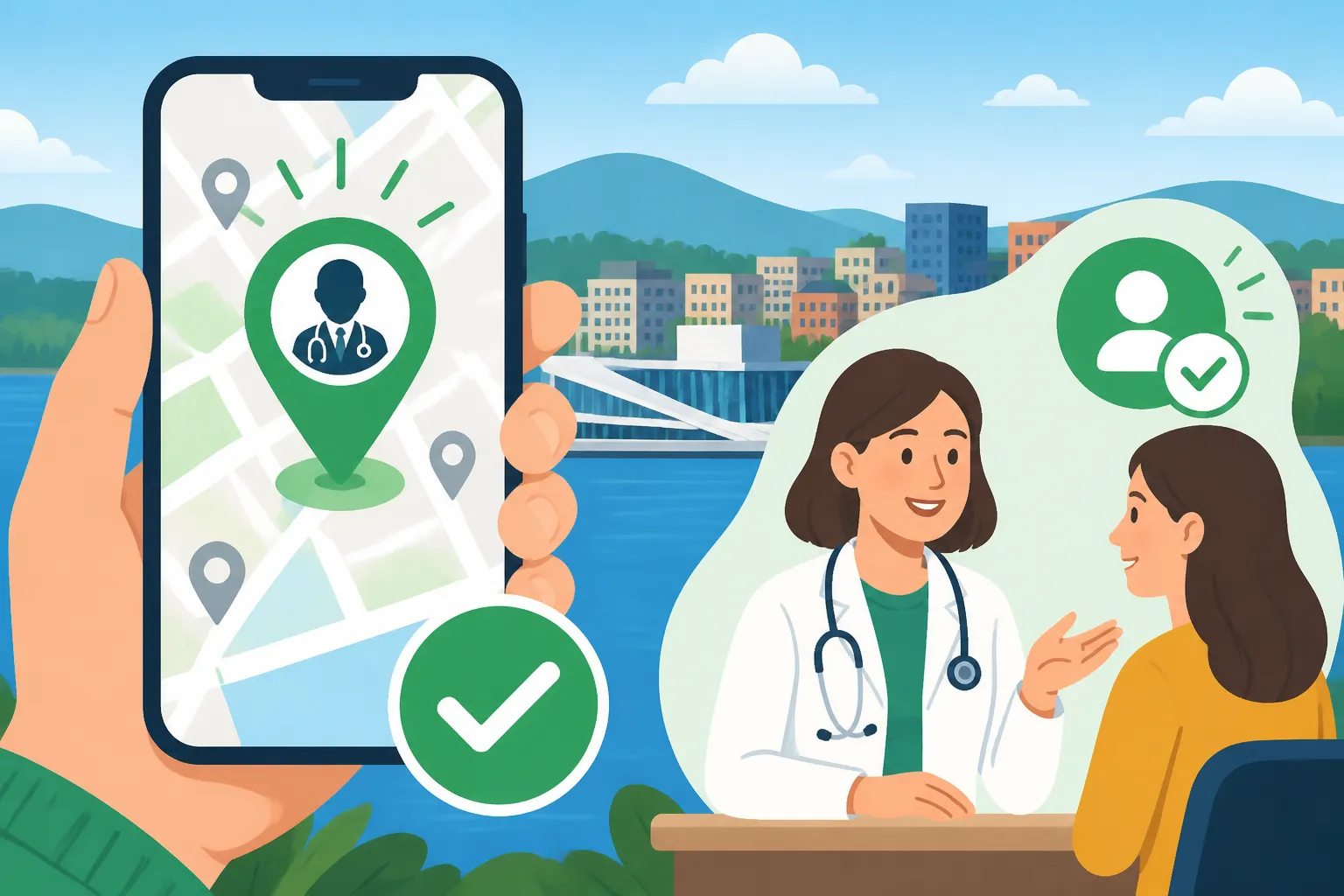
How to Find a Fastlege with Available Spots in Oslo
Moving to Oslo is a whirlwind of fjords, expensive coffee, and trying to figure out which winter coat actually works, but nothing grounds you quite like the sudden realization that you don't have a doctor. I remember sitting in my first apartment in Majorstuen with a spiking fever, staring at a screen that told me every single GP in my district had a three-year waiting list. This guide solves that exact panic by showing you exactly how to navigate the system, find the hidden openings, and secure your place in the Norwegian healthcare hierarchy.
The Reality of the Oslo Fastlege Shortage
If you’ve spent any time on expat forums, you’ve likely heard the horror stories about the Fastlege crisis. In Oslo, the problem is particularly acute because the population has expanded faster than the municipal health services can keep up. When you first arrive and receive your Fødselsnummer, you are technically entitled to a primary care doctor, but "entitled to" and "actually having" are two very different things in the capital.
The central districts—think Grünerløkka, St. Hanshaugen, and Frogner—are the hardest hit. These areas are packed with young professionals and students, all vying for the same few doctors who have offices in trendy, accessible locations. Because the system allows patients to stay with their doctor even if they move to a different part of the city, many people cling to their central Oslo GP for decades, leaving zero room for newcomers. This creates a bottleneck where you might find yourself living in the heart of the city but technically registered to a doctor in Lillestrøm or even further afield.
Understanding this landscape is the first step toward beating it. You aren't just looking for a doctor; you are competing for a high-demand resource. This is why Healthcare in Norway for Expats: How the System Works (2027) is such a vital read for anyone trying to wrap their head around the broader infrastructure. You have to realize that the system isn't broken, per se—it’s just extremely rigid. The doctors themselves are often excellent, but they are capped by law on how many patients they can take, usually between 1,000 and 1,500 people per list.
Why Central Oslo is a Waiting List Dead Zone
In neighborhoods like Sagene or Gamle Oslo, the waiting lists often exceed 500 people. If a doctor only has a few people leave their list each month due to moving or passing away, you can do the math—it’s going to be a long wait. Most expats make the mistake of only looking for doctors within a five-minute walk of their front door. In Oslo’s current climate, that is a recipe for remaining without a GP for your entire first year.
Furthermore, many of the most popular doctors in these central hubs have been practicing for years and have established "legacy" lists where they prioritize family members of current patients. While the Helsenorge system is supposed to be first-come, first-served, the sheer volume of people waiting makes it feel like a lottery. If you are currently without coverage, you might consider short-term solutions like SafetyWing to cover you while you navigate these administrative hurdles.
Step-by-Step: How to Register for a Fastlege (GP) on Helsenorge
The official way to find and change your doctor is through the Helsenorge portal. To do this, you absolutely must have a high-level electronic ID, such as BankID. If you are still waiting on your permanent ID number, you’ll find that Healthcare Rights for D-Number Holders: Exclusions and Alternatives explains why your access is currently restricted. But once you have that golden ticket of a Fødselsnummer and BankID, the process follows a specific sequence.
First, log in to Helsenorge and navigate to the "Fastlege" section. Here, you will see your current doctor (if you were automatically assigned one) and a button to "Bytte fastlege" (Change GP). This is where the real work begins. You can search by municipality (Oslo) and then filter by district (Bydel). The system will show you a list of every doctor, their clinic address, their gender, and—most importantly—how many spots are available or how long the waiting list is.
Navigating the Search Filters Effectively
When you search, don't just look at the names. Look at the clinic's reputation. Some clinics in Oslo, like those located at Aker Brygge or near the University, are essentially "fast-track" clinics with high turnover, meaning spots open more often. When you find a doctor with an open spot, you simply click "Velg" (Select), and the change is usually effective from the first day of the following month.
If you find a doctor you really want but their list is full, you can choose to put yourself on their waiting list. You are allowed to be on only one waiting list at a time, and you can only change your GP twice per calendar year. This is a crucial rule to remember. If you pick a "temporary" doctor just to have someone in Oslo, that counts as one of your two annual moves. To get more details on the mechanics, check out How to Register for a Fastlege (GP) on Helsenorge.
What to Look for in a Clinic
Not all clinics are created equal. In Oslo, some are small, one-doctor practices, while others are massive "Legesenter" hubs. The larger hubs often have better facilities, such as in-house blood labs and multiple nurses. If you have a chronic condition, a larger center might be more efficient. If you prefer a personal touch, a smaller practice in a district like Ullern or Nordstrand might be a better fit, even if it requires a short commute on the T-bane.
Expert Hacks for Snagging an Open Spot in Competitive Neighborhoods
Since finding a spot is a competitive sport in Oslo, you need to think like a local. The most successful expats I know didn't just wait for the system to hand them a doctor; they gamed the timing. The Helsenorge database updates in real-time, but there is a noticeable trend in when spots are released or when lists are shuffled.
The "Early Bird" strategy involves logging in to Helsenorge at the start of the month. Many administrative updates happen on the 1st or the 15th. If a doctor has decided to expand their list by 50 spots—which happens when a new practitioner joins a clinic—those spots can vanish within hours. I’ve known people who kept a tab open on their browser and refreshed it every morning with their morning coffee until a spot opened in their preferred bydel.
Broadening Your Geography: The 20-Minute Rule
If you live in the city center, stop looking in the city center. Oslo’s public transport is phenomenal, and you can get from Jernbanetorget to the outskirts of the city in 20 minutes. Districts like Grorud, Stovner, and Søndre Nordstrand often have excellent doctors with zero waiting lists. While it might feel "far," remember that you likely only visit your GP a few times a year. A 20-minute train ride is a small price to pay for having a guaranteed doctor who can see you next week, rather than a "local" doctor you can't see for three years.
By looking in these less "trendy" districts, you also often find doctors who have more time for their patients. In the high-density areas, doctors are often rushing through 15-minute consultations to keep up with the volume. In the quieter residential areas, the pace is different. You can find more advice on specific areas in Healthcare in Oslo: Clinics, Hospitals, and Local Expat Resources, though the general rule remains: go where the commuters don't want to go.
The Waiting List System: How it Actually Works
Being number 150 on a waiting list isn't as hopeless as it sounds. People move out of Oslo constantly. When someone leaves the municipality, they are automatically removed from their GP’s list after a certain period, or they might voluntarily switch to a new doctor in their new city. This movement creates "churn."
If you are on a waiting list, Helsenorge will send you a notification (if you’ve opted in) when you’ve been moved onto the list. However, don't just set it and forget it. Periodically check if a different doctor in the same clinic has an open spot. Sometimes a clinic will have three doctors: two with 400-person waiting lists and one brand-new doctor with 20 open spots. Snag the new one! You’ll still be going to the same building and using the same reception. For a deeper dive into these rules, see Changing Your Fastlege: Rules and Waiting Lists in Norway.
Comparison of Fastlege Availability by Oslo District (Approximate Trends)
| District (Bydel) | Average Wait Time | Availability Level | Best Strategy |
|---|---|---|---|
| Frogner / Majorstuen | 12-24 Months | Very Low | Look for new doctors joining large clinics. |
| Grünerløkka / Sagene | 10-18 Months | Low | Check for openings in nearby Torshov. |
| St. Hanshaugen | 12-20 Months | Very Low | Use the waiting list; very high demand. |
| Grorud / Stovner | 0-3 Months | High | Many open spots; excellent for new arrivals. |
| Ullern / Vestre Aker | 6-12 Months | Medium | Good balance of quality and accessibility. |
| Nordstrand | 4-8 Months | Medium | Check smaller family practices. |
What to Do While You Wait: Alternative Medical Access
So, what happens if you’re in the "waiting list limbo" and you actually get sick? This is the most frustrating part of being an expat in Oslo. You pay your taxes, you have your ID, but you have no one to call. In this situation, you have three main paths.
The first is the public "out-of-hours" service. In Oslo, this is the massive Legevakten located at Trondheimsveien (Storgata). It is open 24/7, but be warned: if your issue isn't an emergency, you will wait for hours. It operates on a triage system, so a broken arm goes ahead of your persistent cough every single time. For more on this, read Legevakten (116 117): When and How to Use the Out-of-Hours Service.
The second path is the private market. This is where companies like Cigna Global come in handy for those who want a higher level of consistent private coverage. Oslo has a thriving private healthcare sector with providers like Dr.Dropin, Volvat, and Aleris. These clinics are clean, fast, and you can usually book an appointment on your phone for the same day. The downside? You will pay out of pocket, often between 600 and 1,500 NOK per visit. While expensive, it is the most common way expats in Oslo bridge the gap while waiting for a Fastlege.
Utilizing Digital Health Solutions
Norway is incredibly digitized. Even if you don't have a Fastlege, you can use apps like Kry or Dr.Dropin for video consultations. This is perfect for things like prescription renewals, skin rashes, or mental health referrals. If you are struggling with the darkness of the Norwegian winter, Mental Health in Norway: Accessing Therapy and Psychiatric Care explains how these digital entries can sometimes be your first step toward professional support.
If you find yourself needing medication and you don't yet have a GP, a private doctor can issue a "Hvit Resept" (White Prescription). This means you pay the full price for the medicine at the pharmacy, as opposed to the subsidized "Blue Prescription" you might get for chronic conditions later on. To understand the cost difference, see Pharmacies and Prescriptions in Norway: White vs Blue Slips.
Navigating the Helsenorge App in English
One of the biggest hurdles for new arrivals is the language barrier within the medical portals. While the Helsenorge website has an English version, some of the deeper functionality—like the specific comments doctors leave on their profiles—might remain in Norwegian. I highly recommend using a browser with a built-in translator or reading our guide on Navigating the Helsenorge App in English: A Step-by-Step Translation.
When searching for a doctor, you might see terms like "Grupsepraksis" (Group practice) or "Individuell praksis" (Individual practice). You might also see notes about whether the doctor has a "Turnuslege" (Intern) working with them. Don't be afraid of interns! They are fully qualified doctors in their final stage of specialization, and they often have more time to listen to your concerns than the senior partners.
Final Tips for the Oslo Resident
- Be Persistent: Check the Helsenorge portal every Tuesday and Thursday morning.
- Don't Be Picky: Get any doctor in Oslo first, then put yourself on the waiting list for your dream doctor.
- Check the Map: Sometimes a doctor is listed in "Bydel Sentrum" but their office is actually quite far north. Always verify the physical address on Google Maps before committing.
- Communicate: If you find a doctor you like but their list is closed, it never hurts to call the clinic directly and ask if they expect any spots to open soon. They can't bypass the Helsenorge queue, but they can give you a "heads up" on the situation.
Securing a Fastlege is a rite of passage for any Oslo expat. It marks the transition from being a guest in the city to being a truly integrated resident. It takes a bit of patience and some strategic clicking, but once you have that name on your Helsenorge profile, the peace of mind is worth every second of the hunt.
Important Disclaimer
The information provided in this guide is for informational purposes only and does not constitute legal or medical advice. Healthcare regulations and Fastlege availability in Norway are subject to change by the Norwegian Directorate of Health and individual municipalities. Always consult official government sources such as Helsenorge.no or UDI.no for the most current regulations. Professional medical advice should always be sought from a qualified healthcare provider.