Finding English-Speaking Doctors and Specialists in Oslo
Trying to explain a persistent, stabbing pain or a complex mental health history in a language you are only halfway through learning is one of the most isolating experiences an expat can face. I still remember the cold sweat I broke into during my first Oslo doctor’s visit, desperately googling "gallbladder" in Norwegian while the clock ticked. This guide provides a roadmap for finding English-speaking doctors and specialists in Oslo, ensuring you are heard and treated with the clarity you deserve.
Navigating the Language Barrier in the Norwegian Healthcare System
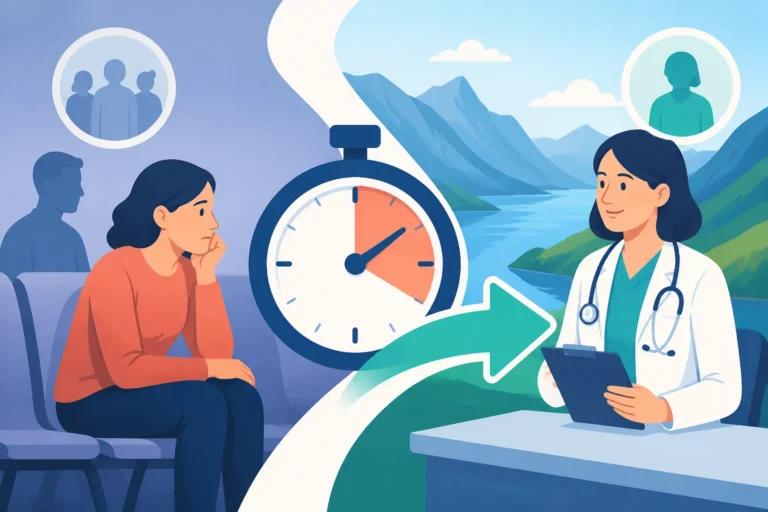
The general assumption among newcomers is that because Norwegians are world-renowned for their English proficiency, medical care will naturally be bilingual. While it is true that almost every medical professional in the capital has a high level of English, the reality of a high-pressure clinical environment can be different. Doctors are often working against strict ten-to-fifteen-minute time slots, and nuances in symptoms can occasionally get lost in translation if the practitioner is tired or rushing.
The Proficiency Myth: Does Everyone Really Speak English?
In Oslo, you would be hard-pressed to find a doctor under the age of 60 who cannot hold a professional conversation in English. Most medical textbooks used in Norway are in English, and many specialists complete parts of their training in the UK, USA, or Australia. However, the administrative staff—the medical secretaries who manage the front desks at local clinics—may not always feel as confident. When you call to book an appointment, you might encounter a "Norsk" first response. It is perfectly acceptable to politely ask, "Snakker du engelsk?" or simply continue in English. Most will switch immediately.
If you are a short-term visitor or a digital nomad, you might find that while the doctor speaks English, the underlying system is built for locals. This is where having comprehensive coverage from providers like SafetyWing can be a lifesaver, as they understand the international context of your visit. For long-term residents, the goal is usually to find a practitioner who isn't just "functional" in English but is comfortable discussing emotional and complex physiological nuances.
Medical Terminology vs. Casual Conversation
There is a significant gap between "holiday English" and "medical English." You might be able to discuss the weather or a work project with ease, but describing the difference between a dull ache, a throbbing pain, and a sharp tingle requires a specific vocabulary. When doctors are assessing you, they are looking for specific "red flag" descriptors. If you aren't confident in your Norwegian, always insist on English from the start.
I have found that many expats feel they are "bothering" the doctor by asking to speak English. This is a cultural hurdle you must overcome. In the Norwegian healthcare system, clear communication is considered a prerequisite for patient safety. If you feel your English is better than your Norwegian, it is your responsibility to state that. This ensures that the Healthcare in Norway for Expats: How the System Works (2027) functions as intended for you.
Your Rights to an Interpreter
Many foreigners are unaware that they have a legal right to a qualified interpreter if they cannot communicate effectively with health personnel. This service is free of charge and is funded by the state. This is particularly relevant for specialists or hospital stays where the stakes are high. While English speakers rarely "need" an interpreter in the same way a speaker of a rare dialect might, the option exists if you feel there is a massive communication breakdown.
However, in Oslo’s public system, doctors are often their own interpreters for English speakers. If you are worried about the technicality of a diagnosis, you can ask the doctor to provide the summary in English on your Helsenorge portal. This allows you to review the notes later at your own pace.
Finding an English-Speaking Fastlege (GP) in Oslo
The Fastlege or Regular General Practitioner system is the backbone of Norwegian healthcare. For expats, the challenge isn't just finding a doctor who speaks English, but finding one who has an open list in a convenient Oslo neighborhood. If you have a national identity number, you are entitled to a GP, but the quality of the "match" often depends on your research.
Using Helsenorge to Filter Your Search
The Helsenorge portal is your primary tool for managing your health. When you are looking to How to Register for a Fastlege (GP) on Helsenorge, you will see a list of available doctors in Oslo. Unfortunately, the portal doesn't have a "Fluent English" filter. To find a doctor who is likely to be a good fit, you often have to look at their educational background. Doctors who studied at the University of Oslo (UiO) or abroad (Central Europe is common) are almost universally fluent in English.
When searching, pay attention to the "Bydel" (district). If you live in Grünerløkka but work in Sentrum, you can choose a GP in either area. Some clinics, like those in Majorstuen or Frogner, traditionally cater to a more international or affluent demographic and are very accustomed to English-speaking patients. If you are struggling with the digital interface, reading a Navigating the Helsenorge App in English: A Step-by-Step Translation can help you understand the nuances of the booking system.
Neighborhoods with Higher English-Speaking Availability
Oslo is a city of neighborhoods, and the "vibe" of a medical clinic often reflects its surroundings. In areas like Aker Brygge or Vika, many GPs deal with international business professionals daily. Clinics such as Majorstua Legesenter or Oslo City Legesenter have large teams where English is the lingua franca for many patients.
If you find that all the GPs in the trendy central areas are full, don't be afraid to look slightly further out. Districts like Nordstrand or Ullern have excellent clinics where the pace might be slightly slower, allowing the doctor more time to bridge the language gap. Remember that Changing Your Fastlege: Rules and Waiting Lists in Norway allows you to switch twice per calendar year, so if your first choice isn't a good communicator, you aren't stuck forever.
What to Do if Your Assigned GP Isn't Fluent
It happens: you wait three months for a spot to open up, you walk into the office, and the doctor is perhaps older, a bit gruff, and speaks a very thick Norwegian dialect that even locals struggle with. If you feel your health is being compromised by a lack of clear communication, you have a few options. First, you can bring a friend to act as an informal translator—though for private medical issues, this is rarely ideal.
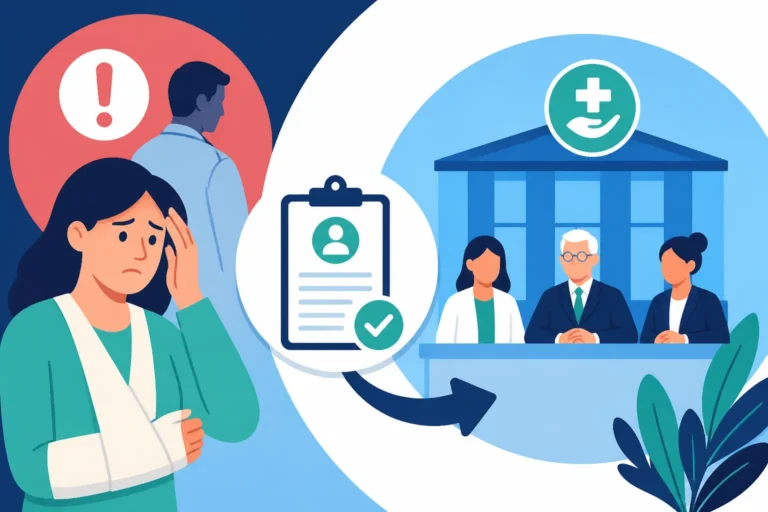
Second, you can utilize private options for specific consultations while keeping your public GP for long-term administrative needs. If you have international coverage through Cigna Global, you might have the flexibility to visit private specialists who guarantee English proficiency. Always remember to check your Patient Rights: How to File a Complaint with the Health Authority if you feel you have been treated dismissively due to a language barrier.
| Clinic Type | Typical Wait Time | English Proficiency | Ideal For |
|---|---|---|---|
| Public GP (Fastlege) | 1–2 weeks | High | Chronic care, referrals, sick notes |
| Private Clinic (Dr.Dropin) | Same day | Very High | Minor illness, prescriptions, convenience |
| Specialist (Public) | 3–12 months | High | Complex diagnostics, surgery |
| Specialist (Private) | 1–2 weeks | Excellent | Fast answers, second opinions |
Private Healthcare Alternatives: Faster Access and Guaranteed English
Sometimes, the public system's bureaucracy is just too much to handle when you're feeling unwell. This is where Oslo’s robust private sector comes in. For many expats, the private route is the default because it feels more familiar and the service is noticeably more "customer-oriented" than the public system.
Major Private Clinics in Oslo
There are several major players in the Oslo private health market. Aleris and Volvat are the two giants. They have multiple locations (Aleris at Frogner and Solsiden; Volvat at Majorstuen and Nationaltheatret). These clinics function like mini-hospitals. You can see a GP, get an X-ray, visit a dermatologist, and have a blood test all in the same building, usually within a few hours.
Dr.Dropin is the newer, "disruptor" model. They offer fixed-price consultations and have clinics all over the city, including Grünerløkka, Bislett, and even at Oslo Airport. Their doctors are typically younger, very tech-savvy, and perfectly comfortable conducting the entire appointment in English. This is often the best choice for Tourist Medical Care: What Happens if You Get Sick in Norway or for those waiting on their D-number.
The Role of International Insurance
If you are working for a multinational company in Oslo, check your benefits package. Many include private health insurance. If not, many expats choose to maintain their own policies. Private Health Insurance in Norway: Is It Worth the Extra Cost? is a common debate, but for those who value seeing an English-speaking specialist next Tuesday rather than next October, the answer is often yes.
Providers like Cigna Global offer comprehensive plans that allow you to bypass the public waiting lists entirely. For those on more flexible or shorter-term stays, SafetyWing provides a safety net that covers unexpected illnesses and accidents, allowing you to visit private clinics without worrying about the high out-of-pocket costs typical of private Norwegian care.
Cost-Benefit Analysis of Private vs. Public for English Speakers
The public system in Norway is nearly free once you reach your Healthcare Budgeting: The Frikort Exemption Card and User Fees limit. However, a private GP visit will cost you between 700 NOK and 1,500 NOK. Is it worth it?
If you have a complex issue that requires a Specialist Referrals in Norway: How the Waiting Times Work process, the public route can take months. During that time, your anxiety might grow simply because you don't fully understand the Norwegian letters you're receiving in the mail. A private specialist can explain the situation in English immediately. Many expats use a hybrid model: public for the routine stuff and private for anything involving a "waiting list."
Locating English-Speaking Specialists and Mental Health Support
When you need more than a general check-up, finding a specialist who speaks English is actually easier than finding a GP, as specialists are even more likely to have participated in international research and conferences.
Referrals and Waiting Times for Specialists
In the public system, you cannot simply call a cardiologist or an ENT and book an appointment; you must be referred by your GP. When your GP sends the referral, you can check How Long is the Waiting List to See a Specialist in Norway on the Velg Behandlingssted website. While the medical notes will be in Norwegian, you can request that the specialist clinic communicates with you in English regarding your appointment time.
If you are frustrated by the wait, you can use your "Right to Choose" a treatment spot. If a hospital in Bærum has a shorter wait than Oslo University Hospital (Ullevål), you can go there. The doctors in the surrounding areas of Oslo are just as likely to be fluent in English as those in the city center.
Accessing Mental Health Services in English
Mental health is perhaps the most sensitive area for language. Discussing trauma, anxiety, or depression in a second language can feel performative and exhausting. Mental Health in Norway: Accessing Therapy and Psychiatric Care can be challenging because the public psychologists (DPS) have very long waiting lists.
For English speakers, it is often a good idea to look into private psychologists. Many therapists in Oslo are expats themselves or Norwegians who have lived abroad. Websites like FinnEnPsykolog.no allow you to see profiles of therapists, and many specifically list English as a language of practice. If you are a student, Mental Health for International Students: University Counseling Centers at SiO (Student Samskipnaden i Oslo) offer excellent English-language support.
Specialized Clinics for Women’s Health and Pediatrics
For women’s health, clinics like Oslo Kvinnehelsesenter or the gynecologists at Volvat are highly recommended. They are accustomed to different international standards of care and are happy to explain procedures like IUD Insertion in Norway: Fastlege vs Private Gynecologist in detail.
When it comes to children, the Helsestasjon: Norway’s Free Child Health Clinics and Vaccination Program is fantastic. Every neighborhood has one. The nurses (helsesykepleiere) are incredibly supportive and almost always speak excellent English. They are the best resource for Childhood Vaccine Schedule in Norway: What Parents Must Know and general parenting support in a foreign environment.
Emergency Situations and Out-of-Hours Care
When an emergency happens at 2:00 AM on a Saturday, your carefully researched GP isn't available. In Oslo, you have two main options: the emergency number and the Legevakt.
Legevakt (Oslo Emergency Clinic) and Language Support
The main Legevakt in Oslo is located at Storgata 40 (though check for recent moves to Aker Sykehus). This is where you go for things that can’t wait for Monday morning but aren't life-threatening. The Legevakten (116 117): When and How to Use the Out-of-Hours Service can be a chaotic place with long wait times.
However, they are very well-equipped for foreigners. Because they deal with tourists and the international population of Oslo daily, their triage system and doctors are highly proficient in English. When you arrive, you will speak to a nurse at the intake window; simply tell them you prefer English. You can also expect English Language Support at Legevakten: What to Expect to extend to the printed after-care instructions in many cases.
Emergency Medical Numbers
For life-threatening emergencies, dial 113. The operators are trained to handle calls in English. If you are panicking, speak clearly and give your location first. Even if you don't know the exact street name, describe landmarks. To learn more about how this works, read Calling 113: Ambulance Services and Life-Threatening Emergencies. For non-emergencies that still require a doctor's advice out of hours, the number is 116 117.
Practical Tips for Your First Appointment
Preparation is the enemy of anxiety. If you are nervous about the language barrier, there are concrete steps you can take to make the appointment go smoothly.
Preparing Your Medical History in English and Norwegian
Before you go, write down a timeline of your symptoms in English. You can even use a translation app to put key terms (like "chronic," "intermittent," or "sharp") into Norwegian next to them. This shows the doctor you've put in the effort but also ensures you don't forget important details when you're on the spot.
If you have medical records from your home country, bring them. Even if they are in another language, the "data"—blood test results, MRI reports, and medication names (which are often similar internationally)—can be very helpful. If you are on specific medications, check Bringing Medication into Norway: Customs Rules and Schengen Certificates to see if the Norwegian equivalent has a different name.
Navigating BankID and Digital Portals
Almost everything in Norwegian healthcare is digital. From booking the appointment to paying the bill, you will likely use your BankID Explained: Norway's Digital Identity System and Expat Challenges. If you don't have BankID yet, don't worry. You can still see a doctor. You will simply need to call the clinic to book and ask for a paper invoice (faktura) or pay at the terminal in the waiting room.
Once you have your digital identity sorted, you can use the Helsenorge app to see your prescriptions. This is particularly useful for Blue Prescriptions (Blå Resept): Subsidized Medication for Chronic Illness, as the system will automatically track your spending toward your yearly exemption card.
Understanding the Culture of "Wait and See"
Finally, be prepared for a cultural difference in medical philosophy. Norwegian doctors tend to be more conservative with prescriptions than doctors in the US or UK. If you have a cold, they will likely tell you to go home, drink tea, and take paracetamol. This isn't because they don't understand your English; it's the Norwegian medical "standard of care."
If you feel you really need a specific treatment, you have to be your own advocate. Use your English to ask, "What are the criteria for antibiotics in this case?" or "Can we schedule a follow-up if this doesn't improve in three days?" Being a proactive, informed patient is respected in Oslo. For a final checklist of things to do when you arrive, see the First 30 Days Health Checklist: GP, Frikort, and Pharmacies.
Disclaimer
The information provided in this guide is for educational and informational purposes only and does not constitute professional medical advice, diagnosis, or treatment. Always seek the advice of your physician or other qualified health provider with any questions you may have regarding a medical condition. The Norwegian healthcare system and its regulations are subject to change, and while we strive to keep this information up to date for 2026, you should always verify details through official channels like Helsenorge or UDI.