Reporting Medical Malpractice: How to Contact the Board of Health
When a medical procedure goes wrong in Norway, the confusion of navigating a foreign bureaucracy can feel even more painful than the injury itself. I remember the sinking feeling when a friend’s surgery was mismanaged, and we spent weeks trying to figure out if we should call the police, a lawyer, or the hospital board. This guide solves that mystery by explaining exactly how to report medical malpractice, seek compensation, and protect your rights in the Norwegian health system.
The Two-Track System Quality Control vs Financial Compensation
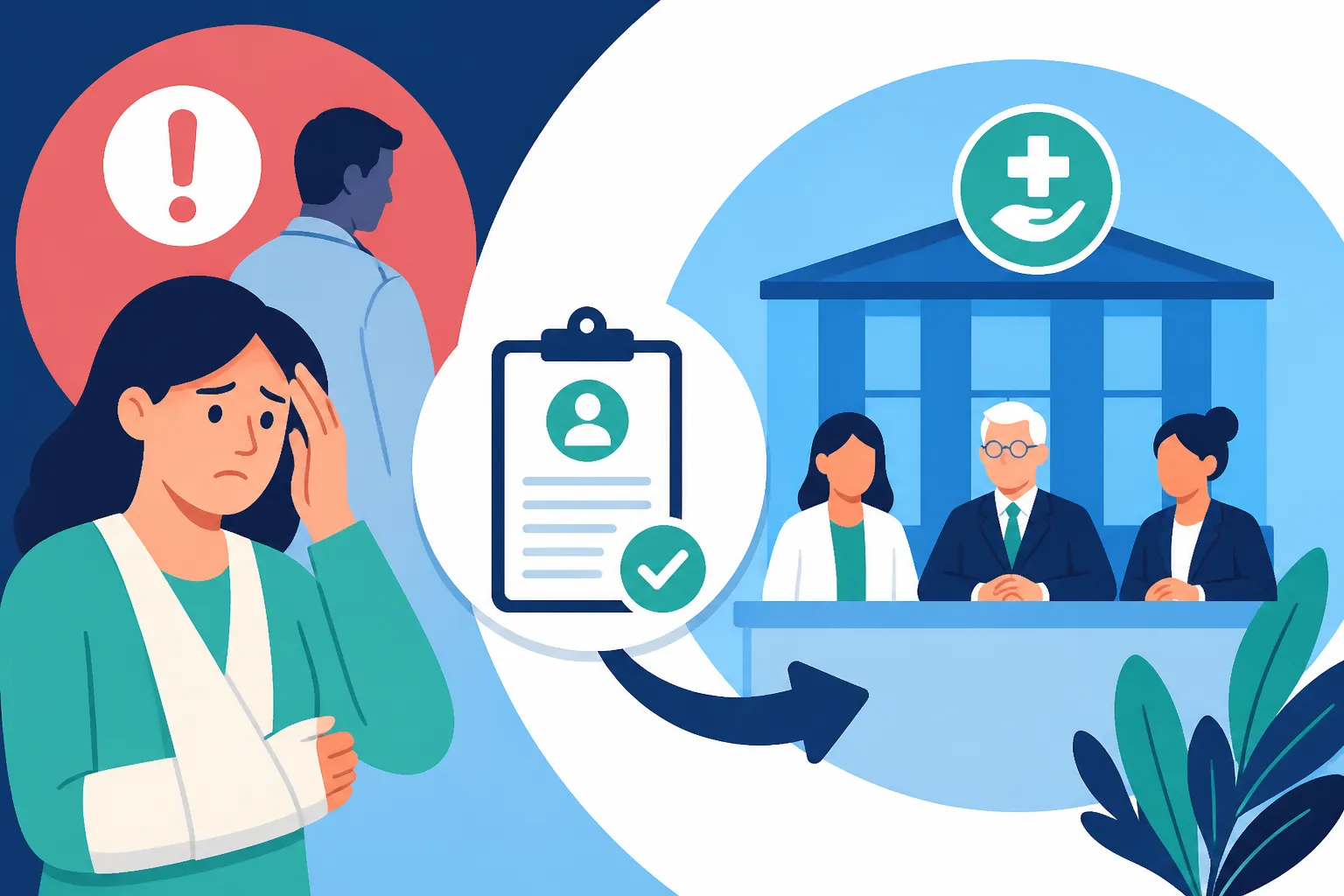
One of the most confusing things for foreigners in Norway is realizing that the people who investigate a doctor’s mistake are not the same people who pay you for that mistake. Norway operates on a two-track system. One track is about "supervision," where the government decides if a healthcare professional should be disciplined or lose their license. The other track is about "compensation," where you receive money for your losses.
If you are looking for accountability—essentially wanting to ensure that a doctor doesn't repeat their mistake with another patient—you need to contact the State Administrator (Statsforvalteren). However, if your primary concern is the medical bills, lost wages, or permanent disability caused by the error, your path leads to the Norsk Pasientskadeerstatning (NPE). Understanding this distinction is the first step in Patient Rights: How to File a Complaint with the Health Authority.
Track One The State Administrator and the Board of Health
When you file a complaint about the quality of care, it usually begins with the Statsforvalteren in your county. They act as the local arm of the central government. They don't give you money, but they do have the power to officially criticize a hospital or a GP. If the case is particularly egregious—think "wrong-site surgery" or systemic negligence—they forward it to the Norwegian Board of Health Supervision (Statens helsetilsyn).
This body has the "teeth" in the system. They can issue formal warnings or even strip a medical professional of their authorization to practice. For an expat, this process can feel slow and impersonal, but it is the primary way the state maintains the standards you read about in Public vs Private Healthcare in Norway: A Complete Guide.
Track Two The Norwegian System of Patient Injury Compensation NPE
The NPE is a specialized government agency that handles all compensation claims. Unlike in many other countries, you do not usually have to sue a doctor in a court of law to get a payout. The NPE system is "no-fault" in theory, meaning you don't necessarily have to prove the doctor was a "bad" person, just that there was a failure in the treatment that led to an injury.
However, there is a catch: the injury must have caused you a financial loss of at least NOK 10,000, or resulted in a significant, permanent physical injury. If you just had a "bad experience" without a lasting medical impact or a dent in your wallet, the NPE will likely reject the claim. This is a common point of frustration for those used to different legal systems, and it’s why many expats also look into Private Health Insurance in Norway: Is It Worth the Extra Cost? for more immediate support.
Navigating the Complaint Process with Statsforvalteren
If you’ve decided to move forward with a quality-of-care complaint, your first move should actually be back to where it started: the treatment provider. Norwegian law encourages you to try to resolve the issue directly with the hospital or clinic first. Most Norwegian Hospitals: Inpatient Care, Outpatient Care, and Patient Choice have a dedicated "patient coordinator" or a formal internal complaint channel.
If that conversation doesn't satisfy you, or if you feel the provider is being dismissive, you then escalate to the State Administrator. Most of this is handled digitally through the Helsenorge portal, though you will need a high-level electronic ID to log in.
Step 1 Gathering Your Evidence
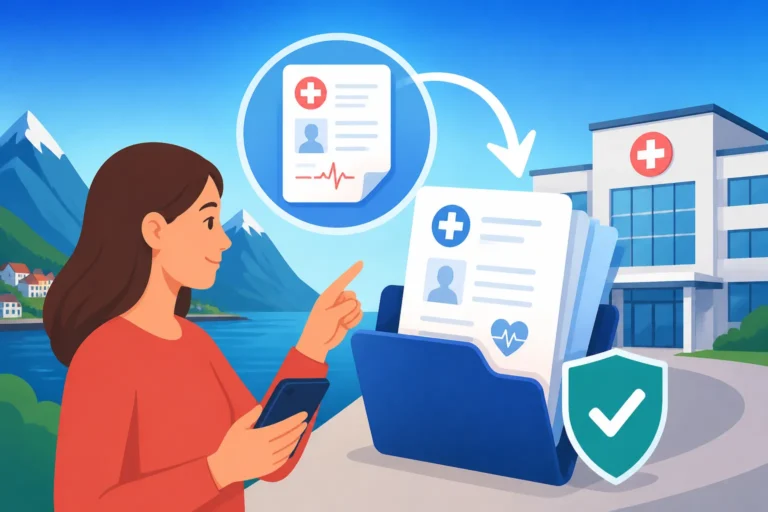
Before you fill out a single form, you need your medical records. You have a legal right to these, but they aren't always handed over automatically. You should follow the steps in How to Request Your Full Medical Record from a Norwegian Hospital to get a complete history, including the doctor’s notes (journalnotater), which often contain the most critical details about where things went off script.
Be prepared for these notes to be in Norwegian. If your language skills aren't up to technical medical Norsk, this is a good time to use the legal support often included in premium international plans like Cigna Global. They can sometimes help bridge the gap when you're dealing with complex terminology.
Step 2 Submitting the Formal Complaint
Your letter to the State Administrator needs to be factual and chronological. Avoid emotional venting; instead, focus on specific dates, names of the healthcare personnel involved, and exactly which part of the treatment you believe was "unprofessional" (uforsvarlig).
Once submitted, the State Administrator will usually ask the healthcare provider for their side of the story. You will get a chance to comment on their response. This "ping-pong" of letters can take several months. If you are a traveler or a new arrival using a plan like SafetyWing, make sure you keep your contact details updated, as these cases can drag on long after you might have moved to a different city or even left the country.
Timeline and Appeals
Once the State Administrator makes a decision, you have a three-week window to appeal if you disagree with their conclusion. If you’re struggling with the timeline, you might want to look into What to Do When You Encounter Discrimination in Hiring or similar administrative hurdles, as the logic of the three-week appeal window is a standard across many Norwegian public sectors.
| Body | Primary Function | Potential Outcome |
|---|---|---|
| Statsforvalteren | Supervises health services | Formal criticism or "improvement orders" |
| Helsetilsynet | Investigates serious errors | Loss of license or formal warnings |
| NPE | Processes compensation | Financial payout for losses or disability |
| Ombudsman | Provides free advice | Guidance and mediation support |
Claiming Compensation through the NPE
If your life has been significantly altered by a medical error—perhaps you can no longer work or require expensive long-term care—the NPE track is your priority. Unlike the Board of Health track, which is about discipline, the NPE is about restoring your financial situation.
The NPE process is free to use, and you don't technically need a lawyer to start. In fact, the NPE is legally required to help you investigate your own case. However, many expats find that the language barrier and the complexity of the "standard of care" arguments make it feel very lopsided.
The Criteria for a Successful Claim
To get a "yes" from the NPE, you generally need to meet three conditions:
- The injury was caused by a failure in treatment (an error occurred).
- The injury resulted in a financial loss (over NOK 10,000) or permanent medical disability (usually at least 15%).
- The claim is filed within the statute of limitations, which is typically three years from when you realized (or should have realized) that the treatment caused the injury.
This third point is critical. If you wait too long because you were "waiting to see if it got better," you might lose your right to claim entirely. If you are unsure about the state of your recovery, consult with a The Fastlege Scheme: Navigating Norway’s GP System doctor who was not involved in the original error for a second opinion.
The Role of Medical Experts
The NPE will hire an independent medical expert to review your files. This is often where cases are won or lost. The expert will determine if your outcome was a "known risk" of the procedure or a result of "substandard care." If it was a known risk that was explained to you beforehand, compensation is rarely granted.
If you have international coverage through Cigna Global, check if your policy includes a "Second Medical Opinion" service. Having a world-class specialist from outside the Norwegian system review your case can provide powerful evidence to counter a local expert’s findings if you feel they are being overly protective of their colleagues.
When and How to Get Free Expert Advice
You do not have to fight this battle alone. Norway provides a very specific resource that many foreigners overlook: the Patient and User Ombudsman (Pasient- og brukerombudet). This is a free, government-funded office designed specifically to help patients navigate complaints and compensation.
The Ombudsman cannot "decide" your case, but they can sit in on meetings with you, help you draft your letters to the State Administrator, and explain the jargon that the NPE sends you. They are your best ally if you feel like the system is closing ranks against you.
Working with the Ombudsman
There is an Ombudsman office in every county. They have a duty of confidentiality and are independent of the hospitals. They see thousands of cases every year and know exactly which arguments the Board of Health finds persuasive.
For those living in the capital, Finding English-Speaking Doctors and Specialists in Oslo is helpful, but the Ombudsman can also help you find practitioners who can provide the necessary documentation for your complaint in English if needed.
Legal Aid and Private Support
While the system is designed to be "lawyer-free," complex cases often benefit from legal counsel. If the NPE accepts that you are entitled to compensation, they will often cover "reasonable" legal fees for the second phase—the calculation of the money.
If you are still in the first phase (proving an error happened), you will usually have to pay for a lawyer yourself. Some people use their home insurance (innboforsikring), which often includes a "legal aid" (rettshjelp) component. For nomads or short-term workers, insurance like SafetyWing can be a lifesaver for general health emergencies, but for the specific legalities of a malpractice claim, the local Norwegian Ombudsman remains your most effective free resource.
Practical Tips and Checklists for Expats
Navigating a malpractice claim while healing is exhausting. My best advice is to treat the administrative side of your injury like a part-time job. Keep a dedicated folder for every letter, every receipt, and every medical note.
The Norwegian system moves slowly, and it can be months between updates. Don't mistake silence for inaction, but don't be afraid to send a polite follow-up through Helsenorge every 4-6 weeks to ensure your case hasn't fallen through the cracks.
Immediate Action Checklist
- Request your records: Do this immediately via Helsenorge or by contacting the hospital's archive department.
- Contact the Ombudsman: Set up a meeting to discuss whether your case fits the "supervision" or "compensation" track.
- Document everything: Write down your own version of events while the memory is fresh.
- Check your insurance: See if Cigna Global or your local Norwegian home insurance offers any legal assistance.
- Monitor the NOK 10,000 limit: Keep all receipts for prescriptions, extra transport to the doctor, and physiotherapy.
A Note on the "Human" Side
It is very common to feel a sense of "gaslighting" when a doctor tells you a mistake "isn't a big deal." In the Norwegian culture of "likhet" (equality), there is sometimes a tendency to downplay individual grievances for the sake of the collective system's stability. Stand your ground. If you know something is wrong, use the formal channels. Even if you don't get a huge payout, your report might be the one that triggers a systemic change that saves the next person from the same fate.
Disclaimer
This guide is for informational purposes only and does not constitute legal or medical advice. The Norwegian healthcare system and its reporting procedures are subject to legislative changes. Always consult with the official resources at Statsforvalteren, NPE, or a qualified legal professional regarding your specific case.