“Matpakke”: The Unwritten Rules of the Norwegian Packed Lunch
You’ve just arrived in Norway, maybe you’ve sorted out your visa, perhaps even found a place to live through a platform like Spotahome, and you're settling into your new routine. Everything seems fine until lunchtime rolls around at work or school, and you notice something peculiar. While you might be eyeing up the canteen or local café, most of your Norwegian colleagues or classmates are pulling out a flat, often reusable plastic box, filled with what appears to be… a few slices of bread and some toppings. Welcome to the world of the matpakke, the Norwegian packed lunch – a phenomenon that’s far more ingrained in the culture than you might initially realize, and understanding its unwritten rules is key to navigating everyday life here.
This guide isn't just about what to put in a sandwich; it's about decrypting a cultural institution. It’s about why the simple act of preparing and eating a packed lunch holds such significance, how it reflects broader Norwegian values, and most importantly, how you can embrace it without feeling like you’re missing out or committing a major faux pas. Trust me, I’ve been there, staring bewildered at a colleague’s perfectly minimalist lunch, wondering if I was doing something wrong with my elaborate leftovers. This is your empathetic walkthrough to mastering the matpakke.
The Ubiquitous Matpakke: More Than Just a Sandwich
The matpakke, literally meaning "food package," is the cornerstone of Norwegian lunchtime tradition. For many newcomers, especially those from countries with strong hot lunch cultures or a habit of eating out, it can feel like a step back in time. But in Norway, it’s a timeless ritual, a symbol of practicality, frugality, and a surprisingly egalitarian approach to daily sustenance.
What Exactly Constitutes a Matpakke?
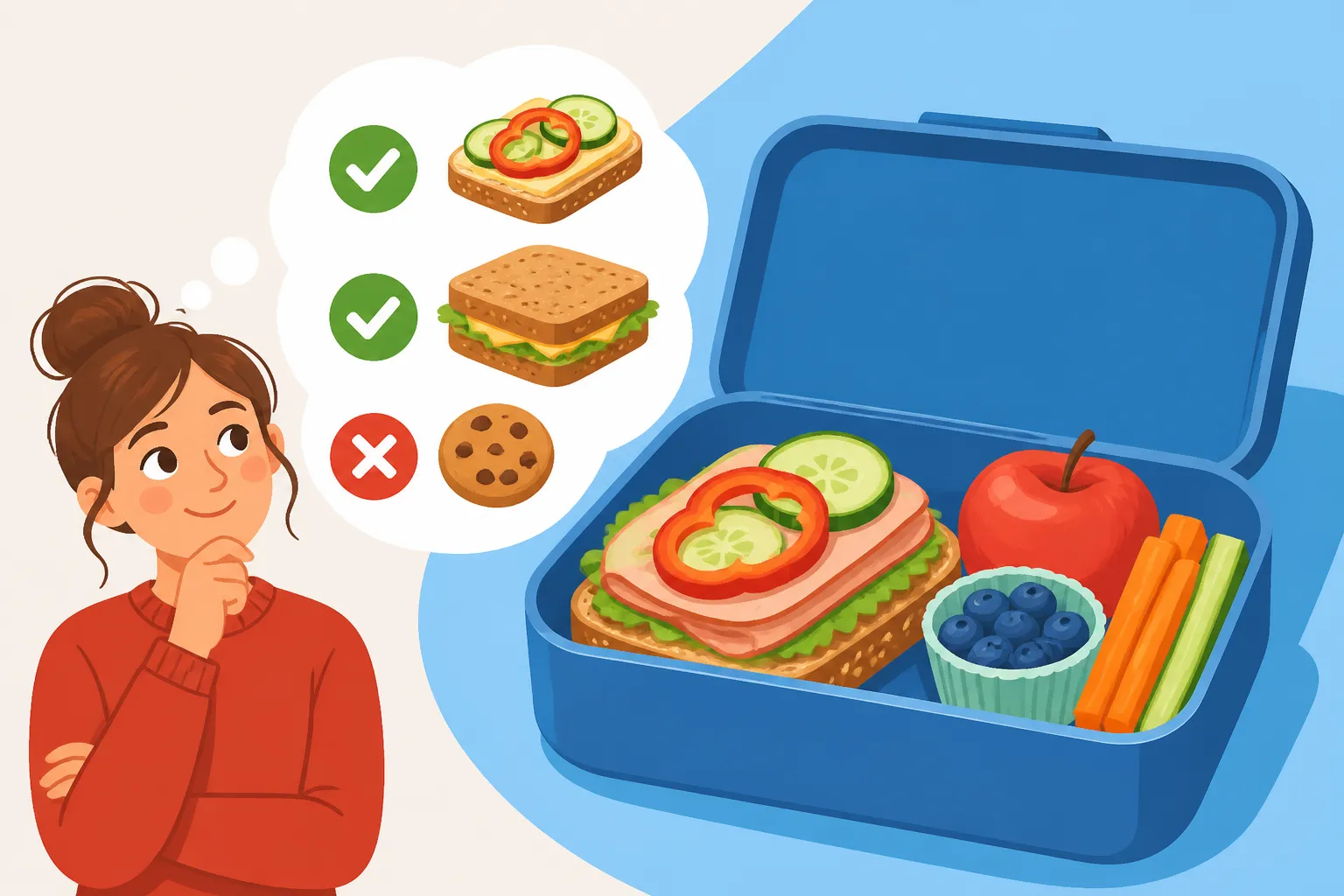
At its core, a matpakke typically consists of a few slices of brød (bread), usually a hearty whole-grain variety, often buttered, and then topped with pålegg (spreads or toppings). These toppings can be anything from humble brunost (brown cheese), gulost (yellow cheese), various cold cuts (påleggsskinke, salami), leverpostei (liver pâté), or even makrell i tomat (mackerel in tomato sauce). The key is simplicity and efficiency. It’s not about gourmet sandwiches with multiple layers and exotic fillings; it’s about sustenance. Often, the slices are separated by small sheets of mellomleggspapir (wax paper) to prevent them from sticking or making a mess, a practical touch that becomes second nature. Along with the bread, you might find a piece of fruit – an apple or an orange – or a small yoghurt. And that’s usually it. No fancy salads, no elaborate reheated meals, just simple, cold fare.
This stark contrast to many other lunch cultures can be a bit of a shock. In some places, a packed lunch might mean a vibrant salad, a hot dish in a thermos, or a more diverse spread. Here, the matpakke reigns supreme in its understated glory. It’s not just for kids going to barnehage or school; it's what adults bring to their offices, construction sites, and university campuses. It's truly a nationwide tradition that transcends age and profession.
The Deep-Seated Reasons Behind the Matpakke Tradition
Understanding why Norwegians are so devoted to their matpakke involves delving into a blend of economic, historical, and cultural factors. Historically, Norway was a relatively poor country, and frugality became a virtue. Eating out was a luxury, and packing a lunch from home was a necessity to save money. This tradition has persisted even as Norway has become one of the wealthiest nations, largely due to the high cost of living. Grabbing a simple sandwich at a café can easily set you back 100-150 NOK, while a full meal is significantly more. Preparing a matpakke at home is an undeniable cost-saver, a practical approach many foreigners quickly adopt when they realize the Cost of Living in Norway 2026: Budgeting for Singles and Families.
Beyond the economics, there's a strong cultural underpinning. The matpakke embodies efficiency and independence. Norwegians value self-sufficiency, and preparing your own lunch fits perfectly into this ethos. It’s quick to assemble in the morning, easy to transport, and requires no communal kitchen fuss like reheating or extensive cleaning. This simplicity also ties into the general Norwegian preference for "uncomplicated" social interactions; lunch isn't a grand social event, but a brief, efficient break to refuel. It’s also deeply linked to the concept of koselig – that feeling of coziness and well-being. There's a certain comfort in your familiar matpakke, prepared with care, eaten as part of your daily rhythm, often with a cup of coffee.
Decoding the Unwritten Matpakke Rules at Work and School
Navigating the workplace or school environment in Norway means quickly understanding the nuances of social interaction, and the matpakke plays a starring role in the lunchtime dynamic. This isn't just about what you eat, but how you eat it, and what you don't eat.
Social Etiquette and Expectations Around Lunch
The typical Norwegian lunch break is brief – often just 30 minutes, sometimes an hour if you're lucky. During this time, people usually gather in a common break room or kitchen. Most employees and students will pull out their matpakke. It's a collective, quiet ritual. You'll rarely see someone loudly microwaving a pungent curry or a fish dish, for example. The unspoken rule is to avoid strong smells that might bother others in the shared space. This often means leaving last night's delicious but fragrant leftovers at home. It’s a subtle but important aspect of showing consideration, much like other aspects of Norwegian Etiquette: Social Rules, Dugnad, and Making Local Friends.
At work, the lunchtime atmosphere is generally relaxed but efficient. People chat, but it's not typically a boisterous affair. It's a time to unwind, but also to maintain a certain level of professional decorum. You'll see colleagues reading the newspaper (or their phones), having light conversations, or simply eating in comfortable silence. If your workplace offers a canteen, it’s usually for those days when you might have forgotten your matpakke or fancy a treat, rather than an everyday occurrence for the majority.
Matpakke and Its Reflection of Norwegian Values
The matpakke is a tangible manifestation of several core Norwegian values:
- Frugality (Sparsommelighet): As mentioned, it's cost-effective. This value of not being wasteful or extravagant is deeply ingrained. Bringing your own lunch demonstrates a sensible approach to finances. When you compare it to the prices you might encounter for a ready-made lunch, it makes perfect sense to save money and budget effectively by preparing your own. You can save a lot by checking out the weekly specials at supermarkets like Kiwi, Rema 1000, and Meny, which are often discussed in guides like Everyday Cost of Living: Supermarket Prices (Kiwi, Rema 1000, Meny).
- Egalitarianism (Janteloven/Likhet): Everyone, from the CEO to the intern, often eats a matpakke. This promotes a sense of equality; no one is seen as "too good" to bring their own packed lunch. It’s a subtle defiance of status symbols, reinforcing the idea that everyone is on a similar footing, a concept frequently discussed in the context of Norwegian Work Culture: Flat Hierarchies and Communication Styles.
- Practicality and Efficiency: Norwegians appreciate things that work simply and effectively. The matpakke is a testament to this – it’s easy to prepare, easy to transport, and provides the necessary energy without much fuss. It streamlines the day, ensuring the focus remains on work or studies, rather than a lengthy lunch break.
For children, the matpakke is an essential part of the school day, starting from barnehage. Parents painstakingly prepare these lunches, and the contents are often quite similar to adult versions, albeit with child-friendly toppings. When enrolling your child, you'll definitely encounter the expectation that they bring a matpakke, a detail often covered when discussing the Daycare (Barnehage) Application Process: Deadlines and Max Prices or comparing Norwegian Public Schools vs International Schools: Making the Choice.
Crafting Your Own Matpakke: Practical Tips and Inspiration
Now that you understand the "why," let's get into the "how." Making a matpakke isn’t rocket science, but there are definitely some Norwegian-approved techniques and ingredient choices that can elevate your experience and help you blend in.
Step-by-Step Guide to the Perfect Matpakke
- Choose Your Bread Wisely: The foundation of any good matpakke is the bread. Forget your fluffy white bread; Norwegians prefer robust, whole-grain loaves, often with seeds. These breads are more filling, hold up better, and stay fresh longer. Look for grovbrød (coarse bread) or kneippbrød at any supermarket. You can often find a good selection in the bakery section of stores like Meny.
- Butter Up (or Don't): Many Norwegians butter their bread slices before adding pålegg. This adds a little flavour and moisture, and helps the topping adhere. However, it's not mandatory. Some prefer to keep it plain.
- Select Your Pålegg: This is where you can get creative, within reason.
- Classic Cold Cuts: Ham (skinke), turkey breast (kalkunpålegg), or various salamis are popular.
- Cheeses: Gulost (yellow cheese, often Jarlsberg or Norvegia), brunost (brown cheese, a sweet, caramelised goat or cow cheese), or prim (a softer, lighter brown cheese spread).
- Spreads: Leverpostei (liver pâté), makrell i tomat (mackerel in tomato sauce – surprisingly popular!), or syltetøy (jam) for a sweeter option.
- Egg: Hard-boiled eggs, sliced, are also a solid choice.
- The Mellomleggspapir Magic: This thin wax paper is a matpakke game-changer. Place a sheet between each slice of prepared bread. This prevents the toppings from smushing together, keeps the bread from getting soggy, and makes it incredibly easy to pull out one slice at a time. You can buy these rolls of paper at any grocery store.
- Pack It Right: Invest in a good, flat plastic lunchbox (matboks). This keeps your matpakke neat and prevents it from getting crushed in your bag. Some have compartments, which can be useful if you want to include a small salad or some cucumber slices separate from the bread.
- Add a Side (Optional but Recommended): A piece of fruit (apple, orange, banana) or a small container of yoghurt is a common accompaniment. Sometimes, a few carrot sticks or cucumber slices make an appearance.
- Don't Forget Your Drink: A thermos with coffee or tea, or a water bottle, completes the ensemble.
Here’s a quick overview of typical matpakke components:
| Component | Common Norwegian Choices | Expat Adaptation/Tip |
|---|---|---|
| Bread | Grovbrød (whole-grain), Kneippbrød (darker wheat bread), rugbrød (rye bread) | Focus on dense, high-fiber breads. They hold up better and keep you full. You can find excellent options in Supermarkets in Norway: Finding International Ingredients or local bakeries. |
| Spreads/Toppings (Pålegg) | Leverpostei (liver pâté), Brunost (brown cheese), Gulost (yellow cheese), Påleggsskinke (sliced ham), Salami, Makrell i tomat (mackerel in tomato), Hard-boiled eggs, Jam | Don't be afraid to experiment with new tastes like brunost! For variety, consider hummus or other spreads from international food sections. Avoid anything that will make your bread soggy too quickly. |
| Separators | Mellomleggspapir (wax paper) | Absolutely essential for multi-layered matpakke. It’s cheap and makes a huge difference in presentation and freshness. |
| Side Dish | Apple, Orange, Banana, Yoghurt, Carrot sticks, Cucumber slices | Keep it simple and fresh. Berries are great in season. Avoid overly liquid or messy fruits if you’re eating at your desk. |
| Lunchbox | Flat plastic matboks | A good quality, durable matboks is a must. Look for Scandinavian brands; they're often designed perfectly for this purpose. You might even find some good second-hand ones on sites like Buying Second-Hand on Tise or Finn to Save Money. |
Where to Buy Your Matpakke Essentials and Save Money
Groceries are expensive in Norway, but you can definitely manage your budget effectively for matpakke ingredients. Supermarkets like Rema 1000, Kiwi, and Extra are your best friends for everyday staples. Look out for "tilbud" (offers) on pålegg and bread, and consider buying in larger quantities if items are on sale and freeze well. Investing in reusable lunchboxes and water bottles also cuts down on costs and waste.
Don’t forget the power of a good freezer! Many Norwegian breads freeze wonderfully, so you can buy a whole loaf on sale, slice it, and freeze it. Then, just pull out the number of slices you need each morning; they’ll thaw by lunchtime.
When you're first arriving and setting up your home, having a reliable internet connection through services enabled by providers like Airalo can be a lifesaver for researching local grocery stores, comparing prices, and even finding some new matpakke recipe ideas!
Embracing the Matpakke: Cultural Integration and Adaptation
While the matpakke might seem like a small detail, embracing it can be a surprisingly effective way to integrate into Norwegian life. It shows an understanding of local customs and a willingness to adapt.
How Expats Can Adapt and Thrive in Matpakke Culture
The biggest hurdle for many expats is getting over the idea that a cold sandwich isn't a "proper" lunch. Once you accept that this is the norm, it becomes much easier. Here are some tips for making the matpakke work for you:
- Experiment with Pålegg: Don't limit yourself to just ham and cheese. Try different types of Norwegian pålegg – you might discover a new favourite like brunost! You can also bring your own cultural spin, like hummus or different vegetarian spreads, as long as they are not too strong-smelling for the communal lunchroom.
- Invest in Quality: A good quality bread, fresh toppings, and perhaps a nice piece of fruit can make a simple matpakke feel much more satisfying.
- Vary Your Routine: While the matpakke is the default, it doesn't mean you can never eat out. Treat yourself to a hot lunch or a café visit once a week or occasionally. This allows you to enjoy other culinary experiences without breaking the bank or straying too far from the cultural norm. Many people still enjoy a Friday treat or a special occasion meal, rather than daily hot lunches which are common in other countries.
- Plan Ahead: Preparing your matpakke the night before can save precious morning minutes and reduce stress. This also ties into the Norwegian concept of Managing Work-Life Balance the Norwegian Way, where efficient planning plays a crucial role.
- Join In: If colleagues are chatting during their matpakke break, join in! It’s a great, low-pressure way to socialize and build relationships. Don't underestimate the power of these informal interactions in a workplace environment.
The Benefits of Adopting the Matpakke Habit
Beyond cultural integration, there are genuine advantages to making the matpakke a part of your daily life in Norway:
- Financial Savings: This is probably the most significant benefit. You'll save a substantial amount of money over time compared to buying lunch daily. This extra cash can go towards exploring Norway's incredible nature, indulging in a koselig cabin trip, or simply padding your savings.
- Healthier Eating: When you prepare your own lunch, you have full control over the ingredients. You can opt for healthier whole grains, lean proteins, and plenty of vegetables, avoiding processed foods or overly rich meals that often come with eating out.
- Convenience and Time-Saving: It’s quick to grab from your bag, and you don’t waste time queuing or waiting for food. This means more time for a quick walk, reading, or simply relaxing during your break.
- Environmental Impact: Using reusable lunchboxes and water bottles, and avoiding excessive packaging from takeaway meals, contributes positively to reducing waste.
Embracing the matpakke is more than just packing a lunch; it's adopting a piece of Norwegian culture that champions practicality, equity, and a sensible approach to daily life. It might take some getting used to, but once you've mastered the art of the humble matpakke, you'll feel a little more Norwegian, a little more frugal, and perhaps even a little healthier. It's a small change that can make a big difference in your expat journey here.
Disclaimer
The information provided in this guide is for general informational purposes only and does not constitute professional advice. While we strive to ensure accuracy, regulations and cultural norms in Norway can change. Always consult official sources for the most up-to-date information, particularly concerning legal, financial, or immigration matters.