How to Renew a Prescription on Helsenorge
Standing at the pharmacy counter in a crowded Apotek 1, only to be told your prescription has zero refills remaining, is a uniquely stressful rite of passage for any foreigner here. I remember my first winter in Oslo, frantically trying to translate "refill" while a line of impatient locals loomed behind me. This guide provides a deep, stress-free walkthrough on how to navigate the Helsenorge portal to renew your medications digitally.
The Digital Shift in Norwegian Healthcare
Norway has moved almost entirely away from paper prescriptions. While you might occasionally see a physical slip for specific controlled substances, the vast majority of your medical history lives within a digital ecosystem. This is both a blessing and a curse for expats. On one hand, you don't have to worry about losing a piece of paper; on the other, you are entirely dependent on the Helsenorge infrastructure and your digital identity.
The Helsenorge portal is your primary interface for everything related to The Fastlege Scheme: Navigating Norway’s GP System. Before you even think about clicking the renewal button, you need to understand that the system is built on the assumption that you have an established relationship with a General Practitioner (GP). Your GP, or Fastlege, is the only person who can technically "renew" a long-term prescription unless you are seeing a private specialist.
If you are a digital nomad or a frequent traveler using SafetyWing for your coverage, you might find the public system slightly more rigid, as it prioritizes those with a permanent social security number. However, for those of us living here long-term, mastering the digital renewal is the only way to avoid unnecessary, and often expensive, consultation fees for a simple refill.
Step-by-Step Guide to Renewing on Helsenorge
The actual process of requesting a renewal is hidden behind several layers of authentication. You cannot simply send an email to your doctor; the security protocols in Norway are incredibly strict to protect patient privacy.
Phase 1: Authentication and Access
First, you must log in to the Helsenorge website or app. This requires a high-level electronic ID, which is usually BankID. Many newcomers struggle with this because getting BankID can take months. If you are still waiting for your permanent ID number, you might find the guide on BankID Explained: Norway's Digital Identity System and Expat Challenges particularly enlightening.
Once you are in, navigate to the "Medisiner" (Medicines) section. This is where your entire history of e-prescriptions (e-resepter) is stored. You will see a list of active prescriptions, how many "deliveries" are left on each, and when they expire. Most prescriptions in Norway are valid for one year from the date they were issued, regardless of how many refills are remaining.
Phase 2: Sending the Renewal Request
Look for the button that says "Bestill resept" (Order prescription). The system will then ask you to select which medication you need from your history. A common mistake expats make is trying to request a completely new medication through this portal. The "renewal" function is strictly for medications you have already been prescribed by that specific doctor.
When you submit the request, you have the option to write a short note. I highly recommend using this space to specify why you need the renewal now—for example, if you are planning a long trip abroad. If you have international health insurance through Cigna Global, you might need specific documentation for reimbursement later, so asking the doctor to clearly state the chronic nature of the condition in the digital notes can be helpful.
Phase 3: The Waiting Game
Once the request is sent, it doesn't happen instantly. Your Fastlege has to manually review the request and sign off on it. Usually, this takes 2 to 5 business days. You will not get a physical notification in the mail. Instead, you should check the "Digital Postboks" or the "Medisiner" tab on Helsenorge. When the status changes to "Gylidig" (Valid), it means the prescription has been sent to the national database and is ready for pickup at any pharmacy in the country.
Understanding Blue vs White Prescriptions During Renewal
Not all refills are created equal in the eyes of the Norwegian Tax Administration and the health authorities. When you are renewing, the system will categorize your medicine as either a "Blå resept" or a "Hvit resept." This distinction is vital for your personal budgeting.
The Blue Prescription (Blå Resept)
Blue prescriptions are for chronic conditions that require medication for at least three months out of the year. These are heavily subsidized by the state. When you renew a blue prescription, you only pay a "user fee" (egenandel), which contributes toward your annual "Frikort" limit. Once you spend a certain amount in a calendar year, the rest of your blue prescriptions are free. For more details on these costs, you should read about Healthcare Budgeting: The Frikort Exemption Card and User Fees.
The White Prescription (Hvit Resept)
White prescriptions are generally for short-term illnesses or medications not covered by the national subsidy scheme (like many forms of contraception or travel vaccines). When you renew these, you pay the full market price at the pharmacy. If you are using Cigna Global or another private provider, you can often submit these receipts for reimbursement, whereas the public system will not cover them even after you hit your Frikort limit. You can find a deeper breakdown in the guide on White Prescriptions: Paying Out-of-Pocket for Medicine.
| Feature | Blue Prescription (Blå) | White Prescription (Hvit) |
|---|---|---|
| Primary Use | Chronic or long-term conditions | Acute or non-subsidized meds |
| Cost to Patient | Small user fee (until Frikort) | Full retail price |
| Renewal Method | Helsenorge / Fastlege | Helsenorge / Fastlege / Private |
| Validity | Usually 1 year | Usually 1 year |
| Frikort Contribution | Yes | No |
When the Helsenorge Request is Denied
It can be incredibly frustrating to check the portal after three days only to see that your request was "rejected." This happened to me once when I tried to renew an asthma inhaler I hadn't used in two years. The GP isn't being difficult; they are legally bound to ensure that the medication is still appropriate for you.
Common reasons for rejection include:
- Required Check-up: Your doctor may require a blood test or a physical consultation before they feel safe renewing a specific dosage, especially for blood pressure or thyroid medication.
- Specialist Only: Certain high-intensity medications can only be renewed by a specialist. Your GP might have the initial prescription in your history, but they may lack the authority to extend it without a new letter from your specialist. In these cases, you’ll need to understand how Specialist Referrals in Norway: How the Waiting Times Work.
- Controlled Substances: If you are requesting a renewal for strong painkillers or ADHD medication, the rules are significantly tighter. Often, these cannot be renewed through a simple digital click and require a phone call or a face-to-face meeting.
If you find yourself in a situation where your GP is unavailable or the portal is down, you might need to use the Legevakten: When and How to Use the Out-of-Hours Service. However, be warned: Legevakten is for emergencies. They generally dislike renewing routine prescriptions and may only give you enough for two or three days to get you through the weekend.
Managing Prescriptions While Traveling
As an expat, you likely travel back to your home country or across the Schengen area frequently. This complicates the renewal process. If you are abroad and realize you’ve run out of medication, the Helsenorge system becomes much harder to use because you cannot "pick up" a digital prescription at a pharmacy in Spain or France easily.
If you use SafetyWing for your travel medical needs, they may be able to facilitate a consultation with a local doctor who can write a local prescription. However, the best practice is always to use the "Bestill resept" function on Helsenorge at least two weeks before you leave Norway.
When you go to pick up your renewed meds, you can ask for a "Schengen Certificate" if the medication is a controlled substance. This is a physical document the pharmacy prints that proves you are legally allowed to carry that medication across borders. Even if the prescription is digital on Helsenorge, the certificate must be physical and stamped. For more on the rules of moving across borders with your meds, check out Bringing Medication into Norway: Customs Rules and Schengen Certificates.
Private Alternatives for Faster Renewals
Sometimes the public system is just too slow. If your Fastlege is on vacation and you forgot to check What to Do When Your Fastlege is on Vacation, you might feel stuck. This is where private digital clinics come in.
Services like Dr.Dropin or Kry allow you to book a video consultation within minutes. While they charge a flat fee (usually around 350 to 600 NOK), they can see your "Reseptformidleren" (the national prescription database) and issue a renewal immediately. This is often the most "empathetic" solution for a busy expat who cannot wait five days for a busy public GP to respond to a Helsenorge ping. If you have premium insurance like Cigna Global, these private consultations might even be covered under your outpatient benefits.
| Service Type | Cost | Speed | Best For |
|---|---|---|---|
| Public (Helsenorge) | Free/Low User Fee | 2-5 Days | Routine, chronic meds |
| Private (Video Apps) | High (Out of pocket) | Minutes/Hours | Emergencies, busy schedules |
| Legevakten | Moderate User Fee | Hours (Waiting room) | True medical emergencies |
Digital Pharmacy Integration
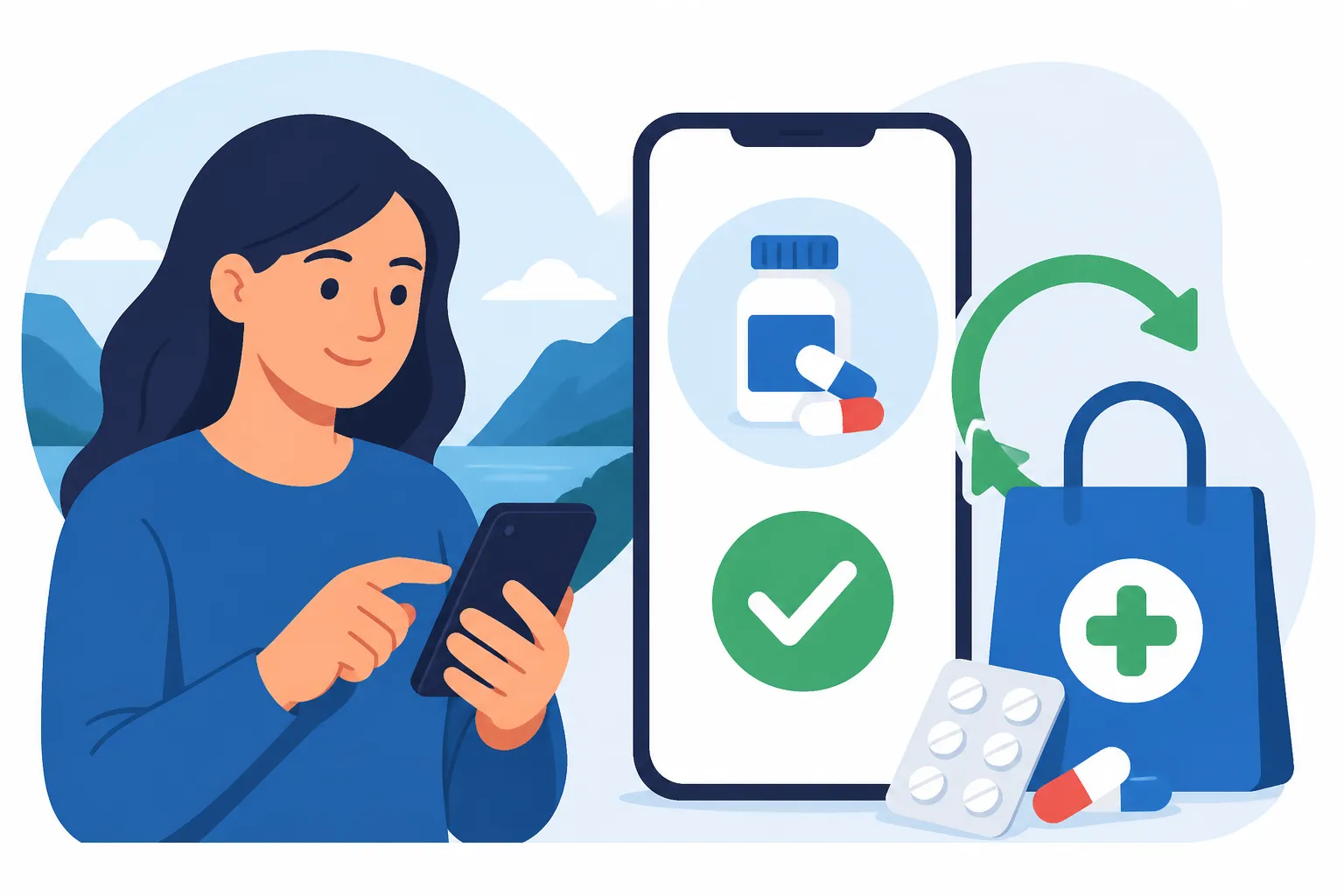
Once your renewal is approved on Helsenorge, you don't actually have to walk into a physical pharmacy if you don't want to. Norway has several excellent online pharmacies, such as Farmasiet or Apotekera.
By logging into these sites using your BankID, they can "pull" your active prescriptions directly from the Helsenorge database. You can then order your meds to be delivered to your door or a local "Post i Butikk." This is a lifesaver during the dark "Mørketid" when the last thing you want to do is trek through the snow to find an open Vitusapotek. It’s a seamless integration that shows the true power of the Norwegian digital health initiative. If you're interested in how this works for day-to-day needs, see Pharmacies and Prescriptions in Norway: White vs Blue Slips.
Important Note on Automatic Renewals
A common misconception is that prescriptions renew themselves if you have a chronic condition. They do not. Even if you have been on the same medication for twenty years, you must actively log in to Helsenorge or use the app to request the "resept" once your current one expires or runs out of refills.
I suggest setting a calendar reminder for 11 months after your last major GP appointment. This gives you enough time to navigate any potential "rejections" or required blood tests before your medication actually hits zero. Being proactive is the only way to avoid the stress of the pharmacy counter "zero refills" talk that I experienced during my first year.
If you are still navigating the initial hurdles of the system, make sure to look at the First 30 Days Health Checklist: GP, Frikort, and Pharmacies to ensure your foundation is set up correctly.
Healthcare Disclaimer
This guide is intended for informational purposes only and is based on personal experience and general knowledge of the Norwegian healthcare system. Medical regulations and Helsenorge portal features can change. Always consult with your licensed Fastlege or a qualified medical professional regarding your specific health needs and medication requirements. This guide does not replace professional medical advice, diagnosis, or treatment. If you are experiencing a medical emergency, please dial 113 immediately.