Finn.no Masterclass: How to Navigate Norway’s Biggest Housing Site
Finding a place to live in Norway often feels like a full-time job where the stakes are your sanity and your bank account. The primary hurdle for most expats is realizing that the entire country runs on a single platform: Finn.no. This guide solves the mystery of navigating this digital gatekeeper, ensuring you find a home without the usual relocation heartbreak.
Understanding the Finn.no Ecosystem
If you are coming from a country with a fragmented real estate market, the sheer dominance of Finn.no will be a culture shock. In Norway, if a property is for rent or sale, it is on Finn. There are almost no "hidden gems" on other platforms, and physical "for rent" signs are virtually non-existent in major cities like Oslo or Bergen. Understanding how this site works is not just a suggestion; it is the fundamental requirement for survival in the Norwegian housing market.
The Monopoly of Marketplace
The platform is divided into several main categories, but for housing, you will focus on "Eiendom" (Property). Within this, you have sub-sections for "Bolig til salgs" (Homes for sale) and "Bolig til leie" (Homes for rent). Because the market is so centralized, competition is fierce. It is not uncommon for a reasonably priced apartment in a popular neighborhood like Grünerløkka to receive fifty inquiries within the first hour of being posted. This means your approach must be calculated, professional, and lightning-fast.
For many newcomers, the sheer speed of the market is the biggest frustration. You might find a perfect place, only to realize the "Visning" (viewing) was yesterday, and the contract was signed this morning. This is why mastering the technical side of the site is so critical. You are not just looking for a home; you are competing in a high-stakes digital race against thousands of local Norwegians and other expats.
While you are navigating this high-pressure environment, you might find that you need a bridge solution. If you find yourself losing out on Finn.no listings because you aren't physically in the country yet, using a service like Spotahome can provide a more flexible, expat-friendly start while you wait for the perfect long-term Finn listing to appear. It allows you to secure a place without the immediate stress of the Finn.no "first-come, first-served" frenzy.
Why You Must Master the Map View
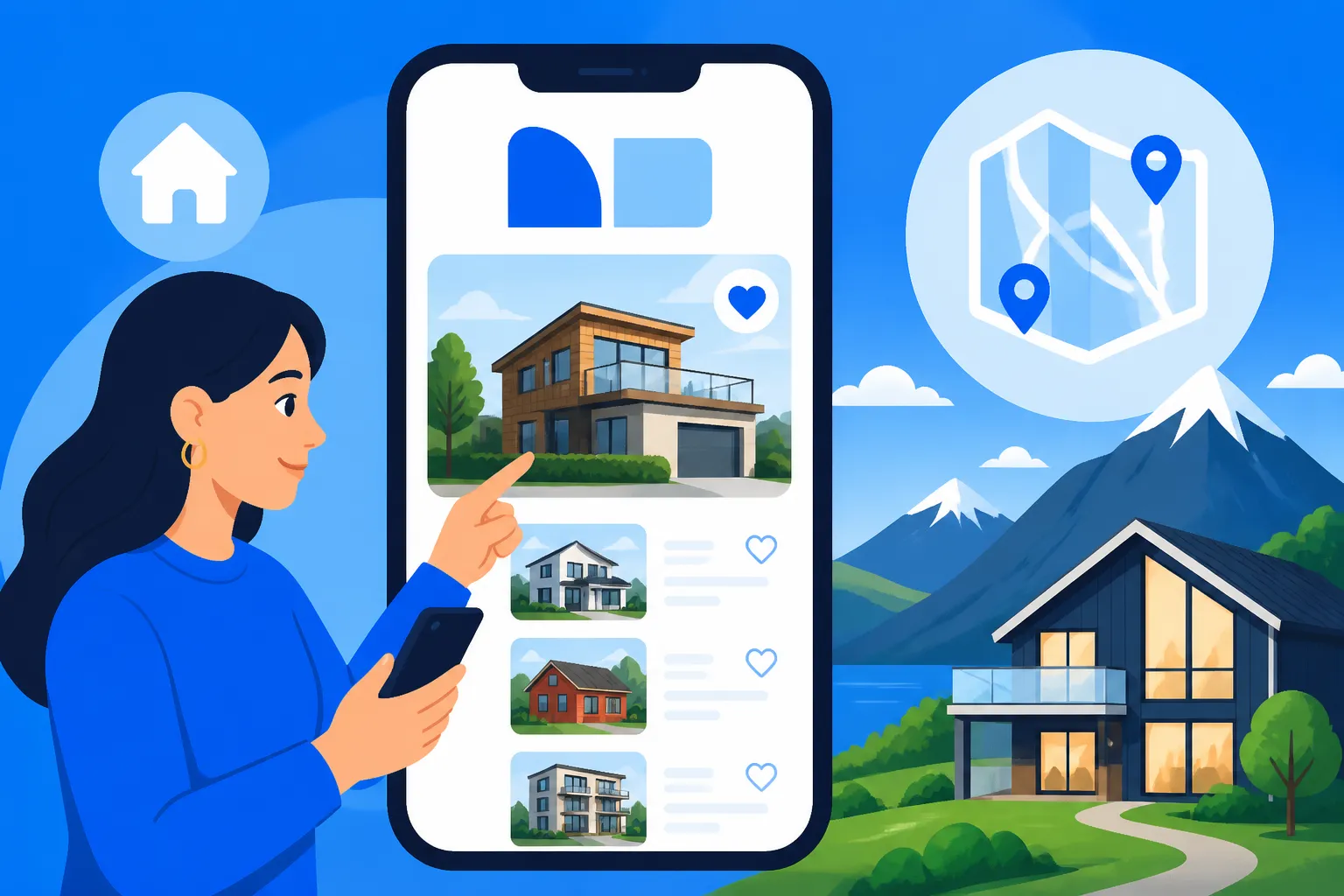
One of the most powerful features of the site is the integrated map view. Norway’s geography is complex, and "as the crow flies" distances mean nothing when there is a fjord or a mountain in the way. When searching for Where to Live in Norway: Top Expat Neighborhoods in Oslo, Bergen, and Beyond, the map tool allows you to see exactly where a property sits in relation to public transport hubs, grocery stores, and schools.
Many expats make the mistake of looking only at the price and the number of bedrooms, ignoring the "Nabolag" (Neighborhood) data provided on the listing. Finn pulls in data about local demographics, noise levels, and even the distance to the nearest kindergarten. If you are moving with a family, these hyper-local details are more important than the aesthetic of the kitchen. A cheap apartment in an area with poor transport links will cost you more in time and commuting fees than a slightly more expensive place near a T-bane station.
Notifications: The First to Respond Rule
You cannot afford to check Finn.no manually twice a day. You must set up "Lagrede søk" (Saved searches). By creating a specific search with your filters—price range, number of rooms, and specific zip codes—you can toggle push notifications. This ensures that the moment a landlord hits "publish," your phone buzzes.
Being the first person to message a landlord often guarantees you a spot at the viewing. In Norway, landlords rarely go through hundreds of messages; they often pick the first five to ten people who seem "porrentabel" (reliable) and close the inquiry list. If you respond four hours late, you have likely already lost. This digital urgency is a core part of Renting in Norway: Apartments, Contracts, and Tenant Rights, and ignoring it is the number one reason expats struggle to find housing.
Setting Up for Success: The Pre-Search Phase
Before you even send your first message, you need to prepare your digital presence. Norwegians value transparency and reliability. If your profile is empty or looks like a burner account, you will be ignored. Landlords want to know who you are, what you do for a living, and if you have a stable income.
Your Bio: Selling Yourself as a Model Tenant
When you message a landlord, you aren't just saying "Is this available?" You are submitting a mini-resume. Your message should be in Norsk if possible (use a translation tool if needed, but be honest about your level), or very clear, polite English. Mention your job title, your employer, and whether you are a non-smoker or have pets. In the competitive Norwegian market, being a "quiet, professional non-smoker with no pets" is your greatest currency.
Many expats fail because they treat the process like a casual Facebook Marketplace transaction. Instead, treat it like a job interview. Mention that you are looking for a long-term home and that you are familiar with the rules of Norwegian Etiquette: Social Rules, Dugnad, and Making Local Friends. Landlords love tenants who understand the concept of "Dugnad" (community work) and quiet hours. If you can prove you won't be a nuisance to the neighbors, you're halfway to a contract.
Verifying Your Identity: The BankID Paradox
This is where many expats hit a wall. To verify your account on Finn.no and get that coveted "Verified" badge, you usually need BankID. However, getting BankID requires a national identity number, which takes time to process. If you are still in the phase of D-Number vs Fødselsnummer: How It Affects Your Banking Options, you might find yourself unable to verify your profile.
Do not panic. While a verified profile is better, you can still message landlords without it. In your message, explicitly explain that you are a new arrival and are in the process of getting your Norwegian ID. Offering to show your passport and work contract at the viewing can help bridge the trust gap. Just be aware that some landlords might be hesitant, which is why having your documents organized in a PDF folder is essential.
While you are waiting for your BankID and navigating the local internet setup, staying connected is vital. Many travellers choose Airalo for an eSim the moment you land. Having reliable data ensures you don't miss a Finn.no notification while you're out scouting neighborhoods or sitting in a coffee shop waiting for a viewing. It’s a lifesaver when you haven't yet sorted your local mobile contract.
Language Etiquette: Norsk vs. English
While almost everyone in Norway speaks English, the housing market is deeply local. A message written in Norwegian—even if it’s clearly translated—shows a level of effort that resonates with older landlords. If you are applying for English-Speaking Jobs in Norway: Top Industries for Foreigners, you might be tempted to stick to English, but try to use some basic Norwegian phrases in your housing search.
A simple "Hei, vi er et par som er veldig interessert i leiligheten din" (Hi, we are a couple who are very interested in your apartment) goes a long way. If you choose to write in English, ensure it is professional. Avoid slang and keep it concise. Remember, the landlord might be reading fifty of these; make yours the easiest to read.
Deciphering the Rental Jungle
The terminology on Finn.no can be confusing even for those who speak some Norwegian. Understanding the difference between a "Hybel" and a "Leilighet" can save you from accidentally booking a viewing for a basement room when you expected a full apartment.
Hybel, Bofellesskap, or Full Apartment?
A "Hybel" is typically a smaller, self-contained unit, often located in the basement or attic of a private house. They are usually the cheapest option but can sometimes feel cramped or lack natural light. A "Bofellesskap" (or "kollektiv") is a shared house where you rent a bedroom and share common areas like the kitchen and bathroom. This is common among students and young professionals.
For those looking for more space, you want to look for "Leilighet" (Apartment) or "Enebolig" (Single-family house). Be aware that "Sokkelen" refers to a walk-out basement unit, which is very common in Norway. These are often high quality but can be colder in the winter. Understanding these distinctions is a key part of Understanding Hybel, Leilighet, and Kollektiv: Apartment Types Explained, and it helps you filter your search effectively so you don't waste time on unsuitable properties.
Understanding Total Costs: Strøm, Husleie, and Internett
When you see a price on Finn, that is the "Husleie" (monthly rent). However, it rarely includes everything. You must check the "Inkludert i husleien" section carefully. In many cases, "Strøm" (electricity) and "Oppvarming" (heating) are extra. Given the Electricity Bills in Norway: Spot Prices, Grid Fees (Nettleie), and Support, this can add a significant amount to your monthly budget, especially in the dark winter months.
If the listing says "Varmtvann og fyring inkludert" (Hot water and heating included), this is a huge plus. It usually means the building has a central system (fjernvarme), which keeps your private electricity bill much lower. Always ask about the average electricity cost during a viewing so you aren't shocked by a 3,000 NOK bill in January.
| Expense Type | Included? | Estimated Monthly Cost (Expat Average) |
|---|---|---|
| Basic Rent (Husleie) | Yes | 12,000 – 22,000 NOK (Oslo) |
| Electricity (Strøm) | Sometimes | 800 – 2,500 NOK |
| Internet | Often | 500 – 800 NOK |
| Water/Sewage | Usually | Included in rent |
| Parking | Rarely | 1,000 – 2,500 NOK |
Deposits and the Depositumskonto
One of the most rigid rules in the Norwegian rental market is the security deposit. According to Security Deposits (Depositumskonto): How to Protect Your Money in Norway, a landlord can ask for up to six months of rent as a deposit, though three months is the standard. This money must be placed in a dedicated "Depositumskonto," which is a joint account that neither you nor the landlord can access without the other’s consent.
Never, under any circumstances, transfer a deposit directly to a landlord’s personal bank account. This is a massive red flag for a scam. If you are struggling with the upfront cash, some employers offer a "Depositumsgaranti" (deposit guarantee), though many private landlords prefer the cash account. If you find yourself in a situation where you can't access a Norwegian bank yet, brands like Spotahome can sometimes offer alternative deposit structures that are easier for international movers to handle.
The Art of the Message: Communication Strategy
Once you’ve found a listing and understood the terms, it’s time to reach out. Think of your message as the hook that gets you a viewing. Because Finn.no allows for "Easy Apply" messages, landlords get a lot of generic spam. Your goal is to stand out by being human and professional.
The Anatomy of a Perfect Message
Start with a polite greeting and state exactly which property you are interested in. Even though you are messaging through the specific ad, landlords often have multiple listings. Follow this with a brief introduction: "My name is [Name], I work as a [Role] at [Company], and I am looking for a quiet home starting from [Date]."
Mention your "Referanser" (references). If you have lived in Norway before, a previous landlord’s number is gold. If you are new, a reference from your current employer or a previous landlord abroad (with an email address) is better than nothing. Landlords are terrified of "bad" tenants who don't pay or who cause damage, so anything that proves your stability is vital. This is an essential tactic covered in How to Rent an Apartment on Finn.no Without Having a BankID.
Following Up Without Being Annoying
If you don't hear back within 24 hours, the property is likely gone or the landlord is overwhelmed. You can send one polite follow-up, but don't spam. If you see the ad has been marked as "Inaktiv" or "Utleid" (rented out), move on immediately. The market moves too fast to mourn a missed opportunity.
Keep a spreadsheet of the places you've messaged. Include the link, the contact name, and the status. This helps you stay organized when you're sending out ten messages a day. Using an eSim from Airalo ensures that if a landlord calls you back unexpectedly while you're on the bus, you have the data to pull up the listing and remember which apartment they're talking about.
Spotting Scams and Red Flags
While Norway is generally very safe, Finn.no is not immune to scammers. Be wary of listings that look too good to be true—for example, a luxury apartment in Aker Brygge for 8,000 NOK. If the "landlord" says they are currently abroad and can't show the apartment but will mail you the keys once you pay, it is 100% a scam.
Always insist on a physical or video viewing. If you are not in the country, try to find a friend or a relocation agent to go for you. Scammers often target expats because they know you are desperate and unfamiliar with Tenant Protections: Notice Periods and Eviction Rules in Norway. If something feels off, trust your gut and report the ad to Finn.no’s support team.
The Competitive Viewing (Visning) Process
Getting invited to a "Visning" is a major milestone, but it’s not the finish line. In a tight market, the viewing is a two-way interview. You are inspecting the property, but the landlord (or the current tenant) is also inspecting you.
What to Look for During a Viewing
Don't let the excitement of finding a place blind you to practical issues. Check the windows for drafts, look for signs of mold in the bathroom corners (a common issue in older Norwegian buildings), and ask about the heating system. Check if the apartment is "møblert" (furnished) or "umøblert." In Norway, "unfurnished" usually still includes white goods like a fridge and stove, but you should always double-check.
Ask about the "Felleskostnader" (common costs). If you are renting in a large apartment building, some costs like trash collection or hallway cleaning might be included, or they might be an extra monthly fee. Understanding these details is part of the Moving In: Standard Unfurnished Rentals vs Fully Furnished Options transition. Also, check the laundry situation—many older buildings in Oslo have a "fellesvaskeri" (shared laundry room) in the basement rather than a machine in the unit.
Making an Impression on the Landlord
Arrive on time—punctuality is a sacred virtue in Norway. Dress "smart-casual" and be prepared to take your shoes off at the door (this is a mandatory cultural rule). Engage in small talk about the neighborhood. If you can mention that you’ve been reading up on Fire Alarms and Extinguishers: Mandatory Safety Gear in Rentals, it shows you are a responsible adult who will take care of their property.
At the end of the viewing, if you like the place, tell them clearly: "We really like the apartment and would like to sign a contract. What are the next steps?" Sometimes, landlords make a decision on the spot; other times, they will tell you they’ll call you the next day. If they ask for your "personnummer" to conduct a Credit Checks (Kredittsjekk) in Norway: How Bisnode Rates You, this is a standard and legal part of the process.
The Reference Check
Have your references ready to go. A quick "My boss is expecting your call" can move you to the top of the pile. Landlords often call references to ask two things: "Did they pay on time?" and "Were there any noise complaints?" If you can proactively provide these answers, you remove the friction from their decision-making process.
Buying Property on Finn: The Bidding War
If you have moved beyond renting and are looking at Buying Property in Norway: Bidding Wars, Mortgages, and Rules, Finn.no becomes even more important. The buying process in Norway is incredibly fast and entirely digital. From the moment an apartment is listed to the moment it’s sold is often less than ten days.
Finding Listings and the "Salgsoppgave"
When you find a house you like, the first step is to download the "Salgsoppgave" or "Prospekt." This is a massive PDF document containing every legal detail about the property, including the "Tilstandsrapport" (technical condition report). You must read this carefully. Look for "TG2" or "TG3" ratings—these indicate items that need repair or are in poor condition.
Understanding the technical language in these reports is essential for Reading the Property Prospectus (Salgsoppgave) Before Bidding. If you don't understand terms like "drenering" (drainage) or "våtromsnorm" (bathroom standards), get a Norwegian friend to help you. A mistake here can cost you hundreds of thousands of kroner in renovations.
The Bidding War (Budrunde) Rules
In Norway, property is almost always sold via a closed bidding process. After the first open viewing (usually on a Sunday or Monday), bids start the next morning. Bids are submitted via Finn.no or the real estate agent’s portal and must be binding. This means if your bid is accepted, you have legally bought the house. There is no "cooling-off" period.
This process is high-stress and moves in increments of 15 to 30 minutes. You need to have your "Finansieringsbevis" (proof of funding) from your bank ready. Real estate agents will not accept a bid without verifying that you have the money. This is a critical part of Navigating the Bidding Process (Budrunde) When Buying a Norwegian Home, and it’s why having your mortgage pre-approved is the first step in the journey.
| Bidding Step | Timing | Required Document |
|---|---|---|
| Initial Search | Weeks/Months | Finn.no App |
| Viewing (Visning) | Sunday/Monday | ID / Business Card |
| Reading Report | Same Day | Salgsoppgave (PDF) |
| First Bid | Tuesday 09:00 | BankID & Proof of Funds |
| Acceptance | Tuesday Afternoon | Digital Signature |
Mortgages and Down Payments
To buy in Norway, you generally need a 15% down payment (egenkapital). Banks are very strict about this. If you are an expat, they may also want to see that you have a permanent residence permit or a stable long-term work contract. Dealing with banks can be as complex as the housing search itself, so check out Car Loans and Mortgages: Down Payment Rules for Foreign Residents for more specific advice on navigating the financial side.
Essential Technical Tools for New Arrivals
While Finn.no is the sun around which the Norwegian housing world orbits, there are other tools that make the transition easier. Using these in tandem with your Finn search will give you a competitive edge.
Managing the "Koselig" Transition
Once you find a place, you’ll likely need furniture. The "Torget" section of Finn.no is a goldmine for "Gis bort" (free) or cheap second-hand furniture. Norwegians change their interiors frequently, and you can often find high-quality Scandinavian design for a fraction of the retail price. This is a great way to save money while you’re still budgeting for your Cost of Living in Norway 2026: Budgeting for Singles and Families.
Using Used Furniture: Navigating the "Torget" section on Finn.no is not just about saving money; it’s a cultural experience. Picking up a sofa from a local family gives you a chance to practice your Norwegian and see how locals live. Just make sure you have a plan for transport, as renting a van can be expensive.
Internet and Connectivity While Searching
I cannot stress enough how important it is to have a reliable internet connection from day one. Between the constant Finn.no refreshes and the need to Google-translate every technical term in your contract, you will burn through data. This is why it is wise to have an Airalo eSim as a backup. It saves you from the "no Wi-Fi" trap when you’ve just moved into a new place and are waiting two weeks for the fiber provider to send a technician.
Once you are settled, you’ll need to look into Internet Providers in Norway: Fiber Optics and 5G Home Broadband. Most apartments in cities have fiber pre-installed, but you still need to set up a subscription. Having your eSim active means you can compare providers and sign up online without stress.
The "Dugnad" and Community Living
When you finally sign that Finn.no contract, remember that you are joining a "Borettslag" (housing cooperative) or a neighborhood. Participation in the "Dugnad"—the semi-annual community cleaning day—is technically voluntary but socially mandatory. It is the single best way to meet your neighbors and prove that you are a good addition to the building.
If you ignore the Dugnad, you might find your neighbors a bit colder. If you show up, grab a rake, and share a coffee, you will find that What is "Dugnad"? Surviving Mandatory Community Volunteering is actually the secret to feeling at home in Norway. It turns a "place to stay" into a "community to live in."
Legalities and Final Steps
The moment you sign the contract, your rights as a tenant are protected by the Norwegian Tenancy Act (Husleieloven). This is a very pro-tenant law, but you need to know how to use it.
The Move-In Checklist (Overtakelse)
When you get the keys, you must do a formal "Overtakelse" with the landlord. Take photos of everything—every scratch on the floor, every mark on the wall. Send these photos to the landlord immediately so there is a digital paper trail. This prevents disputes when you eventually move out and want your deposit back.
This process is detailed in Moving Out Checklist: Cleaning Standards (Utvask) and Deposit Return, and it is just as important when you move in as when you leave. If the apartment isn't clean when you arrive, you have the right to demand it be cleaned or to receive a reduction in the first month’s rent.
Registering Your Address
In Norway, your address is tied to everything—your tax, your doctor, and your bank. The moment you move, you must notify the National Registry (Folkeregisteret) of your change of address. This is a legal requirement and ensures that your mail (and your Posten Customs Clearance Fees: Receiving Packages from Outside Europe) actually reaches you.
Don't forget to put your name on your mailbox! In Norway, if your name isn't on the box, the mail carrier will not deliver your letters. This is a small detail that causes huge headaches for new expats who are waiting for their physical residence cards or bank documents.
Important Disclaimer
The information provided in this guide is for informational purposes only and does not constitute legal or professional real estate advice. The Norwegian housing market and regulations, including Finn.no’s terms of service and UDI immigration rules, are subject to change. While we strive to keep this information up to date, always verify specific legal requirements with the official authorities such as Skatteetaten, UDI, or a qualified legal professional before signing contracts or transferring funds. Be cautious of potential scams and always use official channels for financial transactions.