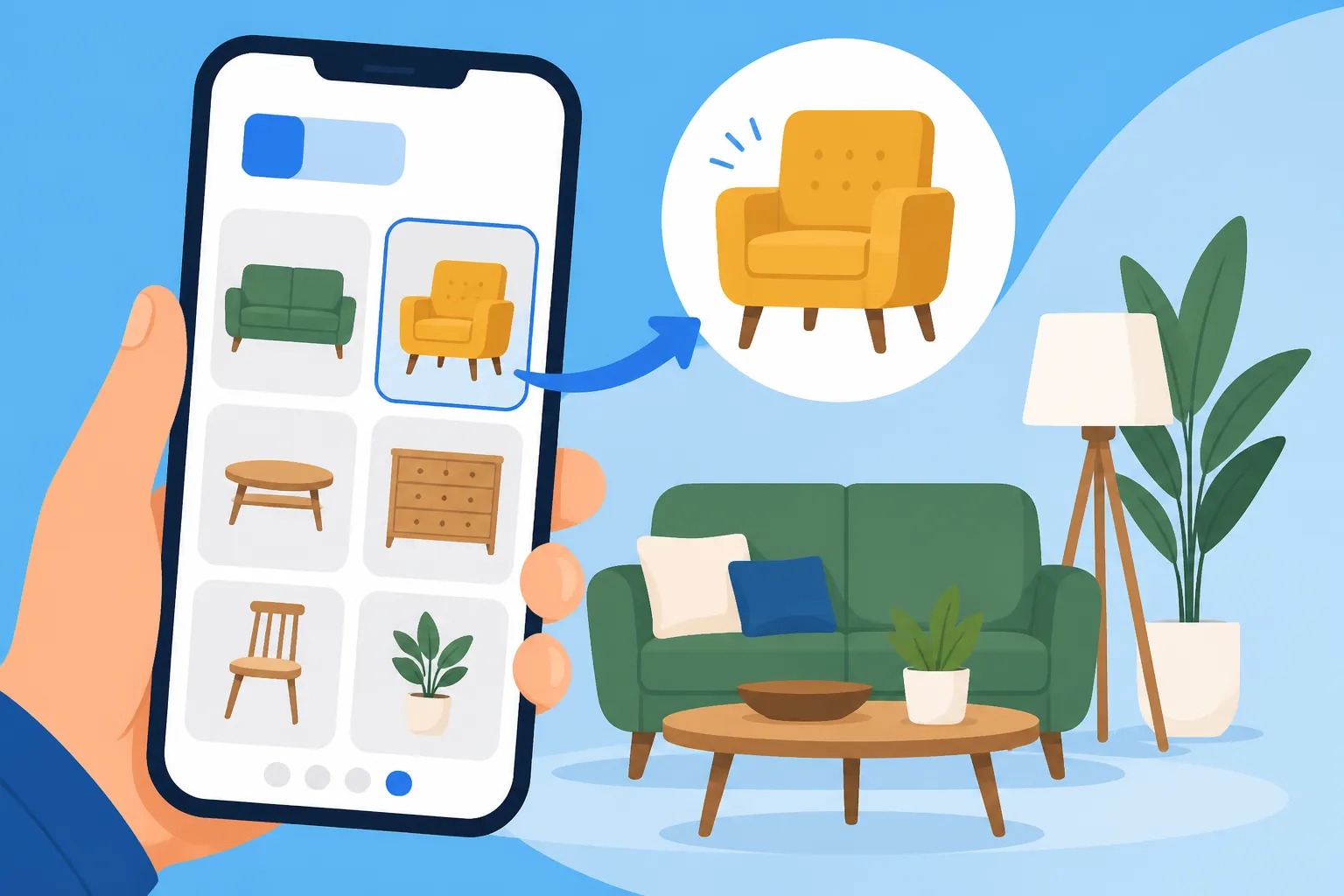
Used Furniture: Navigating the “Torget” Section on Finn.no
Moving to a new country like Norway is exhilarating, but the initial practicalities, like furnishing your new home without breaking the bank, can quickly turn into a significant headache. Especially when you realize how much everything costs here! Thankfully, there’s a local secret weapon that seasoned expats swear by: the "Torget" section on Finn.no. This comprehensive guide will walk you through exactly how to navigate Norway’s biggest online marketplace for used items, helping you find everything from a cozy armchair to a full kitchen table set, all while saving your precious krone and embracing Norway's sustainable spirit.
What Exactly is Finn.no Torget and Why Should You Care?
Imagine a digital version of the world's largest, most well-organized flea market, but without the dust, the haggling over tiny stalls, or the need to travel far and wide. That, my friends, is Finn.no Torget. While Finn.no is the undisputed king of classifieds in Norway, covering everything from job listings to real estate, Torget is its dedicated section for buying and selling second-hand goods between private individuals. For many expats, it's the first place they turn after securing an apartment and realizing their initial budget for furniture is, well, ambitious.
Why is Torget so crucial for us foreigners finding our feet in Norway? For starters, the cost of living here can be eye-watering, and furniture stores are no exception. Buying new can quickly drain your savings, especially if you're outfitting an entire apartment. Torget offers a lifeline, allowing you to find high-quality, often barely used items at a fraction of the original price. Beyond the financial relief, there's a huge environmental benefit. Norwegians are incredibly conscious about "gjenbruk" (reuse), and by participating in the second-hand economy, you're embracing a core cultural value of sustainability. It’s also a fantastic way to discover unique, often well-maintained Scandinavian design pieces that add character to your home, far beyond what any mass-produced new furniture could offer.
Before you've even fully settled into your new rental – perhaps even while you're still on a temporary stay booked via a platform like Spotahome – you'll quickly grasp the necessity of finding affordable home solutions. Torget is genuinely a treasure trove, and understanding its nuances is key to furnishing your home economically and authentically. The platform acts as a bridge, connecting you directly with local sellers, cutting out middlemen and making the process surprisingly efficient once you get the hang of it. From basic kitchenware to a stylish mid-century sofa, the variety is astounding, reflecting the Norwegian tendency to invest in quality and then take good care of their possessions.
Mastering the Art of the Finn.no Torget Search
Navigating a new website in a foreign language can feel like scaling a fjord in a rowboat – daunting, to say the least. But with a few tips and a bit of patience, you'll be a Finn.no Torget pro in no time.
Navigating the Interface and Search Filters
The first hurdle for many newcomers is the Norwegian language. While Finn.no does offer some limited English translation, the core content, especially item descriptions, will almost always be in Norwegian. Don't let this deter you! Your web browser's translate function will become your best friend. However, it's worth learning a few key Norwegian terms for the items you're looking for, as sellers often use specific local descriptors. For example, instead of just "chair," you might search for "kjøkkenstol" (kitchen chair) or "lenestol" (armchair).
Here's a small table of common furniture terms that will help your search:
| English Term | Norwegian Term |
|---|---|
| Sofa | Sofa |
| Armchair | Lenestol |
| Coffee Table | Salongbord |
| Dining Table | Spisebord |
| Dining Chair | Spisestol |
| Bed | Seng |
| Wardrobe | Garderobeskap |
| Bookshelf | Bokhylle |
| Desk | Skrivebord |
| Lamp | Lampe |
| Kitchen Appliances | Hvitevarer (or by item, e.g., "kjøleskap" for fridge) |
| Free / Given Away | Gis bort |
| Used / Second Hand | Brukt |
| Good condition | God stand |
| Like new | Som ny |
Once you've got your keywords, the filters are your next powerful tool. The most critical filter is location. You'll want to specify your kommune (municipality) or fylke (county) to ensure you're looking at items available nearby. Most Torget listings are for pickup only, so finding something across the country won't be practical unless it's a very specific, rare item you're willing to travel for. You can also set a price range, which is invaluable for sticking to your budget when considering the overall Cost of Living in Norway 2026: Budgeting for Singles and Families. Don't forget to look for the "Gis bort" (given away) section under the "Price" filter – yes, people often give away perfectly good items for free, you just need to be quick!
Beyond basic items, try searching for styles like "retro," "vintage," or even specific brands if you know them. Norwegians often have a keen eye for design, and you can stumble upon some incredible finds. Using a reliable mobile connection, perhaps enabled by an Airalo eSIM for instant data, is essential when you're out and about, ready to check new listings or respond to sellers on the go. This way, you don't miss out on those fleeting "gis bort" opportunities that disappear as quickly as they appear.
Understanding Descriptions and Condition Reports
Norwegian sellers are generally quite honest about the condition of their items, but knowing what their terms mean can prevent misunderstandings. You'll frequently encounter phrases like:
- Pent brukt: Gently used, often implying minimal wear.
- Som ny: Like new, suggesting very little use.
- Noe slitasje: Some wear and tear, indicating visible signs of use.
- God stand: Good condition, generally means functional and presentable.
- Defekt: Defective, meaning something is broken or not working as intended. This might be perfect if you're handy and can fix it!
Always scroll through all available photos. If a description mentions "noe slitasje" but the photos don't clearly show it, don't hesitate to ask for more detailed pictures of the imperfections. It's perfectly acceptable to ask, "Kan du sende flere bilder av slitasjen?" (Can you send more photos of the wear and tear?). Look out for potential issues like visible stains, significant scratches, wobbly legs, or unusual odors (e.g., from pets or smoke, if that's a concern for you). Sellers are often quite transparent, but a quick message to clarify can save you a wasted trip.
The Art of Communication and Negotiation
This is where the Norwegian etiquette comes into play. When contacting a seller, be polite and to the point. Start with a simple "Hei!" and then express your interest. If you’re truly keen, consider writing a short, polite message in Norwegian (again, Google Translate is your ally!). Something like, "Hei! Jeg er veldig interessert i [item name]. Er den fortsatt til salgs?" (Hi! I'm very interested in [item name]. Is it still for sale?).
Once you confirm availability, you'll need to discuss pickup logistics and payment. Most transactions are handled via Vipps, Norway's ubiquitous mobile payment app. If you've been in Norway for a bit, you've likely already set up Vipps: The Requirements for Norway’s Leading Mobile Payment. If you haven't, it's wise to do so, as cash transactions are becoming increasingly rare.
Negotiating the price ("pruting") is possible, but usually for higher-priced items or if you're genuinely picking up something quickly. Don't aggressively lowball. A polite inquiry like, "Er prisen diskuterbar?" (Is the price negotiable?) or "Vil du vurdere et bud på [lower price]?" (Would you consider an offer of [lower price]?) is often accepted, especially if the item has been listed for a while. However, be prepared for a "Nei, prisen er fast" (No, the price is fixed). If you're quick and decisive, especially for those "gis bort" items, you'll often have an advantage. Remember that Cashless Norway: Vipps, Debit Cards, and the Disappearance of Cash means you’ll almost certainly be using a digital payment method.
Pickup, Payment, and Post-Purchase Peace of Mind
You've found the perfect item, negotiated a fair price, and now it's time to bring your new treasure home. This phase requires a bit of logistical planning, especially for larger items.
Arranging Pickup Logistics
The vast majority of items on Torget are offered as "må hentes" (must be picked up). This is probably the biggest hurdle for expats who might not have a car or know anyone with a suitable vehicle. For small items, a large tote bag, backpack, or public transport might suffice. However, for anything larger than a small bedside table, you'll need a plan.
Here are your options for getting your items home:
- Ask a friend: If you've started building a network, a friend with a car (especially a station wagon or SUV) is a lifesaver. Offer to pay for their gas, buy them a coffee, or treat them to lunch. This is a common favor among friends.
- Rent a van (Varebil): For larger hauls, renting a small van is often the most practical solution. Services like Bilkollektivet (a car-sharing service, though requires membership) or traditional rental companies like Hertz or Avis offer vans by the hour or day. This is a topic thoroughly covered in guides like Renting a Van (Varebil) to Move Furniture Yourself, which can give you practical advice on what to expect. Just remember to factor the rental cost into your overall budget.
- Taxi/Transport Service: Some taxi companies might be willing to transport larger items, but this can be very expensive. Check with local transport services – some offer specialized "flyttetransport" (moving transport) for smaller loads.
- Hitch a ride with the seller (rare): While uncommon, if you're buying something from someone very close by and they happen to have a large vehicle and are feeling particularly generous, they might offer to drop it off. Never expect this, but it doesn't hurt to ask if you're desperate, "Har du mulighet til å hjelpe med levering mot et tillegg i prisen?" (Do you have the possibility to help with delivery for an additional fee?).
Before heading out, double-check the item's dimensions against your planned transport method. Nothing is worse than arriving to pick up a sofa only to realize it won't fit in your friend's car!
Secure Payment Methods
As mentioned, Vipps is king. Most Norwegians will expect payment via Vipps upon pickup. It’s instant, secure, and leaves a digital trail. Make sure your Vipps account is linked to your Norwegian bank account (if you're still navigating getting a local account set up, remember you can typically open a Norwegian Bank Account Without a Permanent Address, though a D-number or Fødselsnummer is crucial for full banking services).
While cash (kontanter) is legal tender, many people don't carry much cash anymore. For very small sums, it might be acceptable, but always confirm with the seller beforehand. Never pay for an item before you see it in person, especially not via bank transfer or other less secure methods. Scams are rare on Finn.no, but exercising caution is always wise. You want to inspect the item to ensure it matches the description before handing over any money.
When Things Go Wrong and What to Do
The vast majority of Torget transactions go smoothly, but occasionally, things can go a bit sideways.
- No-shows: Both buyers and sellers can be guilty of this. If a seller doesn't show up or respond, try a polite follow-up message. If there's still no response, move on. Likewise, if you can't make it, communicate clearly and as early as possible. Norwegians appreciate direct and honest communication.
- Item not as described: For used items, the general rule is "buyer beware" ("kjøpt som sett"). However, if the item is significantly different from the description or photos – for instance, major damage that wasn't disclosed – you can try to politely discuss it with the seller at the point of pickup. Most people are reasonable. If it's a minor discrepancy, you might just have to accept it or choose not to proceed with the purchase. For more expensive items like a large appliance, you should inspect it thoroughly. This is similar to how you would examine other large purchases, such as new items where you would look at the Buying Appliances in Norway: Elkjøp vs Power Warranties.
- Safety: When meeting strangers, common sense applies. If possible, bring a friend, especially for large items that require two people to carry. Arrange to meet in a public place for smaller items if you feel uncomfortable going to someone's home, though pickup from a private residence is standard practice for furniture.
Beyond Furniture: Other Gems on Torget and Sustainable Living
While the "Møbler og interiør" (Furniture and Interior) section is likely your first stop, Finn.no Torget is so much more than just used furniture. It's a gateway to an entirely different way of consuming in Norway.
Electronics, Clothing, and Unique Norwegian Finds
Don't limit yourself to just tables and chairs! Torget is also fantastic for:
- Hvitevarer (White goods): Fridges, washing machines, ovens – often available at bargain prices, especially if someone is moving or upgrading. Always ask to see them powered on and check for any obvious defects.
- Elektronikk (Electronics): TVs, sound systems, computers, and even kitchen gadgets. Be extra diligent in testing these items before purchase.
- Sykler (Bikes): Norway is a cycling nation, and you can find excellent quality used bikes for all ages and purposes. This is a great way to save money on transport.
- Barneutstyr (Baby and children's gear): Prams, car seats (check expiry dates!), clothes, toys – kids grow fast, so there's a constant supply of gently used items.
- Sportsutstyr (Sports equipment): Skis, hiking gear, camping equipment. Perfect for embracing the Norwegian outdoors without the hefty upfront cost.
- Klær (Clothing): Though often found more on dedicated apps like Tise (the Norwegian equivalent of Vinted), some quality clothing items appear on Torget.
You might even stumble upon unique Norwegian art, vintage decor, or specialized tools you didn't know you needed. The thrill of the hunt is a real part of the Torget experience! It's one of the best ways to practice Buying Second-Hand on Tise or Finn to Save Money, extending the life of products and saving your wallet.
Embracing the "Gjenbruk" (Reuse) Mentality
Participating in Finn.no Torget isn't just about saving money; it's about integrating into the Norwegian mindset of "gjenbruk" – reuse. This commitment to sustainability is deeply ingrained in the culture. Many items are given away for free ("gis bort") because people prefer to see them used rather than thrown away, reflecting a national ethos that values resources. Keep a keen eye on these free listings – they move incredibly fast, but the rewards can be substantial.
When your time in Norway eventually comes to an end, remember to pay it forward. Instead of tossing perfectly good items, consider listing them on Torget yourself, or finding local charities that accept donations. This helps the next wave of newcomers, reduces waste, and contributes positively to the community. Just as you prepared your apartment for moving in, preparing for your departure includes thinking about the fate of your belongings. For instance, the Moving Out Checklist: Cleaning Standards (Utvask) and Deposit Return emphasizes leaving your rental in pristine condition, and that often means ensuring it's empty of personal items.
Using Finn.no Torget is an essential skill for any expat in Norway. It’s an adventure that combines practicality with a dose of cultural immersion, and mastering it will undoubtedly make your life here more affordable and more connected. It’s a core element of the overall Finn.no Masterclass: How to Navigate Norway’s Biggest Housing Site, which covers everything from rentals to buying. It's also a great way to meet people and practice some Norwegian, furthering your integration efforts beyond what you might learn from a guide like Norwegian Etiquette: Social Rules, Dugnad, and Making Local Friends. Dive in, explore, and happy hunting!
Disclaimer
The information provided in this guide is intended for general informational purposes only and does not constitute legal, financial, or professional advice. While we strive to offer accurate and up-to-date content based on personal experience and publicly available data, regulations and practices in Norway can change. Always verify information with official sources or consult with a qualified professional for advice tailored to your specific situation. We are not responsible for any outcomes resulting from the use of this information.