Fire Alarms and Extinguishers: Mandatory Safety Gear in Rentals
Ah, the joys of navigating rental life in Norway! Just when you think you’ve got a handle on BankID, felleskostnader, and remembering to sort your recycling into 17 different bins, another essential, yet often overlooked, aspect of living here pops up: fire safety. It’s easy to assume that basic safety equipment is just there, but in a country where a significant number of homes are still made of wood and winters can be long and dark, fire prevention isn't just a suggestion – it’s a deeply ingrained cultural and legal imperative. This guide is here to cut through the confusion and explain exactly what mandatory fire alarms and extinguishers you should expect in your Norwegian rental, who’s responsible for what, and how to keep yourself safe.
The Legal Lowdown: Mandatory Fire Safety Equipment in Norwegian Rentals
Norway takes fire safety incredibly seriously, and for good reason. Historically, many buildings, especially older ones, are constructed primarily from wood. This means fires can spread quickly if not detected and dealt with promptly. The law, specifically the brann- og eksplosjonsvernloven (Fire and Explosion Protection Act) and related regulations, places clear responsibilities on property owners to ensure a minimum level of fire safety in all dwellings. As a tenant, understanding these basic requirements is your right and a crucial part of your safety.
Smoke Detectors: Your First Line of Defense
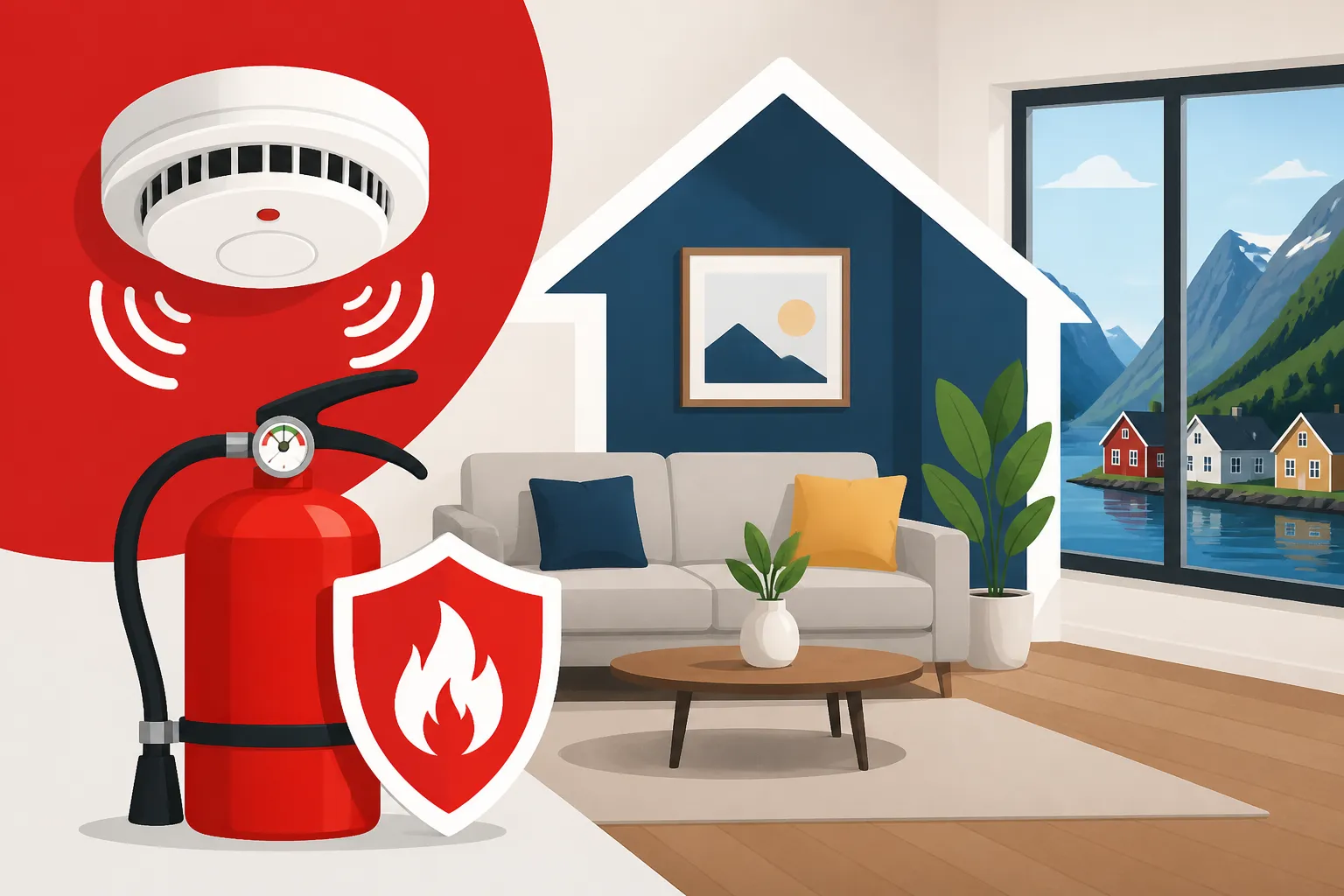
Your home, whether it’s a tiny hybel or a sprawling family house, must be equipped with functioning smoke detectors. This isn't optional, it's the law. These aren't just any old detectors either; they need to be placed strategically to offer adequate warning. Generally, you should expect:
- At least one smoke detector on each floor of your home. This ensures that if a fire starts downstairs while you're sleeping upstairs, you'll still be alerted.
- Detectors should be placed in or near sleeping areas. Think hallways leading to bedrooms, or directly in bedrooms if they are far from other detectors.
- They should be clearly audible in all sleeping rooms with closed doors. This means if your bedroom door is shut, you should still be able to hear the alarm if it goes off elsewhere in the house.
Most rental properties will come with battery-operated smoke detectors. It’s common for landlords to install optical smoke detectors, which are good at detecting slow-smouldering fires, or sometimes combined units that can detect both smoke and heat. While your landlord is responsible for providing and installing these initially, the ongoing task of ensuring they have fresh batteries often falls to the tenant – a point we'll delve into shortly. Never remove or disable these, no matter how annoying a false alarm might be!
Fire Extinguishers: Beyond the Water Bucket
Beyond the ears of the smoke detector, you need the means to fight a small fire before it gets out of control. This is where the brannslukningsapparat comes in. Norwegian regulations stipulate that every home must have at least one piece of readily accessible fire extinguishing equipment. For most residential properties, this translates to:
- A powder extinguisher with a minimum capacity of 6 kg. This is the most common type you’ll find in Norwegian homes because of its versatility in tackling different types of fires (A, B, C classes – solids, liquids, gases). It's effective but can make a huge mess.
- Alternatively, a fire hose that reaches all parts of the dwelling. This is less common in private rentals but might be found in some older apartment blocks or larger properties.
- Or, a foam extinguisher (often 6 liters). These are also common and are effective for solid and liquid fires (A and B classes) and generally cause less damage than powder.
The key is "readily accessible." This means it shouldn't be tucked away in a locked cupboard or under a pile of boxes in the basement. It should be somewhere obvious, like in a hallway, kitchen, or utility room, so you can grab it instantly if needed. Just like smoke detectors, your landlord is legally obliged to provide this equipment and ensure it’s properly maintained and inspected. These extinguishers usually have a label indicating their last inspection date, which is typically every five years, with a major service after ten years. If you notice the pressure gauge is in the red, or the inspection date is expired, it’s a serious issue to raise with your landlord.
Escape Routes and Safety Markings
While less directly about equipment, understanding escape routes is a critical part of fire safety, especially in apartment buildings or multi-story homes. The regulations ensure that you have a safe way out if the primary exit is blocked.
- Clear and unobstructed escape routes: This means stairwells, hallways, and main doors should never be blocked with furniture, bikes, or other belongings. This is a common point of contention in apartment buildings, and it's something your borettslag or sameie (housing cooperative/association) will enforce strictly.
- Windows as escape routes: In many Norwegian homes, especially on upper floors, certain windows are designated as secondary escape routes (rømningsveier). These must be easy to open from the inside without a key, and they should lead to a safe drop or a balcony from which rescue is possible. Make sure these windows are not painted shut or obstructed by heavy curtains or furniture.
- Emergency lighting and signage: In larger apartment buildings or common areas, you might also find emergency lighting and glow-in-the-dark signs indicating exit routes. While these are more for the building's common areas than your specific rental unit, they are part of the overall fire safety infrastructure that protects you.
When you’re looking for a rental, platforms like Spotahome often provide basic property descriptions, but it’s always wise to schedule a viewing and specifically ask about fire safety features. Don't be shy; it's a legitimate concern in Norway, and any good landlord will be happy to show you.
Who's Responsible? Landlord vs. Tenant Duties
Here’s where it gets a little tricky for new arrivals. The division of responsibility between landlord and tenant isn’t always immediately clear, and misunderstanding it can lead to disputes or, worse, safety risks. Norway has strict laws, but the day-to-day upkeep often involves the tenant.
The Landlord’s Primary Obligations
Your landlord bears the lion's share of responsibility when it comes to the provision and initial functionality of fire safety equipment. Think of them as the ones who set up the system.
- Providing the equipment: As mentioned, they must ensure that the rental property has the legally required smoke detectors and fire extinguishing equipment when you move in. This is not something you should have to buy yourself.
- Ensuring it's in working order at move-in: It's not enough to just provide the equipment; it needs to be functioning. The smoke detectors should have working batteries, and the extinguisher should be properly charged and inspected. When you do your move-in inspection, this is one of the key things to check. Make sure you test the smoke alarms (there's usually a "test" button) and check the pressure gauge on the extinguisher.
- Initial inspection and annual checks (if not delegated): The landlord is ultimately responsible for ensuring that the fire safety equipment is regularly checked. For smoke detectors, this often means checking batteries once a year. For extinguishers, it means ensuring they are inspected according to manufacturer guidelines and Norwegian standards. Many landlords will delegate the battery-checking to the tenant but retain responsibility for extinguisher maintenance.
- Documenting safety checks: Good landlords will keep a log of when safety checks were performed. This is important for their own liability and for your peace of mind. If they perform an annual check, they should be able to show you documentation.
If you move into a place and find missing or faulty equipment, document it immediately, ideally with photos, and inform your landlord in writing. Don't wait! Your lease agreement should outline what is expected.
The Tenant’s Everyday Responsibilities
While the landlord provides the gear, you, as the person living in the property, are responsible for its day-to-day operational readiness. This often feels like "yet another thing" to keep track of, but it’s crucial for your safety.
- Regular battery checks for smoke detectors: This is probably the most common tenant responsibility. While the law technically says "the owner must ensure it's checked," in practice, tenants are usually expected to test their smoke alarms regularly and replace batteries when needed. A good rule of thumb is to do it at least once a year, often when clocks change for daylight saving, or, as many Norwegians do, during Brannvernuka (Fire Protection Week) in September. If you hear a chirping sound, that's your smoke alarm telling you it needs new batteries – replace them immediately!
- Reporting faulty equipment immediately: If a smoke detector stops working even with new batteries, or if the fire extinguisher pressure drops, or if you notice any damage, you must notify your landlord without delay. Don't try to fix complex issues yourself.
- Not tampering with or removing safety gear: This seems obvious, but it's worth stating. Don’t take down smoke detectors because they go off when you cook (instead, improve ventilation!) and never remove the fire extinguisher. It's there to save lives.
- Knowing how to use the extinguisher: This is often overlooked. Take a moment to read the instructions on the side of the fire extinguisher. Knowing how to pull the pin, aim at the base of the fire, and sweep can make all the difference in a real emergency. Many local fire departments offer public information days where you can learn basic fire extinguishing techniques.
Navigating Grey Areas and Disputes
What happens if there’s a disagreement? Or if your landlord just isn't responsive?
- Initial communication is key: Always start with polite, written communication to your landlord. Email is best as it creates a paper trail. Clearly state the issue (e.g., "Smoke detector in the living room isn't working even with new batteries"), refer to your tenancy agreement, and ask for a timeline for resolution.
- Documentation is your friend: Keep records of all communication. Take photos of expired inspection tags or non-functional equipment.
- Tenant associations: If your landlord is unresponsive, tenant rights organizations like Leieboerforeningen can offer advice and mediation. They are a valuable resource for expats facing rental disputes, not just for fire safety but for issues related to your rental contract or even moving out checklist items.
- Municipal fire department: In serious cases where your landlord fails to provide basic mandatory safety equipment after being notified, you can contact your local brannvesenet (fire department) or municipal fire prevention authority. They have the power to order landlords to comply with regulations.
Remember, your safety is paramount. Don’t compromise on basic fire protection, and be proactive in checking and reporting issues.
Beyond the Basics: Extra Fire Safety Tips for Expats
While the mandatory equipment provides a good foundation, being truly fire safe means adopting a broader mindset. Especially as expats, we often bring habits from other countries that might not perfectly align with Norwegian realities.
Electrical Safety and Appliance Use
Modern life means endless plugs and chargers, but it also brings electrical risks, especially if you're living in an older building with older wiring or bringing appliances from different voltage systems.
- Avoid overloading sockets: Norway generally uses Type F sockets (Schuko), and while adapter strips are common, don't plug too many high-wattage appliances (heaters, kettles, hair dryers) into a single outlet. This can easily trip circuits or, worse, cause overheating.
- Be wary of older appliances: If your rental comes with an old washing machine or oven, keep an eye on it. Strange smells, sparks, or flickering lights are red flags. Report these to your landlord immediately.
- Unattended charging of electronics: This is a growing concern, especially with electric bikes, scooters, and even phones. While convenient, leaving devices to charge overnight, particularly on soft surfaces like beds or carpets, poses a risk. Batteries can overheat and ignite. Always charge on hard, non-flammable surfaces, and ideally, when you’re awake and nearby. If you’re often out and about using an e-scooter, make sure you know the fire safety aspects of charging it.
Kitchen Fires and Candle Safety
The kitchen is where a significant number of home fires start, often due to inattention. And in Norway, with its koselig culture, candles are everywhere, bringing warmth but also inherent risk.
- Never leave cooking unattended: This cannot be stressed enough. A moment's distraction can turn a simmering pot into a roaring blaze. If you need to step away from the stove, even for a minute, turn off the heat.
- Handle oil and fat fires correctly: If a pan of oil catches fire, never try to extinguish it with water. Water will cause the burning oil to splatter violently, spreading the fire. Instead, turn off the heat (if safe to do so), cover the pan with a lid or a damp, non-flammable cloth, and let it cool. If the fire is larger, use your fire extinguisher, aiming at the base.
- Candle vigilance: Norwegians love candles, especially during the long, dark winter months. It creates a wonderful, cozy atmosphere. However, they are open flames. Always place candles on stable, non-flammable surfaces, away from curtains, paper, or anything that can catch fire. Never leave burning candles unattended, especially when leaving a room or going to sleep. Be extra cautious if you have pets or small children who might knock them over.
For those bracing for their first Norwegian winter, learning about how to make your home warm and cozy but safe is essential, especially when it comes to heating and light sources.
Planning Your Escape: Drills and Meeting Points
Knowing you have equipment is one thing; knowing what to do in a real emergency is another. Fire drills aren't just for schools.
- Develop an escape plan: Sit down with your household and draw a simple floor plan. Identify at least two escape routes from every room (door and window). Practice getting out blindfolded or in the dark.
- Establish a meeting point: Choose a safe spot outside your home, like a neighbor's driveway or a lamppost, where everyone in your household will meet if you need to evacuate. This helps you quickly account for everyone.
- Know your neighbors: In apartment buildings, knowing your neighbors can be vital. They might be able to alert you, or you them, in an emergency. In Norway, where community spirit often comes alive through dugnad, building relationships with those around you can also be a safety net.
- Keep keys accessible: Make sure keys for doors or windows that are part of your escape route are always readily available, especially near the exits.
| Responsibility | Landlord | Tenant |
|---|---|---|
| Smoke Detectors | Provide, install, ensure working at move-in, overall inspection responsibility. | Test regularly (e.g., annually/bi-annually), replace batteries, report faults immediately. |
| Fire Extinguishers | Provide, ensure inspected/charged at move-in, manage periodic professional service. | Ensure accessible, know how to use, check pressure gauge/inspection date, report any damage or expired service dates immediately. |
| Escape Routes | Ensure legal requirements for exits are met (windows open, clear paths). | Keep escape routes clear (no obstructions), ensure designated escape windows are functional, keys accessible. |
| Documentation | Keep records of equipment type, placement, and inspection dates. | Document any reported issues and landlord's response; note equipment status on move-in report. |
| General Awareness | Inform tenant about safety equipment; comply with regulations. | Actively learn about safety features, create an escape plan, practice fire prevention in daily life. |
This table serves as a helpful, quick guide to the primary duties. Always refer to your specific rental contract for any additional clauses.
What to Do When Disaster Strikes: Emergency Procedures
Even with the best preparation, accidents can happen. Knowing what to do in the chaotic moments of a fire can save lives. Panic is the enemy; clear, decisive action is your best defense.
The Immediate Response: "Redd, Varsle, Slokk"
Norway's fire safety slogan is simple and memorable: "Redd, Varsle, Slokk" – Rescue, Alert, Extinguish. This sequence guides your actions in an emergency.
- Redd (Rescue): Your absolute first priority is to get yourself and anyone else in immediate danger to safety. This means quickly alerting others in the household, gathering children or elderly individuals, and getting out of the building. Do not try to collect valuables or pets if it delays your escape. Once outside, stay out.
- Varsle (Alert): As soon as you are safely outside, call the emergency services. In Norway, the number for the fire department (and all emergencies) is 110. Even if you think the fire is small, call immediately. Time is critical.
- Slokk (Extinguish): Only attempt to extinguish a fire if it is very small, you know how to use the equipment, and it is safe to do so without putting yourself or others at risk. If the fire is growing, there’s a lot of smoke, or your escape route is compromised, prioritize getting out. Never tackle a fire if you feel unsafe. Using a powder extinguisher correctly can stop a small kitchen fire, but a larger blaze requires professional help.
It’s easy to freeze in an emergency, but having rehearsed these steps, even mentally, can make a difference. Get out, call for help, and only then consider if you can safely fight the fire.
Communicating with Emergency Services
Calling 110 might seem daunting, especially if Norwegian isn't your first language. However, emergency operators are trained to handle calls from non-Norwegian speakers.
- Stay calm and speak clearly: The operators are there to help you. Take a deep breath and speak as clearly as possible.
- Provide your exact address: This is the most crucial piece of information. Give the street name, house number, and apartment number if applicable. Mention any distinguishing features of the building.
- Describe the situation: Briefly explain what is on fire, if anyone is trapped, and any visible dangers (e.g., "Kitchen fire, smoke, my cat is still inside").
- Don't hang up until told to: The operator might need more information or give you instructions. They might also transfer you to police (112) or ambulance (113) if needed.
Having a reliable phone connection is obviously critical for emergencies. While you'll likely have a local Norwegian SIM, if you're newly arrived or for some reason don't have one, services like Airalo can provide eSIM data plans for data roaming which could, in a pinch, facilitate calling via internet-based apps if standard calls aren't an option, though a proper working phone number for 110 is always the first choice. Make sure your phone is always charged and accessible. Knowing how to call an ambulance (113) or the police (112) is also vital, and while they have separate numbers, they often coordinate from a central emergency center.
Post-Fire Steps and Insurance
Once the immediate danger has passed, there are practical steps you’ll need to take. This is where your preparedness and understanding of your housing and money documents come in handy.
- Contact your landlord: As soon as it’s safe and you've dealt with emergency services, notify your landlord. They will need to assess the damage and begin repair processes.
- Contact your insurance company: If you have innboforsikring (home contents insurance), which is highly recommended and often mandatory for renters in Norway, you'll need to file a claim. This insurance covers your personal belongings in case of fire, theft, or water damage. Make sure you understand what your home contents insurance actually covers.
- Temporary housing: Depending on the extent of the damage, you might need temporary accommodation. Your insurance might cover this, or your landlord might assist.
- Damage assessment: The fire department, police, and insurance assessors will investigate the cause and extent of the fire. Cooperate fully with their inquiries.
A fire is a terrifying event, but being prepared with the right equipment, knowledge, and an action plan can significantly reduce the risk and impact. Norway’s focus on fire safety isn't just bureaucratic; it's deeply practical and born from historical necessity. Embrace these guidelines, and you'll be well on your way to a safer, more koselig life in your Norwegian home.
Disclaimer
The information provided in this guide is for general informational purposes only and does not constitute legal or professional advice. While we strive to provide accurate and up-to-date information, regulations and best practices can change. It is always recommended to consult official sources, your rental contract, your landlord, or legal professionals for advice specific to your situation in Norway.