Dental Care for Pregnant Women in Norway: Is it Subsidized?
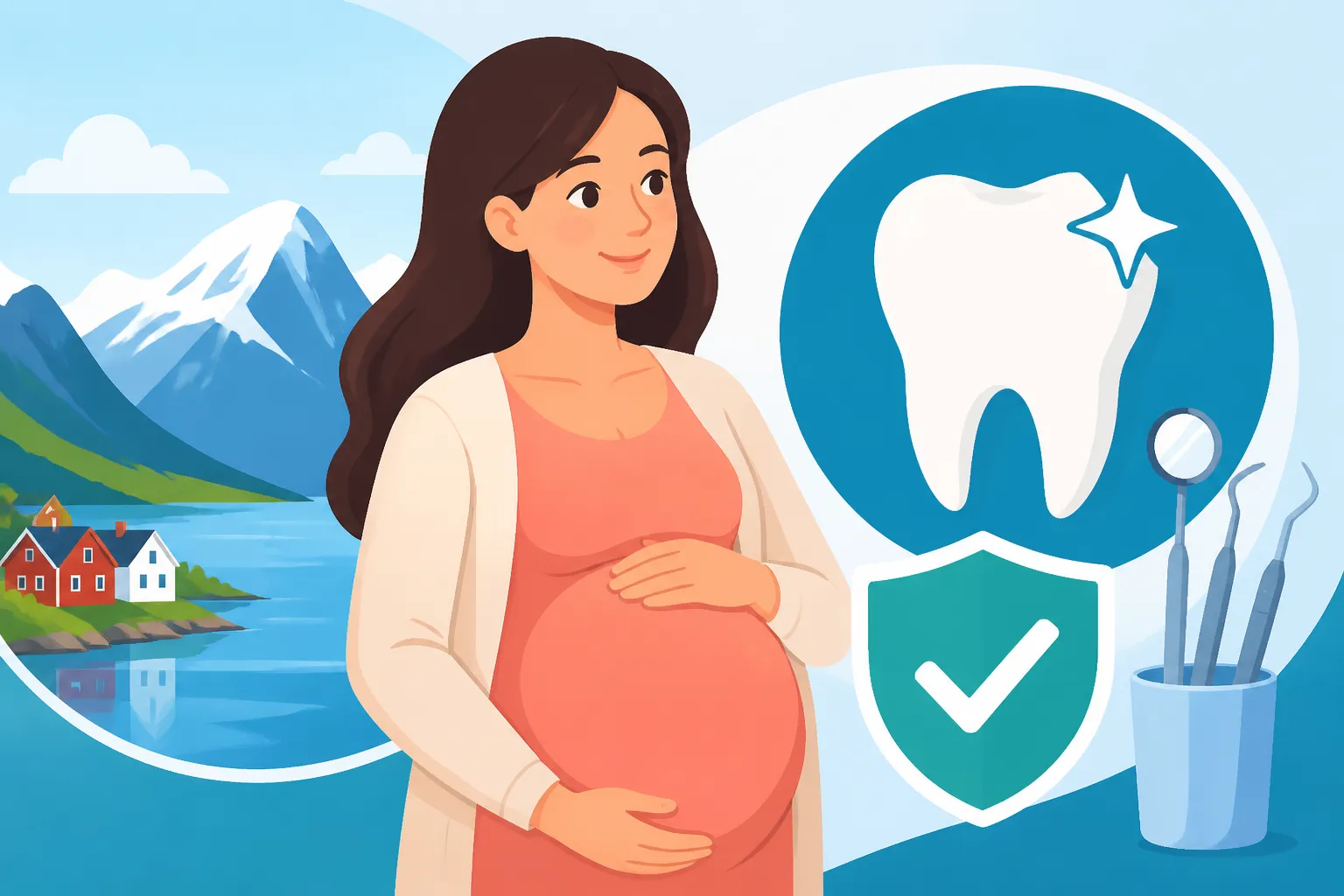
One of the most jarring realizations for many expats arriving in Norway is that the legendary social safety net doesn't quite extend its arms all the way to your teeth. When I moved here, I assumed that because I was paying my taxes and contributing to the National Insurance Scheme, a trip to the dentist would be as subsidized as a visit to my GP. I quickly learned that for adults, the dental system operates on a very different logic, and this becomes a major point of stress for those navigating a pregnancy in a new country. This guide clarifies exactly what is and isn't covered regarding dental care for pregnant women in Norway, helping you avoid unexpected bills during an already expensive life transition.
The Reality of Adult Dental Care in Norway
The Norwegian healthcare system is often lauded as one of the best in the world, but it has a very specific "blind spot" when it comes to adult dental services. While the Public vs Private Healthcare in Norway: A Complete Guide explains how most medical visits are capped by a yearly limit, dental care for anyone over the age of 24 is generally considered a private expense. You are expected to find your own dentist, book your own appointments, and pay the full market rate out of pocket.
For many of us who came from countries where pregnancy grants you a "magic card" for free dental checkups—such as the UK's NHS system—this is a bitter pill to swallow. In Norway, pregnancy does not automatically categorize you as a "priority patient" in the public dental clinics (Den offentlige tannhelsetjenesten). These clinics are primarily reserved for children, adolescents, and specific vulnerable groups like the elderly in home care or people with chronic disabilities.
If you are a healthy adult woman who happens to be pregnant, the state’s perspective is that you are still a healthy adult responsible for your own oral hygiene costs. This is why many expats choose to maintain international coverage through providers like Cigna Global, which can offer dental add-ons that bridge the gap where the Norwegian state stops. Having that extra layer of security can be a lifesaver when a sudden toothache strikes during your second trimester.
Are Pregnant Women Exempt from Dental Costs
The short answer is no, but the long answer involves a few "ifs" and "buts" that are worth investigating. Unlike your regular prenatal checkups, which are entirely free as detailed in Family Health in Norway: Pregnancy, Childbirth, and Pediatric Care, dental visits remain a commercial transaction. You will likely be visiting a private dentist, and you will be charged their standard rates, which can range from 800 NOK for a simple checkup to several thousand NOK if you need fillings or more complex work.
The confusion often stems from the fact that Dental Care in Norway: Costs, Subsidies, and Finding a Dentist highlights various groups that do receive free or discounted care. While teenagers and young adults up to age 24 receive heavily subsidized care, pregnant women are not listed as a standalone category for subsidies. This means that even if you are experiencing "pregnancy gingivitis"—a very common condition where hormonal changes make your gums more prone to inflammation—the cost of the cleaning and treatment is typically yours to bear.
However, there is a silver lining for those with specific medical complications. Norway uses a system managed by HELFO (the Norwegian Health Economics Administration) which identifies 15 specific conditions or "points" that qualify an adult for subsidized dental care. If your pregnancy-related dental issues fall into one of these categories, your dentist can claim a refund on your behalf, and you will only pay a small deductible or, in some cases, nothing at all. This is where it pays to have an honest conversation with your dentist about your symptoms.
Exceptions Where You Might Get Coverage
While pregnancy itself isn't a ticket to free dental, certain conditions that arise during or are exacerbated by pregnancy might qualify for HELFO subsidies. It is crucial to understand these because your dentist is the one who must make the assessment and apply the correct "Takst" (fee code) to your bill. If they don't realize you qualify, you'll end up paying the full price unnecessarily.
One of the most common exceptions is severe periodontitis (gum disease). If your gum inflammation has progressed to the point of bone loss—which can occasionally be accelerated by the massive hormonal shifts during pregnancy—you may be eligible for subsidies under Point 6 of the HELFO regulations. Additionally, if you suffer from Hyperemesis Gravidarum (severe pregnancy sickness), the frequent exposure to stomach acid can cause significant erosion of your tooth enamel. In cases of severe "acid damage," Point 9 of the dental subsidy rules may allow for partial coverage of restorative work.
| Condition | Typical Coverage Status | HELFO Category (If Applicable) |
|---|---|---|
| Routine Checkup | 100% Out-of-Pocket | None |
| Pregnancy Gingivitis | 100% Out-of-Pocket | None |
| Severe Periodontitis | Subsidized | Point 6 |
| Acid Erosion (from vomiting) | Subsidized | Point 9 |
| Rare Medical Conditions | Fully or Partially Covered | Point 1 |
| Low Income / Social Benefits | Possible Municipal Support | NAV Assessment |
For those moving to Norway on a temporary basis or as digital nomads, traditional subsidies are even harder to access. This is why services like SafetyWing are often recommended for those in the transition phase, as they provide a safety net for emergency dental work that the Norwegian public system won't cover for non-residents or those still waiting on their personal number. Always check if your condition aligns with Healthcare Rights for D-Number Holders: Exclusions and Alternatives if you haven't yet received your permanent Norwegian ID.
Navigating Dental Visits While Pregnant
Once you accept that you'll likely be paying for your visit, the next step is finding a dentist who understands the specific needs of pregnant patients. In Norway, dentists are generally very cautious and follow strict guidelines regarding X-rays and local anesthesia for expectant mothers. Most will recommend postponing non-essential X-rays until after birth, though modern digital X-rays with lead aprons are considered safe if there is an emergency.
When booking, it is helpful to use the Helsenorge App to keep track of your overall health records, though private dental records aren't always automatically synced there yet. You should also check The Fastlege Scheme: Navigating Norway’s GP System to see if your regular doctor needs to provide a referral or a note if your dental issues are linked to a broader medical condition like gestational diabetes, which can also impact your oral health.
If the costs of private dentistry in cities like Oslo or Bergen feel overwhelming, you can look into dental schools (like the one at the University of Oslo) where students perform work at a reduced rate under the supervision of professors. While the appointments take longer, the savings can be substantial. For expats who are still budgeting their move, checking Healthcare Budgeting: The Frikort Exemption Card and User Fees is vital, though remember that most dental costs unfortunately do not count toward your Frikort limit.
Strategic Planning for Your Dental Health
If you are planning a pregnancy or are in the early stages, the most "Norwegian" thing you can do is prepare early. Because the state won't step in to pay for your cleanings, many veteran expats suggest getting a full "service" on your teeth before you even start trying to conceive. This minimizes the risk of needing emergency root canals or fillings while you are pregnant, which are both expensive and stressful.
If you are already pregnant and haven't seen a dentist in a while, it's worth the 1,000 NOK investment for a checkup. Preventing a minor cavity from turning into a major infection is not just a financial decision; it's a health decision for you and your baby. Some private clinics offer "membership" plans that provide a discount on yearly cleanings, which can be a good way to spread the cost.
For those who find the Norwegian prices simply too high, some choose to wait until their next trip home or to a lower-cost EU country, but this is risky during pregnancy. If you have international insurance like Cigna Global, you might find that your policy allows for "out-of-network" care, giving you more flexibility. Just ensure you understand the rules around Public vs Private Healthcare in Norway: A Complete Guide so you don't accidentally assume a private dentist will bill the state directly for your visit.
Practical Steps If You Need Emergency Care
If you find yourself in pain over a weekend, you will need to head to the "Tannlegevakt" (Dental Emergency Clinic). This is the dental equivalent of Legevakten (116 117): When and How to Use the Out-of-Hours Service. Be warned: the prices at the emergency dental clinic are significantly higher than during regular office hours. You can expect to pay a "startup fee" just for the door to open, often around 1,000 to 1,500 NOK, before any treatment even begins.
If you are a student or on a very limited income, you may be able to apply for "sosialhjelp" through NAV to cover emergency dental work. This is a last resort and involves a rigorous means test of your bank accounts. It is much more reliable to have a small "dental emergency fund" or a robust travel insurance policy like SafetyWing if you are still in your first few months in the country and haven't built up a local savings buffer yet.
Remember to always ask for a "Kostnadsoverslag" (cost estimate) before the dentist starts any work. It is a legal requirement in Norway for dentists to provide a price list, and they should be able to tell you upfront what the estimated total will be. This prevents "bill shock" at the reception desk, which is the last thing you need when you're already dealing with pregnancy fatigue.
Summary of Key Takeaways for Expats
Navigating the dental world in Norway as an expectant mother requires a shift in expectations. While the rest of your maternity journey will likely be characterized by world-class, free public care, your teeth remain your financial responsibility. By understanding the HELFO exceptions and planning your visits strategically, you can manage these costs without too much stress.
Always remember that:
- Pregnancy does not equal free dental care in the Norwegian system.
- Private dentists are the norm for adults, and you must find your own.
- Subsidies exist only for specific medical conditions or severe complications.
- Emergency care is available but comes with a high price tag.
- International insurance can be a valuable tool to bridge the coverage gap.
By staying proactive and informed, you can ensure that your oral health remains a priority throughout your pregnancy, allowing you to focus on the much more exciting arrival of your new family member.
Disclaimer
This article is for informational purposes only and does not constitute professional medical or financial advice. Healthcare regulations and subsidy rates in Norway are subject to change. Always consult with a licensed dentist in Norway or contact HELFO directly to verify your eligibility for subsidies based on your specific medical situation.