Reporting Pests (Skadedyr): Who Pays for Extermination in Rentals?
Discovering a pest infestation in your rental apartment in Norway can instantly turn your koselig new home into a nightmare. The panic sets in: What kind of creepy crawlies are these? How did they get here? And most importantly, who on earth is going to pay for this mess? This guide is here to untangle the often confusing and frustrating reality of dealing with pests, or skadedyr as they're called in Norwegian, in your rental property, helping you understand your rights and responsibilities as a tenant, clarifying your landlord’s obligations, and shedding light on how the costs for extermination are typically handled in the land of fjords.
The Initial Discovery: Identifying and Documenting Your Pest Problem
That sickening feeling when you first spot something scurrying, crawling, or biting where it shouldn’t be is universal. It’s not just a hygiene issue; it feels like an invasion of your personal space, and it's incredibly stressful. In Norway, common unwelcome guests range from the dreaded veggedyr (bed bugs) and kakerlakker (cockroaches) to mus (mice) and rotter (rats), especially in older buildings or those near green spaces. Then there are the smaller, more insidious ones like skjeggkre (silverfish) which, while less harmful, can certainly make a place feel less clean.
The absolute first thing you need to do, before you even think about calling an exterminator yourself, is to document everything. Take clear photos and videos of the pests, their droppings, any bites on your skin, or damage they’ve caused. Note down the exact dates and times of your sightings and where in the apartment you found them. Is it just one isolated bug, or do you suspect a full-blown colony? The more evidence you have, the stronger your position will be when you approach your landlord. Trying to solve it yourself, perhaps by spraying chemicals, can not only be ineffective but might also complicate matters with your landlord or a professional pest control service. They need to assess the situation accurately.
Consider how long you’ve lived in the apartment. Did you notice any signs of pests when you first moved in, perhaps during your initial walkthrough or soon after Overtakelse: What Does "Overtakelse" Mean When Signing a Lease?? If the problem seemed to be present from the start, this weighs heavily in your favor. If you brought in second-hand furniture from sites like Used Furniture: Navigating the "Torget" Section on Finn.no, it's a good idea to consider if that could be the source. This initial documentation will be crucial.
Understanding Norwegian Rental Law: Who is Responsible for Skadedyr?
Norway’s Housing Rental Act, or Husleieloven, is quite clear on the general principles, but applying them to pest infestations can sometimes be a bit of a grey area. In essence, the landlord is typically responsible for ensuring the property is in a habitable condition and free from defects that cause "significant inconvenience" (vesentlig mangel). This includes serious pest infestations that were either present when you moved in, are due to structural defects in the building, or arise from a lack of proper maintenance.
Let’s break down the common scenarios:
Landlord's Core Responsibility
If the pests were there before you even unpacked your bags, or if their presence is clearly due to the building's infrastructure, then the responsibility almost certainly falls on your landlord. Think about it:
- Pre-existing Infestation: You move in, and within days, you're finding bed bugs or cockroaches. It's highly unlikely you brought them in that quickly. The landlord has an obligation to provide a pest-free home.
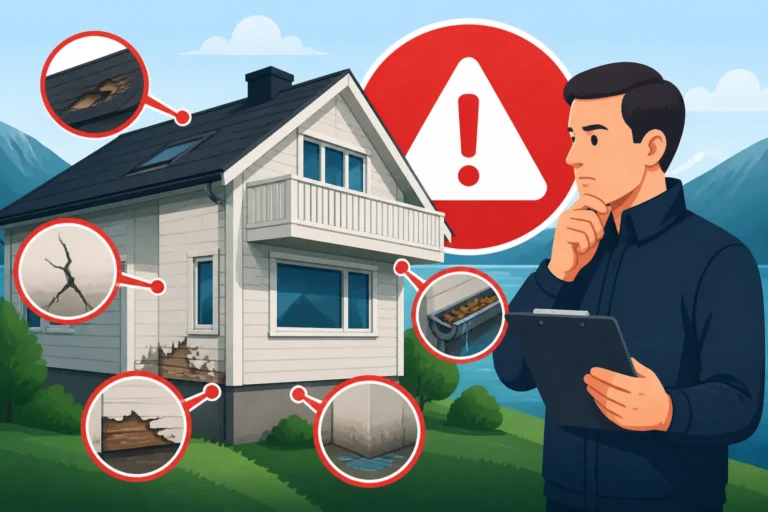
- Structural Defects: Gaps in walls, holes around pipes, cracks in the foundation, or a leaky roof creating damp conditions could allow pests like mice, rats, or certain insects to enter the building. If these issues are part of the building's fabric and not something you caused, it's the landlord's problem. They are responsible for the general upkeep and integrity of the property.
- Lack of Maintenance: If the building's common areas, shared by multiple tenants, are neglected (e.g., garbage accumulation, unsealed entry points), leading to pests spreading, this can also fall under the landlord's domain.
In these cases, the Husleieloven generally states that the property has a defect the landlord must remedy. You, as the tenant, have a right to a safe and habitable living environment, as detailed in guides like Renting in Norway: Apartments, Contracts, and Tenant Rights.
Tenant's Core Responsibility
On the flip side, you, as the tenant, also have responsibilities. If the pest problem arises due to your actions or negligence, then the cost and responsibility for extermination will likely fall on you. This could include:
- Poor Hygiene: While rare for most serious infestations, extremely poor hygiene, like leaving food out for extended periods, could attract pests.
- Bringing in Infested Items: This is a very common scenario for bed bugs. If you brought home a second-hand sofa that was already infested, or if you picked up bed bugs during travel and then introduced them to the apartment, the cost could be yours. It’s tough to prove, but if there’s a clear connection, the landlord can argue it.
- Failure to Report Promptly: If you noticed a small problem (e.g., a few silverfish) and didn't report it, allowing it to escalate into a full-blown infestation, your landlord might argue that your delay contributed to the severity, and thus, the cost. You are expected to notify your landlord of any defects or issues that need attention, including pests, without undue delay.
The Murky Grey Areas
Bed bugs (veggedyr) are often the trickiest pests in Norway when it comes to assigning responsibility. They can be incredibly difficult to eradicate and are often brought into a home unwittingly by a tenant (e.g., from a hotel, shared transport, or an infested item). However, the landlord still has a responsibility to ensure the property is free from significant defects. If the landlord discovers bed bugs shortly after a tenant moves out, they often have to exterminate before a new tenant moves in. If you move in and immediately find bed bugs, it’s clearly their problem. If you live there for a year, travel frequently, and then suddenly find them, it might be harder to prove they were pre-existing.
The key here is written communication. Always document your concerns and your landlord's responses in writing. Emails are great because they provide a timestamped record. This paper trail is invaluable if a dispute arises and you need to refer to your tenant protections, or even escalate the issue to the Forliksrådet (Mediation Council), which is Norway's primary body for resolving civil disputes before they reach court.
The Extermination Process and Cost Allocation
Once you’ve reported the issue to your landlord with all your meticulously gathered evidence, they are generally obliged to act. This usually involves contacting a professional pest control company. These companies are experts at identifying the type of pest, understanding its lifecycle, and determining the most effective course of action, which often involves multiple rounds of treatment. This isn't a quick fix, so be prepared for a period of disruption, including potentially having to vacate the property for certain treatments or preparing your home extensively by washing all fabrics, emptying cupboards, etc.
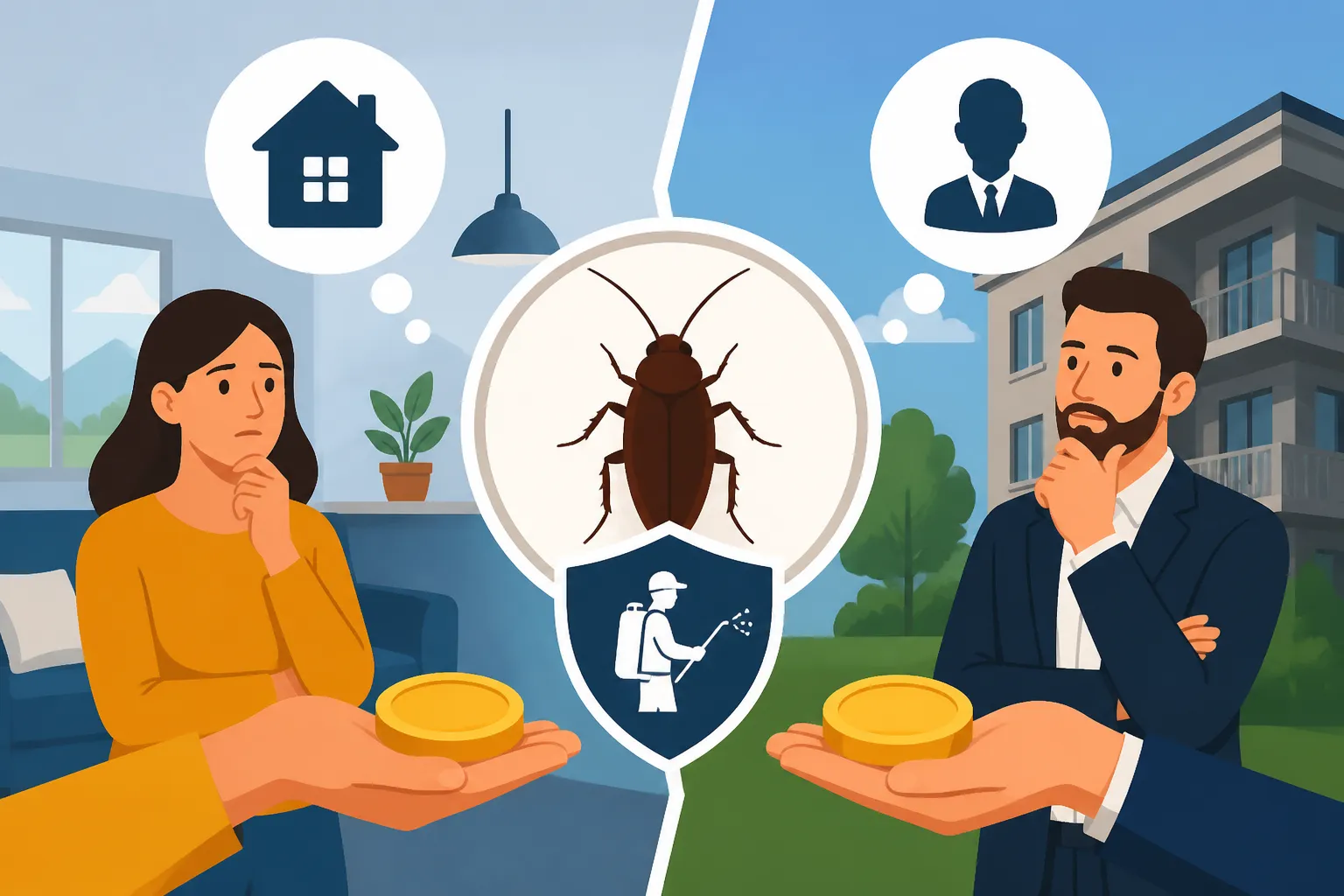
Who Pays? The Million-Dollar Question
This is where the prior documentation and legal understanding become paramount.
- Landlord Pays: If it's unequivocally the landlord's responsibility (e.g., pre-existing infestation, structural issues), they will cover the cost of the professional extermination. This is part of their duty to maintain a habitable property.
- Tenant Pays: If it's unequivocally the tenant's responsibility (e.g., clear negligence, bringing in the infestation), then you will be expected to pay. This is why thorough inspection upon moving into an apartment, especially if you're looking at private listings not professionally managed like some you might find on Spotahome, is so important. A well-managed property often has clearer policies in place.
- The Shared Burden/Negotiation: In those tricky grey areas, particularly with bed bugs where the origin is hard to pin down, it often comes down to negotiation. Sometimes, landlords might cover the initial cost to get the problem solved quickly and then try to recover the cost from the tenant. The burden of proof often lies with the landlord to show that the tenant caused the infestation. If they can't, they might have to foot the bill. If the problem is very severe and causes a "significant inconvenience," you might even be entitled to a reduction in rent during the extermination period, though this needs to be formally agreed upon.
If your landlord refuses to address the problem or demands you pay for something you believe is their responsibility, you have options. You can formally notify them of a "breach of contract" (mislighold) and give them a reasonable deadline to fix the issue. If they still don't comply, you can seek advice from the Husleietvistutvalget (Housing Dispute Committee) or, as mentioned, take the case to the Forliksrådet. It's a bureaucratic process, but your rights as a tenant in Norway are well-protected. Remember that keeping connected and having quick access to information, perhaps through a reliable eSIM service like Airalo for instant access to online resources or contacting legal aid, can be incredibly helpful during stressful situations like this.
Here’s a simplified breakdown of typical responsibilities:
| Pest Type | Likely Landlord Responsibility | Likely Tenant Responsibility | Grey Area / Shared |
|---|---|---|---|
| Rats/Mice | Structural entry points, building-wide issue, shared areas. | Extreme untidiness, leaving food accessible within your unit. | If structural issues are exacerbated by tenant habits. |
| Cockroaches | Building-wide issue, poor sanitation in common areas, pre-existing. | Extreme untidiness/poor hygiene in your unit, bringing in infested items. | Unclear origin in a multi-unit building. |
| Bed Bugs | Pre-existing at move-in, landlord failed to eradicate from previous tenant. | Bringing in infested furniture, travel, not reporting quickly. | Origin unknown, landlord may initially pay to avoid spread. |
| Silverfish | Structural moisture issues, old building, pre-existing (especially skjeggkre). | Dampness caused by tenant (e.g., not ventilating bathroom), minor cosmetic. | Minor infestation where origin is unclear. |
| Woodworm | Structural issue with wooden elements of the building. | N/A (Tenant generally not responsible for structural wood damage). | N/A |
Note: This table provides general guidance. Specific circumstances and evidence will always dictate the final responsibility.
Preventive Measures and Protecting Yourself as a Tenant
While dealing with an active infestation is a headache, prevention is always better. As an expat new to Norway, adopting some local habits can go a long way in keeping your home pest-free.
Vigilance and Inspection
- Upon Moving In: This cannot be stressed enough. Thoroughly inspect your new apartment before you officially take possession. Look for signs of pests, especially in corners, behind appliances, under sinks, and in cupboards. Document any findings. This initial state is key if you need to argue against pre-existing issues later. Check out Moving In: Standard Unfurnished Rentals vs Fully Furnished Options for more on what to expect.
- After Travel: Bed bugs are notorious hitchhikers. When returning from a trip, especially if you’ve stayed in hotels, check your luggage before bringing it inside. Wash clothes on a hot cycle immediately.
- Second-Hand Items: Be extremely cautious with used furniture, especially mattresses, sofas, or wooden items. Inspect them meticulously for any signs of pests before bringing them into your home.
Household Habits
- Cleanliness: Maintain a good level of cleanliness. Seal food properly, wipe up spills, and empty your bins regularly. While a clean home isn't a guarantee against all pests, it certainly makes your home less appealing to many of them.
- Moisture Control: Pests like silverfish thrive in damp conditions. Ensure good ventilation in bathrooms and kitchens. Report any leaks or excessive dampness to your landlord immediately. Managing Mold and Humidity During the Wet Norwegian Autumn has more tips on preventing dampness related issues.
- Seal Entry Points: If you spot small gaps or cracks, particularly around pipes, under doors, or near windows, gently bring them to your landlord’s attention. While it’s their responsibility to fix structural issues, pointing them out proactively is helpful.
Insurance Realities
It’s tempting to think your innboforsikring (home contents insurance) might cover pest extermination. However, generally, standard home contents insurance in Norway does not cover pest control costs or damage caused by pests like rats, mice, or insects. Some specialized or extended policies might offer it, but it's rare. Always check the fine print of your policy, as discussed in What Does Innboforsikring (Home Contents Insurance) Actually Cover?, but don't count on it for pest issues unless explicitly stated. The focus of such insurance is typically on damage from fire, water, theft, etc., not biological infestations.
Being informed and proactive is your best defense against skadedyr in Norway. If you find yourself in this unsettling situation, remember to document everything, understand your rights under Husleieloven, and communicate clearly and in writing with your landlord. It might feel overwhelming, but you're not alone, and there are legal frameworks in place to protect tenants.
Disclaimer
Please note that the information provided in this guide is for general informational purposes only and does not constitute legal advice. While we strive to provide accurate and up-to-date information, rental laws and interpretations can be complex and may vary depending on specific circumstances. If you are facing a pest infestation in your rental property in Norway, it is always recommended to seek professional legal advice from a qualified Norwegian lawyer or consult relevant tenant organizations like Leieboerforeningen for personalized guidance.