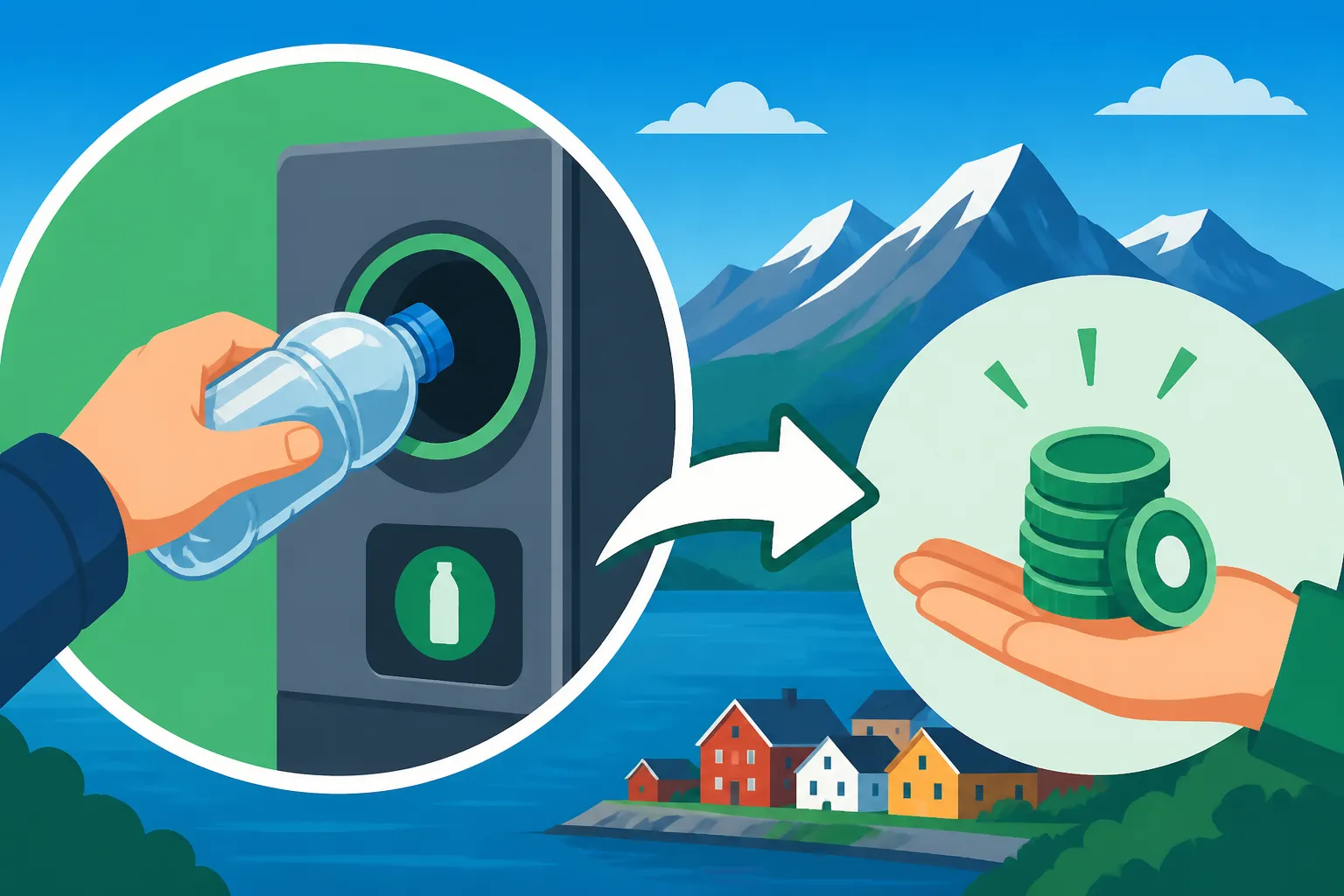
Panting System: How to Return Bottles for Cash in Norway
When you first move to Norway, navigating everyday things can feel like learning a whole new language, even if you speak Norwegian! One of the quirks that often stumps newcomers is the bottle return system – you've paid a small deposit, known as "pant," on your drink containers, and you're entitled to get that cash back. This guide is here to demystify the panting system, explain how it works, and help you get every single krone back you're owed.
What Exactly is "Pant"? Demystifying the Norwegian Bottle Deposit Scheme
Moving to Norway, you quickly learn that sustainability isn't just a buzzword; it's a way of life, deeply ingrained in the culture and daily routines. The "pant" system is a prime example of this commitment, and it’s a brilliant, straightforward way for everyone to contribute to a greener planet while getting a little cash back in their pocket. For many of us expats, understanding how to manage daily finances, especially with the higher cost of living, becomes crucial. Knowing about panting is just one small way to keep your budget in check, much like trying to figure out how to save money on groceries or finding affordable accommodation when you first arrive. You might be looking for your first place on sites like Spotahome and wondering how on earth you'll afford the deposit, and every little bit helps.
The Environmental Philosophy Behind Pant
Norway has one of the world's most successful recycling programs for plastic bottles and aluminum cans, achieving an incredible return rate, often exceeding 90%. This success isn't just accidental; it's built on a deeply held environmental philosophy and a robust, consumer-friendly system. The core idea behind pant is simple: by placing a small deposit on each bottle or can, consumers are incentivized to return them rather than throwing them away. This isn't just about saving energy or reducing litter; it's about fostering a sense of collective responsibility for the environment.
When you bring your empty bottles and cans back, they don't just get shredded; they're sorted, cleaned, and largely recycled into new bottles and cans – a truly circular economy in action. This significantly reduces the need for virgin plastics and aluminum, cutting down on carbon emissions and resource depletion. For Norwegians, it's not a chore; it's just how things are done. As an expat, understanding this underlying commitment helps you appreciate why certain systems exist and encourages you to participate fully. It's a small but tangible way to integrate into Norwegian values and contribute positively to your new home's ecological footprint.
Identifying What's Returnable and the Deposit Values
Okay, so you've bought a bottle of Solo or a can of Ringnes, and you see a strange symbol on it. That's the pant symbol! It's a distinctive icon, usually a small bottle or can with an arrow circling around it, sometimes accompanied by the word "PANT." This symbol is your golden ticket, indicating that the container is part of the deposit scheme and holds value. Without this specific symbol, the container is not typically returnable for cash through the panteautomat system, though it should still be recycled through regular plastic or metal waste.
The deposit values are pretty straightforward, though it’s good to know the specifics:
- 1.00 NOK: This is typically for smaller plastic bottles (under 0.5 liters) and most aluminum cans. Think your standard soda cans, small water bottles, or energy drink cans.
- 2.50 NOK: This is for larger plastic bottles (0.5 liters and above). This covers most family-sized soda bottles, larger juice bottles (if they have the pant symbol), and bigger water bottles.
It's important to note that most glass bottles for beverages in Norway (like beer or soda in glass) are not part of this cash pant system. They are usually collected separately for glass recycling in designated containers at recycling stations or sometimes in specialized bins at supermarkets. This can be a point of confusion for new arrivals who might be used to glass bottle deposits in other countries. Always look for that specific pant symbol on plastic and aluminum; if it's not there, you won't get money back from the machine.
Finding Your Pant Machine (Panteautomat) and the Return Process
Now that you know what to return, the next step is figuring out where to return it and how to use the machines. This might seem simple, but I remember my first few times, I felt a bit clumsy, trying to decipher the instructions and hoping I wasn't holding up a long line of seasoned pant-ers. Don't worry, once you've done it a couple of times, it becomes second nature. It's just another part of understanding the daily rhythms of Norwegian life, much like getting your BankID Explained Norway's Digital Identity System and Expat Challenges set up or figuring out the bus schedule.
Where to Find the Machines and How They Work
You'll be happy to know that panteautomater (bottle return machines) are incredibly widespread and convenient. You'll find them in almost every major supermarket across Norway. We're talking about your local Kiwi, Rema 1000, Meny, Coop Extra, Spar – essentially any larger grocery store will have at least one, if not several, machines near the entrance or exit. Sometimes they're tucked away in a corner, so don't be shy about looking around or asking a staff member "Hvor er panteautomaten?" (Where is the pant machine?).
Using the machine itself is usually quite intuitive, even if the instructions are in Norwegian. Here's a step-by-step breakdown:
- Gather Your Empties: Make sure your bottles and cans are relatively clean and, crucially, not too crushed. The machines rely on reading the barcode on the label and scanning the shape of the container. A heavily crumpled can or a bottle with a torn label might be rejected.
- Locate the Opening: The machine will have a clearly marked opening or slot. Simply insert one bottle or can at a time into this opening.
- Wait for the Scan: The machine will "grab" your item, spin it around, and scan it. You'll often see a digital display showing the pant value of the item as it's accepted (e.g., "1.00 kr" or "2.50 kr").
- Repeat: Continue feeding in your items one by one. The display will usually keep a running tally of your total pant value.
- Finish and Choose: Once you've inserted all your items, look for a button that says something like "Kvittering" (Receipt) or "Ferdig" (Finished). Press this button. The machine will then print out a receipt with your total pant value.
Troubleshooting common issues:
- "Feil vare" (Wrong item) or "Ikke godkjent" (Not approved): This means the machine didn't recognize the item. It could be a non-pant item, a damaged barcode, or an overly crushed container. Don't force it; just remove it.
- Machine is full: Sometimes, especially during busy periods like weekends or right after holidays, the machine's internal bins get full. You might see a sign "Full" or "Ute av drift" (Out of order). If this happens, you'll have to try another machine or come back later. It's frustrating, I know, but it happens.
- Damaged labels: Try to peel off any remaining bits of the label to see if the machine can get a partial scan. Sometimes rotating the bottle helps.
Redeeming Your Cash or Donating to Charity
Once your panteautomat receipt is in hand, you have a couple of choices for what to do with your hard-earned (or, well, hard-returned) cash. This flexibility is another thoughtful aspect of the Norwegian system, allowing you to either reclaim your money or direct it towards a good cause. Figuring out how to navigate these small financial transactions is part of the bigger picture of Banking in Norway How to Open an Account as a Foreigner and managing your money effectively.
Option 1: Cash at the Register / Deduct from Groceries
The most common way to redeem your pant is to take your receipt to the checkout counter when you pay for your groceries.
- If you're buying groceries: Present the receipt to the cashier. They will deduct the pant amount from your total bill. It's a satisfying feeling to see your grocery total shrink!
- If you're not buying anything: You can usually still go to a staffed register and ask for the cash equivalent. Simply hand the cashier your receipt and say, "Kan jeg få pengene for denne, takk?" (Can I have the money for this, please?). They'll often give you the cash directly. Note that self-checkout machines usually don't have the option to give cash back, but they almost always allow you to deduct the pant from your purchases.
Option 2: Donating to Charity
Many panteautomater offer a third, often very popular, option: donating your pant value to a charity. After you've inserted all your bottles and cans and pressed the "Ferdig" button, you'll usually see two choices: "Kvittering" (Receipt) or "Gi til veldedighet" (Give to charity) or a button with the specific charity's logo.
- Common Charity: The most frequently supported charity through the pant system is Røde Kors (Red Cross). By choosing this option, your pant money is directly donated, supporting their important work both in Norway and internationally.
- How it works: If you select the charity option, the machine will often print a small confirmation slip, or simply acknowledge the donation on screen. No need to go to the register – your good deed is done!
Choosing to donate is a wonderful way to contribute to Norwegian society, and it highlights the collective spirit that often underpins public initiatives here. It might feel like a small amount, but when millions of Norwegians donate their pant, it adds up to a substantial sum for charitable causes.
Common Expat Confusions and Pro-Tips for Maximizing Your Returns
Honestly, the pant system is mostly smooth sailing once you get the hang of it. But there are definitely a few curveballs that can catch new expats off guard. Rejected bottles and confused glances at the machine are common, and a few useful tricks can help. These aren't just about getting your money back; they're about understanding a small but significant part of Norwegian daily life. And let's be real, every little bit of savings counts when you're navigating the Cost of Living in Norway 2026 Budgeting for Singles and Families.
Why Some Bottles Don't Scan and What to Do
This is probably the most common frustration for anyone using a panteautomat. You've hauled your bag of empties to the store, full of anticipation, only for a few stubborn items to be repeatedly rejected. Here's why that happens and what you can do:
- No Pant Symbol: As mentioned, if it doesn't have the official pant symbol, the machine simply won't recognize it. This often applies to juice bottles, some flavored water bottles, or items from abroad that aren't part of the Norwegian system. If it's not a pant item, it belongs in your regular plastic recycling bin (if it's plastic) or metal recycling (if it's aluminum that isn't pant-eligible).
- Damaged Barcode: This is the primary culprit. The machine needs to scan a clean, flat barcode. If the label is ripped, wet, smudged, or heavily crumpled, the machine can't read it.
- What to do: Gently try to flatten the label. If it's wet, try to dry it a bit. Sometimes rotating the bottle slightly can help the scanner catch a readable part. If it's truly beyond recognition, you're out of luck for the pant value, but you should still recycle the container responsibly.
- Overly Crushed Container: While you might think crushing cans saves space, too much damage to the shape can prevent the machine from identifying it correctly. It also needs to retain enough rigidity for the internal mechanisms to handle it.
- What to do: Try to keep your cans and bottles relatively intact. A slightly dented can is usually fine, but a completely flat one might be rejected.
- Foreign Bottles/Cans: Items bought outside Norway, even if they look identical to Norwegian products, won't have the correct Norwegian barcode or pant symbol registration. The machine won't accept them.
- What to do: These should be recycled as general plastic or metal waste, not put into the panteautomat.
- Less Common Items: Some specialized containers, like certain dairy bottles or very thick plastic containers, might not be part of the pant scheme. Again, look for the symbol.
Don't let rejected items deter you from using the system! It's usually just a small percentage, and the environmental benefits and cash back for the accepted items are still well worth it. You'll quickly learn which items typically go through without a hitch.
Practical Strategies for Storing and Transporting Your Pant
When you're living in a Norwegian apartment, especially if it's a smaller one like many expats find when they first use services such as Spotahome or other rental platforms, space is often at a premium. Storing a growing collection of empty bottles and cans can quickly become a challenge, both aesthetically and hygienically. Here are some pro-tips for making pant storage and transport a breeze:
- Dedicated Bag or Bin: Invest in a designated bag or small bin specifically for pant. This prevents them from cluttering up your kitchen or hallway. Many Norwegians have a "pantepose" (pant bag) that they simply grab on their way to the shop. Look for foldable, reusable bags that take up minimal space when empty.
- Rinse Lightly (Optional but Recommended): While not strictly necessary, a quick rinse of particularly sticky or sugary bottles and cans can prevent unpleasant odors, especially if they're going to sit for a few days. This is especially true for milk cartons (which don't get panted, but are good to rinse for regular recycling) or juice bottles.
- Strategic Storage Locations:
- Balcony/Outdoor Space: If you have a balcony or any outdoor storage, this is ideal for keeping the smell out of your apartment. Just make sure they're protected from rain and snow.
- Utility Closet/Under Sink: For those without outdoor space, a utility closet or the space under your kitchen sink can work for a smaller collection.
- Don't forget to keep them visible enough that you remember to take them!
- Timing Your Returns: Make it a habit to bring your pant with you whenever you're heading to the supermarket for your regular grocery run. Don't make a special trip just for pant unless you have a truly massive collection. This saves time and makes it less of a chore.
- The "Pantevogn" (Pant Wagon): You'll often see Norwegians, especially families, with special shopping carts or wheeled bags specifically for their pant. If you have a large collection, or if you live a bit of a distance from the store, a "pantevogn" can be a game-changer for transport.
By implementing these small strategies, the pant system becomes a seamless part of your routine rather than a source of clutter or frustration. Plus, the accumulated cash back, though modest per item, genuinely adds up over time. It's a small but tangible way to save money and contribute to your overall budget, much like considering cost-effective options for staying connected, such as using an e-SIM from a provider like Airalo when traveling or setting up your initial phone plan. Every krone saved is a krone you don't have to earn! This also ties into understanding your overall Healthcare Budgeting The Frikort Exemption Card and User Fees, as every bit of financial awareness helps.
| Container Type | Pant Value | Where to Find | Key Identification |
|---|---|---|---|
| Small Plastic Bottle (<0.5L) | 1.00 NOK | Supermarkets | "PANT" symbol, barcode |
| Large Plastic Bottle (>=0.5L) | 2.50 NOK | Supermarkets | "PANT" symbol, barcode |
| Aluminum Can | 1.00 NOK | Supermarkets | "PANT" symbol, barcode |
| Glass Bottles (most) | No Pant | Glass recycling | No "PANT" symbol |
| Foreign Brands | No Pant | Regular recycling | No Norwegian barcode/symbol |
Remember, the pant system is a fantastic example of Norway's commitment to sustainability and a clever way to encourage good habits. It's a small piece of the puzzle, but understanding it helps you settle into your new Norwegian life, save a little cash, and feel like you're truly part of the community. Plus, who doesn't love getting a few kroner back at the checkout?
Disclaimer
The information provided in this guide is for general informational purposes only and is subject to change. While we strive to keep the content accurate and up-to-date, rules and regulations in Norway, especially concerning recycling schemes and values, can be modified by the relevant authorities. Always consult official sources, such as supermarket information boards or government websites, for the most current and specific details. We do not assume any liability for decisions made based on this information.