Home Nursing Services (Hjemmesykepleie): Eligibility and Costs
Navigating the Norwegian healthcare system is a marathon, not a sprint, and few things are as confusing as trying to arrange care within your own four walls. I remember the absolute panic I felt when a close friend was discharged from the hospital after a major surgery with a stack of papers and no idea how she was going to manage her medication and wound care alone in her third-floor walk-up. This guide breaks down exactly how home nursing services work in Norway, who qualifies, and what you can expect to pay.
What is Hjemmesykepleie? Understanding Home Nursing in Norway
In Norway, healthcare is decentralized, meaning your local municipality (kommune) is responsible for providing the care you need to live safely at home. This service is known as Hjemmesykepleie. It is not just a "nice to have" convenience; it is a formal medical service designed to prevent unnecessary hospital stays and ensure that residents—regardless of their age or nationality—can maintain their dignity and health in their own environment. It is vital to understand that this is a needs-based service, not a demand-based one.
Medical Care vs. Practical Assistance
One of the first hurdles expats face is the terminology. Hjemmesykepleie refers specifically to medical nursing care. This includes things like administering injections, managing complex medication regimes (often using a multidose system), wound care, and monitoring chronic conditions like diabetes or heart disease. Because it is medical, it falls under the healthcare umbrella and is governed by different rules than practical assistance.
On the other hand, you have Hjemmehjelp (or praktisk bistand). This is help with everyday tasks like cleaning, grocery shopping, or laundry. While they often come from the same municipal office, the eligibility and cost structures are completely different. If you are struggling with both medical and practical tasks, you will likely need to apply for both, but the nursing component is what we are focusing on here. You can learn more about how the broader system works in Public vs Private Healthcare in Norway: A Complete Guide.
The Municipal Responsibility
Every municipality in Norway, from the bustling streets of Oslo to the remote reaches of Finnmark, is legally required to provide home nursing. However, how they deliver that care can vary. Some municipalities have their own dedicated staff of nurses and health workers, while others may contract out the services to private providers. Even if a private company is knocking on your door, if they are sent by the municipality, they are part of the public Healthcare in Norway for Expats: How the System Works (2027) framework.
Who is Covered by the Scheme?
If you are a member of the National Insurance Scheme (Folketrygden), you are generally entitled to apply for these services. This usually applies to anyone who is a legal resident of Norway, holding a fødselsnummer and intending to stay for at least 12 months. If you are here on a shorter stay with a D-number, your rights can be a bit more complicated, though emergency medical needs are always addressed. For a deeper dive into who is in and who is out, check out Folketrygden Basics: Who is Covered by the National Insurance Scheme.
Eligibility Criteria: Who Qualifies for Municipal Home Care?
The most important thing to know is that eligibility for Hjemmesykepleie is based on a functional assessment. The municipality doesn't look at your diagnosis as much as they look at your "function level." Can you safely take your own medicine? Can you change your own bandages without a high risk of infection? If the answer is no, and there is no one else in the household who can reasonably perform these medical tasks, you are likely eligible.
Functional Assessment and the Beredskap Concept
When you apply, the municipality will send a coordinator (often from a department called Tildelingskontoret) to your home for an assessment. They aren't there to judge your decor; they are there to see how you move and interact with your environment. They look for what they call "medical necessity." If you are an expat living alone, this is the time to be very honest about your struggles. Norwegians have a cultural tendency toward dugnad and self-reliance, but downplaying your needs during an assessment can lead to a rejection.
They also consider beredskap—your readiness and safety. If you are at risk of falling while trying to manage your medical needs, that weight heavily in your favor. If your situation is temporary, such as recovering from a surgery, you might only be granted services for a few weeks. If you have a chronic condition, the service may be ongoing with periodic reviews.
D-Number vs. Fødselsnummer Implications
Having a fødselsnummer makes the process significantly smoother because you are already fully integrated into The Fastlege Scheme: Navigating Norway’s GP System. However, if you are a D-number holder, perhaps here on a shorter contract or still waiting for your residence permit to be processed, you still have a right to "necessary healthcare."
In these transitional periods, many expats find peace of mind by maintaining private coverage through providers like SafetyWing or Cigna Global. These can be lifesavers if there is a dispute about your municipal eligibility or if you need care that exceeds what the municipality deems "necessary." For more on this, see Healthcare Rights for D-Number Holders: Exclusions and Alternatives.
Long-term vs. Short-term Needs
The system is designed to be flexible. Short-term home nursing is common after hospital discharges. In these cases, the hospital social worker usually coordinates with the municipality before you even leave the ward. Long-term care is more complex and often involves a collaboration between your The Fastlege Scheme: Navigating Norway’s GP System and the municipal health team. If your needs are purely for a short recovery, the "bar" for eligibility is often lower than for permanent, daily nursing visits.
The Application Process: Navigating the Tildelingskontoret
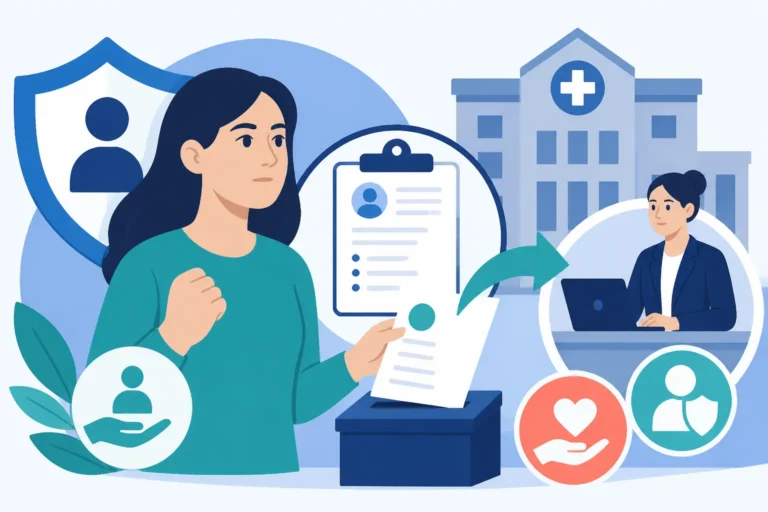
The "Tildelingskontoret" (the Allocation Office) is the gatekeeper of municipal services. Applying for home nursing can feel like a mountain of paperwork, but it is a structured process. You can usually find the application form on your municipality’s website—look for terms like Søknad om helse- og omsorgstjenester.
Step-by-Step Application
- Identify the Need: You, your next of kin, or your doctor can initiate the process.
- Submit the Form: Most municipalities now allow you to do this digitally if you have BankID Explained: Norway's Digital Identity System and Expat Challenges.
- The Home Visit: A representative will visit you to conduct the functional assessment mentioned earlier.
- The Decision (Enkeltvedtak): You will receive a formal letter in the mail (or via your digital mailbox like Digipost) detailing whether you have been granted care, what tasks will be performed, and how often the nurses will visit.
If your Norwegian is still a work in progress, do not hesitate to ask for help. You have a legal right to understand the process. You can even request Medical Interpreters in Norway: How to Request One for Free for the assessment visit.
The Role of Your Fastlege
Your GP (Fastlege) is your biggest advocate in this process. While the municipality makes the final decision, a strong recommendation from your doctor detailing your medical requirements is almost always required. They provide the clinical evidence that proves your need for nursing care is "necessary." If you haven't managed to secure a regular doctor yet, you might find How to Register for a Fastlege (GP) on Helsenorge helpful for getting that foundational piece of the puzzle in place.
Handling a Rejection or Appeal
If your application is rejected, do not lose heart—it happens quite often, especially if the municipality feels your needs can be met in other ways. You have the right to appeal the decision (klage). The deadline is usually four weeks from the day you received the decision. In your appeal, be specific about why the current decision puts your health at risk. This is another area where having international insurance like Cigna Global can provide a safety net, allowing you to hire private nursing care while you fight the municipal bureaucracy.
The Costs: Is Home Nursing Really Free?
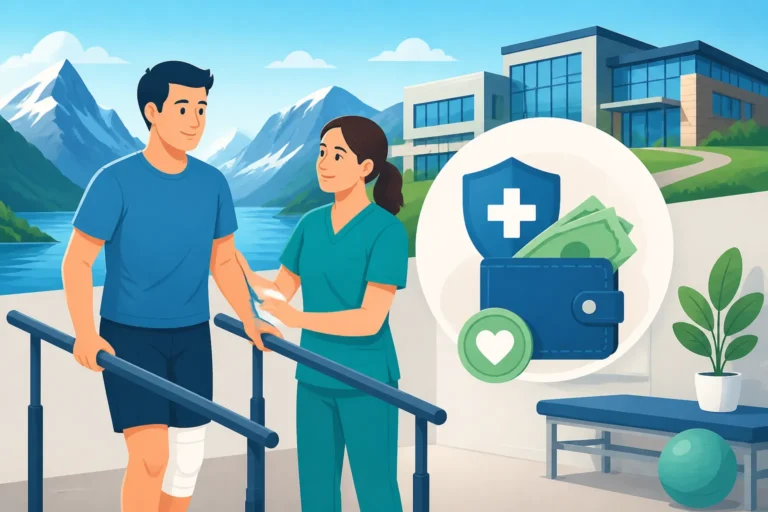
Here is the good news: in Norway, medical home nursing (Hjemmesykepleie) is free of charge. This is a fundamental principle of the Norwegian welfare state. If a nurse comes to your home to change a dressing, administer medication, or help you manage a catheter, you will not receive a bill for that time.
User Fees for Medical vs. Practical Help
While the nursing part is free, the practical assistance (Hjemmehjelp) is not. If the same person who gives you your insulin also stays to vacuum your floor or help you wash your hair, the municipality will distinguish between those tasks. The practical help component is subject to a "user fee" (egenandel).
Income-Based Pricing for Practical Help
The cost for practical assistance is strictly regulated and based on your household's total income. If you have a low income, the hourly rate is very small, often capped at a monthly maximum. If you are a high-earner, you will pay a higher hourly rate, but even then, it is generally subsidized compared to private cleaning services.
| Household Income (G = National Insurance Base Amount) | Estimated Cost Type | Monthly Cap (approx.) |
|---|---|---|
| Under 2G (approx. 248,000 NOK) | Minimum Rate | ~220 NOK |
| 2G to 3G | Moderate Rate | Variable by Kommune |
| 3G to 4G | Higher Rate | Variable by Kommune |
| Over 5G | Maximum Rate | Variable by Kommune |
Note: 1G is adjusted annually by the Norwegian government. These figures are based on 2025/2026 estimates.
Comparing Public and Private Alternatives
Sometimes, the municipal service isn't enough, or the timing of their visits (which they decide) doesn't fit your life. This is where private nursing comes in. Private providers allow you to choose exactly when someone arrives and for how long. This is an out-of-pocket expense, though it can sometimes be covered by premium international health plans like Cigna Global or specialized travel/expat packages from SafetyWing. If you prefer more control over your care and have the budget or insurance for it, the private route can be much less stressful than waiting for the municipal "triage" to decide your schedule.
For many, the goal is to reach the Healthcare Budgeting: The Frikort Exemption Card and User Fees limit quickly, but remember that Hjemmesykepleie itself doesn't count toward your Frikort because it is already free. However, the medications the nurses administer and the visits to your Fastlege to manage your home care plan definitely do.
Practical Considerations for Expats
Living in Norway as an expat means dealing with more than just the medical side of things; there’s a cultural layer to home nursing that can be surprising. For example, Norwegian home nurses have a lot of autonomy. They aren't there to be "servants"; they are medical professionals who are often working under tight schedules.
Language Barriers and Cultural Differences
Most nurses in Norway speak excellent English, but the documentation and the "Enkeltvedtak" (the decision letter) will be in Norwegian. Using the Navigating the Helsenorge App in English: A Step-by-Step Translation guide can help you keep track of your appointments and communication with the health team. Culturally, Norwegians value punctuality and directness. If you aren't ready when they arrive, they may have to leave to stay on schedule for their next patient.
Privacy and Home Access
If you are granted home nursing, the municipality will often require a way to enter your home if you cannot get to the door. This usually involves installing a "key box" or an electronic lock (like a Yale Doorman) that the nursing team can access with a digital code. For many expats, this feels like an invasion of privacy, but it is a standard safety protocol in Norway to ensure they can reach you in an emergency.
If you find yourself needing support for things that fall outside the strictly medical, such as mental health support during a lonely recovery, you might want to look into Mental Health in Norway: Accessing Therapy and Psychiatric Care. The home nursing team is focused on the physical, but they can often help you get the referrals you need for holistic care.
Important Disclaimer
The information provided in this guide is for educational and informational purposes only and does not constitute professional medical or legal advice. While every effort has been made to ensure the accuracy of these details regarding the Norwegian healthcare system, regulations and costs can change. Always consult with your local municipality (kommune), your Fastlege, or a qualified legal advisor regarding your specific situation and eligibility for services. Use of insurance providers like SafetyWing or Cigna Global should be based on your individual needs and policy terms.