Palliative Care and Hospice Options in the Norwegian Health System
Facing a serious diagnosis is overwhelming enough, but navigating end-of-life care in a foreign language and an unfamiliar system adds a layer of stress most are unprepared for. I remember the sheer confusion a friend felt when trying to coordinate care for her terminally ill husband in Oslo; the bureaucracy felt like a wall. This guide explains how palliative care and hospice options work in Norway to help you find peace and professional support.
Understanding the Philosophy of Palliative Care in Norway
In the Norwegian health system, palliative care is known as lindrende behandling. The core philosophy isn't just about the final days of life; it’s about improving the quality of life for patients and families facing life-threatening illness. This approach is integrated early in the treatment process, often alongside curative treatments. If you are an expat, understanding this distinction is vital. You aren't "giving up" by asking for palliative resources; you are accessing a specialized layer of support designed to manage pain, symptoms, and psychological distress.
The system is tiered into different levels of complexity. For many, this starts with their local primary care team. However, as needs become more complex, specialized palliative units within hospitals or dedicated hospice facilities become involved. Because the Norwegian system is heavily decentralized, the type of care you receive often depends on your municipality (kommune). While the standards are high across the country, a large city like Oslo or Bergen will have more dedicated hospice beds than a remote village in Finnmark. To get a better sense of the broader medical landscape, you might want to read about Healthcare in Norway for Expats: How the System Works (2027) to understand the foundational structure of the state-run system.
For expats, the cultural approach to death and dying in Norway can feel quite direct. Norwegian doctors tend to be very honest about prognoses. While this can feel blunt if you come from a culture where such topics are cushioned, it allows for practical planning. This transparency is a cornerstone of Long-Term Care and Preventive Health in the Norwegian System, ensuring that patients have the autonomy to make decisions about their care while they are still able to do so.
The Role of the Fastlege and the Palliative Team
Your gateway to all palliative services is your General Practitioner, or Fastlege. They are the "hub" of your medical wheel. If you or a loved one is diagnosed with a chronic, life-limiting condition, the Fastlege is responsible for coordinating with the Palliativt team (the specialized palliative team). This team usually consists of doctors, nurses, physiotherapists, and social workers who specialize in end-of-life care.
When the symptoms become difficult to manage at home, the Fastlege will initiate a referral. It is important to stay proactive here. Because the system relies on referrals, you must communicate clearly with The Fastlege Scheme: Navigating Norway’s GP System about the level of pain or distress being experienced. Do not wait for the doctor to suggest palliative care; if you feel the burden of the illness is becoming too great, bring it up yourself. The palliative team can provide "ambulatory" services, meaning they come to your home to consult with you and your local nurses, even if you aren't staying in a hospital.
In many cases, the municipality will also assign a "kreftkoordinator" (cancer coordinator), even if the illness isn't cancer. This person is a godsend for expats. They act as a liaison between the hospital, the home nursing services, and the family. They help navigate the paperwork and ensure that equipment, like hospital beds or oxygen concentrators, is delivered to your home promptly.
Hospice Care vs. Hospital Palliative Units
One of the biggest surprises for foreigners is that traditional "hospices" as seen in the US or UK are relatively rare in Norway. Instead, most specialized end-of-life care happens in a "palliativ enhet" (palliative unit) within a hospital or a dedicated section of a nursing home (sykehjem). However, there are a few iconic hospice institutions, such as Lukas Hospice in Malvik or Lovisenberg diakonale sykehus in Oslo, which offer a more home-like environment.
| Feature | Palliative Unit (Hospital) | Hospice (Dedicated Facility) | Nursing Home (Sykehjem) |
|---|---|---|---|
| Focus | Symptom stabilization and complex medical needs | Holistic end-of-life care and family support | Long-term care with palliative capabilities |
| Duration | Usually short-term (1-2 weeks) | Until the end of life or stabilization | Permanent residency |
| Environment | Clinical but private | Warm, home-like, quiet | Residential, varying levels of privacy |
| Staffing | High-intensity medical staff | Specialized palliative nurses and doctors | General nursing staff with palliative training |
Choosing between these options often depends on the complexity of the patient's symptoms. If pain management requires intravenous medication that needs constant adjustment, the specialized units within Norwegian Hospitals: Inpatient Care, Outpatient Care, and Patient Choice are the safest bet. If the goal is a peaceful, non-clinical environment for the final weeks, a hospice or a high-quality nursing home wing is preferred.
Home-Based Palliative Care: The Norwegian Preference
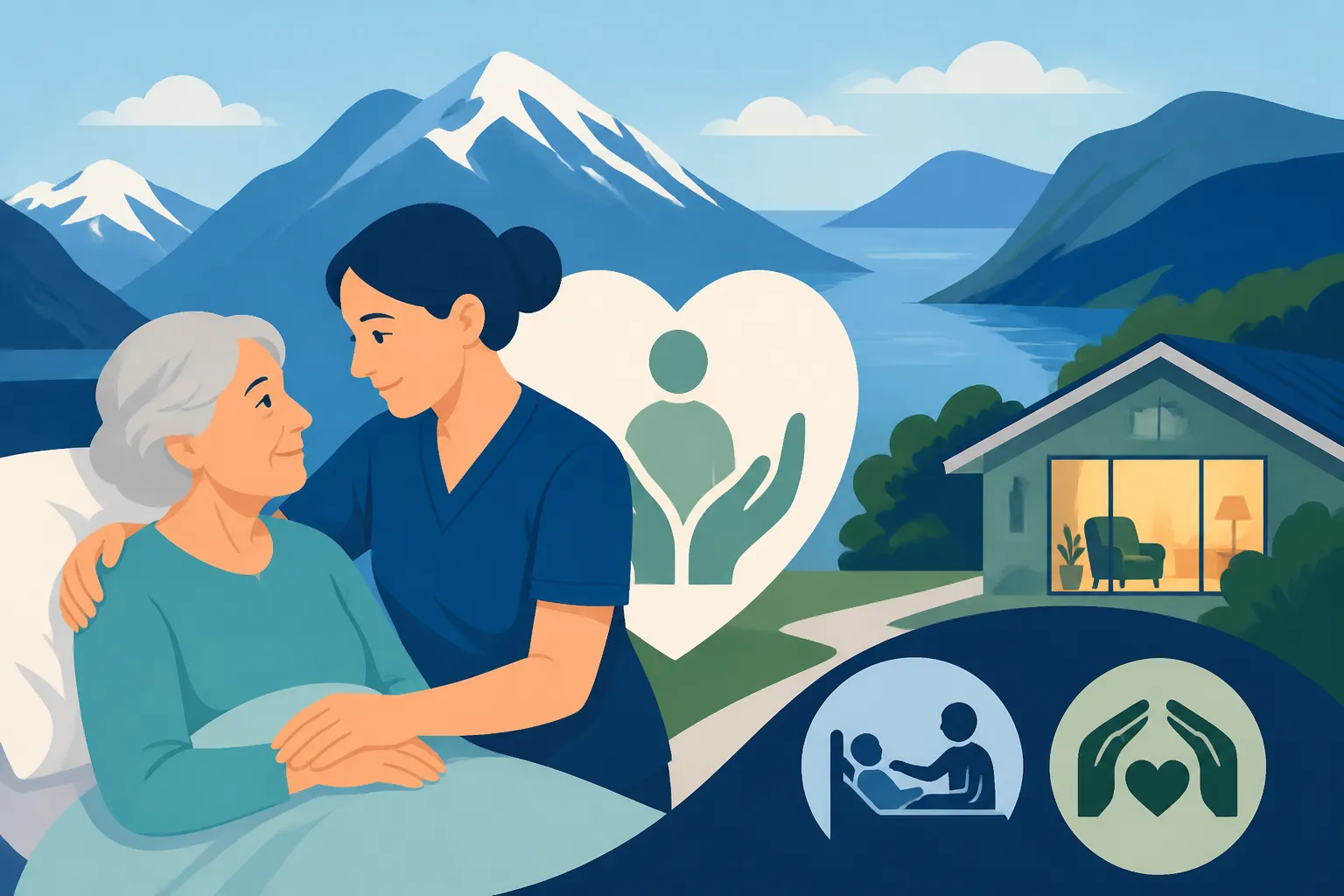
Norwegians have a strong cultural preference for dying at home (hjemmedød). The state supports this through an extensive network of home nursing services. If you choose this path, the "Hjemmesykepleie" (home nursing) will visit several times a day—or even provide 24-hour care if necessary. They handle medication administration, wound care, and personal hygiene.
To make home care viable, you must be registered correctly with the National Registry. The costs are generally covered by the state, provided you meet the residency requirements. You can learn more about this in Folketrygden Basics: Who is Covered by the National Insurance Scheme. For the family, the municipality can also provide "avlastning" (respite care), where the patient stays in a facility for a few days to give the primary caregivers a break.
Living through this process as an expat is exhausting. Families often struggle because they didn't realize they could ask for more help. In Norway, you often have to be the "squeaky wheel." If the home nursing visits aren't frequent enough, or if you need more equipment, you must contact the "bestillerkontor" (the municipal office that allocates services) and advocate for your needs.
Financial Considerations and User Fees
One of the few reliefs in the Norwegian system is that palliative care is largely free of charge once it is classified as end-of-life care. While you usually pay "egenandel" (user fees) for doctor visits and some medications throughout the year, these are capped. Once you reach the annual limit, you receive a "frikort," and subsequent treatments are free. For more details on these caps, see Healthcare Budgeting: The Frikort Exemption Card and User Fees.
When a patient is in the "terminal phase," even the standard user fees are often waived for home nursing and hospital stays. Medications for symptom relief at this stage are usually covered under "blå resept" (blue prescriptions) or specialized terminal care funding. This ensures that no one is denied a peaceful death due to financial constraints.
However, there are gaps. If you are an expat who is not yet a member of the National Insurance Scheme—perhaps you are on a short-term contract or a specific visa—you might face significant costs. This is where private international health insurance becomes crucial. Providers like Cigna Global can offer coverage that includes private palliative suites or repatriation services that the public system does not prioritize. Similarly, for those who find themselves in an emergency situation before their residency is finalized, SafetyWing provides a safety net that can cover acute medical needs before transitioning into the long-term public system.
Psychological Support for Families and Children
Norway places a heavy emphasis on the "pårørende" (next of kin). The law actually mandates that healthcare providers look after the children of ill parents. If you have children, the hospital or palliative team will assign a "barneansvarlig" (child coordinator) to help explain the situation to them in an age-appropriate way and ensure they have access to counseling.
For adults, the emotional toll is immense. The public system offers support, but there can be waiting lists. It is often helpful to seek out Mental Health in Norway: Accessing Therapy and Psychiatric Care early in the process. Many hospices and palliative units also have "samtalepartner" (conversation partners), who may be priests, humanists, or counselors available to talk through the existential and emotional weight of the situation.
If you find that the public psychological support is too slow, private insurance like Cigna Global often includes mental health provisions that allow you to skip the queues and see an English-speaking therapist immediately. SafetyWing can also be a vital resource for visiting family members who may need medical or psychological support while they are in Norway to say goodbye.
Legal Aspects: Advance Directives and Wills
In Norway, the concept of a "living will" or advance directive is recognized but not always as formal as in other countries. You should document your wishes regarding life-prolonging treatment (like respirators or feeding tubes) in your medical record. You can do this through a dialogue with your Fastlege, who will then upload the notes to Helsenorge, the national health portal.
For expats, this is particularly important because your "next of kin" might be located abroad. You should formally register who your "pårørende" is in the Norwegian system to ensure they are the ones consulted if you cannot speak for yourself. Without this, the doctors will make decisions based on what they deem to be in your best interest, which might not align with your personal or cultural values.
While the medical side is handled by the state, the legal side of your estate is your responsibility. Norway has specific laws regarding inheritance that can be quite different from your home country. It is wise to have a local will if you own property in Norway, even if you are receiving Public vs Private Healthcare in Norway: A Complete Guide.
Practical Tips for the Final Days
When the final days approach, the focus shifts entirely to comfort. In a Norwegian hospital or hospice, the staff will usually allow 24-hour visiting rights for the closest family. They often have "pårørenderom" (family rooms) where you can sleep, shower, and eat.
If you are caring for someone at home, ensure you have the direct number for the "Legevakt" (emergency clinic) and the home nursing team’s evening shift. You should also have a "comfort kit" of medications (usually in the form of a small lockbox) provided by the palliative team, which contains medicine for pain, anxiety, and breathlessness that can be administered immediately if a crisis occurs.
Lastly, don't forget the practicalities of the "Hjemmesykepleie". They are there to help, but they are often stretched thin. For many expats, hiring additional private help or utilizing the services of volunteer organizations like Fransiskushjelpen can provide the extra layer of presence needed during the long night hours. This is especially relevant when navigating Home Nursing Services (Hjemmesykepleie): Eligibility and Costs, as the public service is focused on medical tasks rather than constant companionship.
Disclaimer
This article is for informational purposes only and does not constitute medical or legal advice. Healthcare regulations and the availability of specific palliative services in Norway may change. Always consult with the Norwegian Health Directorate (Helsedirektoratet), your Fastlege, or a qualified legal professional regarding your specific situation and rights within the Norwegian health system.