What to Do if You Need a Doctor but Don’t Have BankID
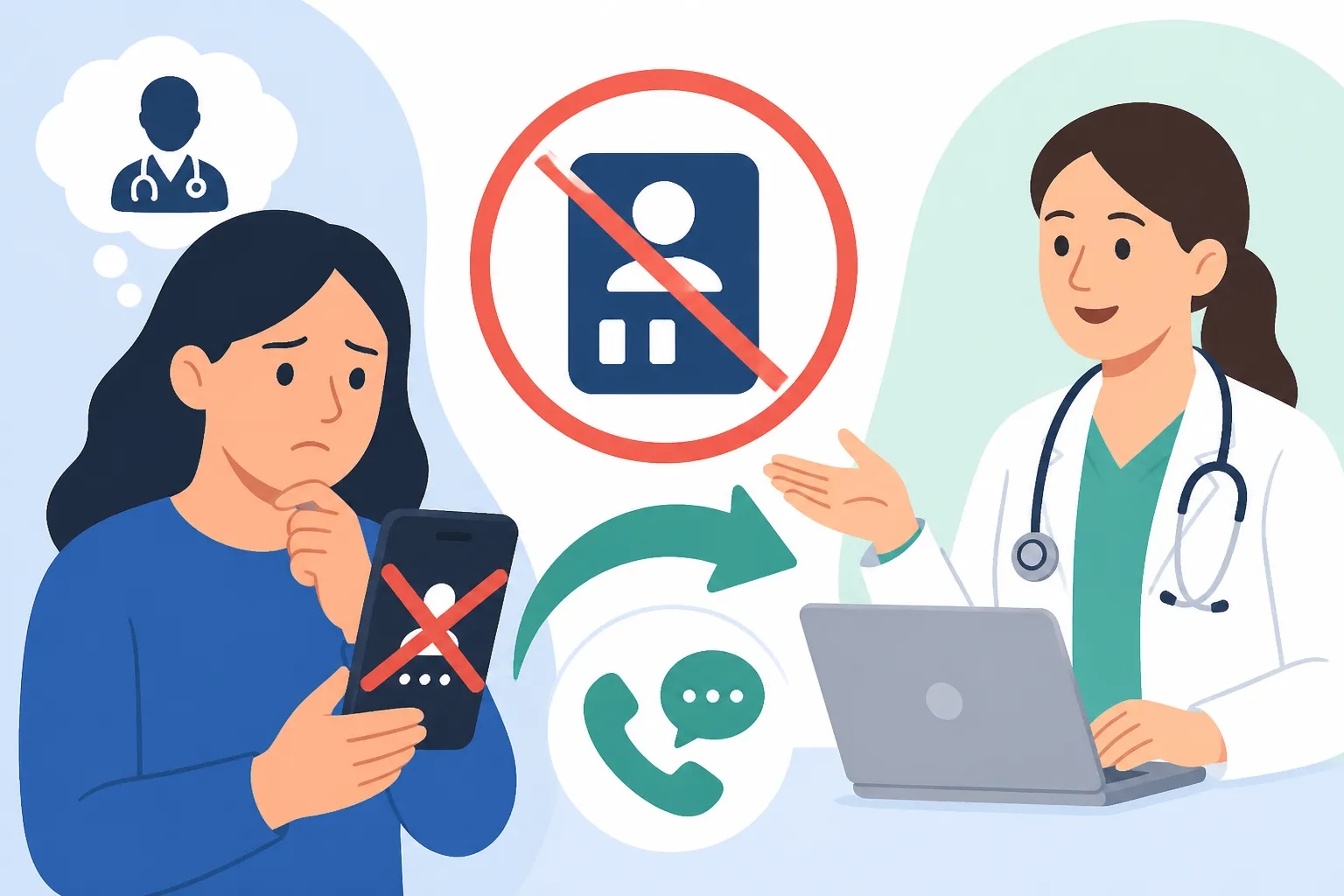
Trying to see a doctor in Norway without BankID is like trying to enter a locked building when everyone else has the key code. I remember standing at a reception desk in Oslo, feeling completely invisible because I couldn't log into the Helsenorge app that the receptionist kept pointing to. This guide solves the specific challenge of navigating the Norwegian medical system manually when you are still waiting for your digital identity.
The BankID Bottleneck: Why it Feels Impossible
For those of us who have moved to Norway recently, the dependency on digital tools is staggering. BankID is the backbone of Norwegian society, acting as your digital passport, signature, and login for every essential service. When it comes to healthcare, the Helsenorge portal is the central hub where Norwegians book appointments, message their doctors, and check their prescriptions. If you lack BankID, you are effectively locked out of this portal, which can lead to a sense of panic when you suddenly fall ill.
The reality is that BankID is usually tied to having a full national identity number (fødselsnummer) and a local bank account. If you are here on a D-number, or if you are an expat in your first few months, you are likely in a "digital limbo." You exist in the system, but you cannot "see" your own data or interact with it through the standard apps. Validating this frustration is important: the system is designed for the 98% who are fully digitized, not the 2% of us still carrying paper documents and passports.
However, the Norwegian healthcare system is built on the principle of universal access. The lack of a digital login does not mean you are denied care; it simply means you have to use the "manual" pathways that most locals have forgotten even exist. Understanding the Healthcare Rights for D-Number Holders: Exclusions and Alternatives is the first step in realizing that you are still covered by the law, even if you are not yet covered by the app.
The Primary Route: Using the Phone Instead of the App
While Norwegians love their apps, every single medical clinic in the country still has a telephone. This is your primary weapon. If you have been assigned a GP through The Fastlege Scheme: Navigating Norway’s GP System, you can simply call their office directly. You do not need BankID to speak to a medical secretary.
When you call, you will often encounter an automated menu in Norwegian. Usually, pressing "1" is for urgent appointments that day, and "2" is for general inquiries. If you don't speak the language yet, don't worry—almost all medical secretaries speak excellent English. Simply explain that you are a registered patient but do not yet have BankID to book online. They will manually enter your appointment into the system.
If you haven't been assigned a doctor yet because your residency is still being processed, you can still access care. This is where private options become a lifesaver. Companies like SafetyWing are particularly useful for those in this transition phase, as they provide the financial safety net needed to use private clinics without worrying about the high out-of-pocket costs. Private clinics like Volvat or Dr.Dropin allow you to book via their own websites using just a phone number or by calling them, bypassing the national BankID requirement entirely.
Accessing Urgent Care via Legevakten
If it is after 4:00 PM or during the weekend, your GP’s office will be closed. In this scenario, you need to use the Legevakten (116 117): When and How to Use the Out-of-Hours Service. This is the municipal emergency clinic system.
To use the Legevakten without BankID, you should:
- Call 116 117 first: Never just show up. When you call, the nurse will triage your symptoms over the phone.
- Provide your ID: Tell them your D-number or fødselsnummer if you have one. If you have neither, give them your date of birth and passport name.
- Bring Physical ID: Since you cannot show a digital ID or a bank card with a photo, you must bring your physical passport to the clinic.
The Legevakten operates on a "triage" basis, meaning the sickest people are seen first. Without BankID, you won't be able to see the estimated waiting times on the Helsenorge dashboard, so be prepared for a wait. For expats who want to avoid the long queues of the public emergency rooms, having a plan through Cigna Global can allow you to seek care at private urgent care centers that offer more predictable schedules and premium facilities.
Managing Prescriptions and Lab Results Manually
One of the biggest hurdles without BankID is managing "E-resept" (electronic prescriptions). In Norway, doctors do not give you a piece of paper; they "send" the prescription to a national database. Normally, you check this on Helsenorge to see what is ready to pick up.
Without BankID, you can still get your medicine. When the doctor says they have sent the prescription, it is tied to your ID number. Simply go to any pharmacy (Apotek 1, Vitusapotek, etc.) and hand over your passport. The pharmacist will search the national database using your ID number and see the prescription. You can also read more about the difference between Pharmacies and Prescriptions in Norway: White vs Blue Slips to understand why some medications are more expensive than others.
For lab results, such as blood tests or biopsies, the process is slightly more tedious. While a person with BankID gets a notification on their phone, you will need to call your GP's office about 3 to 5 days after the test. You must ask the secretary to read the results to you or request that they mail a physical copy to your registered address.
Comparison of Healthcare Access Methods
| Feature | With BankID | Without BankID (Manual) |
|---|---|---|
| Booking GP | Online via Helsenorge/App | Phone call to the clinic secretary |
| Prescriptions | View list online | Present passport at any pharmacy |
| Lab Results | Digital notification/PDF | Call GP office or receive by post |
| Change GP | Instant online switch | Call Helfo at 23 32 70 00 |
| Specialist Referral | Track status in app | Wait for physical letter in the mail |
| User Fees | Automatic tracking (Frikort) | Save paper receipts for manual claim |
Private Healthcare as a Strategic Shortcut
For many expats, the "manual" public system feels slow and cumbersome. This is why private healthcare is a popular choice for those still waiting for their digital credentials. Private clinics do not care if you have BankID; they care if you have a valid ID and a way to pay.
If you are using SafetyWing, you can often visit a private clinic like Dr.Dropin, pay the fee, and then submit your receipt for reimbursement. This bypasses the need to be "in the system" at all. Similarly, Cigna Global offers comprehensive plans that allow you to skip the public waiting lists entirely. If you need to see a specialist—for example, a dermatologist or a cardiologist—the public system requires a referral from a GP, which can take weeks. In the private system, you can often book yourself directly, which is a massive relief when you are struggling with a health issue in a new country.
When visiting a private clinic without BankID:
- Booking: Use their proprietary booking site (many use SMS verification instead of BankID) or call.
- Payment: You will pay at the clinic. Be aware of User Fees (Egenandel) for Doctor Visits Before Reaching Frikort Status. In the public system, these are capped, but in the private system, you pay the full market rate.
- Documentation: Always ask for a medical report and an itemized receipt in English if you plan to claim it through your international insurance.
Navigating Specialists and Referrals
If your condition requires more than a GP visit, you will need a specialist referral. In the digital world, this is a smooth transition where the referral is sent electronically. For you, it means waiting for the postman.
When a GP refers you, the hospital or specialist will send a physical letter to the address you have registered with the National Registry (Folkeregisteret). It is vital that your name is clearly marked on your mailbox, or the letter will be returned, and you will miss your appointment. This is one of the most common reasons expats miss out on care. You can find more about how this works in our guide on Specialist Referrals in Norway: How the Waiting Times Work.
If you are in a major city, you might want to look specifically for Finding English-Speaking Doctors and Specialists in Oslo. These clinics are highly accustomed to dealing with foreigners who are "digitally disconnected" and will often go the extra mile to ensure you get your appointment details via phone or email rather than relying solely on the post.
Financial Protection: Cigna Global and SafetyWing
Living in Norway without BankID often means you are also in the gap regarding the Healthcare Budgeting: The Frikort Exemption Card and User Fees. While the government tracks your spending automatically if you have BankID, doing it manually is a headache. You have to keep every paper receipt and eventually mail them to Helfo to get your money back once you hit the spending limit.
This is where having private insurance from Cigna Global or SafetyWing changes the game.
- SafetyWing is perfect for the "nomad" phase—the first few months when you aren't sure if you're staying or when your paperwork is stuck in a UDI backlog. It covers emergencies and unexpected illnesses without requiring you to be part of the Norwegian National Insurance Scheme yet.
- Cigna Global is the "gold standard" for long-term expats. If you have a chronic condition or want the peace of mind that comes with private hospital rooms and global coverage, they provide a level of service that doesn't depend on whether the Norwegian Helsenorge app is working for you. Mentioning Cigna Global to a private clinic in Norway usually opens doors much faster than explaining your missing BankID.
Temporary ID Alternatives: MinID
If you have a D-number but cannot get BankID yet (perhaps because your bank is being slow), you can often apply for MinID. MinID is a lower-level security clearance that does not require a bank's approval. While it doesn't allow you to see your full health records or sign sensitive documents, it can sometimes allow limited access to certain public portals.
However, for most medical needs, MinID is not enough for Helsenorge. Therefore, don't waste too much time trying to make MinID work for health issues. Stick to the phone and physical ID method. It is a bit "old school," but it is the only guaranteed way to get a doctor to see you when you are digitally locked out.
Always remember: if your situation is life-threatening, the lack of BankID, a D-number, or even a passport is irrelevant. In a true emergency, call 113 immediately. Paramedics and hospitals are required to treat you regardless of your administrative status. You can learn more about this in Emergency Medical Care in Norway: 113, Legevakten, and Hospitals.
Important Disclaimer
The information provided in this guide is for informational purposes only and does not constitute legal or medical advice. Healthcare regulations and digital systems in Norway, including BankID requirements and Helsenorge functionality, are subject to change by the Norwegian authorities. Always consult with a qualified medical professional or contact the Norwegian health authorities (Helfo/Helsenorge) directly for the most up-to-date information regarding your specific situation. Private insurance coverage from providers like Cigna Global and SafetyWing is subject to individual policy terms and conditions.