White Prescriptions (Hvit Resept): Paying Out-of-Pocket for Medicine
Standing at the pharmacy counter in Norway only to be told your prescription will cost 1,500 NOK instead of the expected nominal fee is a rite of passage for many expats. I remember my first winter in Oslo, clutching a "white" slip for a simple infection and feeling the sudden sting of the full market price. This guide clarifies exactly why some medications fall under the White Prescription (Hvit Resept) category, what you can expect to pay, and how to navigate the financial side of Norwegian healthcare without the sticker shock.
Understanding the Difference Between White and Blue Prescriptions
In the world of Norwegian healthcare, not all scripts are created equal. The system categorizes medications based on the duration of the illness and the necessity of the drug for long-term survival. When you receive a prescription from your Fastlege (GP), it will be classified as either blue or white. Understanding this distinction is the first step in mastering Healthcare in Norway for Expats: How the System Works (2027).
What Exactly is a White Prescription
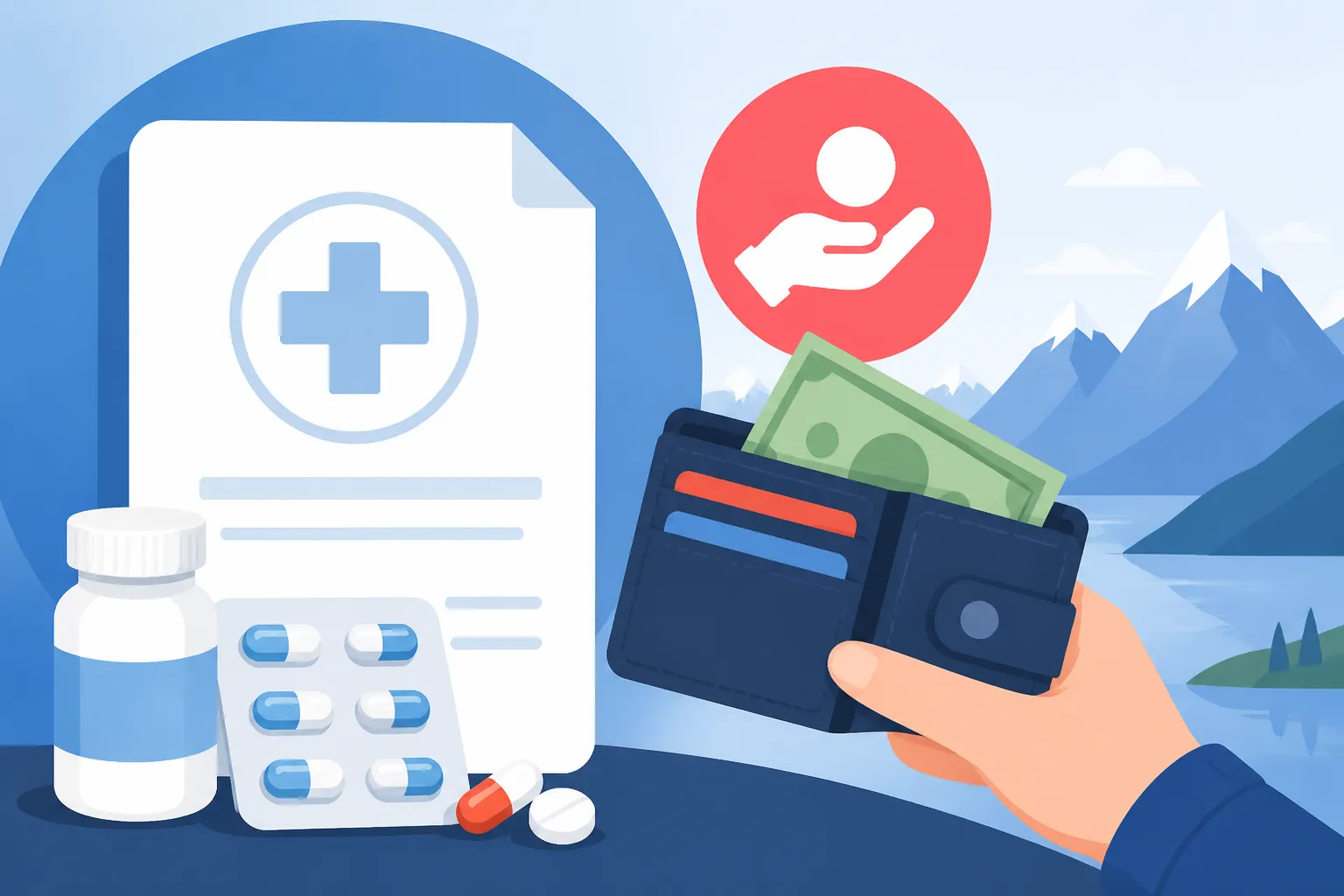
A White Prescription, or hvit resept, is essentially a standard prescription where the patient is responsible for the full cost of the medication. Unlike the subsidized system, the government does not step in to cover a portion of the price. These are typically issued for short-term illnesses, acute conditions, or medications that the Norwegian Medicines Agency (Direktoratet for medisinske produkter) has not approved for public subsidy.
When I first moved here, I assumed that being part of the National Insurance Scheme meant all my doctor-ordered meds would be cheap. That is a common misconception. A white prescription is the "default" for many medications. Even if the drug is life-saving in the short term—like a high-dose antibiotic—it remains white because the condition is not considered chronic. The term "white" actually refers to the historical color of the paper slips, though today, almost everything is handled digitally through the e-resept system.
Comparing White vs Blue Resept
The primary difference lies in who picks up the tab. For a Blue Prescriptions (Blå Resept): Subsidized Medication for Chronic Illness, the patient pays a small "user fee" (egenandel), and the state covers the rest. This is reserved for chronic conditions expected to last at least three months out of the year. White prescriptions, on the other hand, have no such subsidy. You pay the market price determined by the pharmacy and the "trinnpris" (stepped price) system.
Another key difference is the impact on your annual spending cap. While blue prescription fees count toward your Healthcare Budgeting: The Frikort Exemption Card and User Fees, white prescription costs generally do not. This means you could spend thousands of kroner on white prescriptions and still be nowhere closer to receiving your free healthcare card for the year. It is a frustrating reality that often catches newcomers off guard, especially those dealing with recurring but "non-chronic" issues.
Who Qualifies for Each
Qualification isn't about your status as a resident but rather the nature of the diagnosis. Every person with a Fødselsnummer or D-number is eligible for both types of prescriptions, provided they are members of the Folketrygden Basics: Who is Covered by the National Insurance Scheme. However, the criteria for "blue" status are very strict. Your doctor must link the medication to a specific "reimbursement code" (paragraf) in the regulations.
If your condition doesn't meet the "severity" or "duration" threshold set by the state, the doctor is legally obligated to issue a white prescription. I’ve had many conversations with doctors where they sympathized with the cost but explained that their hands were tied by the Helfo regulations. It isn’t the doctor being difficult; it is a rigid national system designed to prioritize long-term chronic care over short-term acute needs.
When You Have to Pay Out-of-Pocket
Knowing when you’ll be reaching for your wallet is half the battle. There are specific scenarios where a white prescription is almost guaranteed. If you are a digital nomad or a frequent traveler not yet fully integrated into the local system, having a plan like SafetyWing can be a lifesaver for these unexpected out-of-pocket costs, as they often bridge the gap for those who haven't yet secured full coverage under the Norwegian state.
Short-Term Illness and Acute Care
If you come down with a sudden throat infection, a one-off bout of the flu, or an acute injury requiring painkillers, you will almost certainly receive a white prescription. The logic here is that these are "one-time" costs that a resident should be able to absorb. For example, a standard course of Apocillin (a common Norwegian antibiotic) will usually be on a white resept.
These costs can vary. While some antibiotics are relatively cheap (under 200 NOK), specialized acute treatments can climb higher. It is important to remember that even if you are an EU citizen using an EHIC card, you are still treated under the same rules as Norwegians. This means you pay the same market prices for white prescriptions as we do. You can find more about this in our guide on Healthcare Rights for D-Number Holders: Exclusions and Alternatives.
Lifestyle Medications and Non-Subsidized Drugs
Norway has a very specific view on what constitutes "essential" medicine. Many drugs that are subsidized in the US or UK are considered "lifestyle" medications here. This includes most forms of birth control for women over 22, erectile dysfunction medication, and even certain high-strength allergy treatments. If the medication is viewed as improving quality of life rather than sustaining it, it will likely stay on the white list.
Birch pollen season is a great example of this. If you suffer from severe hay fever, your antihistamines might be on a white prescription unless you can prove it is a chronic, year-round affliction. Many expats are surprised by the cost of their "regular" meds from back home because they don't realize that Over-the-Counter (OTC) Drugs in Norway: What You Can Buy in Supermarkets are only the tip of the iceberg; the stronger versions require a white prescription and come with a higher price tag.
Medications for Non-Residents and D-Number Holders
If you are in Norway on a D-number or as a tourist, your access to subsidized medication is extremely limited. Until you are officially a resident in the National Registry (Folkeregisteret), the system views you as someone who should either have travel insurance or pay the full cost. Even if a doctor identifies a chronic condition, they may only be able to issue white prescriptions until your residency status is fully updated in the Helsenorge system.
For those in this transition period, or for high-earning expats who want broader coverage, looking into Cigna Global can be a strategic move. Their plans can often cover the full cost of prescriptions that the Norwegian state classifies as "white," essentially neutralizing the high out-of-pocket expenses that come with the Hvit Resept system. This is particularly useful if you require expensive medications that fall outside the Norwegian reimbursement codes.
Costs, Budgeting, and the Frikort System
Managing your finances in Norway requires a deep dive into how medical costs aggregate. Unlike some countries where a prescription fee is a flat rate, Norway uses a market-based pricing system for non-subsidized meds. This can make Pharmacies and Prescriptions in Norway: White vs Blue Slips a major line item in your monthly budget.
How Much Does Medication Really Cost
The cost of a white prescription is determined by the pharmacy's retail price, which is regulated but still fluctuates. Norway uses a system called "Trinnpris" to keep prices down. When a drug's patent expires, the government slashes the price the pharmacy can charge. This is great for consumers, but it only applies to generics. If you insist on a brand-name drug that isn't the "preferred" generic, you will pay the difference out of pocket.
| Medication Category | Typical Cost Range (NOK) | Prescription Type |
|---|---|---|
| Common Antibiotics | 150 – 450 | White (Hvit) |
| Strong Pain Relief (Acute) | 200 – 600 | White (Hvit) |
| Birth Control (Monthly) | 100 – 300 | White (Hvit) |
| Insulin / Diabetes Meds | Subsidized (User Fee) | Blue (Blå) |
| Specialized Biologics | 5,000 – 20,000+ | White (unless approved) |
Always ask your pharmacist if there is a "trinnpris" alternative for your white prescription. They are required to offer you the cheapest generic version available unless the doctor has specifically "checked a box" to forbid substitution for medical reasons.
The Frikort Trap: Does Hvit Resept Count
This is perhaps the most frustrating part for many expats. In Norway, once you spend a certain amount (roughly 3,165 NOK in 2026) on "approved" medical costs, you get a "frikort" that makes everything free for the rest of the year. However, white prescriptions almost never count toward this total. You could spend 10,000 NOK on white prescriptions and your "egenandel" balance for the frikort will remain at zero.
The only exception is if you have a low income or a specific rare disease where you can apply to Helfo for individual reimbursement. But for the average working expat, you should view white prescription costs as "lost" money that doesn't contribute to your safety net. Understanding the Frikort: The 2026 Healthcare Exemption Card limit is vital so you don't mistakenly think your expensive white-slip medications are bringing you closer to free care.
Strategies for Lowering Your Pharmacy Bills
There are ways to mitigate these costs. First, always utilize the "Generic Substitution" (Generisk bytte) rule. Pharmacists in Norway are very proactive about this. If the doctor hasn't prohibited it, the pharmacist will suggest the cheapest version. Secondly, consider buying in bulk. If you have a white prescription for something you use regularly (like certain allergy meds), ask your doctor to write the prescription for a larger quantity. The dispensing fee is often the same regardless of the pack size.
Another pro-tip: compare prices between the major chains like Apotek 1, Vitusapotek, and Boots. While prices are somewhat regulated, their "campaigns" on non-prescription or white-prescription items can differ. Also, check out online pharmacies like Farmasiet; they often have lower overheads and can ship white prescription meds directly to your door, provided you authenticate with your BankID.
Navigating the Pharmacy (Apotek) Experience
Walking into a Norwegian pharmacy is a bit different than in the US or UK. It’s a very clinical, professional environment. You won't find a wall of candy and magazines here. It’s all about the meds.
Finding an Apotek and Using Helsenorge
Pharmacies are everywhere in major cities, but they have varying hours. Most close by 6:00 PM or 8:00 PM, and many are closed on Sundays. In Oslo, the "Vitusapotek Jernbanetorget" is the 24-hour go-to. To manage your prescriptions, you should use the Helsenorge app. Once your doctor hits "send" on the digital script, it appears there instantly. You don't need a paper slip; you just show your ID (passport or Norwegian ID card) at the counter.
If you are a new arrival, navigating How to Book a Doctor’s Appointment Online Using BankID is your first step to getting these digital scripts. Without BankID, you may still receive a paper "hvit resept," but it's increasingly rare. The digital system is fantastic because it allows any pharmacy in the country to see your active prescriptions, making it easy to pick up meds while traveling to Bergen or Trondheim.
Brand Names vs Generic Substitution
Norway is very aggressive about generic substitution to keep the national drug spend low. If you are used to a specific brand from home, be prepared for the pharmacist to offer you a box that looks completely different. The active ingredient will be the same, but the fillers might differ. If you have a known allergy to a specific filler in a generic, you must tell your doctor so they can mark the prescription "Reservation against substitution" (Reservasjon mot bytte).
I’ve had friends get quite upset when they were given a generic for their white prescription, thinking the pharmacy was "cheating" them. In reality, the pharmacist is legally obligated to help you save money. For a white prescription, where you are paying 100% of the cost, this generic swap can sometimes save you hundreds of kroner per box. Don't be afraid to ask, "Er dette det rimeligste alternativet?" (Is this the cheapest alternative?).
Traveling with White Prescriptions
If you are moving to Norway and bringing meds with you, or if you plan to travel out of Norway with your white prescriptions, you need to be aware of the rules. For most white-label meds, a copy of your digital script from Helsenorge is enough. However, for "Class A" or "Class B" medications (like strong painkillers or ADHD meds), you will need a Schengen Certificate if traveling within Europe.
When Bringing Medication into Norway: Customs Rules and Schengen Certificates, always ensure your white prescription is in your name and matches your ID. It is wise to keep medications in their original packaging with the pharmacy label attached. Norwegian customs are strict, and they don't care if a medication was "over-the-counter" in your home country; if it requires a prescription here, you must have the documentation to prove it's yours.
Private Insurance and Alternative Coverage
For many, the public system's limitations on subsidies lead them to explore private options. While the Norwegian state provides a fantastic baseline, the "white prescription" burden is one of the main reasons expats look toward private health insurance.
Is Private Health Insurance Worth It
In most cases, private insurance in Norway isn't about getting "better" doctors—it's about speed and cost-coverage. Plans from providers like Cigna Global are popular among the international community because they often cover 100% of prescription costs, including those the Norwegian state labels as "white." If you have a condition that requires expensive biological drugs that aren't yet on the "blue" list, private insurance can be the difference between a 50 NOK co-pay and a 5,000 NOK monthly bill.
I generally tell people that if they are healthy and only need the occasional antibiotic, they don't need private insurance. But if you have a family, or if you rely on specific medications that you know are not subsidized here, it’s worth doing the math. Private insurance can also give you access to private specialists without waiting months for a referral, which is another common pain point discussed in Specialist Referrals in Norway: How the Waiting Times Work.
Employer Provided Health Benefits
Many tech companies and international firms in Oslo and Stavanger offer private health insurance as a perk. It is worth checking your contract carefully. These "behandlingsforsikring" (treatment insurance) plans often include a "medication rider." This means you can send your receipts for white prescriptions to the insurance company and get reimbursed.
When I worked for a large firm in Lysaker, this was a lifesaver. I would pay for my white-label allergy meds at the pharmacy, upload the receipt to the insurer's app, and have the money back in my account within three days. If you are currently job hunting, this is a significant "hidden" value in a Norwegian compensation package. You can learn more about these perks in our guide on Salaries and Minimum Wage in Norway: Industry Benchmarks.
Reimbursement via Helfo
In rare cases, you can apply to Helfo to have a white prescription "converted" to a subsidized one after the fact. This is usually for "Individual Reimbursement" (Individuell stønad). If your doctor can prove that no "blue" alternatives work for you, and the medication is vital, Helfo might grant you a special exception. This is a bureaucratic process and involves a lot of paperwork from your Fastlege, but for high-cost medications, it is the only way to get them under the frikort system.
If you find yourself in this situation, be patient. Helfo processing times can be long. In the meantime, you will have to pay the full white-prescription price. This is another scenario where having an interim solution like SafetyWing for travelers or a more permanent plan like Cigna Global for residents can provide the necessary financial cushion while you wait for the Norwegian bureaucracy to catch up with your medical needs.
Disclaimer
The information provided in this guide is for informational purposes only and does not constitute professional medical or legal advice. Healthcare regulations in Norway, including prescription categories and subsidy limits, are subject to change by the Norwegian Directorate of Health (Helsedirektoratet) and Helfo. While we strive to provide the most up-to-date information for 2026, always consult with your Fastlege (GP) or a qualified pharmacist regarding your specific medical needs and costs. The mention of private insurance providers does not constitute an endorsement, and readers should evaluate plans based on their individual circumstances.