Norwegian Constitution Day (17. Mai): How Expats Should Celebrate
If you’ve recently moved to Norway, or even if you've been here a while but always felt a little bewildered by the sheer scale of the celebrations, then Syttende Mai (the 17th of May, Norway's Constitution Day) can feel like a vibrant, yet utterly impenetrable, national secret. It’s a day unlike any other in Norway, where the entire country seems to erupt in a sea of red, white, and blue, leaving many foreigners wondering how to join in without feeling like an accidental tourist at a family reunion. This guide is here to demystify the parades, the bunads, and the hot dogs, helping you understand, embrace, and truly enjoy Norway’s biggest national party.
Unpacking the Heart of 17. Mai: More Than Just a Parade
When you first experience 17. Mai, it’s easy to get caught up in the spectacle of flags and marching bands. But beneath the surface, it’s a day steeped in historical significance and a unique national identity that sets it apart from many other national holidays. For expats, understanding this deeper meaning can transform the experience from mere observation into genuine participation.
A Celebration of Democracy, Not Military Might
Unlike many national days around the world that feature military parades and displays of power, Norway’s Constitution Day is famously child-centric and civilian-focused. The constitution, signed in Eidsvoll on May 17, 1814, established Norway as an independent nation, even though it would later enter a union with Sweden. The day celebrates these democratic values and the hard-won independence, which was finally achieved in 1905. It's a day of pride, but it's a gentle, inclusive pride. You won’t see tanks or fighter jets; instead, you’ll see thousands of school children, brass bands, and proud parents. This emphasis on children marching through the streets symbolizes the future of the nation, making it an incredibly heartwarming and often emotional event for Norwegians. For a foreigner just arriving, perhaps having found your first home through platforms like Spotahome, seeing this level of community spirit can be both touching and a little confusing. It's a joy to behold, but the underlying sentiment of historical struggle and resilience might not immediately translate.
The Power of the Bunad and Flags
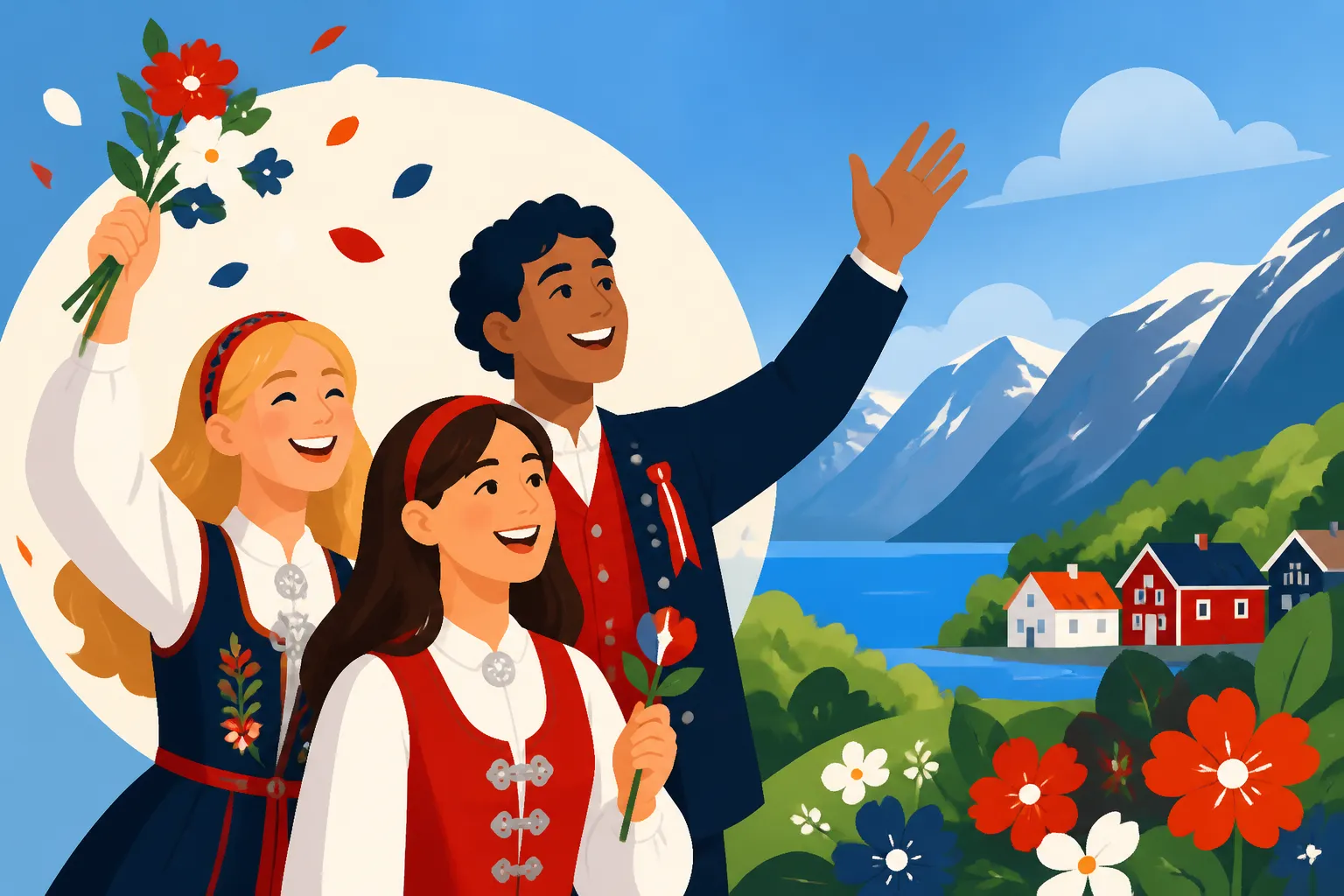
The sheer number of Norwegian flags on 17. Mai is striking. They're everywhere: in windows, on cars, fluttering from flagpoles, and waved by nearly everyone. This is one of the few days when it's considered entirely appropriate, even encouraged, to display the flag with such fervor. Alongside the flags, you'll see the traditional national costume, the bunad. These aren't just fancy dress; they are intricate, often hand-stitched garments that can cost tens of thousands of kroner. Each bunad is specific to a region in Norway, reflecting local history and craftsmanship. Wearing a bunad on 17. Mai is a profound statement of cultural identity and heritage.
For expats, the question often arises: "Can I wear a bunad?" The general consensus is that if you have a genuine connection to a Norwegian region (e.g., through marriage, long-term residency, or adoption into a family), and you understand the significance, then it's acceptable. However, buying a cheap, generic "Norwegian-looking" costume or simply wearing one without understanding its roots might be seen as disrespectful by some. Most Norwegians will appreciate your effort to embrace the culture, but genuine curiosity and respect go a long way. If you don't have a bunad, don't worry! Dressing in red, white, and blue, or simply smart casual attire, is perfectly acceptable and widely done. No one expects you to have a bunad on your first 17. Mai, and indeed, many native Norwegians don't own one either. The key is to participate in a way that feels authentic to you and respectful of the occasion.
How Expats Can Dive Into the 17. Mai Festivities
Participating in 17. Mai is not just about watching; it's about experiencing the day's unique rhythm and joining in the collective joy. From dawn till dusk, the day unfolds with a series of traditions that are surprisingly easy for newcomers to enjoy.
The Morning Rituals: Breakfast and Parades
The day usually kicks off early. Many families start with a lavish frokost (breakfast), often featuring smoked salmon, scrambled eggs, fresh bread, and sometimes champagne or sparkling wine. It's a relaxed, social start before heading out to the parades. If you have Norwegian friends, you might be lucky enough to be invited to one of these gatherings – it's a fantastic way to experience a truly authentic part of the celebration. Don't worry about bringing a grand gift; a small token or offering to bring a dish is usually appreciated. This act of community and shared meals is an important aspect of Norwegian social life, as discussed in Norwegian Etiquette: Social Rules, Dugnad, and Making Local Friends.
The main event for many is the Barnetoget (Children's Parade). In cities like Oslo, Bergen, or Trondheim, thousands of children from local schools march, often with their school banners and accompanied by brass bands, cheering crowds, and waving flags. The parade route is typically lined with spectators, and finding a good spot requires a bit of planning. Families with small children will often find a place near the start of the parade, or in less crowded side streets, allowing their little ones to wave flags and shout "Hipp hipp hurra!" If you have children, this is an excellent opportunity to let them join in the excitement, even if they're not marching with a school. They'll love waving flags alongside the local kids. You might want to consider the insights from Family Life in Norway: Daycare (Barnehage), Schools, and Kids' Activities if you're thinking about how your children can integrate into Norwegian school life, where these parades are a major event.
Afternoon Celebrations: Food, Games, and Community Gatherings
After the children's parade, the celebrations continue with a distinct shift in pace and focus.
Food, Food, and More Food
The quintessential 17. Mai foods are hot dogs (pølse i lompe or pølse i brød) and ice cream (is). Seriously, Norwegians consume staggering amounts of these on Constitution Day! You'll find stands selling them everywhere. Waffles (vafler) and traditional cakes, like bløtkake (cream cake) or kransekake (a marzipan ring cake), are also popular. This is a day to indulge, so don't count calories! Many families will have a larger meal (often grilled food, if the weather permits, or a traditional meal like spekemat – cured meats) in the afternoon. If you're looking to prepare some Norwegian treats or even your comfort foods, remember that Supermarkets in Norway: Finding International Ingredients can be a useful resource.
Activities and Games
Public parks and schoolyards often host games and activities for children, known as leker or familiedag. These might include sack races, three-legged races, face painting, and obstacle courses. It’s a wonderful, low-key way to see Norwegian families interact and for your children to play alongside local kids. These events foster a sense of community that is integral to Norwegian society. Don't be shy about joining in, especially if you have kids. Norwegians, while sometimes reserved initially, are generally welcoming to those who make an effort to engage.
Russ: The Red or Blue Jumpsuited Students
You'll undoubtedly notice groups of high school seniors, known as Russ, dressed in distinctive red, blue, black, or green jumpsuits (most commonly red for general studies and blue for economics). This is their traditional celebration of finishing 13 years of school and marks a rite of passage. They drive around in highly decorated buses or vans, play loud music, and engage in various challenges and pranks (known as russeknuter). While they might seem boisterous, they are generally harmless and an iconic part of the 17. Mai landscape. They add a lively, somewhat chaotic energy to the day, contrasting with the more formal aspects of the children’s parades.
Practical Tips for a Smooth and Enjoyable 17. Mai
Like any major public holiday, 17. Mai requires a bit of planning, especially for those who might not be familiar with local customs or logistical challenges. From transportation to staying connected, a little foresight goes a long way.
Dressing for the Occasion and the Weather
May in Norway can be a mixed bag weather-wise. It could be gloriously sunny and mild, or surprisingly cold and rainy. It’s not uncommon to experience all four seasons in one day! Therefore, dressing in layers is crucial. Even if the sun is shining, a warm jacket, hat, and gloves might still be necessary, especially if you plan to be outdoors for extended periods. Comfortable shoes are also a must, as you’ll likely be doing a lot of walking. While Norwegians love to look smart on this day, with many wearing their bunads or best suits, practicality trumps fashion for most. Remember the advice from Surviving the Norwegian Winter: Clothing, Heating, and Mørketid (Dark Season) – layers are your friend, even in spring.
Navigating Transportation and Connectivity
Public transport systems, especially in major cities like Oslo, will often have altered schedules or experience significant delays due to road closures for parades. Planning your routes in advance using apps like Ruter in Oslo (as detailed in Public Transport in Oslo (Ruter): Zones, Tickets, and Monthly Passes) is essential. Many choose to walk or cycle if possible. Parking can be extremely difficult, if not impossible, in city centers. It’s often best to leave the car at home.
With so much happening, you’ll want to stay connected. Your phone will be invaluable for checking public transport updates, coordinating with friends, and capturing those memorable moments. Make sure your phone is fully charged, and consider a portable power bank. For new arrivals or tourists, an eSIM from a provider like Airalo can be a convenient way to ensure you have reliable data without the hassle of a physical SIM card, letting you seamlessly navigate the festivities or share your experience online. Having a reliable connection is also helpful for making cashless payments, which is the norm in Norway, as highlighted in Cashless Norway: Vipps, Debit Cards, and the Disappearance of Cash.
Embracing the Local Spirit
The best way to enjoy 17. Mai is to truly embrace it. Buy a Norwegian flag (they're readily available in supermarkets and kiosks in the days leading up to the 17th), wave it, and if you're comfortable, practice shouting "Hipp hipp hurra!" along with the crowds. Don’t be afraid to strike up a conversation. Norwegians are often more open and celebratory on this day than on any other. While you might initially experience some of the cultural nuances described in Norwegian Work Culture: Flat Hierarchies and Communication Styles, on 17. Mai, the atmosphere is more relaxed and friendly.
Here's a quick overview of what to expect on the day:
| Activity | What to Expect | Best Time |
|---|---|---|
| Champagne Breakfast | A leisurely, often elaborate breakfast with family/friends (or simply your own treat!) | Early Morning |
| Children's Parades | Thousands of kids, marching bands, flags, cheering crowds | Morning (usually 10 AM – 1 PM) |
| Public Celebrations | Hot dog stands, ice cream, waffles, games in parks, music | Afternoon |
| "Russ" Sightings | High school seniors in jumpsuits, loud buses, festive atmosphere | All Day |
| Formal Dinners | Many families gather for a more formal meal in the evening | Evening |
| Fireworks | In some larger towns and cities, weather permitting | Late Evening |
Beyond the Day: Reflecting on Your Expat Journey in Norway
After the flags are folded and the last crumbs of cake are gone, 17. Mai often leaves a lasting impression. For many expats, it's a moment of deeper connection to their new home, a day when the sometimes reserved Norwegian exterior gives way to unbridled national pride and warmth.
Connecting with Community and Identity
Participating in 17. Mai can be a pivotal experience in your expat journey. It’s a moment when you move beyond just "living in Norway" to truly "living Norwegian." The collective joy and shared sense of belonging are palpable, and even as an outsider, you can feel a part of it. It’s a day when the community truly shines, whether it's through the organized parades or the impromptu gatherings in parks. If you've just moved into a new neighborhood, perhaps in one of the areas mentioned in Where to Live in Norway: Top Expat Neighborhoods in Oslo, Bergen, and Beyond, this is your chance to see your local community at its most vibrant.
Many expats initially find the process of settling in, from Renting in Norway: Apartments, Contracts, and Tenant Rights to understanding local bureaucracy, to be quite isolating. Days like 17. Mai offer a stark contrast, pulling everyone together in a communal embrace. It's a reminder of the richness of Norwegian culture and the strong social fabric that underpins it, something that might not always be immediately apparent in daily life.
Long-Term Integration and Cultural Understanding
Embracing days like 17. Mai is more than just cultural tourism; it's an important step in your long-term integration into Norwegian society. It shows an openness and willingness to understand and participate in the traditions of your new home. This can lead to deeper connections with Norwegian colleagues and friends, and a greater sense of belonging. Even if you're still grappling with the language, perhaps using resources from Learning Norwegian for Work: Norskprøven and Language Courses, your presence and genuine interest on this day will speak volumes.
Ultimately, 17. Mai is a celebration of freedom, community, and the simple joys of life. Don’t overthink it, and don't feel pressured to mimic everything you see. Just show up, wave a flag, eat an ice cream (or two, or three!), and let the infectious joy of the day wash over you. It's truly a unique and unforgettable experience that every expat in Norway should try to embrace.
Disclaimer
The information provided in this guide is intended for general informational purposes only and does not constitute legal, financial, or professional advice. While we strive to provide accurate and up-to-date information, rules and regulations in Norway can change. It is always recommended to consult official sources, relevant authorities, or qualified professionals for specific advice tailored to your individual situation.