Specialist Referrals in Norway: How the Waiting Times Work
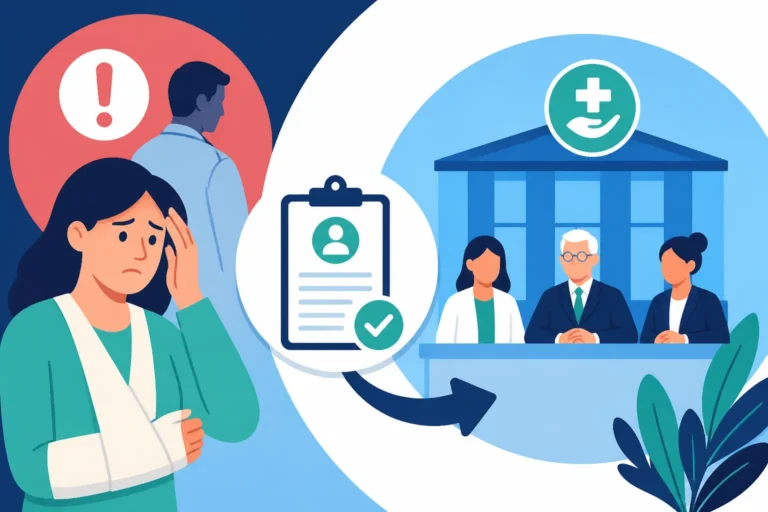
Getting a referral for a specialist in Norway often feels like entering a black hole where you send a request and simply hope for an answer months later. I remember sitting in my living room in Oslo, staring at my phone and wondering if my GP’s referral had actually reached the hospital or if it was lost in some digital abyss. This guide will walk you through exactly how the referral process works, your legal rights regarding waiting times, and how to navigate the system so you aren't left waiting indefinitely.
Understanding the Referral Workflow: From Fastlege to Specialist
In the Norwegian healthcare system, your primary point of entry is almost always your General Practitioner, known locally as a Fastlege. You cannot simply book an appointment with a cardiologist, dermatologist, or neurologist on your own within the public system. This gatekeeper model is designed to ensure that specialist resources are reserved for those who truly need them, but for an expat used to direct-access systems, it can be a source of significant frustration.
The Gatekeeper Role of the Fastlege
Your journey begins with a consultation where you must convince your doctor that your condition requires more than primary care. It is vital to be specific about your symptoms and how they impact your daily life. Once the doctor agrees, they send an electronic referral to a hospital or a private specialist with a public contract. If you are new to the country, ensure your contact details are updated in the national registry, as much of this communication happens via the Helsenorge portal. You can learn more about this initial step in my guide on The Fastlege Scheme: Navigating Norway’s GP System.
During this appointment, your GP will assign a preliminary level of urgency. However, the final decision on how fast you are seen does not rest with your GP; it rests with the specialist department that receives the referral. This is a common point of confusion. You might leave the GP office thinking you’ll be seen next week, only to receive a letter later stating your appointment is four months away. Understanding Healthcare in Norway for Expats: How the System Works (2027) is essential to managing these expectations from day one.
The Assessment Period: The 10-Day Rule
Once the hospital receives your referral, they are legally bound by the "Assessment Period" (Vurderingsperiode). In most cases, the specialist department has 10 working days to evaluate your referral. They will decide three things: if you have a right to specialist healthcare, what the deadline for your treatment should be, and when your first appointment will take place. This 10-day rule is a patient right that many foreigners are unaware of, and it’s the first hurdle where you can actively follow up if you haven't heard anything.
If your condition is suspected to be serious, such as cancer (Pakkeforløp), the assessment happens much faster. For most non-life-threatening issues, you will receive a digital letter in your Helsenorge inbox. This letter is the most important document in your medical journey. It will explicitly state whether you have been granted "Right to Healthcare" (Rett til helsehjelp). If you are denied, you have the right to appeal, a process that is often easier if you have a clear understanding of Patient Rights: How to File a Complaint with the Health Authority.
Digital Notifications via Helsenorge
In the modern Norwegian system, paper letters are becoming a rarity. Everything flows through the Helsenorge platform. When the specialist department makes a decision, you will typically receive a text message or email notifying you of a new message. Logging in requires BankID, which can be a hurdle for those still waiting on their permanent residency. If you are in this transitional phase, it is crucial to check how to handle What to Do if You Need a Doctor but Don't Have BankID.
Inside Helsenorge, you can see the status of your referral, the assigned hospital, and the estimated waiting time. It is your responsibility to monitor this. If the waiting time seems excessively long, you are not necessarily stuck with that specific hospital. This is where the Norwegian "User Choice" laws come into play, allowing you to look for shorter queues elsewhere in the country.
Navigating Waiting Times and the Right to Choose
Norway operates on a principle called "Velg behandlingssted" (Choose your place of treatment). This means that once a referral is accepted, you are not tethered to your local hospital. If the wait at Oslo University Hospital is six months but a clinic in Bergen can see you in three weeks, you have the legal right to move your referral. This is one of the most powerful tools an expat has to bypass the long queues that often plague the major cities.
How Waiting Times are Calculated and Published
Waiting times in Norway are not arbitrary; they are tracked and published by the health authorities to ensure transparency. The government provides a tool on Helsenorge that allows you to compare waiting times for specific treatments across different hospitals. These times are averages based on the last few months of data. It’s important to realize that the "waiting time" usually refers to the time until the first consultation, not necessarily the time until a surgery or final procedure.
When looking at these statistics, you might notice huge discrepancies. Small regional hospitals often have significantly shorter waiting lists for routine procedures like MRIs or minor orthopedic surgeries. For those living in the capital, it might be worth a two-hour train ride to avoid a four-month wait. You can find more details on this in the guide regarding Norwegian Hospitals: Inpatient Care, Outpatient Care, and Patient Choice.
Your Right to Choose a Hospital
The "Right to Choose" applies to all public hospitals and many private clinics that have "driftstilskudd" (operating grants) from the Regional Health Authorities. If you decide to change your place of treatment, you can often do this yourself via Helsenorge or by calling the "Patient Advisor" (Pasientrådgiver) for your health region. They are incredibly helpful and can tell you exactly which clinics currently have the shortest queues for your specific needs.
However, there is a catch: while the treatment itself remains covered by the public system, you may have to pay a higher portion of travel costs if you choose a hospital outside your local health region. Usually, the Healthcare Budgeting: The Frikort Exemption Card and User Fees will cover your medical costs once you hit the annual cap, but travel is handled under different rules (Pasientreiser). Always weigh the cost of a plane ticket or long drive against the benefit of being seen earlier.
Private vs. Public Specialist Care
For those who find the public waiting times unacceptable, there is always the private route. Private clinics like Aleris or Volvat allow you to book a specialist appointment directly, often within 48 hours. The downside is the cost; you will be paying out of pocket, and these costs do not count toward your Frikort limit. This is where having international insurance can be a lifesaver.
Expats often use providers like Cigna Global to cover these private specialist consultations, ensuring they don't have to wait months for a simple diagnosis. If you are a digital nomad or on a shorter contract, a plan from SafetyWing can also provide a layer of protection, though it's important to check their specific coverage for non-emergency specialist visits. For many, the ability to bypass the GP referral and go straight to a specialist is worth the premium. You can dive deeper into this comparison in Public vs Private Healthcare in Norway: A Complete Guide.
Priority Categories and Legal Treatment Deadlines
The Norwegian health system prioritizes patients based on the severity of their condition and the expected benefit of the treatment. When your referral is assessed, you are placed into a category that determines your maximum legal waiting time. Understanding these categories is essential for knowing when you can "push back" against the administration.
| Priority Category | Typical Condition | Legal Assessment Deadline | Maximum Treatment Wait |
|---|---|---|---|
| Emergency | Acute injury, heart attack | Immediate | No wait |
| High Priority | Suspected cancer, severe heart issues | 10 Days | 2–4 weeks |
| Standard Priority | Chronic pain, non-urgent surgery | 10 Days | 12–26 weeks |
| Low Priority | Routine screenings, minor cosmetic issues | 10 Days | Over 26 weeks |
How the System Categorizes Urgency
The specialist who reviews your referral will assign you a "Frist" (deadline). This is a date by which the hospital must, by law, start your assessment or treatment. This date is not just a suggestion; it is a legal requirement. If your letter from the hospital says your "Frist" is September 1st, and they haven't seen you by then, the hospital is in breach of the law.
Many expats find that being polite but firm about these deadlines often helped. If you haven't received an appointment date that falls before your "Frist," you should call the department. Often, they have cancellations and can move you up if they know you are tracking your legal rights. For more on how to manage these interactions, see Specialist Referrals in Norway: How the Waiting Times Work.
The Deadline for Starting Treatment
It is crucial to distinguish between the assessment deadline and the treatment deadline. Often, the hospital will meet the legal deadline by giving you a quick introductory consultation or a blood test, which technically starts the "process." This stops the clock on the legal deadline, even if the actual surgery or specialist intervention is still months away.
If you feel the hospital is "gaming the system" by providing a superficial initial appointment just to meet a deadline, you have the right to request a second opinion. This is a standard patient right in Norway. Knowing How to Get a Referral for Therapy (DPS) in Norway or other specialist services often requires this level of persistence.
Breaches of Treatment Deadlines (Fristbrudd)
If a hospital cannot meet the assigned deadline, they are required to contact HELFO (The Norwegian Health Economics Administration). HELFO will then find an alternative treatment spot for you, either at another public hospital or a private clinic, and the original hospital must foot the bill.
This is the "nuclear option" for patients stuck in the queue. If your deadline passes and the hospital hasn't seen you, you can contact HELFO yourself to report a "Fristbrudd." They will take over your case and essentially act as a free medical concierge to get you seen as quickly as possible. This is a sophisticated part of the safety net explained further in How to Use HELFO for Healthcare Refunds After Paying Out of Pocket.
Practical Tips for Reducing Your Waiting Time
Waiting for medical care is stressful, especially in a foreign country where you might not fully grasp the bureaucratic nuances. However, the Norwegian system is surprisingly flexible if you know which buttons to push. You don't have to be a passive participant in your own healthcare.
Using the "Velg Behandlingssted" Tool Effectively
The "Velg behandlingssted" website (available through Helsenorge) should be your best friend. It lists almost every procedure, from hip replacements to psychiatric evaluations. When you search for a procedure, it will show you a map of Norway with the current waiting times for every facility.
If you find a shorter wait, you don't necessarily need a new referral from your GP. You can often call the new hospital, tell them you have an existing referral at Hospital A, and ask if they can take you. If they say yes, they will handle the transfer of your medical files. For those living in high-pressure areas, checking Healthcare in Bergen: Clinics, Hospitals, and Local Expat Resources or other regional hubs can provide much faster alternatives.
Handling Referrals for Mental Health
Mental health referrals (to the District Psychiatric Centers, or DPS) often have some of the longest waiting times in Norway. It’s not uncommon to wait three to six months for a non-acute psychologist appointment. Because of this, many expats choose to use private insurance or pay out of pocket for the first few sessions.
SafetyWing is often a popular choice for younger expats or those on temporary visas because it provides a safety net while they navigate the slow-moving public mental health queues. If you are struggling, don't wait for the public system to catch up. Look into Mental Health in Norway: Accessing Therapy and Psychiatric Care to understand the difference between public DPS and private practice specialists.
Dealing with Chronic Conditions
If you have a chronic condition, your specialist care is usually ongoing rather than a one-off referral. Once you are "in the system," the waiting times for follow-up appointments are generally more stable. However, the initial transition of your medical records from your home country can be a hurdle.
When moving to Norway, bring translated copies of your specialist records. This helps your Fastlege write a more "weighty" referral, which can lead the specialist to assign you a higher priority. For chronic management, you should also look into Blue Prescriptions (Blå Resept): Subsidized Medication for Chronic Illness to see how your ongoing specialist care links to your pharmacy costs.
The Role of Private Insurance in Specialist Access
While the public system is excellent once you are "in," the "waiting to get in" part is the biggest complaint among expats. This is why private health insurance has seen a massive surge in popularity in Norway over the last decade. It isn't about getting better medical care—the public specialists are world-class—it's strictly about getting faster care.
When Public Waiting Times are Too Long
If you are facing a six-month wait for a specialist to look at a painful knee or a suspicious mole, the mental and physical toll is significant. Private insurance allows you to bypass the public queue entirely. With a plan from Cigna Global, you can typically see a specialist within a few days. They have a network of private hospitals like Aleris that feel more like hotels than clinics, offering a level of comfort and speed the public system simply isn't designed to provide.
Most private insurance plans also cover diagnostic imaging like MRIs and CT scans, which are often the biggest bottlenecks in the public system. If your public referral for an MRI is three months away, a private insurer can often get it done the next afternoon. This speed can be the difference between a quick recovery and months of sick leave. For a deeper look at whether this investment is right for you, read Do I Need Private Health Insurance if I Live in Norway?.
Coordination Between Private and Public Systems
One thing many expats don't realize is that the private and public systems in Norway can work together. You might see a private specialist for a fast diagnosis and then use that diagnosis to jump-start your priority level in the public system for a major surgery.
For example, you could use Cigna Global to pay for a private consultation and MRI. Once the specialist confirms you need surgery, you can take those results back to your Fastlege. Because the diagnosis is now "proven," the public hospital may assign you a much higher priority than they would have based on a generic GP referral. This hybrid approach is a common strategy for savvy expats who want the best of both worlds. You can read more about how these systems intersect in Public vs Private Healthcare in Norway: A Complete Guide.
Final Thoughts for the Waiting Patient
The most important thing to remember is that you have a voice. If you feel your condition is worsening while you wait, go back to your Fastlege. They can send an "Update Referral" (Tilleggsopplysninger) to the hospital, which can trigger a re-assessment of your priority. Never suffer in silence assuming the system is working perfectly in the background.
The Norwegian healthcare system is a machine—a very good one—but like any machine, it sometimes needs a bit of oil. By monitoring your Helsenorge portal, understanding your legal deadlines, and being willing to travel to a different city, you can significantly cut down the time you spend in the waiting room.
Disclaimer
This article is for informational purposes only and does not constitute professional medical or legal advice. Healthcare regulations and waiting times in Norway are subject to change by the Norwegian Directorate of Health (Helsedirektoratet) and Helfo. Always consult with your Fastlege or a qualified medical professional regarding your specific health needs and rights.