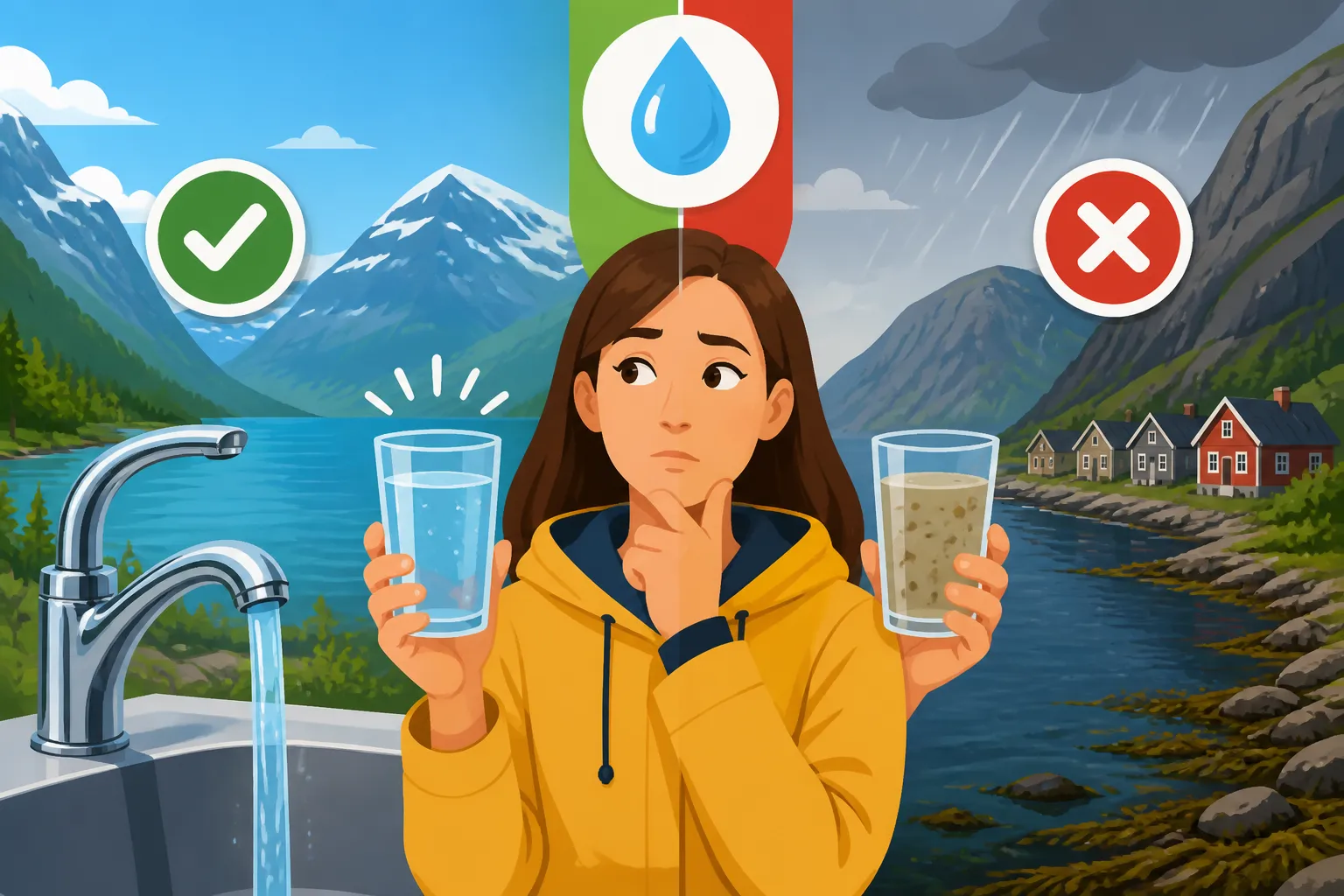
Is Tap Water Safe to Drink Everywhere in Norway?
One of the first anxieties many of us face when moving to or visiting a new country is often the simplest: "Can I drink the tap water?" It might sound trivial, but the fear of getting sick from something as basic as water is very real, especially when you're navigating a new environment. Thankfully, if you're in Norway, you can breathe a huge sigh of relief. This guide is here to tell you everything you need to know about Norway's tap water, why it's so good, and when you might, just might, want to be a little cautious.
Why the "Is Tap Water Safe?" Question Even Comes Up
It is easy to see why this question pops into people's minds. In many parts of the world, even developed nations, tap water can be questionable, or at least taste a bit odd due to chlorine or mineral content. You're used to buying bottled water, or at the very least, filtering everything. So, when you arrive in Norway, with its pristine nature and seemingly untouched landscapes, it's natural to wonder if this extends to what comes out of the faucet. You're often still finding your feet, perhaps looking for Finding Short-Term Rentals for the First Month in Norway or trying to figure out how to manage other aspects of Setting Up Utilities: Electricity, Heating, Internet, and Mobile Plans, and worrying about water just adds to the mental load.
Norway's High Standards: A Global Leader in Water Quality
Let me tell you, Norway takes its water very seriously. We're talking about one of the highest standards in the world. The tap water here is consistently rated as excellent, often surpassing bottled water in purity and taste. This isn't just anecdotal; it's backed by rigorous testing and strict regulations imposed by the Norwegian Food Safety Authority (Mattilsynet). They ensure that the water supply meets stringent health and safety requirements, often going above and beyond international norms.
The source of much of Norway's drinking water comes directly from pure, unpolluted lakes, rivers, and groundwater. Imagine water flowing down from snow-capped mountains and through dense, protected forests. That's essentially what you're getting in your glass. The minimal industrialization and sparse population in many catchment areas contribute significantly to this exceptional natural quality. When you're used to cities where tap water might taste chemically treated, the clean, crisp taste of Norwegian tap water is a revelation. It feels like drinking directly from a mountain stream, right there in your kitchen.
The "Better Safe Than Sorry" Mentality Among Newcomers
Despite the glowing reports, many expats still reach for bottled water in the supermarket during their first few weeks. It's a habit, a comfort, a carry-over from previous living situations. You're just trying to get by, perhaps using an Airalo eSIM to keep connected and research everything from Supermarkets in Norway: Finding International Ingredients to local transportation, and breaking old habits takes time.
It's also because, let's be honest, we've all heard horror stories from friends or colleagues who got sick from water abroad. So, while your logical brain might process that "Norway has great water," your ingrained "better safe than sorry" mechanism still whispers, "Are you sure?" This is especially true if you're staying in temporary accommodation, like a hotel or a Spotahome rental, where you might not have full insight into the building's specific plumbing. However, rest assured, even in older buildings, the water quality entering the building is exceptionally high. Any issues would typically be isolated to specific faulty pipes within that building, which is rare, and would usually only affect taste, not safety.
Understanding Norway's Water Infrastructure and Treatment
The journey of Norwegian tap water from its source to your glass is a testament to careful management and advanced infrastructure. It's not just pure by accident; it's pure by design and continuous monitoring.
From Mountain Springs to Your Tap: The Journey of Norwegian Water
Most of Norway's tap water originates from surface water sources like lakes and rivers, often nestled high in the mountains or surrounded by vast, protected natural areas. These catchment areas are typically pristine, with very little agricultural runoff or industrial pollution, giving the water a significant head start in terms of quality. For example, Oslo gets much of its water from Maridalsvannet and Oset, two large lakes north of the city, which are protected by strict environmental regulations.
Once collected, the water undergoes a multi-stage treatment process, though often less intensive than in many other countries due to its initial purity. This typically includes:
- Coarse Filtration: Removing larger particles like leaves and sediment.
- Chemical Treatment: Adding coagulants to bind smaller particles together, making them easier to remove.
- Fine Filtration: Passing the water through sand filters or other advanced filtration membranes.
- Disinfection: Usually using UV light and sometimes a minimal amount of chlorine. The use of chlorine is often much lower than what you might find in many other countries, which is why Norwegian tap water rarely has that distinct "swimming pool" taste.
- pH Adjustment: Ensuring the water is not too acidic or alkaline to prevent pipe corrosion and ensure optimal taste.
After treatment, the water is distributed through a vast network of pipes, maintained by municipal waterworks. These systems are constantly upgraded and monitored to prevent contamination. The fact that Norway boasts such extensive natural water resources means there's less pressure on any single source, further ensuring consistent quality.
Quality Control and Regular Testing
The Norwegian Food Safety Authority (Mattilsynet) sets the national standards for drinking water quality, which are among the strictest globally. Local municipalities are then responsible for ensuring these standards are met. This means:
- Frequent Sampling: Water samples are collected and analyzed regularly, from the source, throughout the treatment process, and at various points in the distribution network, right up to the tap in homes and businesses.
- Broad Spectrum Analysis: Tests check for a wide range of parameters, including microbiological contaminants (like E. coli), chemical substances (heavy metals, pesticides), turbidity, pH levels, and taste/odor.
- Public Reporting: In many municipalities, water quality reports are publicly available online. If you're curious about the specific quality in your area, you can often find detailed information on your local kommune's website.
This rigorous and transparent system means that any potential issues are quickly identified and addressed. It's this commitment to continuous monitoring and high standards that gives residents and visitors the confidence to drink straight from the tap without a second thought.
When to Be Cautious or Consider Alternatives
While Norway's tap water is overwhelmingly safe, there are a few very specific scenarios where a bit of extra caution might be warranted. These are generally exceptions rather than the rule, but it's good to be aware, especially if you have a sensitive stomach or are in a particularly remote area.
Specific Scenarios for Boiling or Bottling Water
- "Boil the Water" Advisories: Very, very occasionally, local authorities might issue a "kokevarsel" (boil water advisory) for a specific area. This usually happens due to a temporary malfunction in a water treatment plant, a pipe burst leading to potential contamination, or during extreme weather events. These advisories are rare, localized, and short-lived, and you would be notified through local news, municipal websites, or direct communication if you live in the affected area. If you see such an advisory, simply boil your drinking and cooking water for a few minutes before use.
- Older Plumbing in Very Rural or Private Wells: If you're staying in a very old, isolated cabin (hytte) that relies on a private well rather than the municipal supply, or if you're in an older building with potentially corroded internal pipes, it's worth asking the owner about the water. While the source might be fine, the pipes within the property could affect taste or, in very rare cases, introduce contaminants. When Renting in Norway: Apartments, Contracts, and Tenant Rights, especially in older areas, this might be a question to ask, though it's rarely a safety issue. However, even in these cases, municipal water is usually pristine.
- Weakened Immune Systems: For individuals with severely compromised immune systems, medical professionals sometimes recommend boiling all drinking water as a general precaution, regardless of location. This is a blanket recommendation and not specific to Norway's water quality, but it's something to consider for those specific cases.
For 99.9% of your time in Norway, buying bottled water is simply unnecessary and an added expense. You'll often find that even the bottled brands you can pick up at Kiwi or Rema 1000 are simply municipal tap water, sometimes with added minerals for taste, but definitely not superior in terms of safety. If you do find yourself feeling unwell while traveling, remember that Emergency Medical Care in Norway: 113, Legevakten, and Hospitals is readily available, and for tourists, understanding Tourist Medical Care: What Happens if You Get Sick in Norway? can be crucial.
Filtering Your Water: Is It Necessary in Norway?
For most people living in or visiting Norway, a water filter is absolutely not necessary for safety or health reasons. The municipal water is already clean and safe to drink. However, some people choose to use filters for personal preference:
- Taste Preference: While Norwegian tap water is generally tasteless and odorless, some people are very sensitive to even the slightest hint of chlorine (which is very minimal here) or natural mineral variations that might exist in different regions. A simple carbon filter pitcher (like Brita) can help neutralize these subtle nuances if you're particularly picky.
- Sediment Removal: In very rare cases, especially after pipe maintenance or construction work, you might experience temporary discoloration or tiny sediment particles in your tap water. This is usually harmless, but a filter can quickly clear it up.
- Hardness Concerns: Norway's water is generally soft, meaning it has a low mineral content. This is great for your appliances and doesn't leave mineral buildup. If you're coming from an area with very hard water, you might notice the difference, but it's not a health concern that requires filtration.
In essence, if you want a filter for purely aesthetic reasons or habit, go for it. But don't feel pressured into buying one thinking it's a necessity for health or safety while living here. Your money is better spent on Supermarket Loyalty Apps (Trumf, Æ): Saving Money on Groceries or perhaps a good cup of coffee.
Beyond the Tap: Water in the Wider Norwegian Context
The excellent quality of tap water extends beyond your home faucet. Norway's approach to water is deeply ingrained in its culture and landscape, particularly with its strong emphasis on outdoor life.
Drinking from Streams and Rivers: Friluftsliv and Wild Water
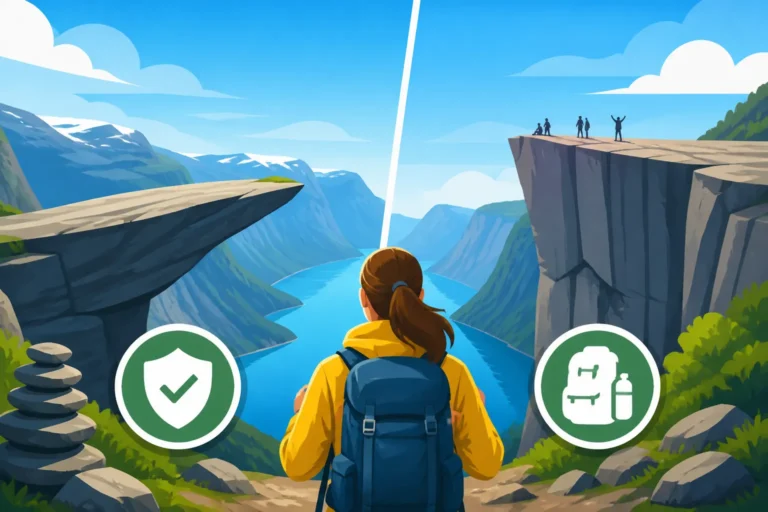
This is where it gets interesting and where my inner expat voice of caution clashes a little with the Norwegian spirit of friluftsliv. Generally, when you're hiking in the mountains or forests, especially in remote areas, it's often considered safe to drink directly from clear, running streams and rivers. The water is often pristine, straight from snowmelt or springs, and incredibly refreshing. Many Norwegians do this as a matter of course. For those who embrace Friluftsliv: Embracing the Norwegian Outdoors and "Right to Roam", this is a common practice.
However, a word of caution from your veteran expat friend:
- Upstream Activity: Always be mindful of what's upstream. Are there sheep or cattle grazing? Even reindeer droppings can contaminate water with parasites like Giardia. If you see signs of animal life or human activity (like cabins or campsites) upstream, it's safer to avoid drinking directly from that source.
- Stagnant Water: Never drink from stagnant puddles, slow-moving murky water, or water that looks discolored. Always choose clear, fast-flowing sources.
- Urban Proximity: The closer you are to populated areas, the higher the risk of contamination, even in seemingly natural settings. Stick to designated trails and known sources in these instances.
- Your Comfort Level: If you're unsure, or have a sensitive stomach, carrying a small, lightweight water filter bottle (like a Sawyer Mini or Lifestraw) is a wise precaution for longer hikes. Boiling water is also an option if you have camping gear. Don't feel pressured to drink from a stream if you're not comfortable. Better to be safe than sorry, especially if you're far from help.
For example, when I go hiking near Bergen, I'll often fill my bottle from a gushing waterfall, but if I'm walking through a valley where I know there are farms nearby, I'll stick to my packed water or use a filter. It's about being aware of your surroundings and making an informed choice.
Water for Travel and Temporary Stays
Whether you're exploring the fjords, visiting a city like Oslo or Bergen, or just passing through, you can pretty much guarantee that the tap water everywhere you go in Norway will be safe to drink. This includes hotels, restaurants, cafes, and public fountains.
- Restaurants and Cafes: You'll almost always be offered tap water (kranvann) for free with your meal, often served in a carafe. It's not seen as cheap or rude to ask for it; it's simply the norm.
- Public Transport: Water fountains are common in train stations, airports, and sometimes even on ferries or larger buses. Carry a reusable water bottle and fill it up whenever you see one. It saves money and reduces plastic waste.
- Accommodation: From hostels to high-end hotels, guesthouses, and even your Renting in Norway: Apartments, Contracts, and Tenant Rights rental, the tap water is safe. If you're an expat who's considering purchasing a home, perhaps you're deep into Buying Property in Norway: Bidding Wars, Mortgages, and Rules, rest assured that water quality will not be a concern for your new home.
In short, there's no need to stock up on bottled water or worry about the ice in your drink when you're in Norway. Embrace the convenience and trust in the system. Your wallet and the environment will thank you!
Disclaimer
The information provided in this article is intended for general guidance and informational purposes only, and does not constitute professional medical, legal, or financial advice. While we strive to provide accurate and up-to-date content, circumstances in Norway can change rapidly. Always consult with relevant official sources, such as the Norwegian Food Safety Authority (Mattilsynet) or your local municipality, for the most current and specific information regarding tap water quality and safety in your area.