Getting Contraceptive Pills in Norway: Who Prescribes Them?
Coming from a country where you might be used to picking up birth control over the counter or via a quick pharmacy consultation, the Norwegian system can feel like a bureaucratic maze. I remember my first week in Bergen, staring at a pharmacy shelf only to realize that even the most basic pill requires a doctor’s signature. This guide solves exactly how to navigate those appointments and secure your prescription efficiently.
Understanding the Prescription Landscape for Contraception
When you first arrive in Norway, one of the most jarring realizations is that the "pill" is strictly a prescription-only medication. You cannot simply walk into an Apotek 1 or Vitusapotek and ask for a refill of your home-country brand. The Norwegian healthcare system is built on the foundation of the primary care physician, and for most residents, this is where the journey begins.
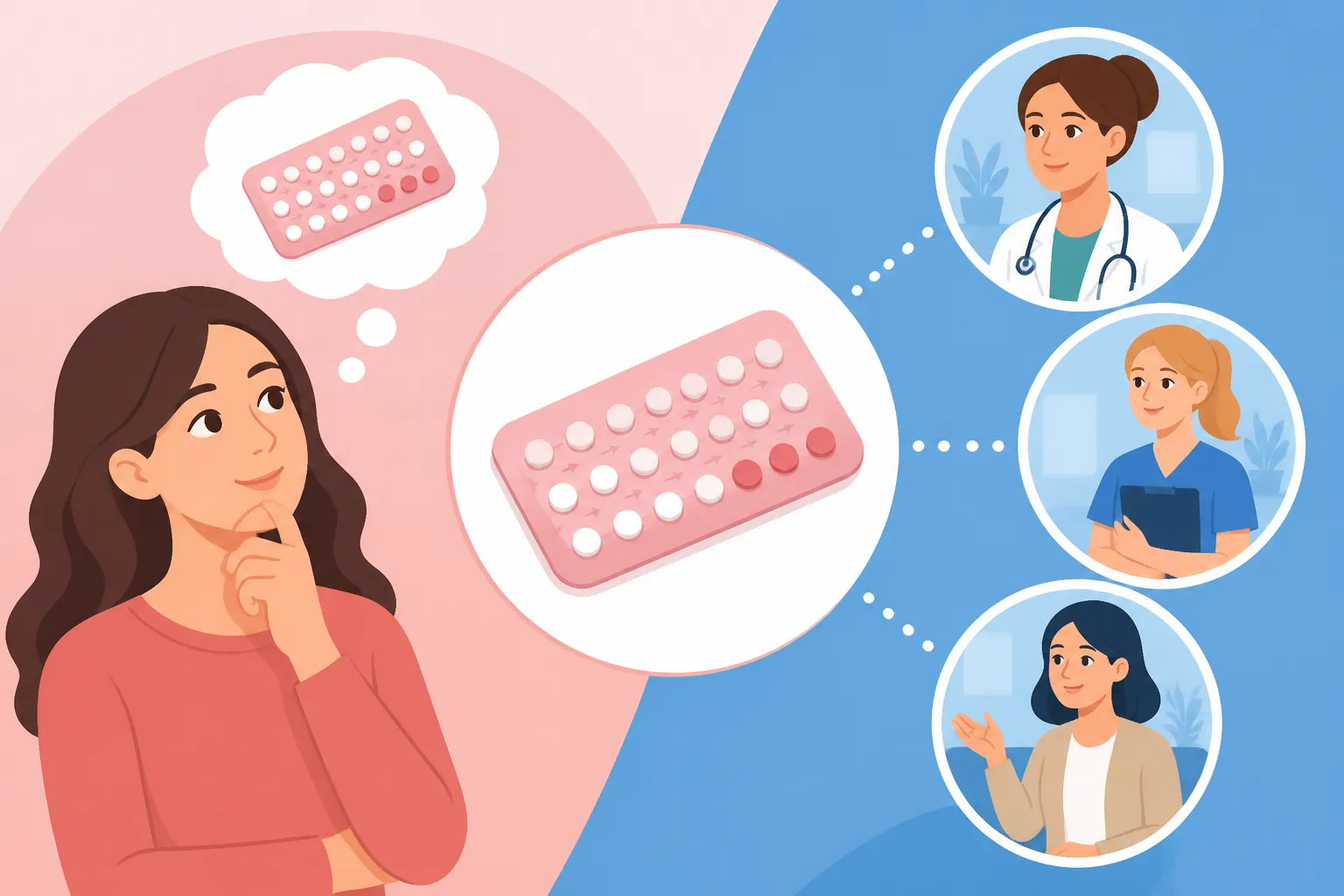
The primary authority for prescribing contraceptive pills is your Fastlege (General Practitioner). However, the system is flexible enough to accommodate different demographics. For example, if you are a student or under the age of 26, you might find that the local Helsestasjon (health clinic) is a much more accessible and empathetic entry point. Nurses and midwives at these clinics have the legal authority to prescribe hormonal contraception to young people, often without the long waiting times associated with a GP.
If you are a short-term resident or waiting for your residency paperwork to clear, you might find yourself in a "gray zone." In these instances, private clinics like Dr.Dropin or Kry are lifesavers. They offer same-day appointments, often via video, where a doctor can review your medical history and issue a digital prescription that works at any pharmacy in the country. For those who maintain comprehensive coverage through providers like Cigna Global, these private consultations are often fully reimbursable, allowing you to bypass the public queue entirely.
The Role of the Fastlege in Women’s Health
Once you are registered in the National Registry and have your fødselsnummer (personal number), you will be assigned a GP. Navigating The Fastlege Scheme: Navigating Norway’s GP System is the first major milestone of expat life. Your GP is not just for the flu; they are the gatekeeper for all hormonal health.
When you book an appointment for contraception, the doctor will typically perform a standard health check. This isn't meant to be invasive, but Norwegian medical guidelines are quite conservative regarding blood pressure and family history of blood clots. I found the consultation much more thorough than what I was used to back home. They won't just hand over a script for a year; they might start you with a three-month "test phase" to see how your body reacts to the local brands.
If you find that your assigned GP isn't a good fit, or perhaps they aren't as fluent in English as you’d like, remember that you have the right to change. This is a common move for expats. You can research Changing Your Fastlege: Rules and Waiting Lists in Norway to find a doctor who specializes in Women’s Health in Norway: Contraception, Smear Tests, and Gynecology or one located closer to your workplace.
Accessing Contraception for Students and Young Adults
Norway is incredibly progressive when it comes to reproductive health for the younger generation. If you are between the ages of 16 and 22, the state heavily subsidizes, and in many cases, fully covers the cost of contraceptive pills. This is handled through a "bidragsordning" (contribution scheme) that is applied automatically at the pharmacy counter.
For international students, the best resource is often the "Helsestasjon for ungdom" (Health Station for Youth). These clinics are usually free of charge and staffed by professionals who deal specifically with the needs of expats and young Norwegians alike. They are accustomed to the "I'm new here and I'm running out of my pills" panic. You don't necessarily need a GP referral to visit these clinics, making them a fantastic shortcut.
Even if you aren't a student, if you fall into this age bracket, you should take advantage of these services. The staff can also provide guidance on Dental Care for Children in Norway: Free Public Dental Services and other youth-centric health benefits. If you are traveling as a digital nomad or on a shorter visa, using a service like SafetyWing can provide the necessary medical coverage for any unexpected complications that might arise from starting a new hormonal regimen while abroad.
Where to Get Your Prescription: A Comparison
The choice of where to go often depends on how quickly you need the medication and your current administrative status in Norway.
| Provider Type | Best For | Typical Cost (Consultation) | Prescription Duration |
|---|---|---|---|
| Fastlege (GP) | Long-term residents | ~250–350 NOK (User fee) | 1 to 3 years |
| Helsestasjon | People under 26 | Free | 1 year |
| Private Clinic | Urgent needs/Expats | 600–1200 NOK | 1 year |
| Video Doctor | Refills and convenience | 350–600 NOK | 1 year |
If you are already settled, the most cost-effective route is always the public system. The user fees you pay at your GP count toward your annual "frikort" limit. Once you spend over a certain amount in a calendar year, all further appointments are free. You can track this easily by Understanding the Frikort: The 2026 Healthcare Exemption Card Limit.
Navigating the Pharmacy and Digital Prescriptions
Norway has largely moved away from paper prescriptions. When a doctor—whether public or private—prescribes you the pill, it is uploaded to a central database called "e-resept." To pick up your medication, you simply walk into any pharmacy, present your ID (or your D-number/fødselsnummer), and they will pull up your active prescriptions.
If you are using a brand that isn't common in Scandinavia, the pharmacist might offer you a "generic equivalent." In Norway, this is called "generisk bytte." The active ingredients are the same, but the packaging and brand name will be Norwegian. If you are worried about how this might interact with your body, you can always ask the doctor to write "refusal of generic substitution" on the prescription, though this may increase the price.
For those who prefer the convenience of home delivery, you can use Prescription Deliveries: Using Online Pharmacies like Farmasiet. Once your digital prescription is in the system, you log in with your BankID, select your medication, and it arrives in your mailbox a day or two later. It’s one of the few things in Norway that is genuinely more convenient than in most other countries.
What if You Don't Have a Fødselsnummer or BankID?
This is the biggest hurdle for new arrivals. Without a personal number or BankID, you cannot use the Helsenorge portal to book appointments or see your digital prescriptions. I spent my first three months in Oslo in this exact limbo, and it can be stressful when your pill pack is getting thin.
In this situation, you should look for private providers. Clinics like Dr.Dropin or Volvat do not require a BankID to book an appointment. You can call them or book through their websites using just your name and phone number. They can issue a paper prescription if the digital system is giving you trouble, or they can use your D-number if you have one. If you are covered by Cigna Global, make sure to keep your receipts, as private consultations for "maintenance" medication are usually part of a standard expat health package.
If you are truly in an emergency—meaning you have missed a dose and cannot get a doctor’s appointment—you can visit the Legevakten (116 117): When and How to Use the Out-of-Hours Service. While they primarily deal with acute illness, they can sometimes provide a "bridge" prescription for a few days to get you through the weekend. However, be prepared to wait; you will be triaged behind people with broken bones and high fevers.
Costs and Insurance Coverage
Contraceptive pills in Norway are usually issued on "white prescriptions" (hvit resept). This means that you, the patient, pay the full price at the pharmacy. This is different from a Blue Prescriptions (Blå Resept): Subsidized Medication for Chronic Illness, which is for long-term conditions like asthma or diabetes.
However, even though it's "full price," Norwegian medication costs are regulated. A three-month supply of standard pills typically costs between 150 and 400 NOK. If you are a frequent traveler or a nomad using SafetyWing, you should check if your policy covers the consultation cost, though most travel-centric policies do not cover the cost of the medication itself unless it's related to an emergency.
For long-term expats, it is worth checking if your employer-provided insurance includes a "wellness" or "women's health" rider. Some private plans will reimburse the cost of the pill if it is prescribed for reasons beyond contraception, such as managing endometriosis or severe acne. If you are struggling with the administrative side of things, Navigating the Helsenorge App in English: A Step-by-Step Translation can help you understand the billing and prescription history sections of the national portal.
Beyond the Pill: LARCs and Emergency Contraception
While the pill is the most common choice, Norwegian doctors are big advocates for Long-Acting Reversible Contraception (LARCs), such as IUDs (hormonal or copper) and hormonal implants. The process for these is slightly different. You will first need a consultation with your GP to get the prescription for the device itself. You then buy the device at the pharmacy and bring it back to the doctor for IUD Insertion in Norway: Fastlege vs Private Gynecologist.
If you find yourself needing emergency contraception (the "morning-after pill"), the rules are much more relaxed. You do not need a prescription for this. It is available over the counter at all pharmacies and even some grocery stores or gas stations that are licensed to sell Over-the-Counter (OTC) Drugs in Norway: What You Can Buy in Supermarkets. However, the price is significantly higher in these outlets than in a dedicated pharmacy.
If you are coming to Norway from outside the EU, you might be tempted to bring a year's supply with you. Be careful with this, as customs regulations are quite strict. You should read up on Bringing Medication into Norway: Customs Rules and Schengen Certificates to ensure you aren't accidentally "importing" a controlled substance. Generally, a three-month supply with a copy of your original prescription is the limit for non-Schengen arrivals.
Practical Steps for Your First Month
To make your transition smoother and ensure you never miss a dose, follow these steps during your first 30 days in Norway:
- Bring a Copy of Your Medical Records: Have your current prescription and the brand name (and active ingredients) written down.
- Locate Your Nearest Private Clinic: Until your BankID and Fastlege are sorted, private clinics are your best friend.
- Check Your Insurance: Confirm if Cigna Global or your specific expat plan covers "specialist" visits for gynecological health.
- Register Your Address: Ensure How to Register Your Address on Your Mailbox Properly is done so that any health-related correspondence from the UDI or Helsenorge reaches you.
- Book a "First-Check" Appointment: Even if you have several months of pills left, book an appointment early to get into the Norwegian system.
Managing your health in a new country is always a bit of a steep learning curve, but once you have your first Norwegian "e-resept" in the system, it becomes second nature. The key is to be proactive rather than waiting until the last pill is gone. If you are feeling overwhelmed by the whole medical setup, checking off items on the First 30 Days Health Checklist: GP, Frikort, and Pharmacies can give you a sense of control over the process.
Disclaimer
This article is for informational purposes only and does not constitute professional medical or legal advice. Healthcare regulations in Norway, including prescription rules and subsidy rates, are subject to change by the Norwegian Directorate of Health (Helsedirektoratet). Always consult with a licensed Norwegian medical professional (Fastlege or specialist) regarding your specific health needs and medication. If you are experiencing a medical emergency, dial 113 immediately.