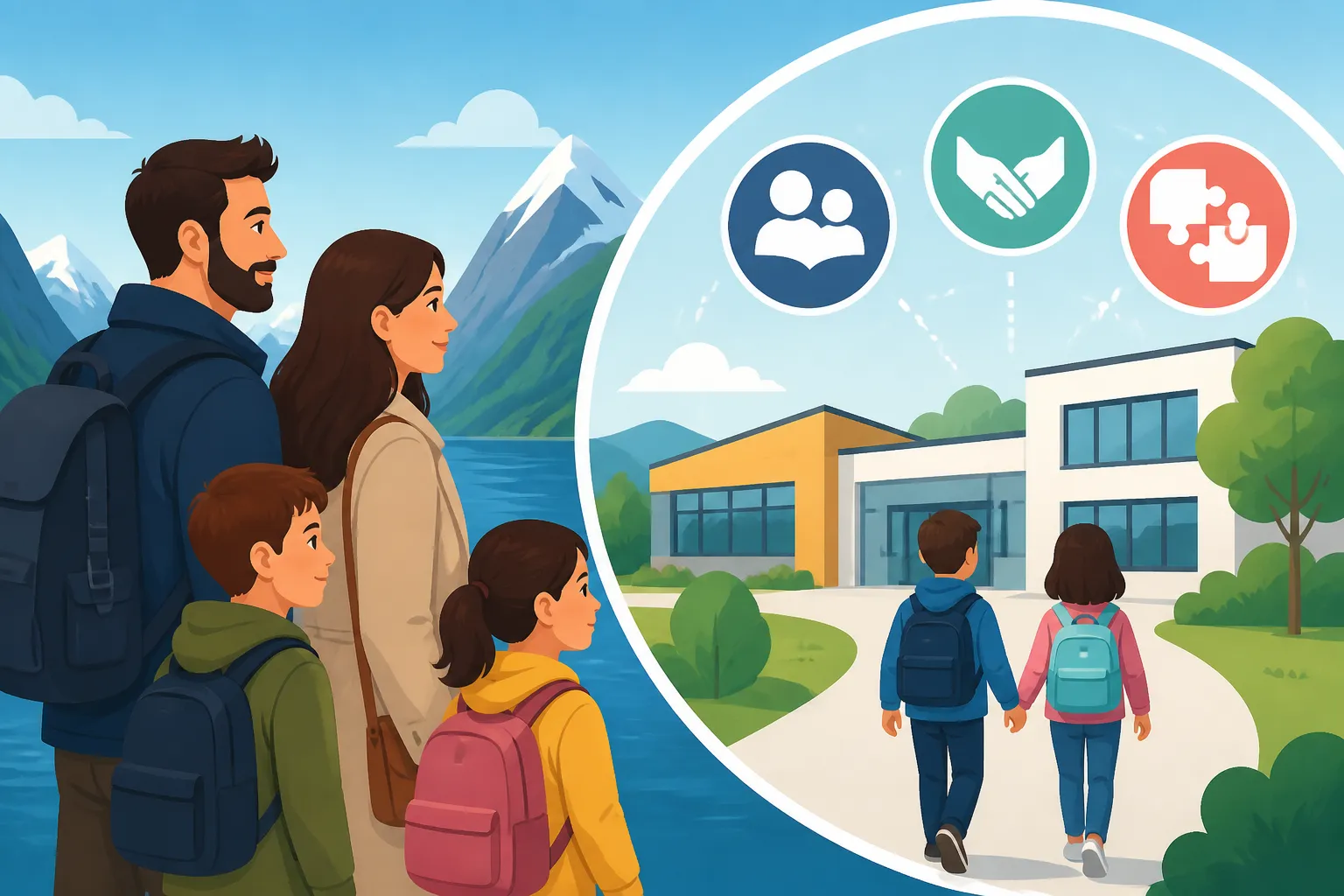
Bringing Dependent Children to Norway: Schooling and Integration Rules
Moving your entire life to a new country like Norway is a monumental undertaking, and when you add children into the mix, the complexity multiplies exponentially. Suddenly, it's not just about your job or your housing; it's about their entire world: their friends, their education, their sense of belonging. This guide is here to walk you through the often-confusing process of bringing your dependent children to Norway, focusing specifically on their visa requirements, how to navigate the public school system, and crucial strategies for their social and emotional integration into Norwegian life.
Securing Visas and Residence Permits for Your Children
The first hurdle, and arguably the most important, is ensuring your children have the legal right to live in Norway. Many parents assume that if they have a residence permit, their children automatically inherit the same status. While usually true for dependent minors, the administrative process is still very specific, and any misstep can cause significant delays and stress for the whole family. It's not a 'one-size-fits-all' situation, and the details depend heavily on your own permit type and nationality.
Understanding the Visa Landscape for Minors
Generally, children are granted residence permits based on family reunification, meaning their permit is linked to yours as the primary permit holder. If you are on a Skilled Worker Visa in Norway: Eligibility, Salary Thresholds, and Process or a Study Permits in Norway: Requirements, Financial Proof, and Renewals, your children will typically apply for a family immigration permit. This is where the intricacies begin. The rules for Family Immigration to Norway: Visas for Spouses, Children, and Parents are detailed and require proving the family relationship, ensuring adequate housing, and often demonstrating sufficient financial means to support everyone without relying on social welfare. It's a comprehensive assessment, and UDI (the Norwegian Directorate of Immigration) scrutinizes applications closely to prevent any potential strain on public services.
For children, this means providing birth certificates, sometimes adoption papers, and demonstrating that they are indeed your dependent minors. If you are coming from an EU/EEA country, the process is thankfully a bit simpler, aligning with the regulations for EU/EEA Citizens Moving to Norway: Registration Rules and Rights. You'll still need to register with the Police upon arrival, and your children will be included in this family registration, but the pre-arrival visa application might not be necessary. Always check the UDI website for the most current rules applicable to your specific nationality and residence permit type. Ignoring these details can lead to unexpected complications, such as being unable to register your child for essential services like school or healthcare, which can be devastating when you're trying to settle in a new country.
Navigating Document Requirements and Official Translations
When applying for your children's visas, the list of required documents can feel endless and overwhelming. Birth certificates, passports, adoption papers, custody agreements if applicable, and often a declaration from the non-accompanying parent (if one exists) granting permission for the child to reside in Norway. Every single one of these documents, if not originally in Norwegian or English, must be officially translated. This isn't a task to be taken lightly or done with a quick online translation tool. Norwegian authorities are notoriously strict about the quality and authenticity of translated documents.
You'll need certified translations, typically performed by a sworn translator recognized by the Norwegian government or by a certified translator in your home country whose credentials are internationally recognized. Often, these translations also need an apostille stamp from the issuing country, which verifies the authenticity of the public document itself. Imagine arriving in Norway, ready to apply for your child's permit, only to be told their birth certificate translation isn't accepted because it wasn't done by a certified professional or lacks the necessary apostille. This can set you back weeks, if not months. Services like RushTranslate or Translayte can be invaluable here, as they specialize in certified translations accepted by immigration authorities globally, helping you avoid these common pitfalls. They understand the specific requirements for legal documents, saving you from having to navigate complex translation rules in a new language.
Beyond translations, ensure all documents are complete, current, and legible. UDI's Visas and Residence Permits in Norway: The Complete UDI Guide (2027) specifies exactly what they need, and missing even one seemingly minor detail can cause your application to be returned or rejected. Keep copies of everything, both digital and physical, and organize them meticulously. It's a bureaucratic marathon, not a sprint, and being prepared is your best defense against unnecessary delays and frustration. My advice is always to over-prepare rather than under-prepare; the peace of mind knowing you've dotted every 'i' and crossed every 't' is priceless when dealing with immigration paperwork.
Integrating Children into the Norwegian Education System
Once the visa hurdles are cleared, the next big question for most expat parents is education. Norway boasts a robust public education system, renowned for its quality, inclusivity, and child-centric approach. However, navigating it as a newcomer, especially with language barriers and different cultural expectations, can be a complex journey. It’s a system that values equality and less formal interaction, which can be a stark contrast for families from more hierarchical or performance-driven educational backgrounds.
Enrolling in Barnehage and Public Schools
For children aged 1-5, Barnehage (kindergarten or preschool) is an essential first step. While not mandatory, it’s highly recommended for both childcare and integration, offering a gentle introduction to Norwegian language and culture. The Daycare (Barnehage) Application Process: Deadlines and Max Prices can be quite competitive, especially in larger cities like Oslo, so applying early is crucial. Often, there are specific application deadlines, usually in March, for a spot starting in August. Missing this window means you might have to wait for ad-hoc spots or private options. The maximum price for Barnehage is set nationally, making it relatively affordable compared to many other countries, but the quality of care and facilities is generally high across the board.
For children aged 6 and up, public schooling (skole) is free and compulsory. Enrolling your child is usually straightforward once you have a registered address and a fødselsnummer (national identity number) or D-nummer (temporary ID number). You'll typically contact your local municipality (kommune) or the specific school your child is zoned for. They will guide you through the registration process. Be prepared to provide birth certificates, proof of residence, and your child's ID number. The system is designed to integrate all children, regardless of background, and the focus is on a holistic development, which might include less homework or testing than you're used to. This can be a delightful surprise for some, but a concern for others who expect a more rigorous academic schedule.
Language Support, Adaptation, and Curriculum
One of the biggest concerns for expat parents is their child's language acquisition. Rest assured, the Norwegian public school system is well-equipped to support non-Norwegian speaking children. Most municipalities offer "motaksundervisning" (reception education) or special language support classes for newly arrived immigrant children. This often involves intensive Norwegian language instruction, sometimes in dedicated smaller groups, before or alongside their regular classes. The goal is to get them proficient in Norwegian as quickly as possible so they can fully participate in the mainstream curriculum. For parents curious about Learning Norwegian for Work: Norskprøven and Language Courses, understand that children often pick up the language far quicker than adults, especially when immersed in a school environment.
The curriculum, set by the Ministry of Education and Research, emphasizes critical thinking, creativity, and collaboration over rote memorization. Subjects like nature and environment, social studies, and practical skills are given significant importance alongside traditional subjects. Children are encouraged to be independent and take responsibility for their learning. Teachers typically foster an egalitarian classroom environment, where individual differences are celebrated. This can be a huge relief for children who might have struggled in more high-pressure systems. However, it's also important for parents to understand that this focus means less emphasis on competitive grading and more on continuous assessment and development, which might require a mental shift if you come from a system with frequent standardized testing.
Considering International Schools
While the public school system is excellent and free, some expat families choose to enroll their children in international schools, particularly those moving to larger cities like Oslo, Bergen, or Stavanger. These schools typically follow an international curriculum (e.g., International Baccalaureate, British, or American system) and teach primarily in English. The decision often comes down to several factors: language of instruction, consistency with previous education, and future plans. If you anticipate moving again to another country with a different educational system, an international school might provide a smoother transition.
However, choosing between Norwegian Public Schools vs International Schools: Making the Choice involves weighing the pros and cons carefully. International schools come with significant tuition fees, which can add a substantial burden to your cost of living. Furthermore, while they offer a familiar academic environment, they can sometimes create a 'bubble' effect, potentially hindering a child's full integration into Norwegian society and culture. They might not learn Norwegian as quickly, and their social circle might remain primarily expat. On the other hand, for older children, especially teenagers, who are already struggling with the move, maintaining academic continuity in English can reduce stress and improve their chances of success, making it a pragmatic choice for some families.
Nurturing Social Well-being and Extracurricular Life
Beyond academic success, a child's happiness and successful integration in Norway heavily depend on their social connections and sense of belonging. The Norwegian culture, with its emphasis on outdoor activities and community involvement, offers unique opportunities for children to thrive, but it also presents new social dynamics that parents and children alike need to understand.
Discovering Sports, Clubs, and Leisure Activities
Norwegians are famous for their love of "friluftsliv" (outdoor life), and this is reflected in the plethora of activities available for children. Sports clubs (idrettslag) are incredibly popular and are a fantastic way for children to make local friends and pick up Norwegian naturally. Football, handball, cross-country skiing, and ice hockey are just a few examples. Joining a local sports club is often more about participation and having fun than competitive achievement, fostering a healthy, inclusive environment. Many towns and cities will have a "kulturhus" (culture house) or local community centers that offer a range of activities from music lessons to drama clubs, often at subsidized rates.
Beyond organized activities, children in Norway spend a lot of time playing outdoors, regardless of the weather. Rain or shine, you'll see children dressed in full waterproof gear, exploring forests, building snow forts, or cycling. Encouraging your children to embrace this outdoor culture can be a massive step towards integration. It's not uncommon for children to walk or bike to school and activities independently from a relatively young age, fostering a sense of freedom and responsibility that might differ from their home country. This might require parents to adjust their own comfort levels regarding child independence and safety, but it's a deeply ingrained part of Norwegian childhood. Remember, the key to finding these opportunities is often through school notices, local municipality websites, or simply asking other parents at the school gates.
Fostering Friendships and Cultural Acclimatization
Making friends in a new country can be challenging for anyone, and children are no exception. Norwegian children can sometimes appear reserved or shy initially, which can be misinterpreted by children from more outgoing cultures. However, once a connection is made, Norwegian friendships are often deep and loyal. School is the primary arena for making friends, and participating in extracurricular activities reinforces these bonds. Arranging playdates (lekeavtaler) after school is a common way to help children solidify friendships, though it's usually the parents who initiate these initially.
Cultural differences also play a role. For instance, the concept of "dugnad" – voluntary community work – is something children will encounter through school or sports clubs. It’s a collective effort, and participation is highly valued. Understanding and participating in these cultural norms, even in small ways, can help children feel more connected. Expat parents might also find that Norwegian children's parties are less elaborate and focused more on simple activities and outdoor play than lavish entertainment. Empathy and validation are key here: acknowledge your child's feelings about the differences, explain things patiently, and encourage them to be open to new experiences. It's a journey, and there will be ups and downs. Being prepared for Coping with Seasonal Affective Disorder (SAD) in the Norwegian Winter also extends to children; the long dark winters can affect mood and energy levels, so ensuring they have plenty of indoor and outdoor activities can help combat this.
Accessing Comprehensive Healthcare and Support Services
As a parent, your child's health and well-being are paramount. Fortunately, Norway has an excellent public healthcare system that extends to all residents, including dependent children. However, knowing how to navigate it, from routine check-ups to mental health support, is essential for every expat family. It can be a different system than what you're used to, with its own quirks and advantages.
Registering with the Fastlege and Helsestasjon
Once your children have their fødselsnummer or D-nummer and are registered with the National Registry (Folkeregisteret), they will automatically be assigned a fastlege (regular family doctor) along with the rest of your family. The fastlege is the first point of contact for all non-emergency medical needs, and it's where your children will receive routine check-ups and vaccinations. For parents, understanding The Fastlege Scheme: Navigating Norway’s GP System is crucial. Ensure your child is registered with the same fastlege as you or at least within the same practice for convenience.
For infants and young children, the Helsestasjon (child health clinic) is an invaluable resource. This is a free, municipal service focused on preventive health, monitoring child development, and providing parental support. Your child will have regular appointments at the helsestasjon from birth up to school age, covering vaccinations, growth checks, and developmental screenings. They also offer guidance on nutrition, sleep, and general parenting concerns. The nurses at the helsestasjon are often English-speaking and can be a fantastic first point of contact for any health-related questions or worries. Learning about Helsestasjon: Norway’s Free Child Health Clinics and Vaccination Program is highly recommended for new parents, as it forms a cornerstone of early childhood care here. Remember that even if you have a private health insurance plan, the public system, especially the helsestasjon, is usually where you will access most of these foundational services for your children.
Mental Health Resources for Young Expats
Moving to a new country can be tough on children, and sometimes, the adjustment period can lead to emotional or mental health challenges. Homesickness, difficulties at school, or trouble making friends can all impact a child's well-being. It's vital to know that support is available. Your child's fastlege is the initial gateway for mental health concerns, and they can provide referrals to specialist services if needed. School nurses and school counselors (skolehelsetjenesten) are also critical resources. They are often the first to notice changes in a child's behavior and can offer support or guide parents to further help.
For more specialized care, children and adolescents can access various services, including child and adolescent psychiatric services (BUP – Barne- og ungdomspsykiatrisk poliklinikk) or private psychologists. Waiting times for public services can sometimes be long, but in acute situations, care is prioritized. Don't hesitate to reach out if you notice your child struggling. It's a sign of strength, not weakness, to seek help. For a broader understanding, you might want to read up on Mental Health in Norway: Accessing Therapy and Psychiatric Care, which provides general information applicable to all ages. It's also worth noting that many schools run programs focused on well-being and social skills, proactively addressing potential issues before they escalate.
Practical Strategies for a Smooth Family Relocation
Relocating with children is more than just logistics; it's an emotional journey for everyone involved. As an expat parent, your role is not only to manage the practicalities but also to be your children's biggest advocate and source of stability during a time of immense change. Preparing them, and yourselves, for what's to come can make a world of difference.
Preparing Your Children for the Big Move
Transparency and open communication are your best tools when preparing children for a move to Norway. Depending on their age, involve them in the process as much as appropriate. Show them pictures of Norway, watch videos about Norwegian culture, and locate your new city and home on a map. Discuss what school might be like, the types of activities they could do, and even what the weather will be like – hello, wool underwear! Creating a positive, exciting narrative around the move can help alleviate anxiety. For younger children, books or stories about moving can be beneficial.
Address their fears and concerns head-on. Validate their feelings of sadness about leaving friends or familiar surroundings. Acknowledge that it's okay to feel scared or nervous, and reassure them that you'll be there every step of the way. If possible, arrange for them to say proper goodbyes to their friends and family, perhaps with a farewell party. Allow them to pack a special box of their favorite toys or comforts that will be immediately accessible upon arrival. Establishing a routine as quickly as possible in Norway will also provide a sense of stability and normalcy in a new environment. Thinking ahead about how to apply for Child Benefit (Barnetrygd): Applying via NAV as a Foreign Worker can also provide a small financial buffer that could be used for their activities or treats during this transition.
Addressing Homesickness and Adjustment Challenges
Homesickness is an almost inevitable part of moving, and it can manifest differently in children. Some might become withdrawn, others clingy, and some might act out. It's crucial to be patient and understanding. Create opportunities for them to connect with friends and family back home through video calls. Schedule regular "comfort" time, where they can watch their favorite shows, read familiar books, or engage in activities that remind them of home. Don't force integration too quickly; allow them space to grieve what they've left behind.
Encourage them to express their feelings, but also gently push them to explore their new surroundings and embrace new experiences. Celebrate small victories, whether it's saying a new Norwegian phrase, trying a new food, or making a new friend. Lead by example by exploring Norway yourself and showing enthusiasm for your new life. Sometimes, the best antidote to homesickness is discovery. It's a process, not an event, and some days will be harder than others. The key is consistent support, understanding, and a whole lot of patience from you, the expat parent, who is also going through their own adjustment. Be flexible, adapt to their needs, and remember that a happy child is a well-integrated child, even if it takes time.
Disclaimer
The information provided in this guide is intended for general informational purposes only and does not constitute legal, medical, or immigration advice. While we strive to keep the content up-to-date and accurate, regulations in Norway, particularly those related to visas, education, and healthcare, can change rapidly. Always consult the official websites of Norwegian authorities such as UDI (The Norwegian Directorate of Immigration), Skatteetaten (The Norwegian Tax Administration), and your local kommune (municipality) for the most current and specific information applicable to your situation. For personalized advice, we recommend seeking consultation from a qualified professional in the relevant field.