Family Life in Norway: Daycare (Barnehage), Schools, and Kids’ Activities
Moving your family to a new country is a massive undertaking that often feels like trying to solve a puzzle where the pieces are written in a language you don't yet speak. This guide provides a comprehensive roadmap for navigating the Norwegian daycare system, public and international schools, and the vibrant world of extracurricular activities, ensuring your children settle in as smoothly as possible.
Navigating the Barnehage System: From Application to Rain Gear
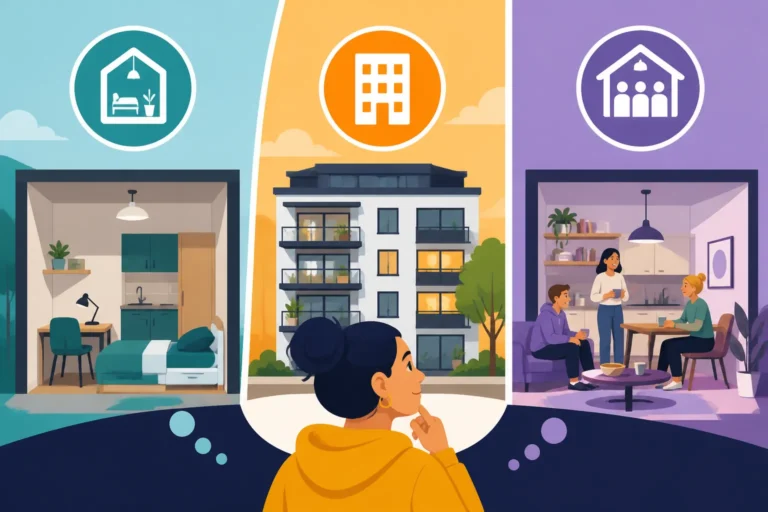
The Norwegian daycare system, known as Barnehage, is the cornerstone of family life here. It is not just "childcare" in the way many expats are used to; it is a pedagogical institution designed to foster social skills, independence, and a deep-seated love for nature. For most of us arriving from abroad, the first hurdle is understanding that the system operates on a very strict calendar. If you arrive mid-year, you might find yourself in a frantic search for a spot, which is where services like Spotahome can be a lifesaver by helping you secure housing in specific districts where capacity might be higher.
The Application Process and Deadlines
The most critical date for any parent in Norway is March 1st. This is the deadline for the "Hovedopptak" or the main admissions round for the school year starting in August. If your child turns one by the end of November, you are legally entitled to a spot, but that entitlement only kicks in if you apply by this March deadline. Many expat families miss this window, leading to months of stress trying to find a private solution or relying on the cash-for-care benefit, which we will discuss later.
When you apply through your local municipality’s website, you typically list up to five preferred daycares. It is highly recommended to visit a few beforehand. Look for the "Pedagogisk leder" (pedagogical leader) and ask about their daily routines. Most daycares are "friluftsbarnehage" (outdoor-focused) or have a strong emphasis on being outside regardless of the weather. During this transition, keeping your family connected is vital; it is often recommended to use Airalo to grab a local eSIM immediately upon arrival so you can navigate these municipal websites and map out daycare locations without hunting for Wi-Fi.
If you happen to miss the main deadline, don't panic. You can still submit a "løpende opptak" (continuous admission) application. While your child is no longer guaranteed a spot by August, vacancies do open up as families move. This is a common reality in cities like Oslo or Bergen where the population is more transient. To understand the legalities of your stay and how it impacts your rights to these services, you should check the Visas and Residence Permits in Norway: The Complete UDI Guide (2027).
Understanding Costs and the Max Price 2026
One of the greatest shocks for expats—usually a pleasant one—is the cost. Norway operates on a "makspris" (maximum price) system, ensuring that daycare remains affordable for everyone. As of 2026, the government has continued its commitment to keeping these costs capped. This means that whether you are a high-earning executive or a student, the base price for a full-time spot remains the same across the country, though some municipalities offer further discounts for lower-income households or for the second and third child.
Beyond the base fee, you will pay a small "kostpenger" (food fee) which covers lunch and snacks. Some daycares provide all meals, while others require you to send a "matpakke" (packed lunch) for at least one of the daily meals. When budgeting for your new life, knowing the Barnehage Max Price 2026: What is the Monthly Cap for Daycare? is essential for your monthly financial planning. It is also worth noting that if you cannot secure a spot and your child is between 13 and 19 months old, you may be eligible for Cash-for-Care Benefit (Kontantstøtte): Who Qualifies in Norway?.
The affordability of the system is a major reason why both parents in Norway typically return to work relatively quickly after parental leave. It levels the playing field and integrates children into Norwegian society from a very young age. However, remember that these fees are billed monthly, and failing to pay can result in losing the spot, which is a nightmare scenario for any working expat.
Life Inside a Barnehage: Outdoors and Matpakke
If you are coming from a culture where children are kept indoors during the rain, prepare for a cultural shift. The Norwegian philosophy is "Det finnes ikke dårlig vær, bare dårlige klær" (There is no such thing as bad weather, only bad clothing). Your child will spend hours outside, even in freezing temperatures. They will climb trees, play in the mud, and perhaps even take their naps outdoors in their strollers (vogn).
This requires a specific "gear list" that can feel overwhelming. You will need high-quality rain suits, fleece layers, and the legendary Wool Underwear (Ullundertøy): Why Norwegians Insist You Wear It. Most daycares have a "wardrobe" area where each child has their own cubby. You are expected to keep this stocked with spare clothes, "innesko" (indoor shoes), and the appropriate outerwear for the season.
Socially, the Barnehage is where your child will learn the unwritten rules of Norwegian interaction. They will learn the importance of "matpakke" culture—simple, healthy open-faced sandwiches—and the concept of "likestilling" (equality). For parents, this is often the first place you will meet local friends. Don't be afraid to engage with other parents during pick-up and drop-off, even if the "Nordic stare" feels a bit intimidating at first. Everyone is usually quite friendly once the ice is broken.
The Norwegian School System: Primary, Secondary, and Beyond
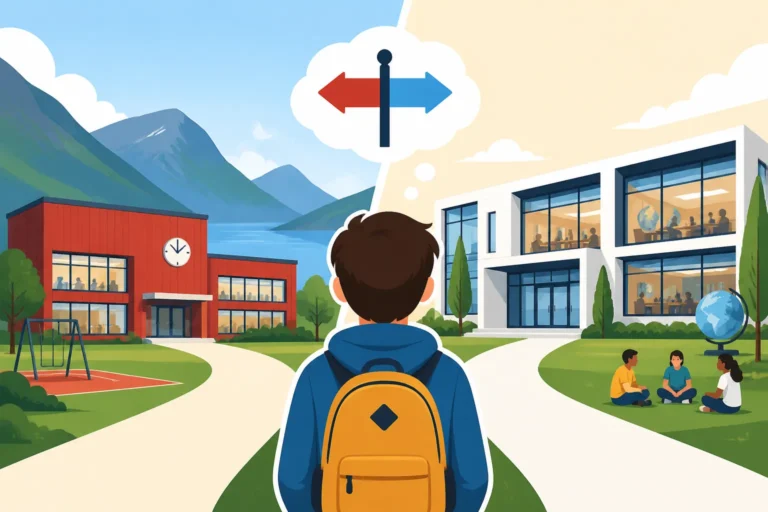
In Norway, education is mandatory for children between the ages of 6 and 16. The system is divided into three main stages: Barneskole (Primary, grades 1-7), Ungdomsskole (Lower Secondary, grades 8-10), and Videregående skole (Upper Secondary, grades 11-13). The transition into this system can be daunting, especially if your child doesn't speak the language yet, but the support for "flerspråklige elever" (multilingual students) is generally quite robust.
Starting School at Age Six: Førsteklassing
The first year of school, "førsteklasse," is designed to be a soft transition from daycare. There is a heavy emphasis on play, social integration, and learning the routines of a classroom. Most children attend their local neighborhood school, which is determined by your residential address in the [Folkeregisteret]. This is another reason why your choice of housing is so important; using Spotahome to find a long-term rental in a specific school catchment area can save you a lot of administrative headache later on.
When your child starts school, you will be introduced to the digital communication platforms used by teachers and parents, such as Visma or IST. These are used for everything from reporting absences to receiving newsletters. To get these apps set up and stay on top of notifications, having a reliable data plan from a provider like Airalo is incredibly helpful during your first few weeks of moving.
The "skolesekk" (school bag) ceremony is a big deal in Norway. Every first-grader is given a high-visibility orange backpack by the municipality to ensure they are safe while walking to school. This brings us to another key point: Norwegian children are encouraged to walk or bike to school as early as possible. It builds independence and fits into the national focus on physical health.
Grading and Social Focus in Barneskole
Perhaps the most surprising thing for many expat parents is that there are no formal grades in Norwegian primary schools (grades 1-7). Instead, teachers provide qualitative feedback and hold "elevsamtaler" (student-teacher talks) and "foreldresamtaler" (parent-teacher talks) twice a year. The focus is on the child's well-being, social development, and mastery of basic skills rather than competitive ranking.
The curriculum follows the national plan (LK20), which emphasizes critical thinking, sustainable development, and life skills. If you are worried about the lack of rigor, keep in mind that this approach is intentional. The goal is to create well-rounded individuals who can collaborate. However, if you prefer a more traditional or international curriculum, you might look into Norwegian Public Schools vs International Schools: Making the Choice. International schools often follow the IB (International Baccalaureate) program and are taught in English, but they do come with tuition fees, unlike public schools which are free.
For students who do not speak Norwegian, most municipalities offer "innføringsklasser" (introductory classes). These are specialized groups where the focus is almost entirely on learning the Norwegian language and culture before the student is fully integrated into a mainstream classroom. This transition can take anywhere from a few months to a year, depending on the child's age and background.
The Transition to Ungdomsskole and Upper Secondary
When a child hits grade 8, things change. This is the start of "Ungdomsskole," and formal grades (1 to 6, with 6 being the highest) are introduced. This can be a stressful time for students as they begin to realize that these grades will eventually determine which "Videregående" (Upper Secondary) school they can get into. The atmosphere remains supportive, but the academic expectations certainly ramp up.
In the final year of Ungdomsskole, students apply for Upper Secondary. Norway has a "rett til videregående opplæring" (right to upper secondary education), meaning everyone is guaranteed a spot, though not necessarily at their first-choice school or program. Students choose between "Studiespesialisering" (academic track for university) or "Yrkesfag" (vocational track like carpentry, healthcare, or electrical work).
The vocational track is highly respected in Norway and often includes a two-year apprenticeship. This is a fantastic path for many students, as it leads directly to stable, well-paying jobs. For those on the academic track, the final year is famous for the "Russefeiring"—a month-long celebration in May before graduation. It’s loud, it’s chaotic, and it’s a rite of passage every Norwegian teenager looks forward to (and every parent worries about).
SFO and After-School Care: Keeping Kids Busy While Parents Work
Since the school day in Norway typically ends between 1:00 PM and 2:30 PM, most families rely on the "Skolefritidsordning," commonly known as SFO (or AKS in Oslo). This is an after-school program located on the school premises where children can play, eat a light snack, and participate in organized activities until the parents finish work, usually around 4:30 PM or 5:00 PM.
What is SFO/AKS?
SFO is intended to be a safe, supervised environment that is less structured than the school day. It’s about play, movement, and social interaction. Many SFO programs offer various "kurs" (courses) like chess, dance, football, or art. In Oslo, the program is called AKS (Aktivitetsskolen) and often has a slightly more structured "learning through play" curriculum compared to SFO in other parts of the country.
One of the great things about SFO is that it keeps the children within their local social circle. Most of their classmates will also be at SFO, so it’s the primary place where friendships are solidified outside of the classroom. For expat children, this unstructured time is often where they pick up the most "real-world" Norwegian slang and social cues. If you're wondering about the logistics, the SFO (Skolefritidsordning): After-School Care Costs and Sign-Up guide covers the nitty-gritty.
Costs, Eligibility, and Enrollment
Unlike public school, SFO is not free, although the government has recently introduced free SFO for first, second, and now third graders for a certain number of hours per week in many municipalities. This is a major financial relief for families. For older children or for full-time spots, you will pay a monthly fee, similar to the Barnehage system.
Enrollment usually happens at the same time as school registration or shortly thereafter. You can choose between a full-time spot (helplass) or a part-time spot (halvplass). If you are working a standard 8-to-4 job, you will definitely need the full-time option. It’s also important to note that SFO is often open during school "planleggingsdager" (planning days) and some school holidays, which is a lifesaver for working parents who don't have enough vacation days to cover every school break.
| Feature | Barnehage (Daycare) | SFO/AKS (After-School) |
|---|---|---|
| Ages | 1 – 5 years | 6 – 10 years (Grades 1-4) |
| Primary Focus | Social play & Outdoors | Supervised play & Activities |
| Cost | Capped at "Makspris" | Varies, free for lower grades |
| Meals | Often provided (extra fee) | Light snack provided |
| Application | March 1st Deadline | Usually Spring/Summer |
After-School Activities and Idrett (Sports)
Once the SFO day ends, the world of "fritidsaktiviteter" begins. Norway has an incredibly high rate of participation in organized sports and clubs. This is where the real "integration" happens for both kids and parents. If your child isn't involved in at least one activity, they might feel left out of the social loop, as this is where most weekend plans are formed.
The Culture of Organized Sports
The heart of the Norwegian community is the local "Idrettslag" (sports club). Football (soccer) is king, but handball, cross-country skiing, and gymnastics are also massive. These clubs are almost entirely run by volunteers—mostly the parents themselves. If you sign your child up for football, expect to be asked to help out. This is the essence of What is "Dugnad"? Surviving Mandatory Community Volunteering.
Sports for children under 12 are focused on "Barneidrettsbestemmelsene" (Children’s Rights in Sports), which mandate that there should be no focus on scores or rankings. Everyone gets equal playing time, regardless of skill level. This can be frustrating for parents from more competitive cultures, but the goal is to keep as many children active for as long as possible. As your child grows, the intensity increases, but the foundation is always inclusivity.
For the winter months, you’ll find that many kids transition into "skiskole" (ski school). Learning to cross-country ski is almost a requirement for social survival in Norway. Even if you aren't a skier yourself, getting your child into a local club will ensure they can participate in the many "turdager" (trip days) that the school will organize. If you're moving between cities, use Airalo to keep your kids connected with their old teammates while they find new ones in their new neighborhood.
Music and Arts: Kulturskolen
If sports aren't your child's thing, every municipality in Norway has a "Kulturskole" (Culture School). This is a publicly funded institution that offers high-quality instruction in music, dance, theater, and visual arts. Because it is subsidized, the prices are very reasonable, but the demand is incredibly high.
Waiting lists for popular instruments like piano or guitar can be years long in some districts. It is wise to apply as soon as you have a [Fødselsnummer] or even a D-number if the municipality allows it. Kulturskolen is a wonderful way for children to develop a creative outlet and perform in local concerts, which are major highlights for the community.
Outdoor Life with Barnas Turlag
Beyond organized sports and music, there is the "Den Norske Turistforening" (DNT). They have a specific branch for children called "Barnas Turlag." They organize group hikes, cabin trips, and outdoor events designed specifically for families. This is the best way to embrace the Norwegian "Friluftsliv" (outdoor life) philosophy.
Joining DNT is relatively inexpensive and gives you discounts on thousands of mountain cabins across the country. It’s a great way to see the stunning Norwegian landscape without spending a fortune on hotels. For an expat family, these organized hikes are a low-pressure way to meet other families who enjoy the outdoors. Just make sure you have the right gear—refer back to that wool underwear advice!
Healthcare and Support for Families: Helsestasjon and Beyond
Norway provides excellent, free healthcare for all children under the age of 16. This includes everything from routine checkups to specialist visits and dental care. The system is proactive and designed to catch any developmental issues early.
Free Checkups and Vaccinations
From the moment you arrive in Norway with a child, you should contact your local "Helsestasjon" (Health Station). This is a clinic staffed by nurses (helsesykepleiere) and doctors who specialize in child health. They provide a regular schedule of checkups and follow the Childhood Vaccine Schedule in Norway: What Parents Must Know.
The Helsestasjon is also a fantastic resource for parents. They offer "barselgrupper" (parenting groups) for those with newborns, which are instrumental in preventing social isolation during parental leave. If you have any concerns about your child's physical or mental development, the Helsestasjon is your first point of contact. They can refer you to specialists or The Fastlege Scheme: Navigating Norway’s GP System if needed.
Support Systems for Parents
Norway recognizes that parenting is hard, and there are several layers of support available. If your child has special needs, the school and municipality are required to provide "spesialpedagogisk hjelp" (special pedagogical help). This might include an assistant in the classroom or specialized equipment.
Furthermore, if your family is going through a difficult time, such as a divorce or a loss, the "Barne- og ungdomspsykiatrisk poliklinikk" (BUP) provides mental health services for children and adolescents. While there can be waiting lists, the care is comprehensive. For more general advice on navigating the system as a newcomer, the First 30 Days Health Checklist: GP, Frikort, and Pharmacies is a great place to start.
The Cost of Raising a Family in Norway
While the social safety net is strong, Norway is undeniably expensive. Budgeting for a family requires a different approach than it might elsewhere. You have to account for the high cost of clothing, equipment, and activities, while also taking advantage of the various subsidies provided by the state.
Budgeting for Equipment and Clothing
The "hidden" cost of family life in Norway is the gear. Because of the four distinct seasons, your child needs a summer wardrobe, a rainy season wardrobe, and a deep-winter wardrobe. Buying everything new can cost thousands of krones.
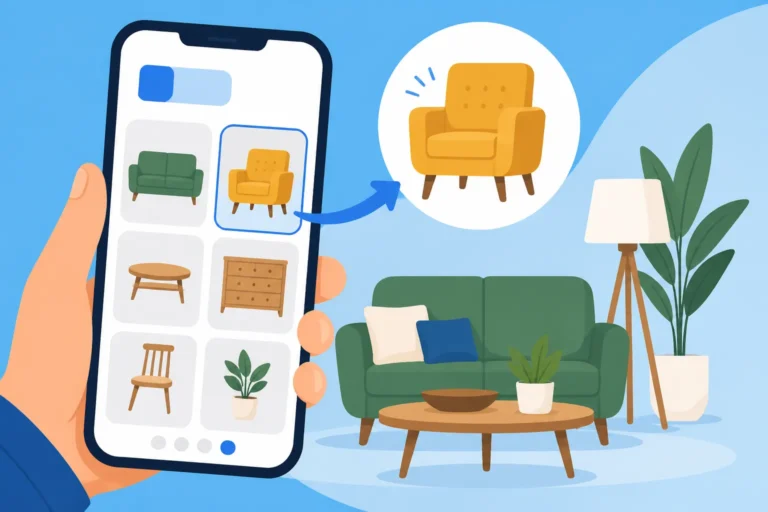
Savvy parents (both locals and expats) rely heavily on the second-hand market. Sites like Finn.no and apps like Tise are your best friends. You can find high-quality brands like Helly Hansen, Bergans, and Reima for a fraction of the retail price. Another great option is "Bua," a nationwide scheme where you can borrow sports and outdoor equipment (like skis, skates, or tents) for free. This is a game-changer for expat families who don't want to invest in expensive gear their child will outgrow in six months.
Subsidies and Benefits (Barnetrygd)
To offset the cost of living, the Norwegian state provides "Barnetrygd" (Child Benefit) to all families with children under 18 living in Norway. This is a monthly payment that is automatically granted if you are registered in the National Registry, though as an expat, you may need to apply through NAV initially to prove your residency status.
For families with very low income, there are additional supplements and housing grants available. It is also worth noting that Dental Care for Children in Norway: Free Public Dental Services means you don't have to worry about the cost of braces or checkups until they turn 18. When you factor in free education and subsidized daycare, the "high cost" of Norway starts to look much more manageable for a family than it does for a single person.
Integrating as an Expat Family: Social Life and Local Customs
The final piece of the puzzle is the social integration. For children, this usually happens naturally through school and sports. For parents, it requires a bit more effort. Understanding local customs will help you navigate everything from birthday parties to neighborhood volunteering.
Making Friends through Dugnad and Birthdays
Birthday parties in Norway are surprisingly standardized. There is usually a set "price limit" for gifts (often around 100-150 NOK) to ensure no child feels excluded. Parties are often held for the entire class or all the boys/girls in a grade. This inclusivity is a core Norwegian value.
Then there is the "Dugnad." Whether it’s at the daycare, the school, or your apartment building, you will be invited to join a communal work day. You might be raking leaves, painting a fence, or cleaning a playground. While it is technically voluntary, showing up is the fastest way to earn the respect of your neighbors. It shows that you are part of the community and willing to contribute. If you've used Spotahome to find a community-oriented neighborhood, these events will be the highlight of your social calendar.
Navigating Language Barriers for Kids
While most Norwegians speak excellent English, the social language of children is Norwegian. If your children are young, they will likely be fluent within six months of starting Barnehage. For older children, it can be more challenging. Encourage them to watch Norwegian TV (NRK Super is fantastic) and participate in local activities where they have to use the language.
As a parent, learning even basic Norwegian will go a long way. It shows the local parents that you are making an effort to integrate. While you might be tempted to stick to the expat bubble, your children’s experience will be much richer if you help them bridge the gap into the local culture. Stay connected with your support network back home using Airalo, but make sure your primary focus is on the community right outside your front door.
Disclaimer
This guide is intended for informational purposes only and does not constitute legal or professional advice. While we strive to provide the most up-to-date information regarding Norwegian laws and regulations as of 2026, policies can change. Always consult the official websites of the UDI, NAV, and your local municipality for the most current requirements and application procedures. Integration into a new country is a personal journey, and individual experiences may vary based on location and specific family circumstances.