What is eFaktura and AvtaleGiro? Setting Up Automatic Bills
Ah, the delightful world of Norwegian bill paying! I know, it sounds about as exciting as watching paint dry, but trust me, understanding the systems here can save you a mountain of stress and those dreaded late fees. If you've ever stared at a Norwegian invoice with a blank expression, wondering which of the many numbers is the "account number" and which is the "KID" (and what on earth a KID even is!), then this guide is for you. We're diving deep into eFaktura and AvtaleGiro, the two pillars of automated bill payment in Norway, to help you set them up and finally get some peace of mind.
The Headache of Norwegian Bills: A Shared Expat Experience
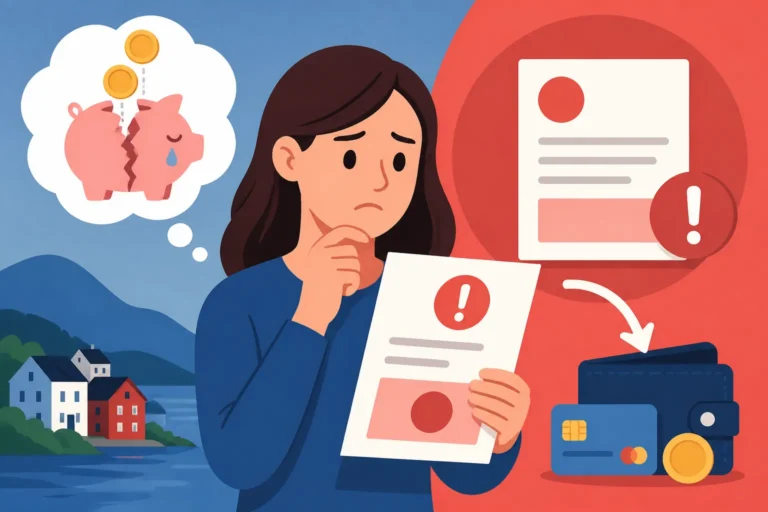
When you first arrive in Norway, everything feels new and exciting. Then the bills start rolling in, and suddenly, that smooth transition feels a lot bumpier. You're not alone if you've felt a pang of frustration or confusion when confronted with your first electricity bill, your phone invoice, or even your rent statement.
Why Bill Payment Can Feel Overwhelming
Back home, you might have been used to paper bills, direct debits that were easy to set up, or perhaps a simple online portal where you manually paid with your card. Norway, however, operates a bit differently, and it’s a steep learning curve. The country is rapidly moving towards a near-cashless society, and that extends to how you handle your finances. This means that a lot of the older, familiar ways of paying bills are either obsolete or actively discouraged. You might receive a physical paper bill, only to realize your bank prefers you don't manually type in all those long numbers. Then there's the language barrier; deciphering financial jargon in Norwegian is a challenge even for those with a decent grasp of the language. It's a system designed for efficiency, but it assumes a baseline understanding of Norwegian digital infrastructure that foreigners simply don't have.
Understanding the Norwegian Billing Landscape
At the heart of Norwegian bill payment lies the KID-nummer (Customer Identification Number). This isn't just a random string of digits; it's a unique identifier for your specific payment to that specific invoice. If you try to pay a bill without the correct KID number, your payment might get lost in the digital ether or, worse, returned to you, leaving your bill unpaid and accruing late fees. The vast majority of invoices in Norway, from your internet provider to your utilities, will come with a KID number. The system is set up to encourage automation – the fewer manual steps you take, the better. This is where eFaktura and AvtaleGiro come into play, streamlining a process that can initially feel quite archaic and frustrating for newcomers.
eFaktura: Your Digital Lifeline for Invoices
Imagine a world where your bills magically appear in your online bank, pre-filled with all the correct information, just waiting for your quick review and approval. That's the promise of eFaktura, and for many expats, it becomes an indispensable tool for managing monthly expenses.
What Exactly is an eFaktura?
An eFaktura is essentially an electronic invoice that is sent directly from the biller (like your electricity company, phone provider, or even your local municipality) straight into your online banking portal. Instead of receiving a paper bill in your physical mailbox or an email with a PDF attachment you then have to manually input, the eFaktura arrives as a structured data set within your nettbank (online bank). This means all the crucial details – the amount, the due date, the recipient's account number, and most importantly, the dreaded KID number – are already pre-filled. All you usually need to do is log into your bank, review the invoice, and click "approve." Some eFaktura might even offer the option to be automatically approved a few days before the due date, but this is usually an opt-in feature.
The benefits of eFaktura are manifold. Firstly, it's incredibly convenient. No more hunting for physical bills, no more typing in long numbers (and making costly mistakes!), and no more worrying about postal delays. Secondly, it's secure; the invoices come directly from verified senders to your protected bank account. Thirdly, it's environmentally friendly, reducing paper waste. Most importantly, it vastly reduces the chance of human error, ensuring your payments go to the right place at the right time.
How to Set Up eFaktura (and Why It's Sometimes Tricky)
Setting up eFaktura often sounds more complicated than it is, but there are a few quirks expats should be aware of. The primary method for activating eFaktura is through your online bank. Once you log in (usually with your indispensable BankID, which we'll discuss more later), look for a section related to "eFaktura" or "Avtaler" (agreements).
Here's a typical step-by-step:
- Log in to your online bank: This usually requires your BankID. If you're struggling with this, you might find our guide on Overcoming the BankID Block: Workarounds for D-Number Holders helpful.
- Navigate to the eFaktura section: This might be under "Betaling" (Payments), "Avtaler" (Agreements), or sometimes a dedicated "eFaktura" tab.
- "Ja takk til alle" (Yes to all) or individual agreements: Many banks offer a "Ja takk til alle" option, which means you consent to receive eFaktura from any company that sends you a bill and offers eFaktura service. This is often the easiest route. Alternatively, you can sometimes search for specific billers and set up individual eFaktura agreements.
- Wait for it to activate: Once you've accepted, future bills from participating companies should start appearing as eFaktura. This might take one billing cycle to kick in.
The trickiest part for new expats is often the initial lack of a BankID, which is the cornerstone of Norwegian digital identity. Without it, your online banking functionality is severely limited, making it hard to set up eFaktura. Some banks might allow limited setup using a simple kodebrikke (code chip) or mobile code, but BankID is truly the gold standard. Once you have your fødselsnummer (national identity number) and have been with a Norwegian bank for a while (many of the Best Norwegian Banks for Expats: DNB, Nordea, SpareBank 1, and Sbanken are good at guiding expats through this), getting BankID should be a priority.
It’s also important to note that not all companies offer eFaktura. While it's widespread, especially for major utilities and service providers, some smaller businesses or one-off invoices might still come as paper or PDF. Many larger companies will simply start sending you eFaktura once they have your national identity number or D-number linked to your bank account, often without you even having to explicitly "agree" to it via your bank.
Managing Your eFaktura: Approval and Overview
Once eFaktura is set up, your online bank will typically have a dedicated area to show you all your incoming electronic invoices. This is usually listed under a menu item like "Mine eFaktura" or similar.
Here, you'll see:
- The sender of the bill (e.g., your electricity company, internet provider).
- The amount due.
- The due date.
- The option to "Godkjenn" (Approve) or "Endre" (Change) the payment.
You still have control over each eFaktura. Before approving, you can click on it to view the full details of the invoice, just as you would with a paper bill. This is especially useful for variable bills like electricity, where you want to check consumption, or for things like credit card statements where you want to review transactions. While the aim is automation, it's still good practice to give them a quick glance before hitting that approve button. Most banks will send you a notification (either via email, SMS, or their banking app) when a new eFaktura arrives, so you don't have to constantly log in and check.
AvtaleGiro: The Ultimate Set-It-and-Forget-It Payment
While eFaktura streamlines bill review and approval, AvtaleGiro takes automation a step further, offering true "set-it-and-forget-it" convenience for recurring payments. This is where you really start to feel like you've conquered Norwegian bureaucracy.
What is an AvtaleGiro (Direct Debit)?
An AvtaleGiro is Norway's equivalent of a direct debit. Once you set it up, you authorize a specific company to automatically withdraw a certain amount from your bank account on a predetermined date, usually the due date of the bill. The key difference from eFaktura is that with AvtaleGiro, you don't need to manually approve each payment every time an invoice comes in. After the initial setup, the payments happen automatically until you cancel the agreement.
This system is perfect for predictable, recurring expenses where the amount is either fixed or doesn't fluctuate wildly, and you don't need to review every single transaction. Common examples include:
- Rent payments
- Loan installments (mortgage, car loan)
- Insurance premiums (Mandatory Insurance in Norway: Home Contents (Innboforsikring) and Auto are often paid this way)
- Gym memberships
- Subscription services
- Union fees
The beauty of AvtaleGiro is that it ensures your bills are always paid on time, removing the risk of late fees due to forgetfulness or travel.
Setting Up AvtaleGiro: The Process and Pitfalls
Setting up an AvtaleGiro is similar to eFaktura, primarily done through your online bank or sometimes directly with the biller.
Here's how it generally works:
- Via your online bank: Log in with your BankID. Look for a section like "AvtaleGiro" or "Avtaler" (Agreements) and choose to create a new agreement. You'll then typically need to provide the biller's account number and, crucially, a KID number from one of their recent invoices to link the agreement correctly. Your bank will often present you with a list of companies that frequently use AvtaleGiro and prompt you to set it up if you've recently paid them.
- Directly with the biller: Some companies, especially utility providers or landlords, might have an option on their website or in their initial contract to set up AvtaleGiro. They will ask for your bank account number and provide a form for you to authorize the direct debit.
Pitfalls to watch out for:
- Waiting period: It can take a billing cycle or two for an AvtaleGiro to become active. During this transition, you might still need to pay your bill manually or via eFaktura. Always confirm with your bank or the biller when the first automatic payment will occur.
- Insufficient funds: This is a big one! If there aren't enough funds in your account when an AvtaleGiro payment is due, the payment will fail. This can lead to reminder fees (
purregebyr) and eventually, if left unpaid, debt collection notices. If you know your account might be low, ensure you transfer funds in advance. - Overpayments/Service ends: If you cancel a service (e.g., a gym membership, an insurance policy), you must also remember to cancel the associated AvtaleGiro. The company won't always automatically stop the direct debit, and you could end up paying for a service you no longer receive. This requires you to be proactive.
- First payment: Sometimes, the first payment needs to be done manually, and then the AvtaleGiro kicks in for subsequent payments. Always read the instructions from your biller carefully.
Oversight and Control: Not Entirely Hands-Off
While AvtaleGiro is about automation, it's not entirely hands-off. You maintain oversight and control through your online bank:
- Viewing upcoming payments: Your
nettbankwill show you a list of all active AvtaleGiro agreements and usually a forecast of upcoming payments. This allows you to ensure funds are available and that the amounts look correct. - Pausing or cancelling: You can pause an AvtaleGiro payment if you have a dispute with the biller or cancel it entirely through your online bank. This is typically straightforward. If you cancel, it's a good idea to also inform the biller directly to avoid any confusion.
- Monitoring: Even with AvtaleGiro, it's wise to occasionally review your bank statements to ensure everything is being paid correctly and that no unexpected withdrawals are occurring. Remember, transparency in all financial dealings is key, especially when dealing with entities like Taxes for Expats.
eFaktura vs. AvtaleGiro: Choosing Your Automation Strategy
Understanding when to use eFaktura and when to opt for AvtaleGiro is key to mastering your Norwegian finances. They both offer automation, but with different levels of oversight.
Key Differences and When to Use Each
Let's break down the main distinctions to help you decide:
| Feature | eFaktura (Electronic Invoice) | AvtaleGiro (Direct Debit) |
|---|---|---|
| Approval | Manual approval required for each payment (unless auto-approved is opted) | No manual approval after initial setup; payments are automatic |
| Control Level | High – you review and approve each bill individually | Medium – you set it up once, but should monitor account for issues |
| Payment Trigger | Your approval in online bank | Automatic withdrawal on due date (after your initial authorization) |
| Ideal For | Variable bills, bills you want to review, first-time payments | Fixed or highly predictable recurring bills (e.g., rent, gym, loans) |
| Typical Use | Electricity, credit cards, municipal fees, some insurance | Rent, loan payments, subscriptions, predictable insurance premiums |
| Notifications | Usually receive notification when new eFaktura arrives | May receive notification of upcoming payment, but not always required |
| Cancellation | Simply don't approve the eFaktura, or cancel the agreement | Must actively cancel the agreement in your bank (and inform biller) |
Choosing between the two depends on your personal preference for oversight and the nature of the bill. For instance, your utility bills might fluctuate significantly depending on the season, so an eFaktura allows you to check the consumption details before payment. On the other hand, your rent is likely a fixed amount each month, making an AvtaleGiro a perfect "set-and-forget" solution.
Combining the Best of Both Worlds
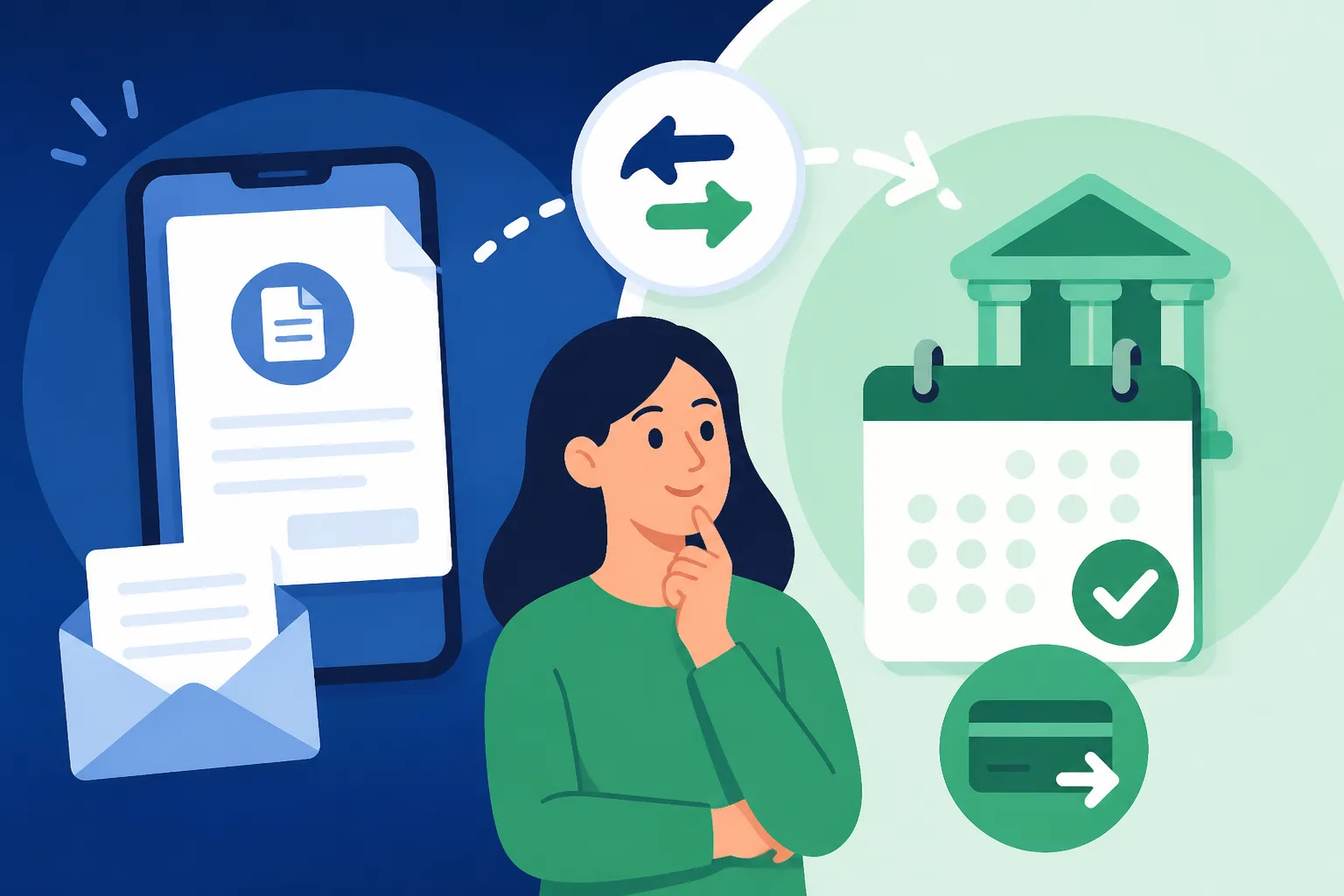
The truly golden ticket, which many expats overlook initially, is the combination of eFaktura-AvtaleGiro. This hybrid solution gives you the best of both worlds:
- You receive an eFaktura: The electronic invoice still lands in your online bank, allowing you to see the details of the bill.
- It's automatically paid via AvtaleGiro: Once you've established this combined agreement, the bill will be paid automatically on the due date, just like a regular AvtaleGiro.
This setup is fantastic because you get the convenience of automation and the transparency of having the detailed invoice readily available in your bank portal. You can quickly glance at your incoming eFaktura, confirm the amount looks right, and know it will be paid without any further action. Many larger service providers, especially utility companies, will offer this combined option. When you're setting up an eFaktura, check if there's an option to "automatically pay via AvtaleGiro" or similar wording. It’s highly recommended for most recurring bills where you appreciate the overview but don’t want the hassle of manual approval.
Troubleshooting Common Issues for Expats
Even with these systems in place, things can sometimes go sideways. Here are some common issues expats face and how to tackle them.
"I Don't See My Bills!"
This is a frequent complaint, and it's incredibly frustrating when you know a bill is due but can't find it.
- Check your BankID status: Seriously, BankID is the key. If your BankID isn't fully active or you're a D-number holder still waiting for your
fødselsnummer, your access to full online banking features might be limited. This can impact your ability to receive eFaktura. Our guide on BankID Explained: Norway's Digital Identity System and Expat Challenges delves into this. - Correct bank account: Double-check that you're logging into the bank account associated with the service. If you have multiple bank accounts (perhaps one for joint expenses, one for personal), the eFaktura might be linked to the other.
- Contact the biller directly: If you suspect an eFaktura should be coming but isn't, call the company that issued the bill (e.g., your internet provider, power company). Ask them if they offer eFaktura and if it's set up for your customer ID. They can often manually activate it or tell you if they don't offer it.
- Look for paper bills: In the interim, always keep an eye on your physical mailbox. If digital bills aren't showing up, a paper one might eventually arrive, giving you the KID number you need to pay manually or to set up the eFaktura.
- Check Helsenorge: While not for financial bills, Helsenorge is a central hub for official communication regarding your health, tax information, and more. Sometimes, important documents can pop up there, and it’s a good example of how Norway centralizes digital services.
"My Payment Failed!"
A failed payment is a nightmare, often resulting in dreaded purregebyr (reminder fees).
- Insufficient funds: The most common reason. Always ensure there's enough money in your account, especially around the due date for AvtaleGiro. Norwegian banks are strict; they won't typically allow an overdraft for a failed direct debit.
- Expired agreement: For AvtaleGiro, if the original agreement was tied to a specific account that's now closed or changed, the payment will fail.
- Incorrect KID number (manual payments): If you're manually paying a bill because eFaktura or AvtaleGiro isn't set up, a wrong KID number is a recipe for disaster. Always double and triple-check those digits.
- What to do: If a payment fails, your bank will usually notify you. Log in immediately, check what happened, and if it was an AvtaleGiro, you'll likely need to pay the outstanding bill manually (plus any reminder fees). Be aware that Norway has strict rules around Dealing with Debt Collection (Inkasso): Strict Norwegian Late Fees, so addressing failed payments swiftly is crucial. If you are unsure, contact your bank or the biller.
Language Barriers and Support
The language barrier is a significant hurdle, especially with legal and financial documents.
- Translation tools: Use browser extensions or online tools to translate sections of your online bank or invoices. Google Translate is your friend here.
- Bank customer service: Most major Norwegian banks (like DNB, Nordea, SpareBank 1) have English-speaking customer service. Don't hesitate to call them for assistance with setting up payments or understanding your account. Be patient, as wait times can sometimes be long.
- Biller customer service: Similarly, many larger companies will have English support.
- Understand the fine print: When dealing with financial matters, it's vital to grasp the implications. This applies to everything from your taxes to your general financial obligations. If you're confused about anything, whether it's Understanding Your Skattekort (Tax Deduction Card) and How to Change It or simply managing your day-to-day bills, seek clarification. For complex financial situations or international money transfers, services like Wise can be beneficial, but always ensure you understand their terms and conditions too.
Pro-Tips for Expats Navigating Norwegian Finances
Beyond just setting up eFaktura and AvtaleGiro, here are a few extra tips to help you stay on top of your finances in Norway.
Centralizing Your Digital Life
Norway loves centralization. Get familiar with the digital platforms that gather your personal information and services. While Helsenorge.no is primarily for health, it's a good example of how official digital services converge. Think about creating a personal system to keep track of all your ongoing agreements – a simple spreadsheet noting what bills you have, which payment method is used (eFaktura, AvtaleGiro, manual), and when they're due. This becomes your personal financial dashboard. Don't forget to register your bank account for potential How to Register Your Bank Account for Tax Refunds from Skatteetaten from the tax authorities.
The Importance of BankID
I can't stress this enough: get a BankID as soon as humanly possible. It's not just for banking; it's your digital signature for almost everything official in Norway. You'll need it to access government services (like Skatteetaten, NAV), sign contracts digitally, and generally participate in Norway's highly digitized society. It unlocks all the convenience of eFaktura and AvtaleGiro. Without it, you'll constantly hit roadblocks and find yourself relying on less efficient, more manual processes.
Staying Organized and Proactive
Even with automation, staying organized is key.
- Regularly check bank statements: Make it a habit to log into your
nettbankonce a week or every couple of weeks. Quickly scan your transactions to ensure everything looks correct and that no unexpected payments have gone through or missed. - Set reminders: For any bills that can't be fully automated (rare, but it happens), set calendar reminders on your phone or computer a few days before the due date.
- Understand your obligations: Your financial life in Norway is tied into many other systems, including the Folketrygden Basics: Who is Covered by the National Insurance Scheme and how that impacts healthcare costs like User Fees (Egenandel) for Doctor Visits Before Reaching Frikort Status. The more you understand these connections, the better equipped you'll be to manage your overall financial health.
By embracing eFaktura and AvtaleGiro, you're not just automating bill payments; you're actively integrating into the Norwegian way of managing finances, reducing stress, and freeing up time to enjoy this beautiful country. It might feel like a lot to learn upfront, but once it's set up, it truly does make life here much smoother.
Disclaimer
The information provided in this guide is for general informational purposes only and does not constitute financial or legal advice. While we strive to provide accurate and up-to-date information, regulations and processes in Norway can change. It is always recommended to consult with your bank, Skatteetaten (the Norwegian Tax Administration), UDI (the Norwegian Directorate of Immigration), or a qualified financial advisor for advice tailored to your specific situation.