Can I Use Revolut or Wise as My Primary Bank in Norway?
Let's be honest, arriving in Norway as an expat often feels like stepping into a financial maze, especially when you’re trying to get basic things like a bank account sorted. Many of us arrive full of optimism, only to be met with a bureaucratic wall when the local banks tell us we need a fødselsnummer (national identity number) or a permanent address just to open an account. It’s no wonder so many turn to modern fintech solutions like Revolut or Wise, hoping they can bypass the traditional hurdles. This guide is going to dive deep into whether these digital darlings can truly serve as your primary bank in Norway, dissecting their strengths, limitations, and the absolute necessities of Norwegian financial life.
The Allure of Fintech for Expats in Norway
When you first land in Norway, the last thing you want is more paperwork and waiting games. Traditional banking here can feel like a throwback to a bygone era, especially when you’re used to instant gratification and seamless digital services. This is precisely where fintech companies have stepped in, offering a glimmer of hope to frustrated newcomers.
Why Traditional Norwegian Banks Can Be a Headache
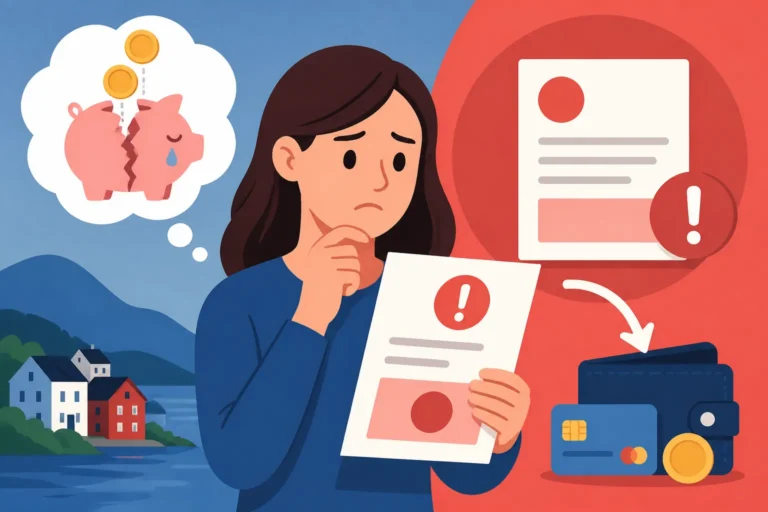
Navigating the Norwegian banking landscape as a new expat can be incredibly frustrating, often feeling like a catch-22 situation. You need a bank account to get paid, but you can’t get a bank account without a fødselsnummer or, at the very least, a D-number, and often a valid ID with an RFID chip. For many, the process of securing a D-number itself can take weeks or even months after you've registered with the police and UDI. Imagine having a job offer in hand, ready to start, but no way for your salary to be paid because the local banks won't open an account for you without that elusive number. It's a common story, and one that leads to considerable stress for new arrivals who simply want to get on with their lives.
Beyond the initial hurdle of identification, the bureaucracy can feel slow-moving. While Norwegian banks are perfectly functional once you're in the system, the initial setup can involve multiple trips to a branch, waiting for physical cards to arrive, and navigating forms in Norwegian if you're not yet proficient in the language. The perceived lack of flexibility or instant digital solutions, especially when compared to banking experiences in other countries, often leaves expats looking for alternatives.
What Revolut and Wise Offer New Arrivals
Enter Revolut and Wise (formerly TransferWise), two of the most popular fintech companies that have gained a loyal following among expats worldwide, and certainly here in Norway. Their appeal is immediate and obvious: they are designed for international living. You can typically set up an account with just your passport and proof of address, often before you even arrive in Norway. This means you can have a functioning account, complete with a debit card, in a matter of days rather than weeks or months.
These platforms boast multi-currency accounts, allowing you to hold and exchange money in various currencies with competitive exchange rates, often significantly better than what traditional banks offer. This is a huge advantage if you're frequently sending money home, receiving payments from abroad, or traveling outside Norway. The apps are sleek, user-friendly, and provide instant notifications for every transaction, giving you a real-time overview of your spending. For anyone juggling finances across borders, these features feel like a godsend, simplifying what used to be a complex and costly endeavor. Wise, in particular, is renowned for its transparency and low fees when it comes to international money transfers, making it a go-to for many expats sending funds to loved ones or managing foreign investments.
The Reality of Using Revolut or Wise as Your "Primary" Bank in Norway
While the convenience of Revolut and Wise is undeniable, the concept of using them as your primary bank in Norway is where reality often diverges from expectation. Norway has a unique digital ecosystem, and truly integrating into it financially requires more than just an international debit card.
The Crucial Role of BankID in Norwegian Life
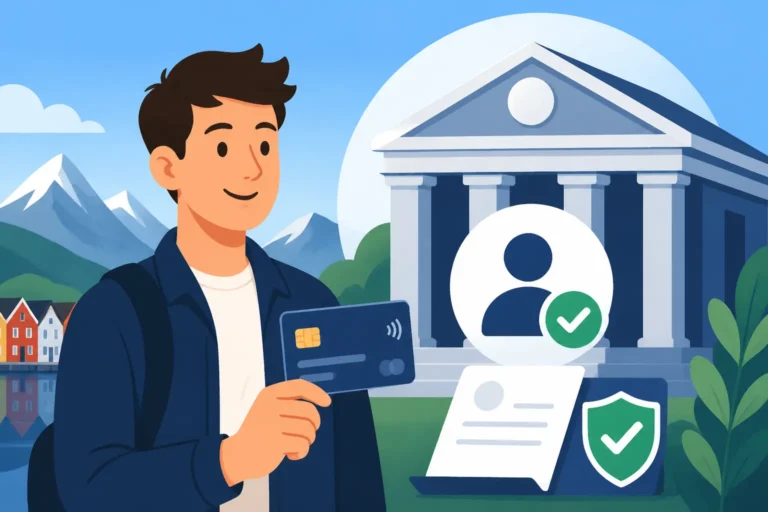
This is perhaps the biggest and most critical distinction you need to understand. BankID is Norway's national electronic identification system, and it is absolutely ubiquitous. Think of it as your digital signature, your secure login for almost every official and essential service in Norway. You use BankID to log into your online banking, access your tax information on Skatteetaten, manage your healthcare appointments on Helsenorge, apply for housing, sign contracts, pay bills, and even register your address with the authorities. Without BankID, participating fully in Norwegian digital society is virtually impossible.
The stark reality is that neither Revolut nor Wise can provide you with BankID. BankID is issued exclusively by Norwegian banks to customers who have a fødselsnummer or a D-number, and a verified identity through a traditional banking relationship. This means if you rely solely on a fintech account, you will constantly hit roadblocks when trying to manage your life in Norway. Imagine trying to file your tax return (your skattemelding) without BankID – it's a monumental challenge, if not impossible, for most digital interactions. It truly underscores why understanding BankID Explained: Norway's Digital Identity System and Expat Challenges is so vital for anyone living here.
Limits on Local Services: Vipps, Loans, and Direct Debits
Beyond BankID, there are several other practical limitations to using Revolut or Wise as your primary bank.
First up is Vipps, Norway’s incredibly popular mobile payment app. Vipps is essentially a payment system that everyone uses, from splitting restaurant bills with friends to paying small businesses, donating to charities, or even paying for certain public services. To use Vipps, you absolutely need a Norwegian fødselsnummer or D-number, and a Norwegian bank account. While some D-number holders might get Vipps with certain banks, it's not a guarantee and certainly not possible with Revolut or Wise. So, if your friends are all Vippsing money back and forth, you’ll be stuck transferring old-school bank transfers, or, heaven forbid, using cash. Setting Up Vipps: The Requirements for Norway’s Leading Mobile Payment is a good resource to understand this barrier.
Then there’s the issue of direct debits (known as AvtaleGiro) and electronic invoices (eFaktura). Most utility bills, rent payments, mobile phone contracts, and other regular expenses in Norway are set up through these systems directly with a Norwegian bank account. Without one, you’ll find yourself manually making payments, which can be cumbersome and risks late fees. Imagine forgetting to pay your electricity bill because you’re constantly having to log in and make a manual transfer from your Revolut account. It's an unnecessary complication.
Lastly, and perhaps most importantly for long-term residents, is the inability to access credit and build a financial history. If you ever plan to buy property, secure a car loan, or even get a personal loan in Norway, you will need a strong relationship with a Norwegian bank. Fintech companies like Revolut and Wise do not offer these services in Norway, nor do they contribute to building a credit score within the Norwegian system. Without a local banking history, these doors will remain firmly shut.
Tax Implications and Reporting
While Revolut and Wise offer convenient ways to manage your money internationally, it’s crucial not to overlook your tax obligations in Norway. As a tax resident of Norway, you are generally required to declare all your worldwide income and assets to Skatteetaten (the Norwegian Tax Administration). This includes balances held in foreign bank accounts, even those with fintech companies.
Failure to declare these accounts can lead to significant penalties. While the process of declaring foreign accounts might be relatively straightforward once you’re filing your annual tax return (your skattemelding), it’s an extra layer of administrative work you need to be aware of. Many expats, particularly those with complex financial situations, often seek advice from specialists like "Taxes for Expats" to ensure they are fully compliant with Norwegian tax laws, which can be quite different from their home countries. You'll need to report your balances, any interest earned, and potentially any capital gains from investments held in these accounts. This further solidifies why relying solely on a fintech account can create more headaches than it solves when it comes to official government dealings. Filing Your Tax Return (Skattemelding): Deadlines and Common Deductions offers more context on the tax landscape here.
A Balanced Approach: Combining Fintech with Traditional Norwegian Banking
So, does this mean you should ditch Revolut and Wise entirely? Absolutely not! The trick is to understand their strengths and integrate them smartly into your overall financial strategy, rather than trying to force them into a role they’re not designed for in Norway.
When Revolut and Wise Shine
These digital banks truly excel in certain areas, making them indispensable tools for the internationally-minded expat.
- International Travel and Spending: When you travel outside Norway, a Revolut or Wise card is often your best friend. They offer excellent exchange rates and low or no fees for spending in foreign currencies, saving you a considerable amount compared to using a traditional Norwegian bank card. You can easily hold multiple currencies, convert money when the rates are favorable, and avoid those pesky foreign transaction fees.
- Sending Money Home: If you frequently send money back to your home country, perhaps to support family or pay off debts, Wise is an absolute champion. Their transparent fee structure and competitive exchange rates often make it the cheapest and most efficient way to transfer funds internationally. Many expats find Wise indispensable for these cross-border transactions, beating traditional banks hands down.
- Budgeting and Expense Tracking: Both apps offer fantastic budgeting tools and instant spending notifications. This can be incredibly helpful for tracking your international expenses, separating your "Norway money" from your "travel money," and generally keeping a tighter rein on your finances. The detailed categorization of spending can give you insights that traditional bank statements might lack.
The Non-Negotiable Need for a Norwegian Bank Account
Despite all the perks of fintech, a traditional Norwegian bank account is simply non-negotiable for anyone planning to live and work in Norway long-term. This is your gateway to full financial integration and participation in society.
Your Norwegian bank account will be where your salary is paid, where you set up all your essential bills via AvtaleGiro and eFaktura, and most importantly, it’s the prerequisite for obtaining BankID. Once you have a Norwegian bank account and BankID, a whole new world of digital convenience opens up, from managing your healthcare to interacting with government services. Without it, you’ll constantly feel like you’re on the outside looking in.
The good news is that while challenging initially, it’s absolutely possible to Banking in Norway: How to Open an Account as a Foreigner. Most banks require a D-number, which you typically get after registering with the police and UDI. Some banks are more expat-friendly than others, so it's worth doing your research. For a clearer understanding of the ID numbers, refer to D-Number vs Fødselsnummer: How It Affects Your Banking Options. Once you have your D-number and have completed the necessary identity checks, the process becomes much smoother.
Practical Tips for Managing Your Finances as an Expat in Norway
Living in Norway, with its high cost of living and unique financial systems, requires a thoughtful approach to managing your money. Here are some actionable tips to help you navigate it all:
- Prioritize a Norwegian Bank Account: Make opening a Norwegian bank account your top financial priority as soon as you have your D-number (or even better, your fødselsnummer). This will unlock BankID and allow you to fully integrate into the local financial system. Don't delay this, as many other aspects of your life will depend on it.
- Use Fintech Strategically: Once you have your Norwegian account set up, leverage Revolut or Wise for what they do best: international transfers, travel spending, and currency exchange. Think of them as excellent supplementary tools, not replacements for your primary Norwegian bank. For example, you might transfer a portion of your Norwegian salary to Wise for sending home, or top up your Revolut card before a trip to Sweden.
- Understand Your Tax Obligations: Be fully aware of the Norwegian tax rules regarding foreign accounts. It's your responsibility to declare all income and assets. If in doubt, consult with a tax advisor or check the Skatteetaten website directly. Companies like "Taxes for Expats" specialize in helping foreigners navigate these complexities, ensuring you stay on the right side of the law.
- Budget, Budget, Budget: Norway is expensive, there's no way around it. Carefully budgeting for everything from groceries to transportation, and understanding the real Cost of Living in Norway 2026: Budgeting for Singles and Families, is crucial. The budgeting features in apps like Revolut can be very helpful here, but also consider traditional spreadsheets or local budgeting apps.
To give you a clearer picture, here's a quick comparison:
| Feature/Service | Traditional Norwegian Bank (e.g., DNB, Nordea) | Fintech (e.g., Revolut, Wise) |
|---|---|---|
| Account Opening | Requires Fødselsnummer/D-number, often in-person. | Easy online, often with just passport & proof of address. |
| BankID | YES – essential for all digital government/official services. | NO – cannot provide BankID. |
| Vipps Integration | YES – seamless integration. | NO – not compatible with Norwegian Vipps. |
| Salary Deposit | YES – standard for Norwegian employers. | Possible, but not always preferred/seamless for all employers. |
| Direct Debits/eFaktura | YES – standard for utilities, rent, etc. | NO – manual payments required. |
| Loans/Mortgages | YES – essential for credit history & applications. | NO – do not offer these services in Norway. |
| International Transfers | Possible, but often with higher fees/less favorable rates. | YES – often cheaper, faster, and better rates (Wise excels here). |
| Multi-currency Accounts | Limited/Complex, usually through separate services. | YES – core feature, easy to manage multiple currencies. |
| Physical Branches | YES – in-person support available. | NO – purely online/app-based. |
| Customer Support | Varies, often phone/online, some English. | App-based chat support, typically 24/7. |
| Tax Reporting | Automatically reported to Skatteetaten (income/interest). | Manual declaration of foreign balances/income required. |
Disclaimer
The information provided in this guide is for general informational purposes only and does not constitute financial, legal, or tax advice. While we strive to provide up-to-date and accurate information, regulations and services in Norway can change rapidly. Always consult with a qualified professional for advice tailored to your specific situation.