Mandatory Insurance in Norway: Home Contents (Innboforsikring) and Auto
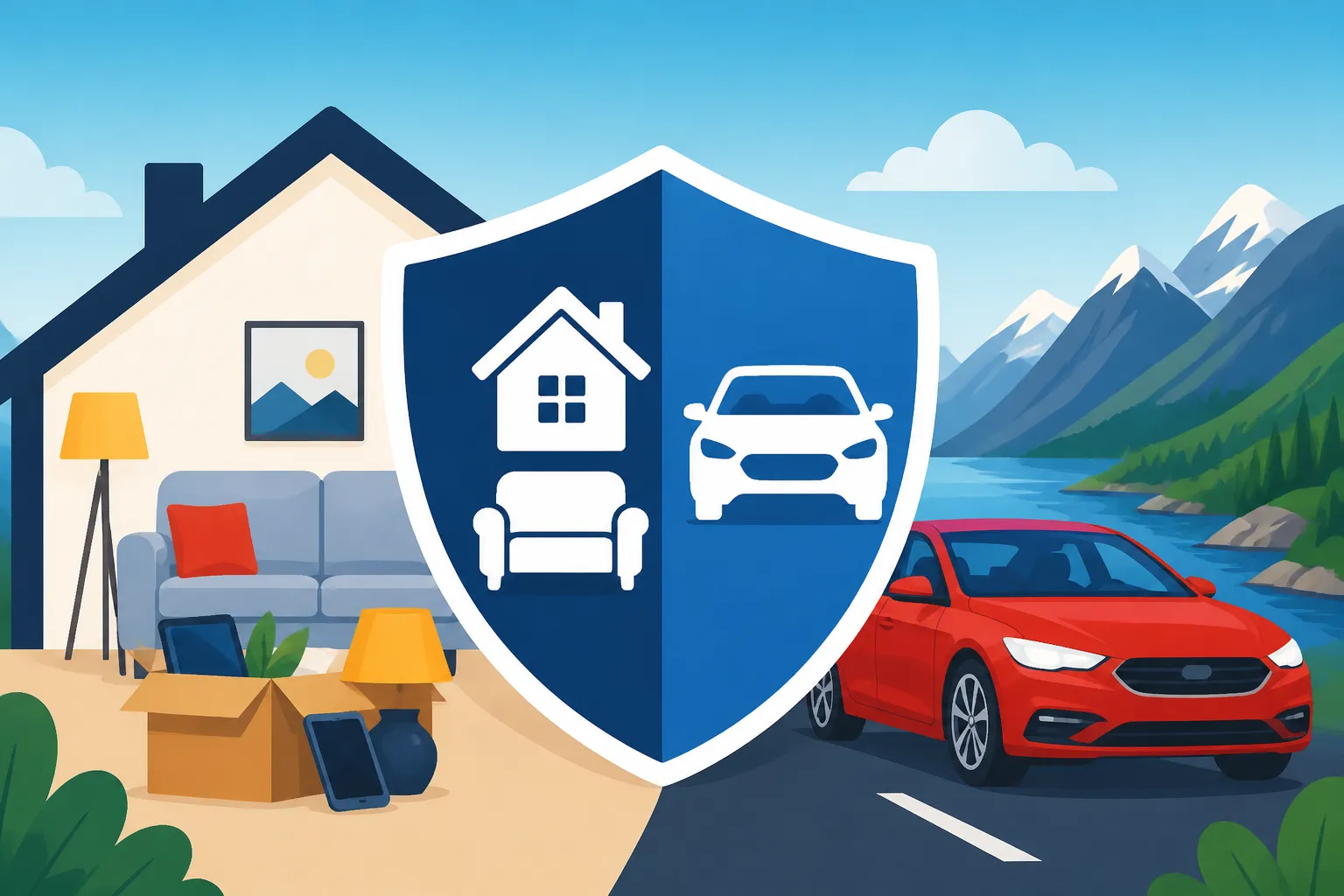
Oh, the joy of moving to Norway! You've navigated the visa process, maybe even landed a job, and now you're trying to figure out how to keep your life here from falling apart financially if something unexpected happens. Suddenly, you're faced with forms and terms like innboforsikring and bilforsikring, and you're left wondering what's actually mandatory, what's just a good idea, and why everything seems so unnecessarily complicated. This guide is here to untangle the often-confusing world of mandatory insurance in Norway for expats, particularly focusing on your home contents and your car.
Understanding the Norwegian Insurance Landscape
Moving to Norway, you quickly realize that while the state provides an incredibly robust social safety net through the Folketrygden (National Insurance Scheme) that covers things like healthcare and pensions, there's still a significant private insurance market you'll need to engage with for your everyday life. It’s easy to assume that if the government takes care of so much, they must handle everything else too. This isn't quite the case, and understanding where public provision ends and private responsibility begins is key to protecting yourself and your assets here.
The "Mandatory" Misconception
When you hear "mandatory insurance," your mind might jump to governmental mandates, enforced by law with hefty penalties. In Norway, for the average individual, this is largely true only for one specific type of insurance: third-party liability for vehicles. Everything else, while not strictly "mandatory" by law in the same way, is often a requirement from another entity, like a landlord or a bank, or simply such a fundamental necessity that you’d be foolish to go without it. It's a subtle but crucial distinction that many expats initially miss, leading to confusion. No one from the state is going to fine you for not having contents insurance, but your landlord certainly might make it a condition of your lease, and your wallet will definitely feel the pinch if your belongings are stolen or damaged without it.
This often leads to a bit of a headache as you're trying to get set up. You might be told by a landlord that innboforsikring is mandatory, and technically, they are mandating it, not the Norwegian government. This kind of situation can feel like a moving target when you're still grappling with the language and cultural nuances. It’s part of the broader administrative challenge of settling in, much like navigating your taxes as an expat or figuring out how to use the various digital services.
Folketrygden's Role: Public vs. Private Protections
The Folketrygden is Norway's national social security system, covering an impressive array of benefits from sickness and unemployment to pensions and family allowances. It's a cornerstone of the welfare state and something you contribute to through your income taxes. When it comes to things like your health, Folketrygden covers most of your medical expenses, often after you've reached your annual Frikort exemption card limit. So, in many ways, the state acts as a massive, overarching insurance provider for your person.
However, Folketrygden does not cover damage to your personal property, your car, or liability for damages you might accidentally cause to someone else's property (beyond specific, very limited circumstances, usually involving state-funded services). That’s where private insurance steps in. Think of it this way: the government ensures you have a safety net for your health and livelihood, but it's up to you to protect your possessions and cover potential liabilities from your actions. This clear division is important to grasp. While many of us from other countries are used to private health insurance, here it's typically for things outside of direct bodily health, like your belongings.
Home Contents Insurance (Innboforsikring): More Than Just Your Sofa
So, let's talk about innboforsikring. The direct translation is "contents insurance," and it's something you absolutely, positively need, whether you own your home or rent an apartment. Many expats initially think, "I don't have that much stuff," or "My landlord probably covers it." Wrong on both counts, my friend. Your landlord's insurance covers the building itself, not your personal belongings inside it. If there's a fire or a flood, their policy will repair the walls and roof, but it won't replace your laptop, clothes, or furniture.
Why Innboforsikring is Essential for Renters and Owners
For renters, innboforsikring is often a non-negotiable part of your lease agreement. Landlords frequently require proof of it, and for good reason. Imagine a burst pipe in your upstairs neighbor's apartment floods yours, ruining all your electronics and furniture. Without innboforsikring, you'd be out of pocket for everything. It's not just about covering your own items; many policies also include a liability component (ansvarforsikring) that protects you if you accidentally cause damage to the property itself or to a neighbor's property. This could be anything from leaving the tap running and causing a flood to a small kitchen fire that spreads. Trust me, you do not want to be on the hook for those costs in Norway. The price of repairs here can be staggering.
For homeowners, while no one is strictly "forcing" you to get innboforsikring in the same way a landlord might, it's equally crucial. Your home building insurance (bygningsforsikring) will cover the structure, but once again, your personal belongings are separate. If your house is broken into, or if a storm causes damage that ruins your furniture, your innboforsikring is what saves you. It’s about peace of mind and protecting the financial investment you've made in your life here. Even if you're still saving up for that dream house and just renting, getting your head around the ins and outs of renting in Norway, including insurance requirements, is vital.
What Innboforsikring Typically Covers
A standard innboforsikring policy in Norway is surprisingly comprehensive. It's not just about protecting your belongings inside your home; it often extends to cover them outside too, albeit usually with a lower maximum coverage amount. Here's a breakdown of what you can usually expect:
- Fire and Water Damage: This is a big one. Think accidental fires, smoke damage, or water damage from burst pipes, leaky roofs, or even washing machine malfunctions. Given Norway's climate, water damage can be a real risk, especially during periods of heavy rain or snowmelt.
- Theft and Vandalism: If your home is broken into, your policy will cover stolen items and damage caused by the break-in. This coverage often extends to items stolen from a locked storage unit in your building's common area or even from your car, though limits apply.
- Natural Disasters: Damage from storms, floods (specific types, check your policy!), landslides, and other natural events. While Norway is beautiful, it's also a country with powerful nature, and these things do happen.
- Liability Coverage (Ansvarsforsikring): As mentioned, this is a huge benefit. If you accidentally cause damage to someone else's property or injure someone, your policy will cover the costs. This can be invaluable if, for example, your child breaks a neighbor's expensive window playing football, or you cause an accident at home that impacts another unit.
- Travel Insurance (Reiseforsikring): Many innboforsikring policies actually include a basic level of travel insurance for you and your family, typically for trips within Norway or short trips abroad. This often covers lost luggage, delays, and some medical emergencies while traveling. It's worth checking the specifics, as it might mean you don't need a separate policy for casual travel.
It's important to be realistic about the value of your belongings. Go through your home and make a mental (or actual) inventory. That IKEA furniture might not seem like much, but replacing an entire apartment's worth of furniture, electronics, and clothing adds up incredibly fast, especially with Norwegian prices.
Key Considerations When Choosing Your Policy
When you're comparing innboforsikring policies, it’s not just about finding the cheapest option. Here are some things to really dig into:
- Sum Insured (Forsikringssum): This is the maximum amount your insurer will pay out. You need to ensure this is high enough to cover the full replacement cost of all your belongings. Underinsuring yourself to save a few hundred kroner a year is a false economy. Most companies will have a calculator or guide to help you estimate this, but be honest with yourself about the value.
- Deductible (Egenandel): This is the amount you pay out-of-pocket for each claim before the insurance kicks in. A higher deductible usually means lower monthly premiums, but make sure you can comfortably afford to pay it if you need to make a claim.
- Specific High-Value Items: Do you have an expensive bike, a high-end camera, or valuable jewelry? Standard innboforsikring might have limits on these, especially if they're taken outside the home. You might need to add specific riders or an "utvidet dekning" (extended coverage) to ensure these items are fully protected.
- All-Risk (Superinnbo or Allrisk): Some policies offer an "all-risk" option, often called Superinnbo or Allrisk. This covers sudden and unforeseen damages that aren't specifically listed in the basic policy (e.g., you accidentally spill coffee on your laptop). It's usually a bit more expensive but offers much broader protection.
- Customer Service and English Support: As an expat, being able to communicate effectively when making a claim is paramount. Some larger insurance companies like If, Gjensidige, and Storebrand are generally good with English support. Don't be afraid to call and test their service before committing.
Auto Insurance (Bilforsikring): Navigating the Roads Safely and Legally
Now, let's switch gears to bilforsikring, or auto insurance. If you're going to drive a car in Norway, this is where "mandatory" really kicks in from a legal standpoint. There are no two ways about it: you cannot drive a car here without at least third-party liability insurance. The system is designed to protect everyone on the road. And given the challenging driving conditions – think icy roads, narrow fjords, and wandering moose – it's a good thing too. If you're pondering the idea of driving in Norway: Licenses, Winter Driving, and Electric Vehicles (EVs), insurance will be a huge part of your consideration.
The Absolute Must: Third-Party Liability (Ansvarsforsikring)
This is the bare minimum, legally required insurance for any vehicle on Norwegian roads. Ansvarsforsikring covers damages you cause to other vehicles, property, or people if you're at fault in an accident. It explicitly does not cover damage to your own vehicle or injuries to yourself. The Norwegian state is very clear on this: if you crash into someone else's car, damage a lamppost, or injure a pedestrian, this insurance will cover their losses.
The purpose of ansvarsforsikring is to protect innocent third parties from the financial consequences of your actions on the road. Without it, you would be personally liable for potentially enormous sums. Imagine hitting an expensive car, or worse, causing significant injury to another person. The costs could bankrupt you. That's why this type of insurance is universally mandatory and strictly enforced. You literally can't register a car without it.
Beyond the Basics: Partial and Full Comprehensive (Delkasko and Kasko)
While ansvarsforsikring is mandatory, it leaves a huge gap: protection for your own vehicle. This is where delkasko (partial comprehensive) and kasko (full comprehensive) come into play. These are not legally mandatory, but they are highly, highly recommended for almost everyone.
-
Delkasko (Partial Comprehensive): This level of insurance goes beyond third-party liability by adding coverage for specific types of damage to your own car. Typically, delkasko covers:
- Fire: Damage due to fire.
- Theft: If your car is stolen.
- Glass Damage: Cracks or chips in your windshield or windows (often with a lower or no deductible).
- Wildlife Collisions: Damage caused by hitting a deer, moose, or other animals – a surprisingly common occurrence in many parts of Norway, especially outside major cities.
- Breakdown Assistance: Often includes roadside assistance if your car breaks down.
This is a popular choice for older cars that still have some value but aren't worth the higher premium of full kasko.
-
Kasko (Full Comprehensive): This is the top tier of auto insurance and offers the most extensive protection for your own vehicle, covering almost all types of accidental damage, regardless of who is at fault. In addition to everything covered by delkasko, kasko typically includes:
- Collision Damage: Damage from accidents where you are at fault, or where the other party is unknown (e.g., hit and run).
- Vandalism: Intentional damage to your vehicle.
- Other Accidental Damage: This could be anything from scratching your car against a pole in a parking lot to more significant incidents.
If you have a newer car, an expensive car, or a car with a significant loan outstanding, kasko is almost certainly the way to go. Your bank or leasing company will likely require kasko if you have a car loan or are leasing the vehicle.
Here’s a quick comparison of auto insurance types:
| Insurance Type | What It Covers | Legally Mandatory? | Recommended For |
|---|---|---|---|
| Ansvarsforsikring | Damage to others' vehicles, property, and people | Yes | All vehicle owners |
| Delkasko | Ansvarsforsikring + Fire, Theft, Glass, Wildlife, Breakdown | No | Older cars with some value; budget-conscious drivers |
| Kasko | Delkasko + Own collision damage, vandalism, other accidental damage | No (often required by lenders) | Newer, more valuable cars; cars with loans/leases |
Factors Influencing Your Auto Insurance Premiums
Norwegian auto insurance premiums can feel steep, especially if you’re coming from a country with cheaper rates. Several factors play a significant role in determining how much you'll pay:
- Your Driving History (Bonus): This is a huge one. Norway operates on a "bonus" system, where you earn discounts for each year you drive without making a claim. This bonus can build up significantly over time, leading to substantial savings. Unfortunately, as an expat, you often start with zero bonus, which can result in very high initial premiums. Some companies might accept proof of claim-free driving from your home country, but this is not guaranteed and often involves a lot of paperwork and translation. It's a common expat frustration, starting from scratch!
- Vehicle Type and Value: More expensive, powerful, or statistically high-theft cars will naturally have higher premiums. Electric vehicles (EVs) are very popular in Norway, and while they might save you on tolls and fuel, their repair costs can sometimes be higher due to specialized components, which can reflect in insurance.
- Your Age and Experience: Younger, less experienced drivers typically pay more.
- Where You Live and Drive: Premiums can vary based on whether you live in a densely populated city (higher risk of minor bumps) versus a rural area (higher risk of wildlife collisions).
- Annual Kilometers Driven (Kjørelengde): Your estimated annual mileage impacts your premium. Be realistic; if you underestimate and drive more, it could affect a claim.
- Deductible (Egenandel): As with home contents, choosing a higher deductible can lower your premium.
- Additional Drivers: If other people will regularly drive your car, especially younger drivers, this can influence the cost.
It’s definitely worth shopping around. Don't just go with the first quote. Make sure you compare similar levels of coverage and deductibles.
Choosing an Insurance Provider and Saving Money
Navigating the Norwegian insurance market can feel overwhelming, especially when you're still getting the hang of things like banking in Norway: How to Open an Account as a Foreigner or understanding your tax obligations. However, doing your homework here can save you a significant amount of money and stress in the long run.
Major Norwegian Insurance Companies
Norway has a competitive insurance market with several large and reputable players. You'll often see these names mentioned:
- If Skadeforsikring: One of the largest insurers in the Nordic region, If is known for its comprehensive offerings and often has good online tools.
- Gjensidige: Another very prominent Norwegian insurer, offering a wide range of products and with a long history in the country.
- Storebrand: Known for a broader range of financial services including pensions, but also a significant player in general insurance.
- Fremtind (SpareBank 1 / DNB): This is a joint venture, so if you're banking with DNB or SpareBank 1, you might get insurance offers through Fremtind.
- Tryg: A Danish-based insurer with a strong presence in Norway.
- KLP: Primarily focused on public sector employees, but also offers private insurance.
Many of these companies are also involved in the wider financial ecosystem, meaning they might offer combined deals if you have multiple policies or bank with them.
Tips for Comparing Quotes and Finding the Best Deal
The key to finding a good deal is to compare, compare, compare! Here's how to approach it:
- Get Multiple Quotes: Don't settle for the first offer. Contact at least three to four different companies. Most have online quote calculators that make this relatively straightforward, though you might need to call for more complex situations or to discuss your specific expat circumstances (like bringing bonus history from abroad).
- Be Transparent and Accurate: When getting quotes, provide accurate information about yourself, your car, and your belongings. Misrepresenting facts, even unintentionally, can invalidate your policy later.
- Bundle Policies: Many insurers offer discounts if you take out multiple policies with them – for example, combining your innboforsikring with your bilforsikring. This "package deal" can often be a good way to save.
- Adjust Your Deductible: As mentioned earlier, playing with the deductible can significantly impact your premium. Find a balance between a lower premium and an egenandel you can realistically afford in an emergency.
- Consider Your "Bonus": For auto insurance, inquire about transferring any claim-free years (bonus) from your previous country. While not all Norwegian insurers will accept it, some might, especially if you can provide official documentation in English or Norwegian. It's a huge potential saving.
- Review Annually: Don't just renew automatically. Set a reminder to review your policies and get new quotes every year. The market changes, your circumstances change, and you might find a better deal elsewhere. This is good financial hygiene in general, not just for insurance. While you're at it, reviewing your overall cost of living in Norway 2026: Budgeting for Singles and Families can reveal other areas for savings.
Leveraging Technology: Online Tools and Digital Services
Norway is a highly digitized society, and insurance is no exception. Most major insurance providers have excellent online platforms where you can get quotes, manage your policies, and even initiate claims.
- Online Quote Calculators: These are invaluable for getting an initial estimate and comparing prices.
- Helsenorge and Digital Identity: While Helsenorge is primarily for public health services, it exemplifies Norway's push for digital solutions. Insurance companies also integrate with BankID for secure logins and document signing, which makes managing your policies much easier once you have your digital identity sorted. The convenience of these systems is fantastic, but getting your BankID Explained: Norway's Digital Identity System and Expat Challenges can be a hurdle for new arrivals.
- Mobile Apps: Many insurers offer dedicated apps where you can view policy details, access digital insurance cards (especially useful for auto), and report claims on the go.
- Digital Communication: Expect to receive policy documents, invoices, and communication primarily digitally, often through secured online portals or email.
For managing international finances and potentially making insurance payments from different accounts, services like Wise (formerly TransferWise) can be incredibly helpful for moving money between currencies or making international transfers without exorbitant bank fees. It's another tool in your expat arsenal for navigating the financial landscape here.
Making a Claim: What Expats Need to Know
No one likes to think about making a claim, but if you've got insurance, it's there for a reason. As an expat, the process can feel daunting, especially with language barriers or unfamiliar administrative procedures. Knowing what to expect and how to prepare can significantly ease the stress.
The Claim Process: Step-by-Step Guide
While the exact steps might vary slightly between insurance companies, the general process for making a claim in Norway follows a predictable pattern:
- Ensure Safety First: In any incident (car accident, fire, significant water damage), your first priority is always safety. Call emergency services (112 for police, 110 for fire, 113 for ambulance) if necessary.
- Document Everything: This is crucial.
- Photos and Videos: Take extensive photos and videos of the damage, the scene, and any relevant details (e.g., burst pipe, car accident scene, signs of forced entry). The more, the better.
- Witnesses: If there are witnesses, get their contact information.
- Police Report: For theft or significant accidents, always file a police report (politianmeldelse). This document is often required by your insurance company.
- Damage Assessment: For car damage, the repair shop will provide an assessment. For home damage, the insurer might send an inspector.
- Notify Your Insurance Company Immediately: The sooner you report the incident, the better. Most companies have online claim forms, or you can call their customer service. Be prepared to provide:
- Your policy number.
- Details of the incident (date, time, location, what happened).
- Any documentation you've gathered (photos, police report number).
- Follow Their Instructions: Your insurer will guide you on the next steps. This might involve getting quotes for repairs, sending damaged items for assessment, or providing further documentation. Be proactive in responding to their requests.
- Review the Settlement: Once your claim is processed, the insurer will make a settlement offer. Review it carefully to ensure it covers your losses adequately, minus your deductible. If you used a service like Wise to pay for something that was damaged, ensure you have those records.
Common Pitfalls and How to Avoid Them
Even with the best preparation, expats can face specific challenges when making insurance claims in Norway:
- Language Barrier: While many larger insurance companies have English-speaking staff, the process can still be complex, and technical jargon might be difficult to grasp. Don't hesitate to ask for clarification, or if you have a Norwegian friend, ask them to help you review documents. Some companies may offer medical interpreters in Norway if it's a bodily injury claim, but for property damage, you might be on your own.
- Lack of Documentation: Expats sometimes don't keep meticulous records of purchases, especially for items bought abroad. This can make it hard to prove the value of lost or damaged items. Keep receipts, serial numbers, and even photos of your belongings.
- Understanding Policy Terms: The devil is in the details, and understanding the exclusions and limitations of your policy is vital. For instance, some policies might not cover damage from prolonged leakage if it could have been prevented, or might have specific rules about what constitutes "forceful entry" for theft claims. Take the time to read your policy carefully, especially the sections on egenandel (deductible) and vilkår (terms and conditions).
- Delayed Reporting: Waiting too long to report an incident can complicate your claim and might even lead to rejection, as it can be harder to ascertain the cause or extent of the damage. Report it as soon as reasonably possible.
- Disputes and Appeals: If you disagree with your insurer's decision, you have rights. First, try to resolve it directly with the company. If that fails, you can escalate it to the Financial Complaints Board (Finansklagenemnda – FinKN), which provides an impartial review service. Understanding your patient rights: How to file a complaint with the Health Authority is a similar process for medical complaints.
Navigating insurance in a new country is never easy, but by understanding the Norwegian system, knowing what you need, and being prepared, you can ensure that you're well-protected against life's unexpected twists and turns.
Disclaimer
This article is for general informational purposes only and does not constitute professional advice. Laws, prices and regulations vary by location and change over time. Consult a qualified professional for guidance on your specific situation.