How to Register Your Bank Account for Tax Refunds from Skatteetaten
Ah, the annual ritual of tax season in Norway! It can feel like you’re trying to solve a cryptic crossword puzzle in a language you’re still learning. Many of us expats have been there, watching the tax refund deadline approach and wondering if our hard-earned kroners will ever find their way to our bank accounts. This guide is here to untangle that mystery, walking you through precisely how to register your bank account with Skatteetaten, the Norwegian tax authority, to ensure your refund lands where it belongs.
Understanding Skatteetaten and Tax Refunds in Norway
Let's be honest, the Norwegian tax system, while incredibly efficient once you're in it, can feel like a labyrinth at first. Skatteetaten is responsible for all things tax-related, and that includes ensuring you get back any overpaid tax. But they can't do that if they don't know where to send the money! This isn't just about getting money back; it’s about being correctly integrated into the financial system here.
Why Your Bank Account Registration Matters
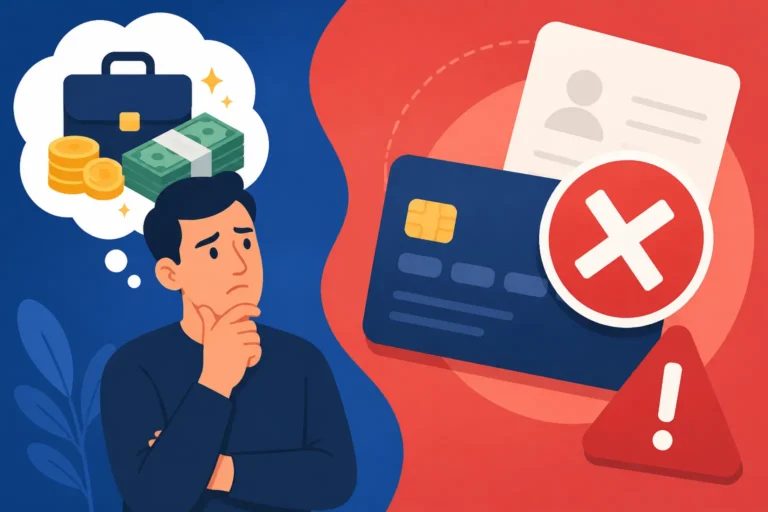
Think of your bank account registration with Skatteetaten as providing them with your personal financial address. Without it, your tax refund, no matter how small or large, could end up in limbo. Skatteetaten’s primary goal is to make the process as smooth as possible for you, but they rely on accurate information. If you don't register a bank account, your refund might be held, or in some cases, you could receive a payment slip ( utbetalingskort ) in the mail that you then have to cash at a bank, which is an increasingly rare and inconvenient service in Norway's largely cashless society. Imagine the frustration of having a refund due, only for it to be delayed because you missed a crucial step that seemed simple to locals but was a mystery to you. This is a common expat headache, and it's completely avoidable.
Who Receives Tax Refunds?
Generally, anyone who has paid too much tax during the year is eligible for a refund. This could be due to a variety of reasons:
- Incorrect Tax Deduction Card (Skattekort): Perhaps your initial tax deduction card overestimated your income or didn't account for certain deductions, leading to a higher percentage of your income being withheld. You might want to check out our guide on Understanding Your Skattekort (Tax Deduction Card) and How to Change It to avoid this in the future.
- Changes in Income or Deductions: If your income changed significantly, or if you had new deductions that weren't factored into your monthly tax withholdings, you might be due a refund.
- Foreign Workers on PAYE: Even those on the simplified PAYE scheme (Kildeskatt på Lønn) can sometimes be due a small refund if adjustments are made, though this system is designed to be a flat tax. However, it's generally good practice to be aware of the nuances discussed in PAYE Scheme (Kildeskatt på Lønn) for Foreign Workers: Pros and Cons.
The bottom line is, if you've been working and paying tax in Norway, there's always a possibility of a refund, and you want to be sure it reaches you efficiently.
Step-by-Step: Registering Your Bank Account with Skatteetaten
Now, let's get down to brass tacks. The process is straightforward once you know where to look, but it heavily relies on Norway's digital infrastructure.
The Helsenorge/Skatteetaten Portal: Your Digital Gateway
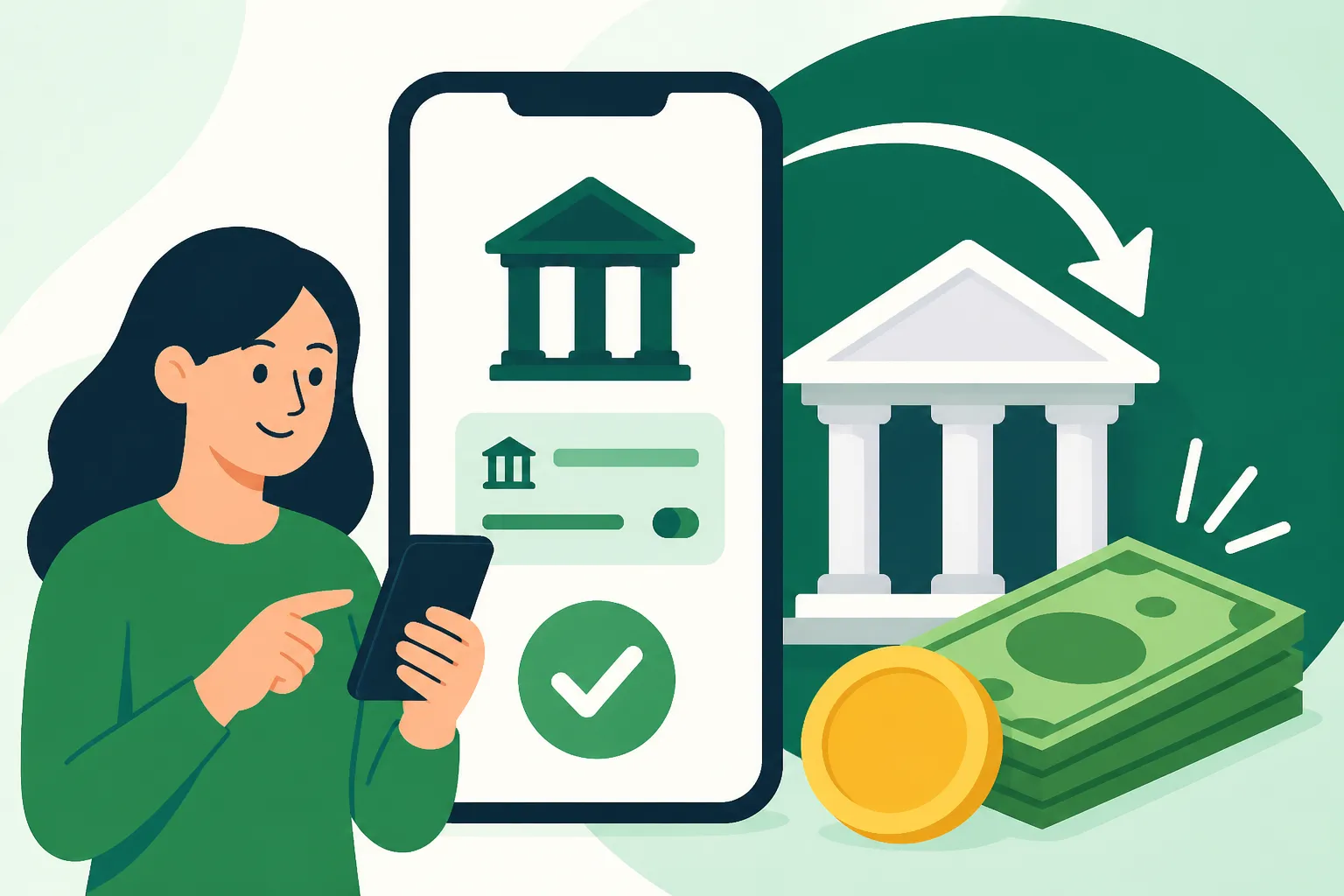
In Norway, many public services are centralized through digital platforms. For registering your bank account, you'll primarily use the secure online portal Helsenorge, which is linked directly to Skatteetaten's systems.
- Accessing the Portal: Head over to www.helsenorge.no. This is Norway's public digital health portal, but it also serves as a central hub for personal information that government agencies use, including your registered bank account for refunds.
- Logging In with BankID: This is the crucial step. You will need your BankID to log in. BankID is Norway's secure electronic identification system, and it's indispensable for interacting with virtually any online public service or bank. If you don't have BankID yet, or are struggling with it, our article on BankID Explained: Norway's Digital Identity System and Expat Challenges is a must-read. It can be a real hurdle for new arrivals, particularly D-number holders, but it's worth the effort to get it sorted.
- Navigating to Bank Account Registration: Once you're logged into Helsenorge, look for a section related to "profil" (profile), "innstillinger" (settings), or "kontonummer for utbetaling" (account number for disbursements). The exact wording can change, but it’s usually quite intuitive. You're looking for where you can manage your personal payment details.
Required Information for Registration
When you find the right section, you'll typically be asked for the following:
- Your Norwegian Fødselsnummer (National Identity Number) or D-number: This will likely be pre-filled as you’re logged in with your BankID. This number is your key identifier in Norway, and understanding its implications is covered in depth in our guide on D-Number vs Fødselsnummer: How It Affects Your Banking Options.
- Your Bank Account Number (Kontonummer): This must be a Norwegian bank account number (a 11-digit number). It's highly recommended to have a local Norwegian bank account for this purpose. While it might seem convenient to try and use an international account, the system is designed for local accounts, and direct international payments for tax refunds are not standard.
- Bank Name (Optional but helpful): Some forms might ask for the name of your bank.
Here's a quick reference table for the essential details:
| Information Needed | Description | Access Method (Primary) | Notes |
|---|---|---|---|
| Fødselsnummer/D-number | Your unique Norwegian identification number. | Automatically linked via BankID | Essential for all official interactions. |
| Norwegian Kontonummer | Your 11-digit Norwegian bank account number. | Found in your online banking portal | Required for direct deposit of refunds. |
| BankID | Electronic ID for secure login. | Issued by your Norwegian bank | Absolutely crucial for accessing Helsenorge and Skatteetaten services online. |
| Helsenorge Portal | The primary online platform for managing your personal payment details. | www.helsenorge.no | Look under "Profil" or "Kontonummer for utbetaling" to register or update. |
What if You Don't Have BankID?
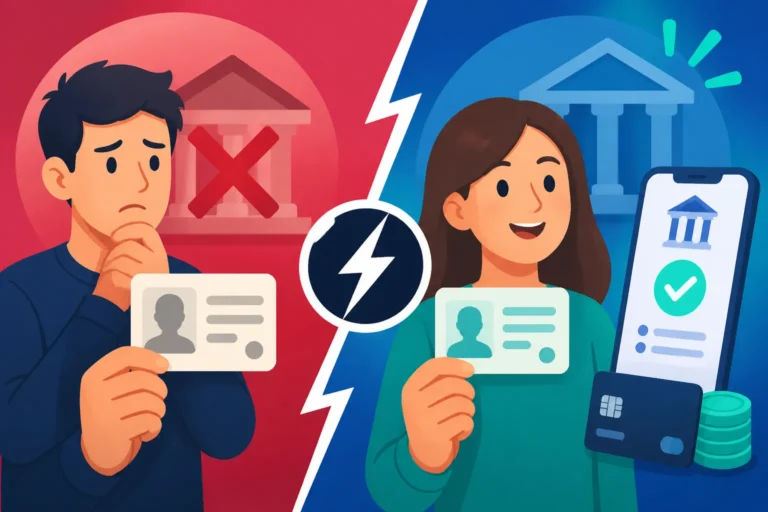
This is a very real challenge for many new expats, especially those who initially arrive with only a D-number and haven't yet secured a full fødselsnummer and subsequently BankID. Without BankID, your options are more limited:
- Paper Form: Skatteetaten does have a paper form (RF-1402 "Oppgave over bankkontonummer for utbetaling") that you can fill out and mail in. However, this is a slower process and generally not recommended if you have digital alternatives. You'll need to print it, fill it out accurately, and send it to your local tax office.
- Contact Skatteetaten Directly: You can try to call Skatteetaten or visit one of their service centers. Explain your situation, and they might be able to guide you or provide an alternative method. However, expect longer waiting times and be prepared to provide extensive identification.
- Priority: Get BankID: Honestly, the best solution is to prioritize getting your BankID. It unlocks so many aspects of Norwegian life, from managing your healthcare via Navigating the Helsenorge App in English: A Step-by-Step Translation to filing your taxes. It might be a bureaucratic slog, but it pays dividends in convenience. Without it, you’ll constantly find yourself hitting digital roadblocks.
Common Pitfalls and Solutions for Expats
Navigating the financial landscape as an expat in Norway comes with its unique set of challenges. Knowing these common pitfalls can save you a lot of grief.
D-Number Holders and International Accounts
Many expats arrive in Norway with a D-number before receiving their permanent fødselsnummer. Getting a Norwegian bank account with just a D-number used to be notoriously difficult, though it's become slightly easier in recent years with some banks. However, Skatteetaten generally prefers (and implicitly requires) a Norwegian bank account for tax refunds.
If you only have a D-number and a foreign bank account:
- Open a Norwegian Bank Account: This should be one of your top priorities. Banks like DNB, Nordea, and SpareBank 1 are common choices, but it's worth researching which ones are most expat-friendly. Many banks have specific processes for D-number holders now. This is a critical step, as it also helps you with things like getting your BankID Explained: Norway's Digital Identity System and Expat Challenges.
- Avoid Using Foreign Accounts for Refunds: While some services or employers might be able to pay into a foreign account, Skatteetaten's system is optimized for Norwegian accounts. Attempting to register an international account (even if you managed to find a way to input an IBAN) is likely to cause significant delays or rejection of the payment. The system isn't designed for it, and you'll just be creating more work and frustration for yourself.
Changing Your Bank Account Details
Life happens, and sometimes you switch banks or close an old account. It's vital to keep your registered bank account details with Skatteetaten up-to-date.
- Same Process as Registration: You update your account details through the exact same Helsenorge portal as you would for initial registration. Log in with BankID, navigate to your profile/settings, and change the account number.
- Timeliness is Key: Make sure you update this well before the annual tax settlement ( skatteoppgjør ) is finalized, which typically happens between June and October each year. If your old account is closed by the time Skatteetaten attempts to send a refund, it will be rejected, and the process will be delayed while they try to contact you for updated details. Don’t let your refund bounce back to them!
When to Expect Your Refund
The skatteoppgjør (tax settlement) is the document that tells you if you're getting a refund, owe more tax, or broke even.
- Initial Settlement: For most employees, the skatteoppgjør is ready between June and October, following the tax return deadline in April. Those who file their tax returns early and have simple tax situations might get their settlement and refund in June.
- Later Settlements: If you’ve made changes to your tax return, applied for an extension, or have a more complex tax situation, your settlement could come later in the year.
- Direct Deposit: Once your skatteoppgjør shows you’re due a refund, if you've registered your bank account correctly, the money is usually transferred directly within a few business days of the settlement being issued.
Alternatives and Special Considerations
While the direct registration with a Norwegian bank account is the gold standard, there are specific scenarios where alternatives or additional steps might be considered.
Using International Transfer Services
If, for some reason, you do end up with a refund that can't be deposited directly into a Norwegian account (perhaps it's a small amount, or an exceptional circumstance leads to a paper check), and you need to get those funds into a non-Norwegian account, services like Wise (formerly TransferWise) can be incredibly useful.
- Converting Funds: You could potentially deposit a physical check (if you ever receive one) into a local Norwegian account and then use Wise to transfer those NOK funds to your international bank account at a good exchange rate with transparent fees. This avoids the often-poor exchange rates and high fees associated with traditional bank wire transfers for international remittances. Many expats rely on services like Wise for managing their cross-border finances. If you often send money home, exploring options for Remittances: Cheapest Ways to Transfer NOK to International Accounts could save you a significant amount.
- Not a Direct Skatteetaten Solution: It's crucial to understand that Wise is not a direct solution for Skatteetaten sending your tax refund to a non-Norwegian account. Their system isn't set up for that. Wise is a tool for you to manage funds after they've hit a Norwegian account.
Seeking Professional Tax Assistance
For many expats, especially those with complex financial situations, international income, or specific deductions, navigating Norwegian taxes can be overwhelming.
- When to Get Help: If you're unsure about your tax return, feel like you might be missing out on deductions, or have questions beyond simple bank account registration, seeking professional help is a wise investment. Organizations like "Taxes for Expats" specialize in international tax situations and can provide tailored advice for individuals with cross-border income, foreign assets, or those needing to understand double taxation treaties. They can ensure your tax return is optimized and that you're compliant with both Norwegian and your home country's tax laws.
- Peace of Mind: Paying for expert advice can offer immense peace of mind, knowing that your financial affairs are handled correctly and that you're not leaving any money on the table. While this guide focuses on the bank account, the broader process of Filing Your Tax Return (Skattemelding): Deadlines and Common Deductions can be intricate.
Final Thoughts
Successfully registering your bank account with Skatteetaten is a small but incredibly important step in managing your finances as an expat in Norway. It ensures that when the time comes for your tax refund, those precious kroners don't get lost in the bureaucratic void. Take the time to set it up correctly, preferably with a Norwegian bank account and your trusty BankID, and you'll save yourself a lot of future headaches. Remember, the Norwegian system is designed to be efficient, but it relies on you providing the right information in the right place. Lykke til! (Good luck!)
Disclaimer
The information provided in this guide is for general informational purposes only and does not constitute financial, legal, or tax advice. While we strive to keep the information up-to-date and correct, rules and regulations in Norway can change. Always consult with Skatteetaten or a qualified tax professional for advice tailored to your specific situation.