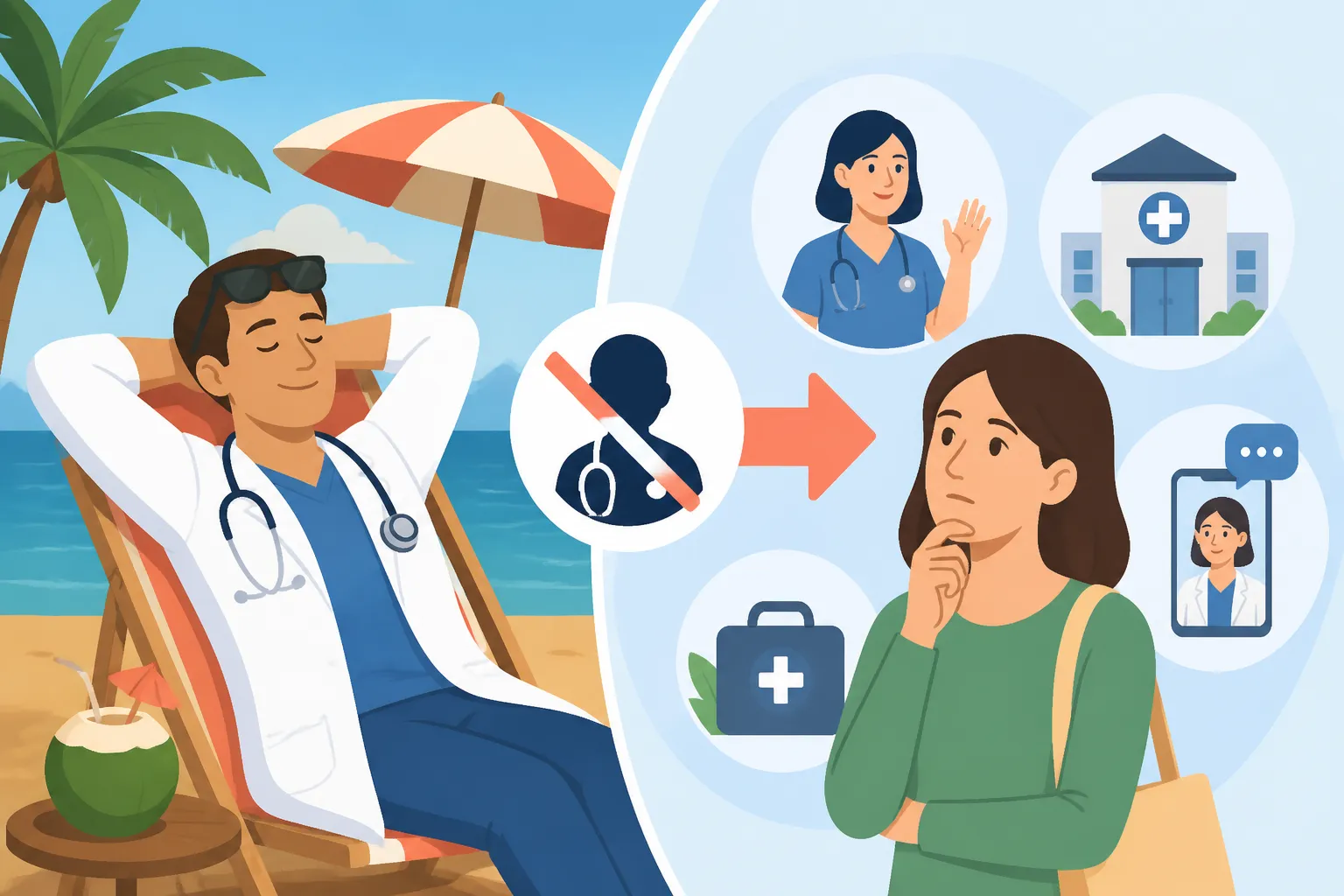
What to Do When Your Fastlege is on Vacation
Finding out your doctor is unavailable right when you wake up with a spiking fever or a suspicious rash is a classic rite of passage for expats in Norway. I remember the sheer panic I felt during my first Norwegian summer, staring at a "stengt" sign on my clinic door while clutching a crying toddler. This guide breaks down exactly how to navigate the system when your primary physician is away.
Understanding the System of Coverage and Substitutes
The Norwegian healthcare system is built on the principle of continuity, but it also respects the sacred right of every worker—including doctors—to take their four to five weeks of annual leave. This usually happens in the "fellesferie" period of July, or during the Christmas and Easter breaks. When your GP goes on holiday, the municipality is legally required to ensure you still have access to medical care.
In most cases, your GP belongs to a group practice (fastlegekontor). When one doctor is away, the other doctors in that same office will often divide the patient list among themselves. This is the most seamless scenario because they already have access to your digital records through their shared system. However, if your doctor runs a solo practice, they will have a formal agreement with another local clinic to take over their patients.
You don't need to do anything to "register" with this temporary doctor. Your rights under The Fastlege Scheme: Navigating Norway’s GP System remain fully intact, meaning you will still pay the same subsidized user fee, and the visit will count toward your annual Healthcare Budgeting: The Frikort Exemption Card and User Fees limit. The primary challenge is usually just finding out who that substitute is and how to reach them.
Your First Step: Check the Digital and Physical Trail
Before you head out the door, the first thing you should do is log in to the Helsenorge portal. This is the "brain" of the Norwegian health system. Most clinics will update their front page or send out a mass notification to their patient list via the internal messaging system. If you have the Helsenorge app, check for any recent messages from your clinic.
If there is nothing on Helsenorge, try calling the clinic’s main phone line. Norwegians are notoriously efficient with automated messages. Even if the office is closed, the recording will almost always state the dates they are away and provide the name and phone number of the "vikarierende lege" (substitute doctor) or the "vaktvirksomhet" (covering clinic). If your Norwegian isn't quite there yet, listen for the words "vikar" or "henvises til" followed by a phone number.
Sometimes, smaller clinics still rely on the "note on the door" method. If you live close by, a quick walk to the office can reveal a flyer in the window with specific instructions. It’s frustrating, I know, but once you have that substitute's name, you can usually look up their location and contact info on the How to Register for a Fastlege (GP) on Helsenorge map or a general search.
Navigating the Vikarierende Lege (Substitute Doctor)
Once you’ve identified the substitute, understand that they are essentially your "acting" GP. You should treat them as your primary point of contact for anything that isn't a life-threatening emergency but cannot wait until your doctor returns. This includes things like new infections, sudden pain, or worsening of a chronic condition.
When you call the substitute clinic, clearly state that your regular Fastlege is on vacation and that they are the designated substitute. This ensures the administrative staff knows why you are calling them instead of your own doctor. Be prepared for the fact that they might only offer "akutt-timer" (emergency appointments) to the patients of the doctor they are covering for. They will likely defer routine check-ups or non-urgent matters until your own doctor is back in the office.
If you are a digital nomad or an expat who hasn't fully integrated into the national insurance scheme yet, you might find that having a backup is essential. Many expats use services like SafetyWing to cover gaps if they aren't yet eligible for a Fastlege. For those who prefer a more comprehensive, private-led experience to avoid these public system hurdles, Cigna Global offers plans that allow you to bypass the public waiting lists and substitute system entirely by using private clinics.
When the Clinic is Closed: Using Legevakten
If your doctor is on vacation and the designated substitute clinic is also closed—which often happens during weekends, public holidays, or late in the evening—you must use the Legevakten. This is the municipal "emergency room" for non-life-threatening but urgent issues. You can reach the national triage line by calling 116 117.
When you call 116 117, you are connected to a nurse who will assess your situation. I’ve spent many hours on this line, and while it can be frustrating to wait, the nurses are incredibly skilled at determining if you need to come in immediately or if you can wait until the morning. They are the gatekeepers. If your situation is urgent, they will give you a time slot or tell you to come and wait at the local Legevakten (116 117): When and How to Use the Out-of-Hours Service facility.
One thing to keep in mind is that the Legevakten is not a "convenience clinic." If you go there for something that could have waited for your substitute doctor the next day, you might face a very long wait—sometimes five or six hours—as they prioritize more serious cases. However, if your Fastlege is away and you have a genuine medical need that cannot wait, this is your primary safety net.
Managing Prescriptions and Sick Notes
A common headache during the vacation season is realizing your medication is about to run out or needing a "sykemelding" (sick note) for your employer. If your doctor is away, the substitute doctor has the authority to renew your prescriptions. They can see your "e-resept" history and will usually issue a refill to see you through until your regular doctor returns.
For chronic conditions that require Blue Prescriptions (Blå Resept): Subsidized Medication for Chronic Illness, the substitute doctor can still issue these, provided the documentation is in the shared system. If you are using White Prescriptions (Hvit Resept): Paying Out-of-Pocket for Medicine, the process is even simpler. Just don't wait until the very last pill to start this process, as getting an appointment with a substitute clinic can take a day or two.
Regarding sick notes, Norwegian law is quite strict: a doctor generally cannot backdate a sick note for a period before they saw you. If you get sick while your Fastlege is away, you must contact the substitute doctor on the first day of your illness. If you cannot get through to them, call 116 117 to document your illness. This ensures your Getting Sick Notes (Sykemelding) from Your GP for Work is legally valid and you don't lose out on your salary.
Emergency Situations and the 113 Line
It’s easy to get confused between a closed GP office and a medical emergency. If someone’s life is in danger—think chest pain, Difficulty breathing, major trauma, or signs of a stroke—do not waste a single second looking for a substitute doctor or calling the local clinic.
You must call 113 immediately. This is the emergency number for an ambulance. In Norway, Calling 113: Ambulance Services and Life-Threatening Emergencies is a highly efficient service where dispatchers are often trained nurses or paramedics who can give you life-saving instructions over the phone while the ambulance is en route.
The Fastlege system and its holiday substitutes are for primary care. The Legevakten is for urgent but non-life-threatening care. 113 is for emergencies. Knowing this hierarchy will save you a lot of stress when your local clinic's lights are off.
Private Alternatives for Immediate Care
Sometimes, the "substitute" system feels like too much of a run-around, especially if you have a language barrier or need to see someone within the hour. This is where private health providers have carved out a massive niche in Norway. Companies like Dr.Dropin or Kry offer physical and video consultations for a flat fee, usually around 600 to 1,200 NOK.
These private providers do not require you to have a specific Fastlege, and they are open even when the public clinics are closed for the summer or Christmas. For many expats, the peace of mind is worth the extra cost. If you have international insurance through Cigna Global, these costs may even be covered or reimbursed, depending on your plan.
Using private care is also a great option if you need a quick prescription renewal or a simple consultation and don't want to deal with the triage process at the public Legevakten. Even SafetyWing policies often provide the flexibility needed for travelers or new arrivals to access these private doctors without waiting for the D-number or Fødselsnummer administrative hurdles to clear.
Quick Reference: Where to Go When Your Fastlege is Away
| Situation | Who to Contact | Cost |
|---|---|---|
| Non-urgent (e.g., routine blood work) | Wait for your own Fastlege to return | Standard User Fee |
| Urgent Daytime (e.g., ear infection) | Designated Substitute (Vikar) | Standard User Fee |
| Urgent Evening/Weekend | Legevakten (Call 116 117) | Standard User Fee (Slightly higher) |
| Prescription Refill | Substitute Doctor or Private App | Standard Fee / Private Rate |
| Life-Threatening | Emergency Services (Call 113) | Free |
| Convenience/Speed | Private Clinics (Dr.Dropin/Kry) | Full Private Rate (600-1200 NOK) |
Managing Chronic Illness During the Vacation Gap
If you are Managing Chronic Illness in Norway: Diabetes, Asthma, and Heart Disease, the holiday season requires a bit of "pre-gaming." Most veteran expats know to request their refills and any necessary referrals at least three weeks before the summer holidays start in late June.
If you find yourself needing a specialist while your Fastlege is away, the substitute doctor can technically write a referral. However, they are often hesitant to do so unless it's an acute change in your condition. They prefer your regular doctor—the one who knows your history—to handle long-term care plans. If you have private insurance like Cigna Global, you might have the option to see a specialist directly, bypassing the public referral wait times which can be significant.
If you are a new resident still waiting for your ID number, you should read up on Healthcare Rights for D-Number Holders: Exclusions and Alternatives to understand that your access to a Fastlege (and thus their substitute) might be limited. In these cases, the Legevakten or private clinics are your only real options until your paperwork is finalized.
Practical Tips for the "Vikar" Visit
When you actually get an appointment with the substitute doctor, keep a few things in mind to make the visit efficient. First, bring a list of any medications you are currently taking. While the "Kjernejournal" (core health record) is digital, it’s not always perfectly updated if you’ve recently moved or seen private doctors.
Second, be prepared to explain your medical history from scratch. The substitute doctor is seeing you for the first time and has a limited window to help you. If you have a complex history, having a short summary in English or Norwegian on your phone can be a lifesaver.
Lastly, always ask the substitute doctor to send a summary of the visit back to your regular Fastlege. While the systems are generally linked, "epichrisis" (visit summaries) are the formal way doctors communicate to ensure your medical file remains a complete narrative of your health journey in Norway.
Final Steps After Your Doctor Returns
Once the "ferie" is over and your regular Fastlege is back in the office, it’s a good idea to check your Helsenorge account to see if any notes or test results from your "vikar" visit have been uploaded. If you were prescribed a new medication or given a temporary sick note, you might want to book a brief follow-up or send an e-consultation to your regular doctor to keep them in the loop.
The system isn't perfect, and the "summer shutdown" in Norway can feel overwhelming when you're used to 24/7 availability in your home country. But by knowing who your substitute is and utilizing the 116 117 service when necessary, you can ensure that you’re never truly left without medical support—even when the rest of the country is busy at their cabins.
Disclaimer
This guide is for informational purposes only and does not constitute professional medical or legal advice. Healthcare regulations and contact numbers in Norway may change. Always consult official resources like Helsenorge or the UDI for the most current information. In the event of a medical emergency, always call 113 immediately. The author is an expat sharing personal experiences and research, not a licensed medical professional in Norway.