Eating Disorder Clinics in Norway: Pathways to Specialized Care
Finding yourself or a loved one struggling with an eating disorder is isolating, but navigating a foreign medical system at the same time can feel genuinely overwhelming. When I first moved to Oslo, I realized that even a simple doctor's visit required a whole new vocabulary of bureaucracy that I simply wasn't prepared for. This guide clarifies the specific pathways to eating disorder clinics in Norway, ensuring you get the professional support you deserve without getting lost in the paperwork.
Understanding the Norwegian Public Healthcare Hierarchy
The Norwegian healthcare system is world-class, but it functions on a very strict hierarchical structure. You cannot simply walk into a specialized eating disorder clinic and ask for a bed or a therapy session. Everything begins with primary care. In Norway, your gateway to all specialized medical services is your GP, known locally as a Fastlege.
The public system is designed to provide "Pakkeforløp"—standardized patient pathways—for mental health and substance abuse. These pathways are intended to ensure that everyone receives a similar quality of care and that no one waits longer than necessary. However, for an expat, the challenge often lies in the initial communication. You need to be very clear with your Fastlege about the severity of the situation. Because the system is heavily subsidized, the "gatekeepers" are trained to assess whether a case can be managed at the municipal level or if it requires the specialized resources of a hospital or a psychiatric center.
If you are new to the country and haven't settled in yet, you might still be Understanding the Frikort: The 2026 Healthcare Exemption Card Limit or wondering how your status affects your care. It is crucial to know that even if you are only here on a temporary basis, there are avenues for help. The public system categorizes eating disorders under specialized mental healthcare, meaning once you are "in," the costs are largely covered by the state once you reach your annual payment ceiling.
The Role of the District Psychiatric Center (DPS)
The DPS is the backbone of mental health care in Norway. After your GP sends a referral, it is usually sent to the local DPS. This is not a hospital in the traditional sense, but a specialized clinic that handles outpatient treatment, day treatment, and sometimes short-term inpatient stays.
When the DPS receives a referral, they have a legal obligation to evaluate it within a specific timeframe—usually 10 to 14 days. They will decide if you have a "right to necessary health care." If they accept the referral, you will be called in for an assessment. For expats, this is often the point where language barriers become a concern. While most Norwegian clinicians speak excellent English, discussing deep-seated emotional issues in a second language is exhausting. You have a legal right to an interpreter if you feel it is necessary for your treatment.
Regional Units for Eating Disorders (RASP)
For the most severe or complex cases, Norway has Regional Units for Eating Disorders, the most famous being RASP (Regional seksjon for spiseforstyrrelser) located at Oslo University Hospital. These units provide highly specialized care that a standard DPS might not be equipped to handle. They deal with cases involving severe underweight, long-term illness, or where previous treatments at the DPS level have not been successful.
Getting into a regional unit is a higher "tier" of referral. Usually, the DPS will attempt to treat the patient first. If the condition is life-threatening or particularly resistant, they will then coordinate with the regional specialists. These units often involve multi-disciplinary teams including psychiatrists, psychologists, clinical nutritionists, and specialized nurses.
Navigating the Fastlege Scheme and Referrals
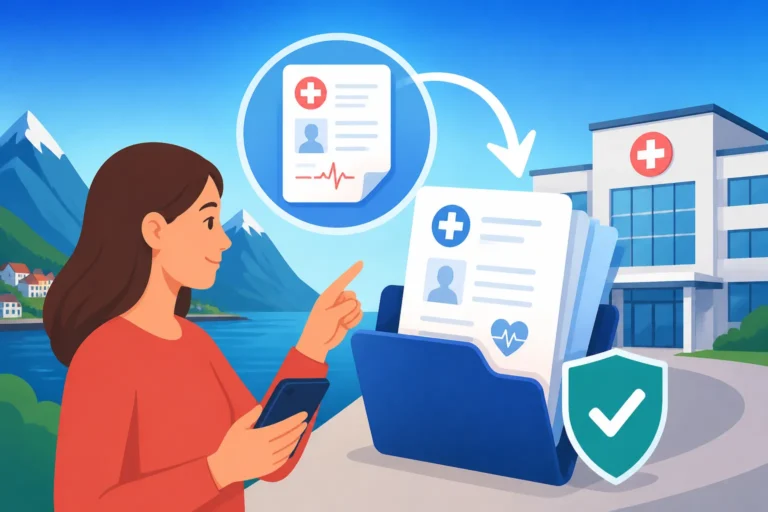
The first step is always The Fastlege Scheme: Navigating Norway’s GP System. You must book an appointment specifically to discuss your mental health. Do not try to "squeeze it in" at the end of a physical check-up. The GP needs to document your weight, blood pressure, and blood work, alongside a psychological assessment, to build a strong referral.
If you find that your current GP isn't listening or doesn't seem to understand the gravity of an eating disorder, you have the right to switch. Many expats find that Changing Your Fastlege: Rules and Waiting Lists in Norway is a necessary step to finding a doctor who takes mental health seriously. In my experience, some doctors are more "old school" and might focus only on physical symptoms, while others are very proactive about mental health referrals.
What to Prepare for Your GP Appointment
When you go to your GP, bring a list of your symptoms and a timeline of your struggle. Be honest about your eating habits, exercise patterns, and any compensatory behaviors. The more detail the GP can put in the referral, the more likely the DPS is to prioritize your case.
If you are on a D-number rather than a full national identity number, your rights can be slightly different. You should read up on Healthcare Rights for D-Number Holders: Exclusions and Alternatives to see what applies to you. Generally, if you are working and contributing to the National Insurance Scheme (Folketrygden), you have the same rights to specialized mental health care as a citizen.
The Evaluation and Waiting Times
Once the referral is sent, you enter the waiting period. This is often the hardest part for expats who are used to more "on-demand" private systems. You can check the expected waiting times for different clinics on the Helsenorge website. If the wait is too long, you might have the right to choose a different clinic in another part of the country.
Understanding Specialist Referrals in Norway: How the Waiting Times Work is vital here. If the public system cannot provide you with an appointment within the "maximum waiting time" set by the state, they are technically required to pay for your treatment at a private facility that has an agreement with the regional health authority.
Private Eating Disorder Clinics and Insurance Options
For many in the expat community, the waiting times in the public sector are simply not an option, especially when dealing with something as time-sensitive as an eating disorder. This is where private clinics come in. While Norway doesn't have a massive private hospital sector like the US or the UK, there are specialized private psychologists and small clinics that focus specifically on eating disorders.
Private care allows you to bypass the GP referral and the DPS waiting list. However, it is expensive. A single session with a private psychologist in Oslo or Bergen can cost between 1,200 and 2,500 NOK. For intensive treatment, these costs become unsustainable very quickly without insurance. This is why many expats choose to maintain international health coverage.
Utilizing International Health Insurance
Brands like Cigna Global are frequently used by long-term expats in Norway because they offer modular plans that include comprehensive mental health coverage. Cigna Global can be particularly helpful if you want to see a specific specialist who doesn't have a contract with the Norwegian state. They often cover inpatient stays in private facilities that the public system wouldn't pay for.
For digital nomads or those on shorter contracts, SafetyWing provides a more flexible "Nomad Insurance" or "Remote Health" plan. While SafetyWing is often viewed as travel insurance, their "Remote Health" product is a fully-fledged global health insurance policy that can cover psychiatric care and specialist visits. If you are struggling and need to access a private therapist quickly, checking your SafetyWing policy details could reveal coverage for outpatient mental health sessions that help bridge the gap while you wait for the public system.
| Feature | Public Healthcare (Helse Norge) | Private Healthcare / Insurance |
|---|---|---|
| Cost | Low (User fees up to Frikort limit) | High (Out-of-pocket or via Insurance) |
| Access | Requires GP Referral | Direct Access |
| Waiting Time | Can be weeks or months | Usually 1-2 weeks |
| Language | Primarily Norwegian (English common) | Choice of English-speaking specialists |
| Insurance | Covered by Folketrygden | Cigna Global / SafetyWing |
Specialized Support Beyond the Clinics
Clinics are essential for medical and psychological stabilization, but recovery from an eating disorder often requires a community. In Norway, there are several non-profit organizations that offer support, even if you are not currently enrolled in a clinical program.
The most prominent organization is ROS (Rådgivning om spiseforstyrrelser). They have centers in major cities like Oslo, Bergen, and Trondheim. ROS offers free counseling sessions, support groups, and a wealth of information. They are very welcoming to foreigners, and most of their staff and volunteers are happy to speak English. They don't provide medical treatment, but they are an incredible resource for "hand-holding" you through the process of getting medical help.
The Role of "Spiseforstyrrelsesforeningen"
Another key player is Spiseforstyrrelsesforeningen (The Eating Disorder Association). They focus heavily on advocacy and user rights. If you feel like you are being treated unfairly by the system or if you need advice on how to navigate the Patient Rights: How to File a Complaint with the Health Authority process, they can be a great ally.
For those living outside the major hubs, accessing these resources can be a bit more difficult. If you are in the north, you might want to look specifically at Healthcare in Tromsø: Medical Access in Northern Norway for local nuances, as travel distances for specialized care in the Arctic can be a factor in your treatment plan.
Support for Family and Caregivers
Eating disorders don't just affect the individual; they take a massive toll on the family. Norwegian clinics often use a Family-Based Treatment (FBT) model, especially for teenagers and young adults. This means the parents or partners are heavily involved in the meal planning and support process.
If you are a parent moved here for work, Family Health in Norway: Pregnancy, Childbirth, and Pediatric Care covers the basics of the system, but for mental health, you will likely be working closely with the BUP (Barne- og ungdomspsykiatrisk poliklinikk). BUP is the pediatric equivalent of the DPS and is usually much faster at responding to referrals for minors than the adult system is for over-18s.
Practical Steps to Take Today
If you are currently in a crisis, do not wait for a Fastlege appointment. You should contact the local Legevakt (emergency room). You can learn more about this in Legevakten (116 117): When and How to Use the Out-of-Hours Service. They can provide immediate psychiatric assessment and, if necessary, arrange for emergency admission to a psychiatric ward.
If you are in a stable but struggling position, here is your checklist:
- Ensure you are registered with a Fastlege.
- Book a double appointment to discuss a mental health referral.
- Check your insurance coverage (specifically looking for Cigna Global or SafetyWing mental health provisions).
- Reach out to ROS for an initial, non-medical chat to ground yourself.
- Familiarize yourself with Accessing Psychologists with Public Funding vs Private Practice to understand where your money is best spent.
Living in Norway is a dream for many, but the dark winters and the social "Janteloven" culture can sometimes exacerbate feelings of isolation and control issues that feed into eating disorders. Please remember that you aren't a burden on the system; the system is there to support you. Whether you use the public pathway or leverage a Cigna Global policy for private care, the most important thing is to start the conversation with a professional.
Disclaimer
This article is for informational purposes only and does not constitute professional medical advice, diagnosis, or treatment. Always seek the advice of your physician or another qualified health provider with any questions you may have regarding a medical condition. If you are in an emergency situation, call 113 immediately or visit your local emergency room. The Norwegian healthcare system undergoes frequent updates; please verify all procedures with Helsenorge or your insurance provider.